Morocco’s most rewarding 10-day route—a 10 day tour from Casablanca to desert via Chefchaouen and Fes—takes you from Atlantic shores through blue mountain villages, ancient medinas, and deep into Sahara territory before looping back through dramatic Atlas passes.
Understanding This Cross-Country Morocco Circuit
The journey spans roughly 2,400 kilometers connecting seven major destinations. You’ll spend about 40% of time exploring cities and sites, 30% experiencing desert and valleys, 20% traveling between locations, and 10% in mountain regions. Each segment brings completely different scenery, architecture, and local culture.
Complete Day-by-Day Itinerary Breakdown
Day 1: Landing in Casablanca and Coastal Orientation
Hassan II Mosque dominates your first afternoon. Construction finished in 1993 after seven years of work. The prayer hall fits 25,000 people with another 80,000 on exterior grounds. Craftsmen used 53,000 square meters of wood, 67,000 square meters of marble, and hand-carved 10,000 square meters of zellige tilework. Your driver meets you at Mohamed V Airport with a name board, typically within 20 minutes of clearing customs.
Day 2: Moving North Through Rabat to Chefchaouen
Rabat stops include the Hassan Tower from 1195 (never completed), Mohammed V Mausoleum with royal guards in traditional dress, and the Kasbah fortifications overlooking the river mouth. The drive north takes 4 hours through farmland and small towns. Chefchaouen appears suddenly as the road climbs into Rif terrain. Founded by Moulay Ali Ben Moussa Ben Rached El Alami as a military fortress, the town now hosts around 200 guesthouses within half a square kilometer. Morocco Live Trips times arrival for late afternoon when shadows enhance the blue walls.
Day 3: Free Exploration Day in Blue Pearl Territory
Chefchaouen’s medina has no major monuments requiring guides or tickets. You navigate freely through residential areas where locals repaint walls annually in varying blue shades. Some use indigo, others add purple tones or turquoise. The practice started with Jewish refugees in the 1930s though several origin stories circulate. Spanish Mosque sits 30 minutes uphill on foot, abandoned since the 1920s but offering clear views across the valley.
Day 4: Roman Ruins Stop and Imperial Meknes Before Fes
Volubilis is 33 kilometers from Meknes off the main road. The site covers 42 hectares though only 40% has been excavated. You’ll see the Capitol, Basilica, Triumph Arch, and about 30 houses with intact floor mosaics. Orpheus charming animals, Dionysus discovering Ariadne, and acrobat performances appear in colored stone patterns. Meknes became capital under Sultan Moulay Ismail who ruled for 55 years. Bab Mansour gate took 12 years to build. Fes lie 60 kilometers east through rolling hills. Evening arrival leaves you rested for the medina intensity next day.
Day 5: Navigating Fes El Bali’s Medieval Maze
Fes el-Bali contains 9,400 lanes across 300 hectares making it Africa’s largest car-free urban area. Your guide meets at Bab Boujloud (Blue Gate) built in 1913 though looking medieval. Al-Qarawiyyin Mosque dates to 857 AD, expanded multiple times, now covering 2,700 square meters. The university section opened 859 AD, making it the world’s oldest continuously operating educational institution per UNESCO. Chouara Tannery uses three stone pools for different processing stages. Workers stand in pigeon dung, cow urine, and plant extracts to soften and dye leather. Artisan quarters separate by trade—blacksmiths in one zone, carpenters another, dyers elsewhere.
Day 6: Atlas Mountains Crossing to Desert Gateway
Ifrane appears after 60 kilometers of climbing. Built in 1929 by French colonial planners, it copies Swiss alpine towns with peaked roofs and stone facades. Azrou means “rock” in Amazigh referring to an outcrop in town center. Cedar forests begin 17 kilometers south where 300-year-old trees reach 40 meters. Barbary macaques approach vehicles expecting food. The road drops through Midelt at 1,500 meters, crosses Tizi n’Talremt pass at 1,907 meters, then descends into Ziz Valley where thousands of date palms line irrigation channels. Your route follows the river through gorges before reaching flat pre-Sahara terrain.
Day 7: Sahara Desert Immersion and Overnight Camp
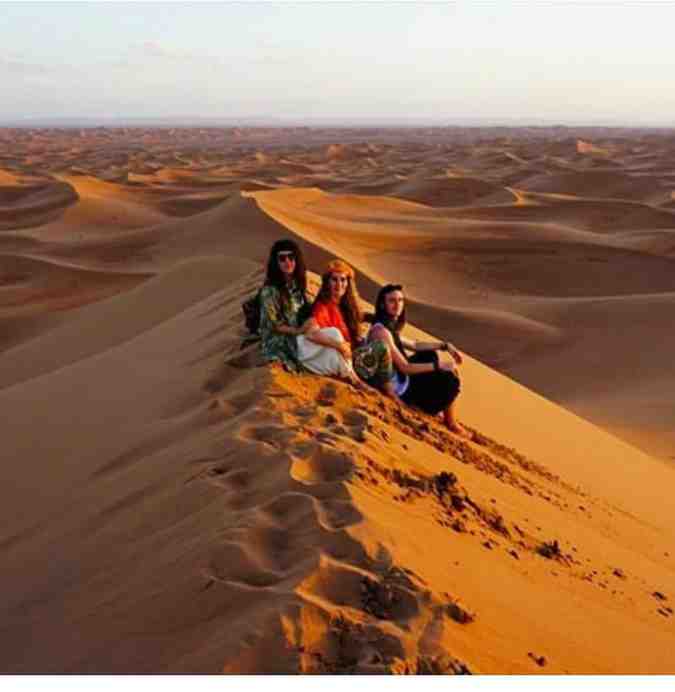
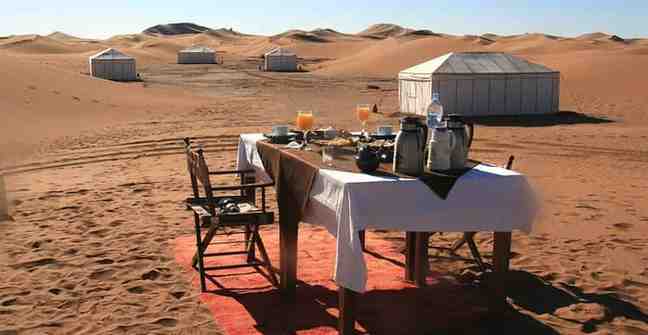
Erg Chebbi stretches 28 kilometers north to south, 5-7 kilometers wide. Dunes reach 150 meters high. Morning options include driving to Khamlia village where Gnawa musicians descend from sub-Saharan slaves brought north centuries ago. Erfoud lies 50 kilometers north, known for fossil workshops cutting and polishing 300-million-year-old trilobites and ammonites. Afternoon camel caravans depart around 4 PM depending on sunset timing. You reach camps in 60-90 minutes positioned between dune ridges. Dinner includes soup, salad, tagine, fruit, and mint tea.
Day 8: Todra Gorge Cliffs and Dades Valley Kasbahs
Todra Gorge cuts through limestone creating 300-meter walls only 10 meters apart at the narrowest point. Rock climbers use over 400 bolted routes on the north face. Tinghir town marks the gorge entrance where palm groves fill the valley floor. Dades Valley extends 100 kilometers with earthen kasbahs at intervals along the river. Most dates from 1800s-1900s, built by wealthy families controlling water rights and trade routes. The valley shows Morocco’s dramatic geology—red sandstone, grey limestone, green vegetation contrasts.
Day 9: Ait Benhaddou Film Location and High Atlas Crossing
Ait Benhaddou represents Morocco’s most photographed site. The ksar contains 6 kasbahs and roughly 50 smaller buildings enclosed by defensive walls. UNESCO listed it in 1987. Lawrence of Arabia filmed here in 1962, followed by dozens of productions including Kingdom of Heaven, Prince of Persia, Gladiator, and Game of Thrones. Tizi n’Tichka Pass crosses High Atlas at 2,260 meters. The road has 35 hairpin turns with roadside vendors selling minerals, fossils, and nuts.
Day 10: Marrakech Medina Tour and Departure Logistics
Jemaa el-Fnaa square dates to the 11th century, originally used for public executions (the name means “assembly of the dead”). Now it hosts snake charmers, henna artists, orange juice sellers, and evening food stalls. Koutoubia Mosque from 1158 has a 77-meter minaret visible across the city. Bahia Palace belonged to Grand Vizier Si Moussa in the 1860s with 150 rooms and multiple courtyards. Souks divide by product type—spices in one section, leather in another, metalwork elsewhere, textiles in their own quarter.
What Vehicle Types Handle This Route
Transportation uses Toyota Land Cruisers for small groups (2-4 people), Mercedes Sprinters for medium groups (5-10), or larger coaches for bigger parties. All have air conditioning, though effectiveness varies in extreme heat. WiFi works in most vehicles though signal drops in mountains and desert. Child seats require advance request.
Where You Sleep Each Night Along the Way
| Destination | Accommodation Type | Key Features |
| Casablanca | 3-5 Star Hotels | Air conditioning, pools, breakfast included |
| Chefchaouen | Traditional Riads | Rooftop terraces, mountain views, courtyard design |
| Fes | Medina Riads | UNESCO architecture, central location, ornate interiors |
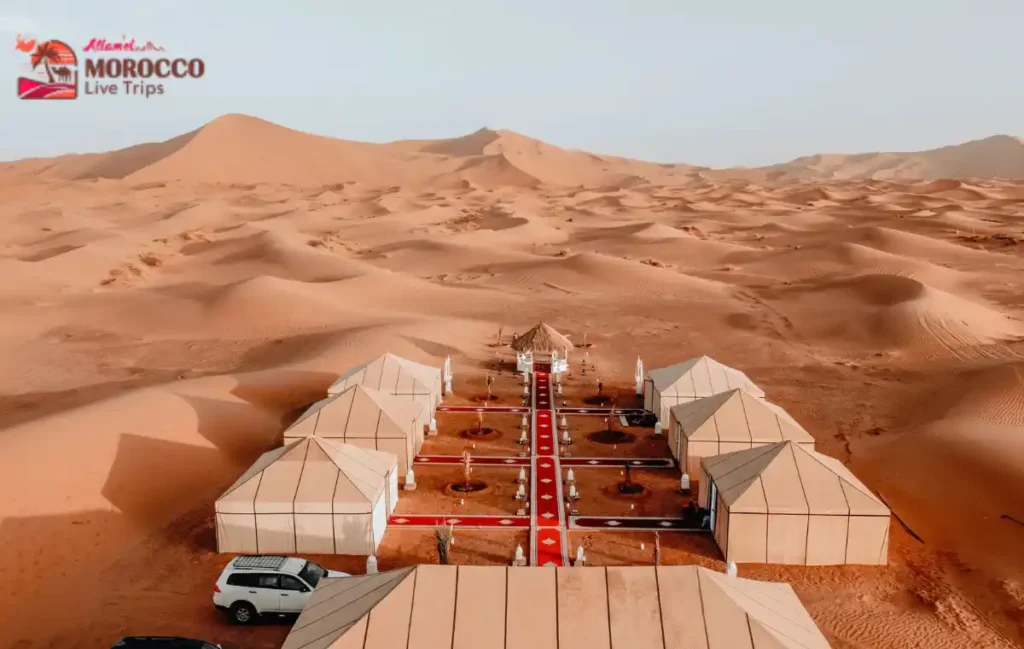
| Merzouga | Desert Luxury Camps | En-suite bathrooms, proper beds, solar power |
| Dades Valley | Local Guesthouses | Valley views, home cooking, stone construction |
| Marrakech | Hotels or Riads | Modern amenities, pool access, breakfast service |
Casablanca and Marrakech Options
Three-star hotels provide clean rooms, private bathrooms, air conditioning, and breakfast. Four-star properties add pools, room service, and better locations. Budget packages use reliable three-star establishments while premium options upgrade to luxury riads or international brands.
Chefchaouen Mountain Riads
Traditional houses converted to guesthouses dominate the medina. Rooms open onto central courtyards with fountain features. Rooftop terraces catch sunrise and sunset over mountain ridges. Hot water reliability varies—test before committing to a shower.
When Weather Conditions Work Best
Spring Traveling (March, April, May)
March still sees occasional rain, especially in the north. Flowers bloom across valleys creating photo opportunities. April brings ideal temperatures of 18-24°C in most areas. May heats up considerably, reaching 28°C in cities and reaching 35C approaching the desert.
Summer Heat Management (June, July, August)
Casablanca and coastal areas stay tolerable at 26-30°C with ocean breezes. Inland cities hit 35-40°C regularly. Desert temperatures exceed 45°C during midday making afternoon activities impossible. Tourist numbers drop as Europeans vacation at Mediterranean beaches instead.
Autumn Advantages (September, October, November)
September retains summer warmth without extreme peaks. October matches spring conditions with harvest activities visible in agricultural areas. November introduces cooler evenings requiring light jackets. Date harvest happens in palm groves.
Food Arrangements Throughout the Journey
What Breakfast Includes
Moroccan breakfast brings bread (khobz), olive oil, jam, cheese, olives, hard-boiled eggs, and mint tea. Some places add msemen (layered flatbread), baghrir (honeycomb pancakes), or amlou (almond-argan paste). Orange juice appears fresh-squeezed.
Handling Lunch Independently
Guides suggest restaurants they know for cleanliness and fair pricing rather than commission-paying tourist traps. Standard lunch costs 60-80 dirhams for tagine, salad, and drink. Vegetarian options exist but rarely appear on menus—asking brings lentil or vegetable tagines.
Dinner Structures
Riads and camps typically include dinner. Service starts with Moroccan salad (cooked vegetables with cumin), followed by tagine (slow-cooked stew) or couscous (steamed semolina with vegetables and meat). Mint tea concludes the meal.
Investment Breakdown and Pricing Structure
Transportation Share
Vehicle rental, fuel, tolls, parking, and driver accommodation consume about 35% of package cost. Longer routes increase this percentage. Private tours for two people carry the same vehicle costs as six people, explaining per-person price differences.
Accommodation Percentage
Lodging takes roughly 30% of total expense. Upgrading from standard to luxury nearly doubles accommodation costs. Single travelers paying for private rooms increase their share proportionally. Desert camps cost more per night than city hotels due to remote location and limited infrastructure.
Guide and Activity Costs
Professional guides in Fes and Marrakech charge 200-300 dirhams for half-day services. Entrance fees accumulate across multiple sites—Hassan II Mosque (130 DH), Bahia Palace (70 DH), Saadian Tombs (70 DH), Ait Benhaddou (30 DH). Combined, these represent about 18% of package pricing.
Cultural Navigation and Social Norms
Appropriate Clothing Choices
Long pants or skirts work better than shorts in traditional areas. Women benefit from loose shirts covering shoulders and avoiding low necklines. Men face fewer restrictions, but tank tops look out of place. Desert requires sun protection through clothing layers.
Photography Protocols
Always ask before photographing people directly. Many vendors object unless you’re buying. Some request payment for photos—agree on price first. Women in rural areas often refuse photos entirely. Historical sites and landscapes have no restrictions.
Bargaining Dynamics
Fixed price shops display “prix fixe” signs. Everywhere else expects negotiation. Vendors start 3-4 times above realistic prices. Counter at 40% of their opening, gradually meeting around 55-60% of original quote. Walking away often brings final discounts.
Practical Items Worth Packing
Clothing for Variable Conditions
- Two pairs of long pants
- Three lightweight shirts
- One warm fleece layer
- Light jacket for evenings
- Comfortable walking shoes with grip
- Sandals for casual wear
- Sun hat and sunglasses
- Multi-purpose scarf
Technical Equipment Decisions
Smartphones handle photography adequately for most people. European two-prong adapters fit Moroccan outlets. Portable battery packs keep phones alive during long travel days. Headlamps help in camps and dark medina lanes.
Health and Hygiene Supplies
Hand sanitizer matters more than any other items before eating anywhere. Sunscreen SPF 30+ prevents burns during outdoor time. Lip balm stops chapping from sun and wind. Basic first aid supplies cover common issues. Prescription medications should include extras for travel delays.
Making Reservations and Payment Process
Starting the Booking Conversation
Initial contact through website forms or WhatsApp generates quick responses. Share travel dates, group size, accommodation preferences, and any special requirements. Multiple itinerary versions might circulate during planning. Questions get answered promptly—communication quality indicates operational standards.
Deposit and Balance Timing
Deposits of 200-300 EUR per person secure dates and start accommodation reservations. Bank transfers work for European clients, PayPal for others. Balance payment happens 4 weeks before travel or on arrival depending on agreement. Cash payments accept euros, dollars, or dirhams at current exchange rates.
Health Precautions and Safety Information
Medical Preparation Steps
No vaccines are mandatory for Morocco though tetanus and hepatitis A make sense if you’re due for updates. Travel insurance covering emergency evacuation costs 40-60 EUR for 10 days and provides security. Pharmacies exist in every town selling common medications without prescription.
Water and Food Safety
Drink only bottled water—widely available for 5-7 dirhams per 1.5 liters. Avoid ice cubes unless at quality hotels. Eat at busy restaurants where turnover prevents food from sitting around. Hand sanitizers before meals prevent most issues.
Security Situation Assessment
Morocco ranks among Africa’s safest countries. Tourist police patrol major sites. Violent crime against tourists remains extremely rare. Pickpocketing happens in crowded medinas—use front pockets or bags you can watch.
Alternative Routes and Extensions
Adding Atlantic Coast Days
Essaouira lies 175 kilometers west of Marrakech on the Atlantic. Portuguese fortifications from the 1500s surround the medina. Fresh seafood comes straight from the fishing port. Adding 2 days allows relaxed beach time and coastal atmosphere contrasting desert intensity.
Deeper Desert Exploration
Chegaga dunes sit southwest of M’hamid requiring 4×4 access across 60 kilometers of varied terrain. Fewer tourists reach this area. Adding 2-3 days creates more remote desert experience though facilities stay more basic than Merzouga luxury camps.
Service Quality Indicators
Experience Level Matters
Agencies operating for 5+ years demonstrate stability and refined logistics. They’ve solved common problems through repeated iterations. Long-term relationships with hotels provide better rooms and flexible check-in times.
Communication Standards
Response time under 24 hours shows adequate staffing. Multilingual capability helps clients of different nationalities. Clear answers to specific questions indicate knowledge. WhatsApp availability enables real-time problem-solving during trips.
Frequently Asked Questions
Does this 10-day tour from Casablanca to desert via Chefchaouen and Fes work year-round?
Yes, though comfort levels vary by season. Summer heat requires early starts and afternoon breaks. Winter cold demands warm sleeping arrangements especially in the desert. Spring and autumn provide optimal conditions across all regions.
Can solo travelers join scheduled group departures?
Scheduled departures run when minimum numbers book. Solo travelers pay for single room supplements for private accommodation. Private tours for one person cost significantly more due to fixed vehicle expenses.
What mobile phone coverage exists along the route?
Major cities and main roads have 4G coverage. Mountain areas lose signal in valleys. Desert regions have no coverage except in villages. Tourist SIM cards cost 100 dirhams with data packages.
How much cash should travelers carry?
Budget 50 EUR per day for lunches, drinks, snacks, and incidentals. Add shopping budget separately based on purchasing interests. ATMs exist in every city dispensing dirhams at reasonable exchange rates.
Are there age restrictions on this itinerary?
No official limits exist. Families assess suitability based on children’s temperament and tolerance for long vehicle days. Teenagers enjoy the variety and adventure aspects. Elderly travelers complete the route successfully though medina walking requires moderate fitness.
What happens if health issues arise during travel?
Cities have clinics and hospitals with adequate care for common issues. Travel insurance should cover evacuation for serious problems. Guides and drivers assist with medical facility access. Itinerary modifications accommodate recovery time if needed.
Can the route run in reverse direction?
Yes, starting in Marrakech and ending in Casablanca works equally well. Some prefer finishing in a more relaxed coastal city rather than busy Marrakech. The reverse direction doesn’t significantly change the experience.
What’s included versus what extra costs?
Packages include all transportation, accommodations, breakfasts, some dinners, local guides in major cities, entrance fees to main sites, and desert camp with camel trek. Extra costs are lunches, drinks beyond meals, personal shopping, tips, and optional activities.
This 10-day tour from Casablanca to desert via Chefchaouen and Fes connects Morocco’s key highlights through efficient routing covering 2,400 kilometers of diverse terrain. The itinerary balances city exploration, natural landscapes, historical sites, and cultural immersion without excessive rush between locations. Contact Morocco Live Trips to begin planning your Morocco journey with detailed discussions ensuring the final itinerary matches your specific interests, schedule, and budget parameters for travel in 2025 or 2026.