Getting to Morocco’s Sahara doesn’t require a cross-country expedition. The 2 Day Zagora Desert Tour from Marrakech puts you in legitimate desert terrain—sand dunes, camel routes, Berber camps—within striking distance of Marrakech. Two days will get you there and back with enough time in between to experience what you came for.
Why Zagora Works When You’re Not Spending a Week
Simple geography: Zagora sits 350 kilometers out. Merzouga stretches past 560. Both qualify as actual Sahara, both deliver dunes and desert camps, but one cuts your drive time nearly in half. That matters when you’ve got a limited window or other Morocco destinations on your list.
The dunes here aren’t postcard-massive like Merzouga’s Erg Chebbi, but they’re substantial enough to photograph well and give you that desert horizon experience. Palm oases run for kilometers through the Draa Valley. Kasbahs built centuries back when this route moved African gold northward still stand along the road. You’re getting authentic territory, just the closer version.
What Two Days Actually Looks Like
Day One: Mountain Crossing to Desert Camp
Pickup happens around 7 AM from your Marrakech accommodation. The route immediately climbs into the High Atlas, winding up to Tizi n’Tichka pass where the air thins out at 2,260 meters. Temperature drops noticeably despite Morocco’s heat reputation. First stop worth mentioning: Ait Benhaddou. This UNESCO earthen fortress has appeared in Gladiator, Lawrence of Arabia, and numerous other films because its photographs are better than set designers could fake. After exploring, you continue through Ouarzazate, then trace the Draa Valley where ancient irrigation channels still water date palms.
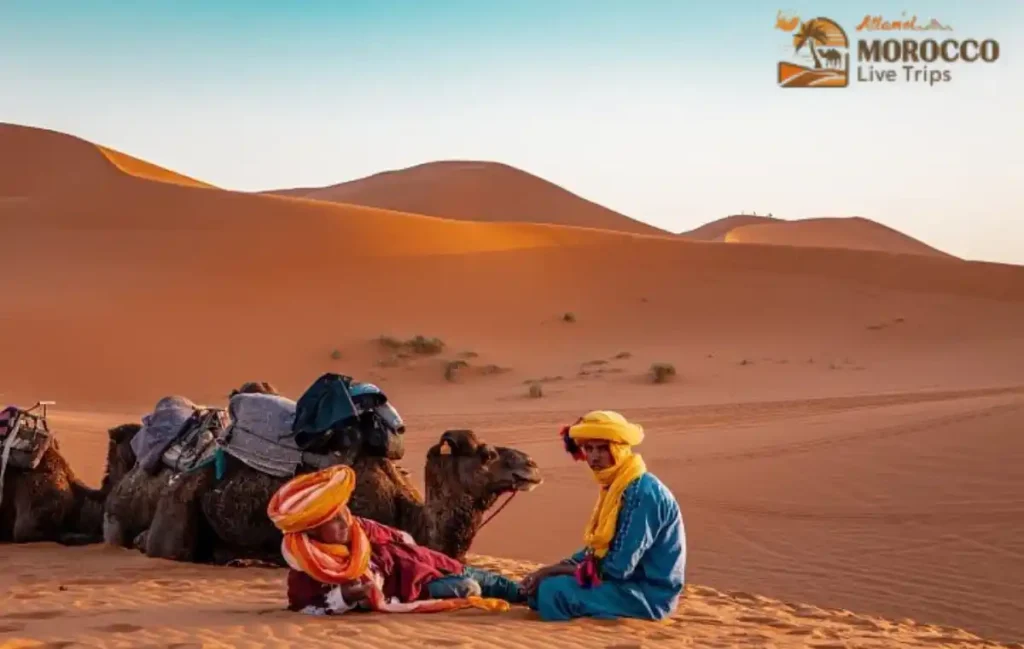
Mid-afternoon arrival at Zagora puts you on camelback for the trek to camp—usually 60-90 minutes threading between dune formations. Sunset out here lacks city interference, just unobstructed horizons. Dinner follows Berber communal style with shared tagine dishes and mint tea sweet enough to be dessert. Drums come out after dark, locals playing traditional rhythms that aren’t performance but what they’d do regardless. Atlas Mountains and Desert Tours manage these cultural pieces without making them feel manufactured.
Day Two: Pre-Dawn Dunes to Marrakech
Alarm rings before sunrise. Worth the early wake—watching light creep across dunes transforms the entire landscape as shadows define details invisible at noon. Breakfast back at camp runs typically: bread, jam, cheese, eggs available, more of that ultra-sweet tea.
Return drive covers identical road but different lighting changes everything. Stops hit alternate spots, maybe argan oil cooperatives demonstrating traditional processing, maybe valley viewpoints skipped yesterday. You’re back in Marrakech between 6-8 PM depending on photo stop frequency.
Pricing Reality and What’s Actually Covered
Shared group tours run €80-120 per person. Private vehicle arrangements jump to €200-400 per person depending on how many people split costs. Morocco desert tour 2 days from alternate starting points show comparable pricing structures. Base price includes transportation in climate-controlled vehicles, driver who knows mountain roads, one night in equipped tent, three meals total, camel trek both directions, and entrance fees to major sites. Not included: personal beverages, staff tips, optional activities added on.
Upgrade tiers exist. Better camps mean attached private bathrooms, actual beds versus floor mattresses, electricity for device charging. Luxury options add hot showers and enhanced meals. The core experience stays constant though—you’re still sleeping in desert, still riding camels, still crossing those mountains.
| Tour Type | Cost Range | Group Size | Camp Level |
| Shared | €80-120 | 8-15 people | Basic tents, shared facilities |
| Small Group | €150-200 | 4-7 people | Improved tents, better bathrooms |
| Private | €200-400 | 1-3 people | Flexible schedule, upgraded camps |
| Premium | €400+ | 1-3 people | Top facilities, maximum comfort |
Transportation: What’s Actually Moving You
Most operators deploy Toyota Land Cruisers or equivalent 4x4s rated for mixed terrain. Larger group tours might use minibuses where roads allow. Private 4×4 desert tours in Morocco provide routing flexibility—want extra time at that overlook? Done. Need unscheduled bathroom break? Just speak up.
Legitimate operators maintain vehicles properly. Air conditioning functions (critical crossing summer valleys). Drivers hold commercial licenses and know which curves demand reduced speed. Insurance exists, though hopefully goes untested.
The Actual Math on Distance and Drive Time
Marrakech to Zagora measures 350 kilometers straight-line. Factor in mountain switchbacks dropping speed to 30 km/h, valley photo stops every hour, and bathroom breaks, and you’re looking at 6-7 hours one-way under typical conditions.
“Typical” assumes no accidents blocking the pass, no construction adding detours, no weather forcing caution. Marrakech 2 day trip schedules build buffer time because Morocco operates on flexible time concepts. Return journey covers same ground but somehow feels quicker—probably because you know what’s coming.
When Booking Makes Most Sense
March through May hits the sweet spot. September through November might be better. Temperatures stay warm enough to enjoy outside activity; cool enough you’re not liquefying into sand. Morocco culture history holidays see heaviest bookings during these months.
Summer? Temperatures crack 40°C routinely. Desert camps become ovens by midday. Some prefer it though—fewer tourists, reduced prices, and if heat doesn’t bother you, the experience stays just as real.Winter flips the equation. Days stay pleasant but nights plummet near freezing. You’ll need legitimate cold-weather gear, not just windbreakers. Stars in cold, clear desert air shine absurdly bright though. Every season trade something.
What Cultural Programming Really Means
Evening at camp, drums appear. Locals play Berber rhythms—not as fifteen-minute show but for hours because that’s normal activity. You can attempt following the beat, probably fail, nobody cares. Dinner follows communal eating customs—shared tagine in center, everyone tears bread and dips in. Staff explain the why behind it if asked: traditional hospitality customs, tea ceremony significance, meal structure reasoning. Marrakech to Merzouga desert trips feature similar cultural components.
Some camps add henna application, bread baking demos, or stargazing where guides identify constellations only visible from dark-sky zones. Whether these feel genuine or staged depends heavily on operator quality and your own expectations entering.
Camp Accommodations: The Honest Breakdown
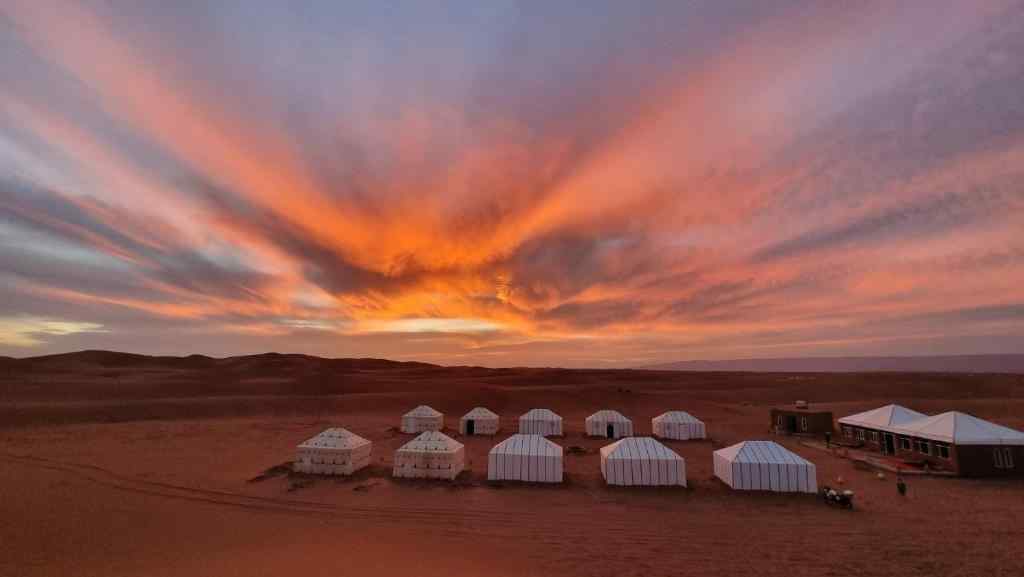
Bottom tier provides traditional nomad tents—thick woven fabric, ground mattresses, wool blankets. Bathrooms sit in separate blocks: basic toilets, cold showers with questionable water pressure. It’s camping, just with someone else handling setup.
Mid-range upgrades basics: thicker mattresses, cleaner facilities, maybe solar panels providing limited power. Morocco family-friendly desert tours typically start here since families need functional bathrooms. Top tier blurs into glamping. Private bathrooms attached to each tent, hot water that stays hot, proper beds with frames, decorative touches suggesting someone cares about aesthetics. Still desert, just comfortable desert.
Photography: What Actually Produces Results
Ait Benhaddou looks decent from parking area. Climb to kasbah top though, and you get layered earthen walls against mountain backdrop—that’s the shot worth hiking for. Draa Valley palm groves photograph well if you catch light correctly. Dunes demand golden hour. Shoot midday and everything washes flat, loses dimension. One-hour post-sunrise or pre-sunset—that’s when shadows define individual ripples, when colors shift from tan through orange to deep amber. 2 days tour from Marrakech to Merzouga desert routes offer comparable photo opportunities.
Night photography works with proper camera knowledge. Zero light pollution means stars pack the sky thickly. Milky Way shows clearly April-September. Bring tripod, bring spare batteries (cold night air drains them fast), bring patience because nailing the shot requires multiple attempts.
Pack Smart or Regret It Later
Temperature swings require layers. Cotton shirts for day heat. Fleece or jacket for night cold—actual cold, not just chilly. Closed shoes handle packed sand better than sandals, though sandals work fine around camp. Sun protection matters more than anticipated. Wide-brim hat blocks overhead sun. Sunglasses need UV protection, not just dark tint. Sunscreen minimum SPF 30 reapplied regularly because desert sun doesn’t play.
Practical additions: headlamp for camp navigation after dark, camera with backup batteries, basic toiletries including wet wipes, personal meds, reusable water bottles. Small backpack carries daily essentials during stops. Dress modestly—locals notice.
Zagora Versus Merzouga: Straight Comparison
Zagora: 350km away, smaller dunes, fits weekend schedules. Merzouga: 560km distant, massive 150-meter dunes, needs minimum three days done right. 3 day Sahara desert tour from Marrakech typically targets Merzouga. Which wins depends entirely on your situation. Limited time? Zagora. Want Morocco’s most impressive dunes? Merzouga. Both deliver legitimate desserts. Both feature similar camps and cultural elements. Both put you on camelback watching sun drop over sand.
Merzouga photographs more dramatically. Zagora gets you there quicker. Choose your priority.
Food Throughout the Journey
Breakfast: Moroccan bread, preserves, cheese, eggs however you want, mint tea that could pass for dessert given sugar content. Lunch stops at roadside spots serving tagines, couscous, grilled meat with salad. Portions exceed typical appetite. Camp dinner goes multi-course. Soup first, usually harira or vegetable based. Main tagine—chicken, lamb, or vegetarian with vegetables, olives, preserved lemons. Fruit after, oranges or melons depending on season. More tea, always more tea.
Dietary needs get handled with advance warning. Vegetarian swaps meat for vegetable tagines and bean dishes. Vegan needs clearer communication since dairy and eggs appear unexpectedly. Gluten-free means lots of rice, avoiding bread that forms most meal bases.
Camel Trek: What Nobody Tells You
Camels kneel for boarding. You climb on, settle between the two humps, grip saddle horn. Animal stands—back legs first pitching you forward, then front legs pitching you backward. It feels bizarre initially, becoming rhythm once moving starts. Trek runs for 1-2 hours reaching camp locations. Animals walk single file led by handlers who’ve done this route hundreds of times. Riding position feels awkward for about ten minutes, then your body adjusts. Sunset timing makes temperature comfortable and lighting optimal for that cliché silhouette everyone shoots.
Can’t or won’t ride? 4x4s reach identical camps. Zero judgment. Some have back problems, some dislike the concept, some have animal tourism ethics concerns. Alternative transport exists.
Safety That Matters
Licensed operators maintain vehicle insurance and driver certs. First-aid kits stay accessible in vehicles and camps. Emergency communication works—cell coverage or satellite phones in remote zones. Best Morocco 10 day travel itinerary planning shows comprehensive safety protocols.
Hydration matters more than expected. Drink water consistently, not just when thirsty. Desert climate pulls moisture faster than you notice. Motion sickness meds help if you’re sensitive to winding roads—these roads wind constantly through mountains.
Travel insurance covering medical emergencies and evacuation provides backup hopefully unused. Most tours proceed incident-free, but having coverage means you’re not gambling with potential medical costs in foreign countries.
Booking Process Reality
Direct booking through established operators clarifies inclusions and avoids middleman markup. Most need 20-30% deposit upfront via credit card or PayPal. Balance comes due before departure, paid online or cash when meeting driver. Cancellation policies vary. Typical: full refund cancelling 7+ days ahead, 50% for 3-7 days’ notice, zero under 3 days. Read fine print before paying anything.
Written confirmation should specify pickup spot, exact departure time, included meals, accommodation tier paid for, emergency contacts. Save this somewhere accessible offline since you might need it without internet.
Extensions Worth Considering
10-day tour from Casablanca to desert via Chefchaouen and Fes shows Zagora fitting into longer itineraries. Common extensions add Dades Gorge, Todra Canyon, or Erg Chigaga dunes for travelers with extra days. Chefchaouen and Fes sightseeing tour combinations create north-to-south experiences.
Optional activities at extra cost: quad biking across desert terrain, sandboarding down dunes, extended camel treks, nomadic family visits. These need advance arrangement and add €20-50 depending on activity.
Tourism Without Wrecking Things
Buy handicrafts directly from village cooperatives rather than Marrakech souvenir shops. Money reaches actual artisans versus middlemen. Photography etiquette: ask before shooting locals, especially kids. Most don’t mind, but asking shows basic respect.
Water conservation matters in desert. Short showers, turn off taps while soaping, don’t demand fresh towels daily at camps. Waste disposal follows leave-no-trace—pack out what you pack in, use designated bins when available.
Sustainable tourism keeps these places viable economically for local communities while remaining environmentally functional for future visitors. Balance exists between enjoying landscapes and loving them to death.
Historical Context Worth Knowing
Zagora marked critical waypoint on trans-Saharan trade routes connecting sub-Saharan gold with Mediterranean markets. Caravans moved salt, spices, gold, textiles through here for centuries. The region’s fortified structures—kasbahs and granaries—remain from this commercial era when protecting goods meant survival.
Ancient irrigation systems called khettaras still function in some valley sections. These underground channels tap mountain snowmelt and deliver water to farms using pure gravity—no pumps, no electricity, just engineering solutions developed thousands of years back.
Understanding this history transforms passive sightseeing into recognizing human adaptation patterns. These weren’t primitive people barely surviving—they built sophisticated trade networks spanning continents and developed technology solving problems modern engineers still respect.
Weather by Month
June-August: Days regularly exceed 40°C, nights stay warm around 25-30°C. Brutal for most, though lower prices and smaller crowds compensate if you tolerate heat.
September-November: Days 25-35°C, nights 15-20°C. Ideal conditions, hence higher prices and fuller groups.
December-February: Days 18-22°C, nights drop toward freezing. Bring real cold weather gear. Stars shine brilliantly in cold, dry air.
March-May: Days 22-30°C, nights 10-18°C. Second ideal window with spring vegetation adding green to typically brown landscapes. Rainfall averages under 100mm yearly, concentrated in winter. Sandstorms occasionally occur during spring but rarely disrupt tours. Operators monitor forecasts and adjust when needed.
Medical Prep That Helps
Standard vaccinations should stay current—tetanus, hepatitis A, typhoid make sense for Morocco. Nothing specifically required, but sensible precautions exist. Motion sickness helps during mountain sections if you’re prone. Prescription meds need enough plus extras for potential delays. Bring original packaging and prescriptions avoiding customs questions. Basic over-the-counter stuff for headaches, stomach issues, minor ailments prevent small problems derailing your trip.
Travel insurance covering medical care and evacuation provides backup. Most tours complete without incident, but having coverage means you’re not gambling with healthcare costs in foreign system.
Starting This
Tour structure works: efficient routing, comprehensive desert elements, professional logistics. You get legitimate Moroccan desert within realistic timeframes. Whether that matter depends on what you value, some need adventure, some want Instagram content, some genuinely want to understand different landscapes and cultures.
Quality operators focus on satisfaction through route planning, accommodation standards, cultural sensitivity. Desert environments offer perspectives unavailable elsewhere, vast horizons, visible stars, traditional lifestyles continuing despite modern pressures.
For specific details, group sizes, or service questions, contact through our Contact Us page. They’ll clarify route specifics, answer accommodation questions, configure tours matching your actual requirements.
Questions People Keep Asking
Is two days enough?
Depends on what “enough” means. You’ll ride camels, sleep in desert camps, watch sunset over dunes, cross Atlas Mountains, visit historic sites, experience Berber hospitality. That’s the essential package. Three days adds more location, but two cover the core experience most want.
What’s the difference between Zagora and Merzouga?
Distance and dune size. Zagora sits 350km with moderate dunes. Merzouga stretches 560km with Morocco’s biggest dune fields. Both deliver real dessert. Choose based on time available versus desired dune scale.
Can kids handle this safely?
Yes, with right operator. Family tours adjust pacing, include suitable vehicles with proper seating, modify activities for ages. Most kids enjoy camel rides and camping more than adults.
What if weather turns bad?
Operators track forecasts and prioritize safety over schedules. Desert weather stays generally predictable, but rare situations requiring changes get communicated promptly. Legitimate companies provide comparable alternatives rather than just cancelling.
Do solo travelers fit in groups?
Absolutely. Solo travelers frequently join group departures, often sharing tents with other solos of same gender, reducing costs. Private options exist for those preferring independent travel. Groups create social opportunities with other travelers.
How fit do you need to be?
Moderate fitness suffices. Camel riding needs basic mobility and balance. Walking on sand requires more effort than solid ground but remains manageable for most. Operators provide alternatives for physical limitations—nobody gets left behind.
What payment methods work?
Major credit cards, PayPal, bank transfers, cash. Deposits typically need electronic payment. Final balance may accept cash meeting driver. Verify accepted methods during booking preventing surprises.
Can dietary restrictions be handled?
Yes, with advance notice booking. Vegetarian, vegan, gluten-free, allergies get accommodated. Moroccan cuisine naturally includes numerous plant-based dishes. Clear communication ensures proper meal prep throughout.
For planning support and booking help, reach the team through our Contact Us page. They’ll clarify options, explain accommodation differences, help configure tours matching your specific goals and constraints.