Planning a 3 Day Desert Tour from Marrakech to Merzouga? This route takes you through Morocco’s High Atlas Mountains, past ancient kasbahs, and straight into the Sahara’s tallest dunes. Here’s what happens on this trip, what it costs, and whether it’s worth your time.
Why Pick a 3-Day Trip Over Shorter Options
Two-day tours to Zagora exist but skip the real Sahara. You won’t see those massive dunes everyone posts on Instagram. One-day trips are basically just driving—you spend maybe an hour at the dunes before heading back. Three days gives you proper time at Erg Chebbi (the actual big dunes near Merzouga) without killing yourself with 18-hour driving days. You stop at Ait Ben Haddou, walk through Todra Gorge, sleep in a desert camp, and don’t feel rushed constantly.
What Happens Day One: Marrakech to Dades Valley
You leave Marrakech around 7-8am. First big challenge is Tizi n’Tichka pass—highest road in North Africa at 2,260m. It’s paved but windy with sharp curves. Lots of small Berber villages cling to the mountainsides. Around 11am you reach Ait Ben Haddou, that mud-brick fortress from Game of Thrones and half of Hollywood’s “desert” movies. It takes about 45 minutes to walk through if you actually go inside versus just taking photos from outside. Lunch stop happens in Ouarzazate or nearby. Then you drive through Valley of Roses (nothing special unless you’re there in May during harvest). Dades Valley has weird rock formations locals call “monkey fingers.” You sleep at a basic riad here. Don’t expect luxury.
| What You Get | Details |
| Trip Length | 3 days, 2 nights |
| Where It Starts | Marrakech hotels |
| Where It Ends | Merzouga or Fes |
| Total Distance | About 560km each way |
| Desert Camping | 1 night at Erg Chebbi |
| Camel Ride | 1.5 hours in, 1.5 hours out |
| Best Time | September-November, March-May |
| Worst Time | June-August (too hot) |
Day Two Gets You to the Actual Desert
Todra Gorge comes first thing in the morning. Canyon walls shoot up 300m and squeeze down to 10m wide at the narrowest point. Rock climbers love it. You’ll see guys dangling from ropes. It’s good for photos but only takes 30-40 minutes to walk through. After that, landscape changes fast—Rocky Mountains become flat scrubland, then you start seeing palm trees around Erfoud. These oases use old underground water channels called khettara. Merzouga village sits right at the dune edge. You meet camels here around 4-5pm. The camel trek into Erg Chebbi dunes takes 90 minutes going slow to catch sunset. Sand gets everywhere. Wear close shoes, not sandals.
Desert Camp Reality Check
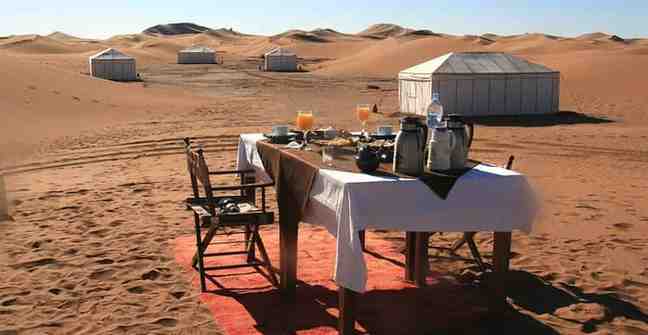
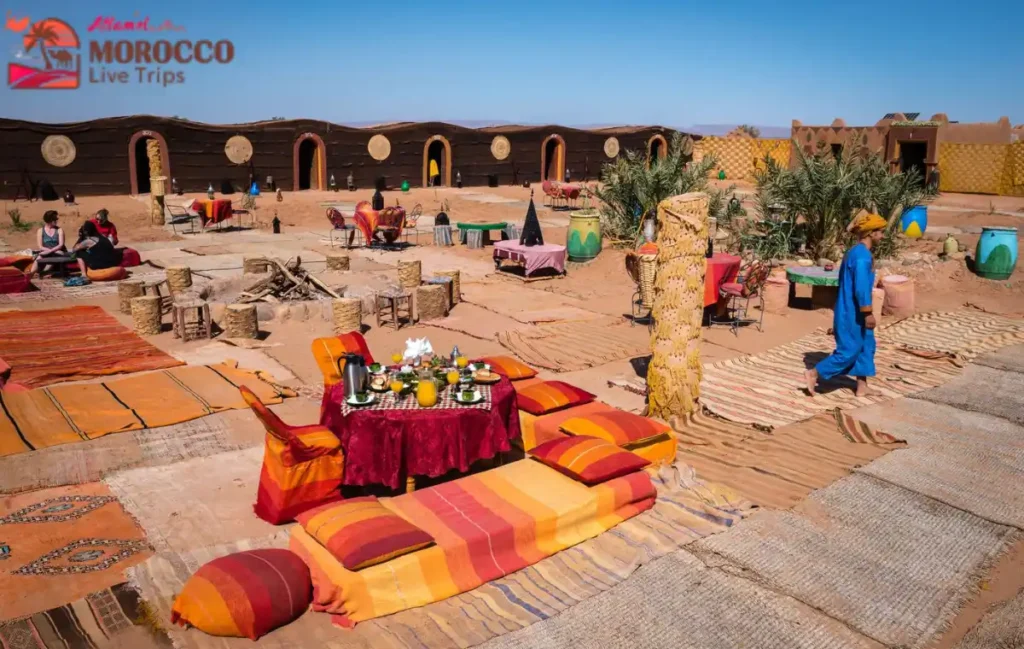
Camps range from “glamping” luxury to basic. Standard camps have private tents with real beds and mattresses—not sleeping bags thrown on sand. You get blankets and pillows. Bathrooms are separate buildings with actual toilets and sinks, though showers might be cold or non-existent depending on camp quality. Luxury camps add private attached bathrooms and hot water. Dinner is tagine or couscous served family-style at a big table. After eating, there’s usually drumming and singing around a fire. Sky is ridiculous at night because there’s zero light pollution. Temperature drops hard after sunset—winter nights hit freezing, summer nights stay warm. Bring layers regardless of season.
Day Three: Sunrise Then Long Drive Back
Wake-up call happens around 5:30-6am to catch sunrise. Color change happens fast—maybe 20 minutes from purple to orange to bright yellow. After breakfast, camels take you back to Merzouga. Then it’s basically retracing yesterday’s route back to Marrakech. Some tours stop at Atlas Film Studios in Ouarzazate on the way back. You reach Marrakech late—usually 7-9pm depending on traffic and how many photo stops the group wants. Three days involves roughly 12-14 hours total sitting in a vehicle.
Luxury Tours Cost More but Change Experience
Basic group tours use minibuses with 15+ people crammed in. You stop when the driver decides. Accommodation is budget riads and basic camps. Luxury Marrakech to Merzouga tours swap the minibus for a private 4×4, upgrade every hotel to 4-star, and give you a camp with actual amenities. Food quality jumps significantly. Your guide speaks better English and knows more history. You control the schedule—want to stop for photos? Just ask. Worth the extra cost if you hate group travel or have money to spend.
4-Day and 5-Day Versions Add Different Stuff
Four days usually means an extra night in Dades Valley so you can hike Todra Gorge properly instead of rushing through. Or you get two nights in the desert for both sunset and sunrise from different dune spots. Five days can add Chefchaouen (the blue city) or Middle Atlas mountains with cedar forests. Longer trips mean less driving per day—4-5 hours instead of 6-7. Better for kids or anyone who gets carsick easily. Trade-off is obviously more vacation days and higher total cost.
Ending in Fes Instead of Going Back to Marrakech
Tons of people book this as a one-way trip. Days one and two stay the same. Day three goes northeast through Ziz Valley (millions of date palms) instead of backtracking west. You cross Middle Atlas Mountains and drop into Fes by evening. Makes sense if you’re flying out of Fes or want to see northern Morocco next. Tours ending in Fes cost about the same as round trips. You see different scenery instead of repeating the same road.
Pack Smart Because Conditions Change Drastically
Even summer nights get cool in the desert. Winter nights drop below freezing. Pack layers you can add or remove T-shirts, long pants, warm jacket. Closed shoes are mandatory for camel riding and walking on hot sand. Sun protection is serious—SPF 50 minimum, hat, sunglasses. Sand ruins cameras if you’re not careful. Bring lens cleaning kit. Extra camera batteries matter since charging opportunities are limited. Small flashlights help at night navigating camp. Wet wipes substitute for showers since water is scarce. Cash for buying drinks and souvenirs—cards don’t work outside major towns.
What This Trip Actually Costs
Budget group tours start €120-140 per person but pack you into a minibus with 17 strangers and use the cheapest camps. Mid-range private tours run €180-250 with better vehicles, smaller groups, upgraded camps. Luxury private packages hit €350-500+ with high-end everything. These prices cover vehicle, driver, accommodations, breakfast and dinner, camel trek. They don’t include lunches (€8-12 per meal), bottled water throughout the day, tips for driver and guide (€5-10 per day standard), or anything you buy at stops. Most operators want 20-30% deposit upfront, rest paid before departure or cash to driver day one.
When to Book Based on Weather
March through May and September through November are prime months. Daytime temps around 25-28°C make everything comfortable. Nights are cool but not freezing. These months book up fast—reserve weeks or months ahead. December through February gets cold. Days around 18-20°C, nights can hit 0°C or below. Fewer tourists though, and Morocco Live Trips drops prices slightly. June through August is brutal—45°C+ during the day. Almost nobody books summer trips. If you handle extreme heat, you’ll have the desert mostly to yourself and get big discounts.
Cultural Stops Along the Way
Berber villages dot the entire route. People still speak Tamazight as their main language. Some tours stop at carpet cooperatives where women demonstrate weaving. These are real working cooperatives but yes, they want you to buy something. Some guides arrange tea at Berber family homes, so you see how thick earth walls keep houses cool in summer, warm in winter. Locals explain the old irrigation systems that move water from mountains to oases. You’ll notice kasbahs use mud brick because it’s free (just local earth) and insulates well. Arab architecture differs from Berber styles—guides point out these details if you ask.
Photography Works Best at Specific Times
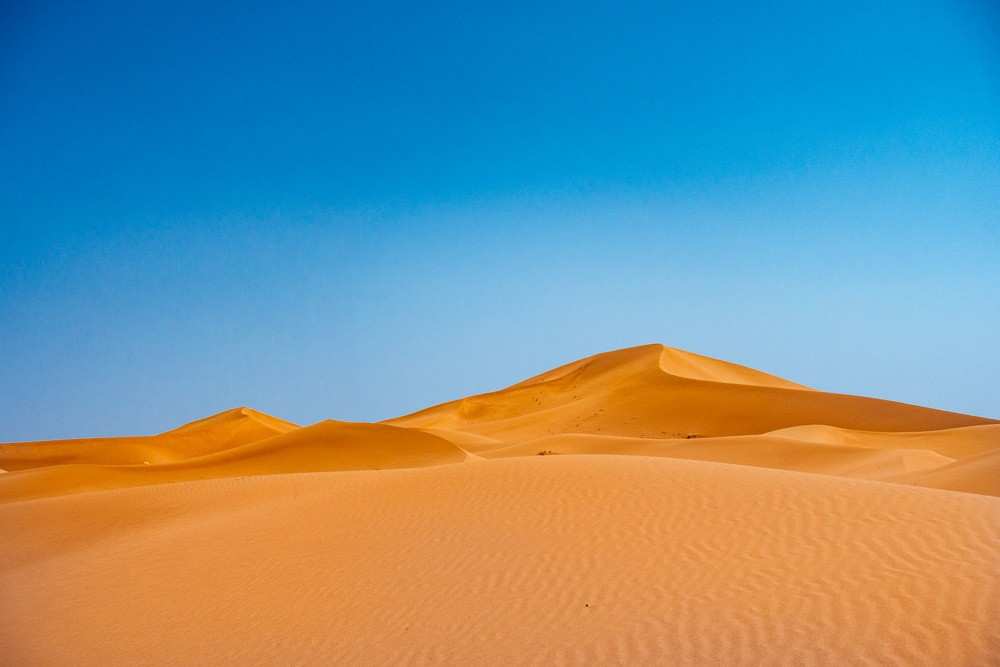
Golden hour is everything in the desert. Sunrise and sunset when the sun sits low create shadows across dune ripples. That’s when sand looks orange and textured. Midday sun washes everything out into flat yellow. At Ait Ben Haddou, morning light hits the front nicely. Afternoon backlights it. Todra Gorge is tough because high walls block direct sun—best light hits around 10-11am. Sand gets into every camera crevice despite your best efforts. Bring cleaning supplies. For people serious about photography, longer tours give you multiple mornings at different locations.
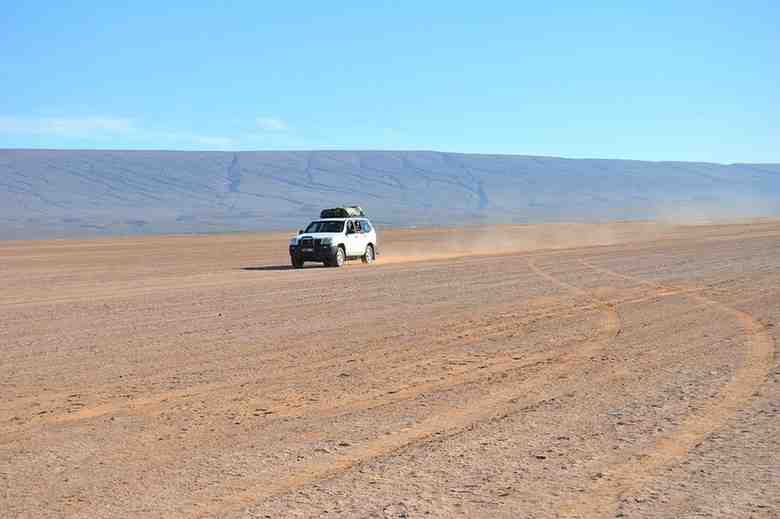
Budget tours use old minibuses. Mid-range and up use 4x4s—usually Toyota Land Cruisers or similar. All main roads are paved and decent quality, though mountain sections have tight curves and steep sections. No off-roading is required to reach Merzouga itself. Some optional viewpoints need 4×4 capability. Every vehicle has AC which you’ll need badly crossing desert sections in daytime. Drivers also act as guides—they know the route, speak basic English at minimum, handle navigation. Private tours usually let you request photo stops whenever you want. Group tours stop at set locations only.
Merzouga Versus Zagora and Chegaga Deserts
Morocco has three main desert options. Merzouga offers the biggest dunes (150m high) and most dramatic scenery—classic Sahara you’ve seen in photos. It’s far though, 9+ hours from Marrakech. Zagora is closer (6 hours) but dunes are smaller and less impressive. Chegaga is super remote with almost no development, but getting there requires hours of off-road driving that beats you up. First-timers usually pick Merzouga because it delivers that iconic desert look. Zagora works if you’re really time constrained. Chegaga suits people who want isolation over comfort.
Food Quality Varies by Tour Price
Breakfast at riads includes Moroccan breads, jams, honey, cheese, olives, juice, coffee or tea. Basic but fills you up. Lunches aren’t included tours stop at restaurants where you order off menu. Expect €8-12 for tagine or couscous. Dinner at desert camps serves traditional stuff: chicken or beef tagine, vegetable couscous, salad, bread, fruit. Portions are big. Mint tea appears constantly—refusing is rude, so drink at least one glass. Vegetarians need to tell operators ahead of time since standard meals are meat heavy. Most camps can do vegetarian tagines. Vegans have tougher times but it’s possible with advance warning.
Safety and Health Stuff to Know
Morocco’s tourism setup is established. Licensed operators carry insurance. Vehicles get safety checks. Drivers know mountain roads. Biggest health risk is dehydration—drink water constantly even when you don’t feel thirsty. Sunburn happens fast at altitude and in desert. Upset stomach sometimes occurs adjusting to food or water. Bring basic meds. Pharmacies exist in bigger towns (Ouarzazate, Tinghir) but not small villages or deserts. Travel insurance for medical emergencies makes sense. Roads are generally safe though mountain dropoffs are steep in places.
How Booking Actually Works
Most operators take bookings online or WhatsApp. You pick dates, group size, accommodation level. Deposit is 20-30% via bank transfer or PayPal. Rest gets paid before tour or cash to driver on day one. Confirmation email shows pickup time and location (your Marrakech hotel), driver contact, what’s included/excluded, cancellation policy. Read carefully. Good companies like Morocco Live Trips send detailed itineraries showing each day’s stops. You can ask questions or request changes before departure. Last-minute bookings work but limit your vehicle and camp choices.
What Reviews Actually Say About These Tours
Consistent feedback mentions guides know their stuff, Erg Chebbi dunes look better than expected, camps feel authentic without being miserable. Complaints usually involve budget operators with communication issues, people expecting luxury from basic tours, or weather problems. Travelers with mobility issues say operators accommodate them with 4×4 transfers instead of camels. Families report kids enjoy the adventure—camel riding, climbing dunes, tent sleeping. Solo travelers like the social vibe on group tours. Photo people specifically mention light quality and guides being patient about stopping for shots.
Other Tour Options Worth Comparing
Two-day Zagora trips work if you’re extremely time-limited and just want to say you saw desert. Ten-day tours combine desert with coast and other regions for full Morocco coverage. Four-day tours with two desert nights give more Sahara time for activities like sandboarding or quad bikes. Each option trades time against depth. Focused trips (like this 3-day) go deeper into specific areas. Multi-region tours cover more ground but less time per place.
Mental Side of Being in the Desert
The Sahara messes with your head because of how empty and quiet it is. Cell service dies in the dunes, so you’re disconnected. Some people love this; others freak out without phone access. There’s no city noise, traffic, nothing—just wind and camel bells occasionally. Take adjustment if you’re used to constant noise and stimulation. The scale of empty horizon affects people differently. Some find it peaceful, others unsettling. Minor schedule changes happen due to traffic, weather, and group dynamics. Being flexible versus rigid about plans improves your experience significantly.
Environmental Impact and Responsible Tourism
Sahara ecosystems are more fragile than they look. Responsible operators remove all waste from camps, handle sewage properly to protect groundwater, and limit group sizes. Supporting local businesses keeps money in communities instead of Marrakech companies taking it all. Water conservation matters—take quick showers, reuse towels. Don’t touch or disturb desert plants and animals. Skip products are made from protected species. Operators committed to sustainability and fair staff wages create positive tourism impact. Morocco Live Trips uses local guides and locally owned accommodations.
Pre-Trip Checklist You Actually Need
Confirm pickup spot and time 24 hours before. Marrakech hotels see hundreds of tour pickups daily clear coordination prevents missing your group. Withdraw plenty of cash since ATMs disappear after Ouarzazate. Charge all devices—power outlets exist at accommodations but aren’t guaranteed everywhere. If continuing to Fes, book next accommodation or transport ahead of time. Review insurance coverage again. Keep prescriptions in bag you carry, not separate luggage, since bags stay with you the whole tour. For international travelers, passport needs six months validity beyond your stay. Most nationalities don’t need Morocco visa but check your specific country.
Common Questions People Ask
Is the camel riding hard physically?
Not really. Camels do the work, you just sit. The 90-minute trek goes at walking pace. Getting on and off requires bending and balance but guides help. Camels kneel for boarding. Anyone with serious back problems should take the 4×4 transfer to camp instead—operators provide this free.
Can I skip camels and drive to camp?
Yeah. Every good operator offers 4×4 transport as alternative. This works for people with back issues, knee problems, or who just don’t want to ride camels. No price difference and guides don’t care which you pick.
What if weather turns bad during my tour?
Morocco’s desert is stable weather-wise, but sandstorms or winter rain happen occasionally. Operators have backup plans—modified routes, different accommodations, rescheduling if unsafe. Safety beats sticking to exact itinerary. Most tours go ahead even in light weather since camps handle various conditions.
Do solo travelers pay extra or can they join groups?
Solo travelers are fine on group tours at normal per-person price. Some operators add single supplements (€30-50) for private tents. Many offers shared tent options at standard rate, pairing you with same-gender solo traveler. Group tours attract lots of solos looking for affordable desert access.
How cold does it actually get at night?
Winter nights (December-February) drop to 3-5°C needing winter jacket and warm layers. Spring and fall nights run 10-15°C needing light jacket. Summer nights stay 20-25°C, comfortable with long sleeves. Camps supply blankets but bring your own warm layer for winter.
Is there wifi during the three days?
Most Dades Valley riads have wifi though speeds are slow. Desert camps sometimes offer limited wifi but it’s unreliable and slow. Cell service works in towns but disappears in mountains and completely in Sahara dunes. Plan on being offline for big chunks of the trip.
Can I change the standard itinerary?
Private tours allow extensive customization—longer stops at specific sites, different accommodations, additional activities like quad biking, adjusted pace. Contact operators before booking to discuss changes. Group tours follow fixed schedules with minimal flexibility.
What payment methods work?
Most take bank transfers for deposits and PayPal internationally. Some accept credit cards with 3-5% processing fees. Cash payment to driver day one works for balance. Euros, dollars, or Moroccan dirhams accepted. Bring close to exact amounts since drivers carry limited change.
Are there age limits?
No hard age rules. Tour suits kids 5+ who handle long car rides and camel trekking. Younger kids possibly but parents need to assess their tolerance. Elderly travelers complete these regularly with accommodations for mobility limits. Discuss specific needs when booking.
Should I end in Marrakech or Fes?
Depends on your overall Morocco plan. End in Marrakech if flying from there or heading south. End in Fes if going north to Chefchaouen or flying from Fes airport. Fes option eliminates backtracking and adds new scenery through Ziz Valley and Middle Atlas.
Ready to book?
Contact Morocco Live Trips for current 2025 pricing on your 3 day desert tour from Marrakech to Merzouga. Get detailed itinerary, vehicle options, and accommodation choices. Book direct for best rates and reliable service.