Step into a world where stories are carved in ancient walls, flavors tell tales of empires, and every handshake carries a piece of heritage. Morocco Culture & History Holidays by Morocco Live Trips invite you to travel beyond sightseeing, to live, taste, and feel the soul of Morocco.
From the maze-like medinas of Fes to the golden sands of the Sahara, each moment reveals the country’s fascinating blend of Berber, Arab, and Andalusian influences. Whether you’re wandering through imperial cities or sipping mint tea with locals in a mountain village, you’ll uncover centuries of culture shaped by hospitality, art, and adventure.
Join us for a journey where history breathes through every sunrise, and every traveler becomes part of Morocco’s living story.
Why Choose Morocco for a Culture & History Holiday?
Morocco isn’t just a destination, it’s a cultural masterpiece painted over 12 centuries of history. Few countries offer such a powerful mix of ancient heritage, natural beauty, and living traditions. It’s where you can explore medieval medinas by day and dine under Saharan stars by night.
Every region tells a different chapter: the Berber villages of the Atlas Mountains, the imperial splendor of Marrakech and Fes, and the desert fortresses of southern Morocco. Together, they form one unforgettable cultural mosaic.
A Crossroads of Civilisations – Arab, Berber & Mediterranean Influences
Morocco’s culture is a fusion born from centuries of connection. Berber roots run deep, seen in mountain villages and vibrant textiles, while Arab and Andalusian influences shape its architecture, language, and music.
Walk through a Moroccan souk, and you’ll hear Arabic, Amazigh, French, and English blending into a rhythm as colorful as the spices on display.
This diversity is Morocco’s true strength, a living example of coexistence, tolerance, and creativity. It’s what turns a simple stroll through the medina into a journey through time.
Landscapes that Tell a Story – From Atlantic to Sahara
Morocco’s landscapes are like pages in a history book. The coastal cities echo with tales of Phoenician traders. The Atlas Mountains preserve ancient Berber customs. And deep in the Sahara Desert, nomadic tribes still follow the rhythm of the dunes.
Each environment holds stories of survival, migration, and cultural exchange, making Morocco a living museum under the open sky.
A culture and history holiday here means more than sightseeing; it’s walking through centuries of human resilience and beauty.
Living Traditions – Crafts, Cuisine & Ceremonies
Morocco’s culture thrives not only in museums but in daily life. In the backstreets of Fes, artisans hammer brass, dye leather, and handcraft zellige tiles, using techniques passed down for generations. In Marrakech, food stalls sizzle with tagines, saffron, and fresh mint tea, turning mealtime into theatre.
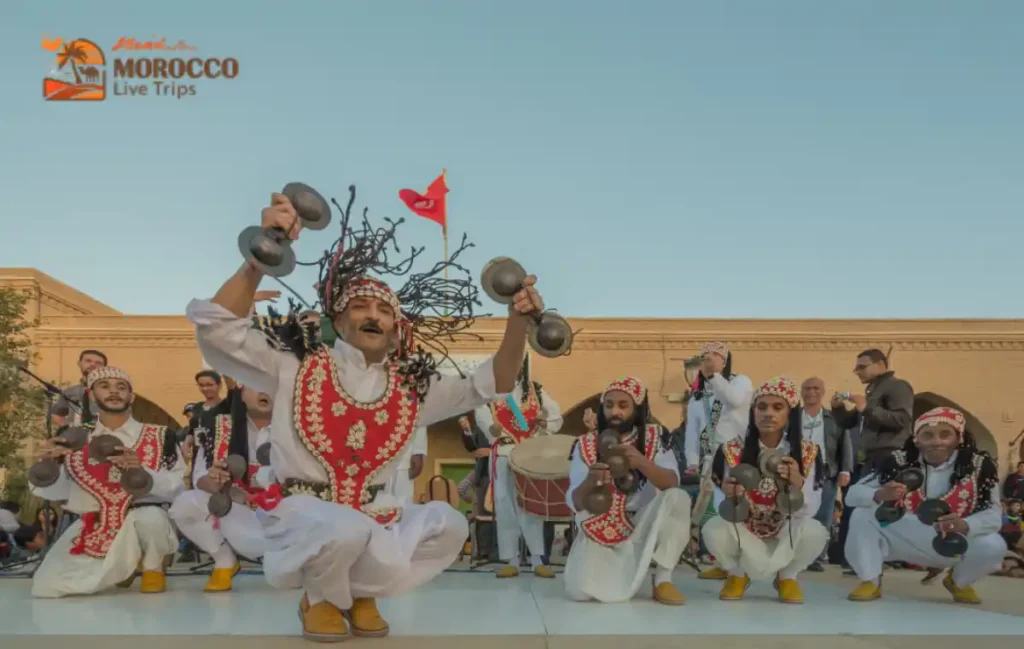
From weddings to souks, every celebration glows with music, rhythm, and warmth. Experiencing these living traditions firsthand transforms your trip into a story you’ll never forget.
Discover Morocco’s Rich Historical Heritage
Morocco’s story stretches back thousands of years, from prehistoric cave art to imperial dynasties that built world-famous cities. Every cobblestone, mosque, and kasbah carries echoes of empires, scholars, and artisans who shaped this vibrant land.
A Morocco culture and history holiday takes you through time, across UNESCO World Heritage sites, ancient trade routes, and royal palaces that once hosted poets, warriors, and explorers. Whether you’re a history lover or a curious traveler, each stop brings you closer to understanding Morocco’s identity, one rooted in pride, resilience, and beauty.
The Imperial Cities – Living Time Capsules
The four imperial cities — Marrakech, Fes, Meknes, and Rabat, represent Morocco’s golden eras.
- Fes: The spiritual and intellectual capital, home to Al Quaraouiyine, the world’s oldest university. Its medina is a maze of madrasas, souks, and mosques.
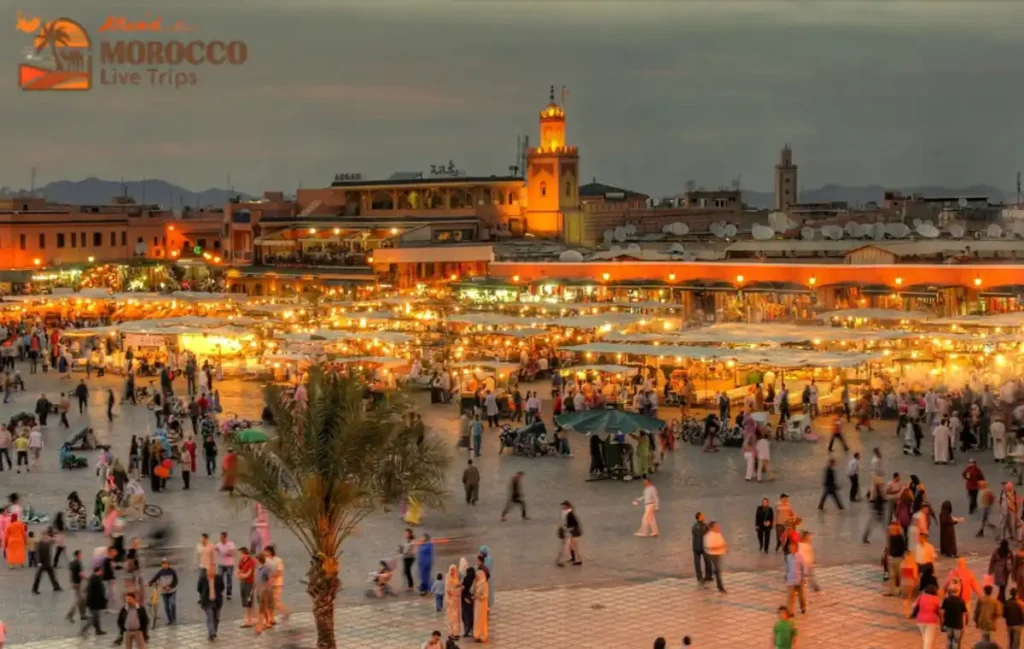
- Marrakech: Known as the “Red City,” its vibrant Jemaa el-Fnaa square still pulses with storytellers, snake charmers, and scents of saffron and rosewater.
- Meknes: A legacy of Sultan Moulay Ismail, filled with grand gates, stables, and walls that reflect 17th-century ambition.
- Rabat: The current capital and a blend of modern life with timeless architecture, home to the Hassan Tower and the Kasbah of the Udayas.
Visiting these cities is like walking through a living museum where history, art, and daily life intertwine seamlessly.
The Ancient Kasbahs and Caravan Routes
In the south, ancient fortresses known as kasbahs rise from the desert like guardians of time. The most famous, Ait Ben Haddou, is a UNESCO site and filming location for Gladiator and Game of Thrones. Built from mudbrick and sun, these fortresses once sheltered traders carrying gold, salt, and silk across the Sahara.
Following the old caravan routes from Marrakech to Ouarzazate and beyond gives travelers a tangible sense of Morocco’s place in global trade and culture.
Every arch and gate whispers of caravans, merchants, and explorers who once crossed continents guided by starlight.
Sacred Spaces and Timeless Architecture
Faith and artistry have long shaped Moroccan architecture. The ornate mosques of Fes and Marrakech, the Almohad minarets, and the blue-tiled madrasas are masterpieces of craftsmanship. The Koutoubia Mosque, Bou Inania Madrasa, and Hassan Tower showcase geometric precision and spiritual symbolism that define Moroccan design.
Exploring these sacred spaces isn’t just about history, it’s about feeling the spiritual heartbeat of a nation that balances devotion with creativity.
Cultural Experiences You Shouldn’t Miss in Morocco
A journey through Morocco isn’t just sightseeing, it’s a sensory experience. From the rhythmic beat of Berber drums in the desert to the aroma of saffron and mint tea, Moroccan culture draws you in through sound, color, and flavor. These cultural experiences transform your trip into a living story, one that stays with you long after you return home.
Moroccan Festivals and Celebrations
Throughout the year, Morocco bursts into celebration with vibrant festivals that honor its heritage, religion, and arts.
- Mawazine Festival (Rabat): One of the world’s largest music events, featuring global artists alongside traditional Moroccan performers.
- Fes Festival of World Sacred Music: An enchanting event that celebrates peace, spirituality, and unity through song.
- Imilchil Marriage Festival: A centuries-old Berber tradition where tribes gather for music, matchmaking, and community spirit.
- Eid al-Fitr & Eid al-Adha: Religious holidays marked with family feasts, prayer, and generosity.
Experiencing these festivals allows travelers to witness Morocco’s deep sense of community, spirituality, and joy.
Moroccan Cuisine – A Feast for the Senses
Moroccan food is a journey in itself, a flavorful blend of Berber, Arab, Andalusian, and French influences.
- Tagine: Slow-cooked stew flavored with saffron, cumin, and preserved lemons.
- Couscous Fridays: A family ritual symbolizing togetherness.
- Pastilla: Sweet and savory perfection, layers of pastry filled with spiced chicken and almonds.
- Mint Tea: Known as “Moroccan whisky,” it’s more than a drink, it’s a gesture of hospitality and friendship.
Traditional Music, Dance & Art
Morocco’s soundscape ranges from desert Gnawa rhythms to Andalusian melodies echoing through old medinas.
- Gnawa Music (Essaouira): A soulful blend of African and Islamic traditions, often performed with guembri drums.
- Berber Music & Dance: Celebratory beats performed at weddings and festivals.
- Andalusian Classical Music: Rooted in poetry, played in imperial courts for centuries.
Art, too, tells Morocco’s story, from colorful zellige mosaics to handwoven Berber carpets, every piece expresses identity and heritage.
Moroccan Handicrafts & Souks
Every souk in Morocco is a kaleidoscope of craftsmanship, brass lamps, handwoven rugs, leather bags, and painted ceramics.
- Fes: Known for fine leatherwork and mosaics.
- Marrakech: Famous for colorful souks and artisans.
- Chefchaouen: Renowned for blue pottery and woven blankets.
Visiting these markets isn’t just shopping, it’s supporting local artisans who preserve Morocco’s cultural soul.
Morocco’s Living Traditions and Local Life
Morocco’s culture is not confined to museums or festivals, it’s alive in the rhythm of daily life. The warm “salaam alaikum” greeting, the aroma of bread baked in communal ovens, and the artistry of the henna tattoo, all reflect a society rooted in hospitality and heritage. Experiencing Morocco means connecting with its people, who proudly blend tradition with modern life.
Moroccan Hospitality – A Warm Welcome Everywhere
Hospitality in Morocco is sacred. Whether you step into a riad, a desert camp, or a mountain home, you’re welcomed as family.
Guests are offered mint tea, a symbol of respect and friendship, poured gracefully from a height to mix flavor and air.
Moroccans believe that “a guest brings blessings,” and this genuine warmth makes every visit memorable. Sharing tea or a home-cooked meal is not just about food, it’s a moment of human connection.
Dress Code and Modesty in Morocco
Morocco’s fashion beautifully combines modesty with color and craftsmanship.
Locals often wear traditional garments like the djellaba (long robe with hood) and kaftan (elegant dress). In urban areas, modern and traditional styles blend effortlessly.
For visitors, it’s respectful to dress modestly, especially in rural areas and religious sites. Women can wear light long sleeves and loose pants; men should avoid sleeveless shirts in public.
Religion and Daily Life
Islam shapes Morocco’s cultural rhythm, from the call to prayer echoing across medinas to the traditions of Ramadan and Eid.
However, Morocco is also known for its tolerance and coexistence, with Jewish, Amazigh (Berber), and Arab influences enriching its spiritual mosaic.
Visitors are welcome to observe or learn about these customs respectfully. During Ramadan, for example, non-Muslims should avoid eating publicly during fasting hours, a small gesture that shows great respect.
The Berber (Amazigh) Heritage
Before Arabs, there were the Amazigh (Berber) people, the original inhabitants of North Africa. Their traditions, language (Tamazight), and symbols are still a vital part of Moroccan identity.
In villages, you’ll find ancient Amazigh tattoos, stone granaries, and music echoing through the Atlas Mountains.
Many Morocco tours include authentic Berber village visits, where travelers can share bread, stories, and music with locals, one of the most heartfelt experiences of any trip.
Planning Your Morocco Culture and History Holiday
A Morocco Culture and History Holiday isn’t just a vacation, it’s a journey into the soul of a nation where every city, monument, and landscape tells a story.
Whether you dream of exploring royal palaces, ancient medinas, or desert kasbahs, Morocco offers a blend of culture, comfort, and adventure that few destinations can match.
With Morocco Live Trips, every itinerary is handcrafted by local experts who know the real Morocco, beyond the guidebooks. We combine authentic encounters with seamless service, ensuring you travel deeply and meaningfully.
Best Time to Visit for Cultural & Historical Tours
Morocco is a year-round destination, but the best months for cultural and historical exploration are March to May and September to November, when the weather is pleasant and ideal for walking through medinas or visiting historical ruins.
- Spring (Mar–May): Perfect for city tours, gardens, and coastal escapes.
- Autumn (Sep–Nov): Great for desert tours, Atlas Mountains, and photography.
- Winter (Dec–Feb): Cozy time to explore Marrakech, Fes, and Chefchaouen with fewer crowds.
Top Destinations for Cultural & Historical Exploration
From medieval cities to desert kasbahs, here are Morocco’s most enriching stops for cultural travelers:
- Marrakech: The “Red City” — with Bahia Palace, Saadian Tombs, and bustling Jemaa el-Fna.
- Fes: The intellectual and spiritual capital — home to the world’s oldest university, Al-Qarawiyyin.
- Chefchaouen: The Blue Pearl — serene, photogenic, and rich in Andalusian charm.
- Meknes & Volubilis: Roman ruins and royal architecture.
- Rabat: The capital’s blend of modern life and historical majesty.
- Sahara Desert: Experience Berber culture, camel rides, and desert music under the stars.
Combine imperial cities with a Sahara desert stay to balance history with soul-stirring adventure.
What to Expect from a Culture and History Tour
A Morocco culture and history trip offers much more than sightseeing, it’s a full sensory experience:
- Guided tours with local historians and storytellers.
- Visits to museums, mosques, medinas, and monuments.
- Workshops in pottery, cooking, or calligraphy.
- Time with local families and artisans.
- Comfortable riad stays blending traditional design and modern luxury.
You’ll return home with a deeper understanding of Morocco’s identity, not just photos.
Morocco Culture and History Itinerary (7–10 Days)
Here’s a sample 10-day cultural and historical journey designed by Morocco Live Trips, blending iconic landmarks with authentic local encounters.
Every itinerary can be personalized based on your interests, comfort level, and travel dates, from royal cities to desert dreams.
Day 1–2: Arrival in Casablanca & Exploration of Rabat
Arrive in Casablanca, Morocco’s modern gateway. Visit the Hassan II Mosque, one of the largest in the world, overlooking the Atlantic.
Continue to Rabat, the capital, known for its calm vibe and UNESCO-listed sites like the Hassan Tower and Kasbah of the Udayas.
Overnight in Rabat.
Day 3–4: Fes – The Spiritual & Cultural Heart
Travel to Fes, a living museum of Moroccan heritage. Explore the medina of Fes el-Bali, with over 9,000 alleys, a UNESCO treasure.
Visit the Al-Qarawiyyin University, tanneries, and artisan workshops.
Evening option: Join a Moroccan cooking class or calligraphy workshop.
Day 5–6: Sahara Desert Adventure via Erfoud & Merzouga
Journey south through Middle Atlas villages and cedar forests before reaching the golden dunes of Merzouga.
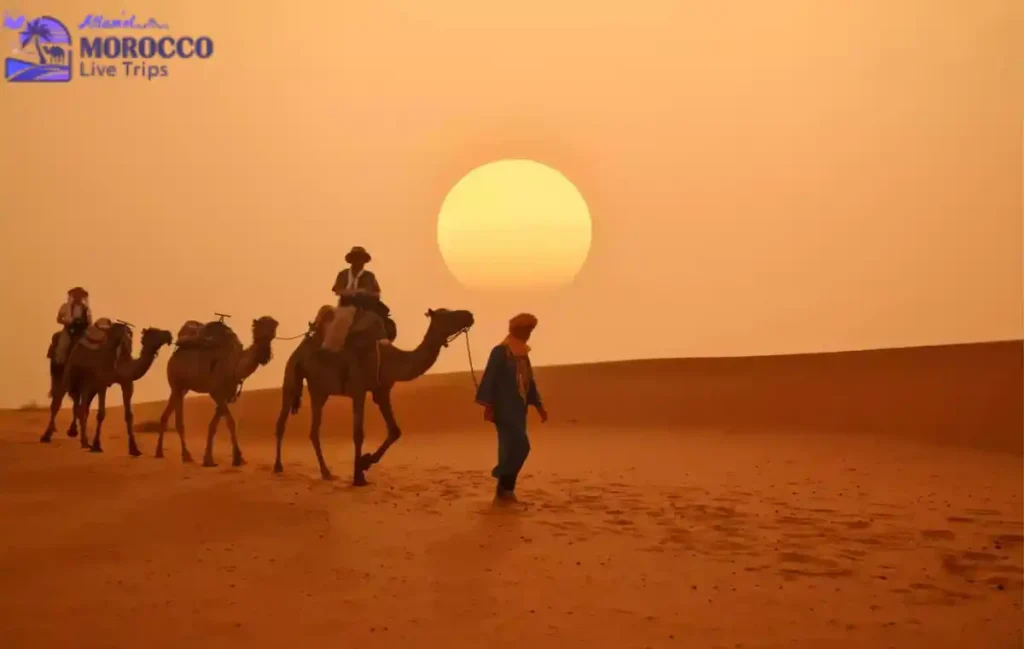
Ride camels into the desert as the sun sets, dine under the stars, and enjoy traditional Gnawa music around the fire.
Overnight in a luxury desert camp with ensuite tents.
Day 7–8: Ouarzazate & Ait Ben Haddou
Depart the desert toward Ouarzazate, known as the “Hollywood of Africa.” Visit Ait Ben Haddou, a UNESCO kasbah featured in Gladiator and Game of Thrones.
Explore Berber villages and ancient caravan routes that once connected Timbuktu to Marrakech.
Overnight in Ouarzazate or Skoura.
Day 9–10: Marrakech – The Red City
Arrive in Marrakech, the city of colors and contrasts. Discover Bahia Palace, Saadian Tombs, and the Majorelle Garden.
Evening in Jemaa el-Fna Square, alive with storytellers, dancers, and spice vendors.
Enjoy a farewell dinner with live Andalusian music, the perfect ending to your cultural journey.
Why Choose Morocco Live Trips for Your Cultural Holiday
Choosing the right tour company can make the difference between a simple vacation and a life-changing experience.
At Morocco Live Trips, we don’t just show you Morocco, we help you feel it, taste it, and live it. Every journey we design connects you to the country’s deep history, vibrant culture, and warm-hearted people.
Expertly Crafted by Locals Who Know Morocco Best
Our team is 100% Moroccan, passionate guides, licensed drivers, and expert planners who grew up among the dunes, medinas, and mountains you’ll explore.
We combine local insight with professional hospitality, offering experiences that tourists rarely find alone.
What sets us apart:
- Insider access to authentic cultural encounters
- Multilingual guides fluent in English, French, Spanish & Arabic
- Handpicked riads, kasbahs, and desert camps
- Flexible itineraries tailored to your pace
Cultural Immersion Beyond Sightseeing
We go beyond checklists, our tours are built for connection.
Whether you’re sharing mint tea in a Berber home, learning to cook couscous from a local chef, or walking ancient Roman ruins in Volubilis, you’ll live Morocco’s story firsthand.
We design each trip to help you:
- Discover Morocco’s living traditions
- Engage with local artisans and families
- Experience authentic hospitality, not staged tourism
Comfort, Safety & Seamless Travel
Every detail is managed with care, from airport pickup to hotel check-in.
Our modern vehicles, licensed drivers, and experienced tour leaders ensure safety, comfort, and peace of mind throughout your journey.
We’re also fully registered and insured, giving you complete confidence in your booking.
Frequently Asked Questions about Morocco Culture & History Holidays
What makes Morocco a great destination for cultural and historical travel?
Morocco’s blend of Arab, Berber, and Mediterranean influences creates a rich cultural landscape. You can explore ancient medinas, Roman ruins, royal palaces, and desert kasbahs, all in one trip.
Each region tells a different story, from imperial Fes to mystical Marrakech and the timeless Sahara.
How long should I plan for a Morocco Culture & History Holiday?
A 7–10 day itinerary is ideal to explore key destinations, Casablanca, Rabat, Fes, the Sahara, and Marrakech.
If you have more time, extend your journey to include Chefchaouen or Essaouira for a coastal and relaxed cultural touch.
Is Morocco safe for cultural tourists?
Yes. Morocco is one of North Africa’s safest destinations for travelers.
With Morocco Live Trips, you travel with licensed guides, insured vehicles, and a professional team dedicated to your comfort and safety.
Local communities are friendly and welcoming, especially to respectful visitors.
What kind of food will I experience on a cultural trip?
Expect rich, aromatic dishes like tagine, couscous, pastilla, and freshly baked Moroccan bread.
You’ll enjoy local meals in riads, street food in medinas, and tea ceremonies in desert camps — every bite tells a story.
Can I combine cultural exploration with desert or adventure tours?
Absolutely! Most travelers combine cultural tours with Sahara Desert experiences, Atlas Mountain treks, or coastal escapes in Essaouira.
It’s the best way to balance Morocco’s heritage with nature and adventure.
What’s included in a Morocco Live Trips cultural tour package?
Our packages typically include:
- Airport transfers
- Licensed English-speaking guide
- Private transportation
- Accommodation in riads or hotels
- Daily breakfast and selected dinners
- Entrance fees to key historical sites
Optional add-ons: desert camp upgrades, cooking classes, and photography tours.
What should I wear on a Morocco culture and history tour?
Dress modestly, especially in rural or religious areas.
Women: long skirts, pants, and light tops that cover shoulders.
Men: avoid sleeveless shirts.
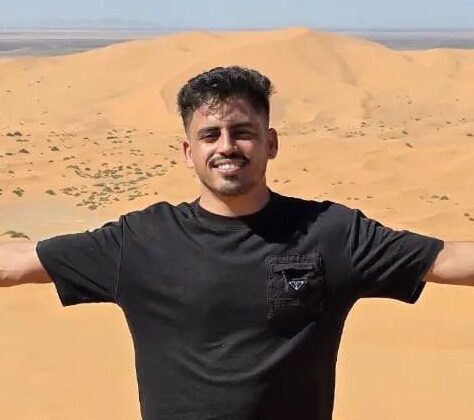
Moha BN is a Moroccan-born licensed tour guide with 10+ years of experience organizing cultural tours, Sahara Desert trips, and private itineraries across Morocco. He shares local travel insights, safety advice, and budget tips through Morocco Live Trips.