
Look, most tourists land at Casablanca’s airport and immediately bolt to Marrakech. Big mistake. Casablanca Attractions actually shine because Morocco’s largest city runs on business money, not tourism dollars. Walk around and you’ll notice French colonial buildings from the 1920s literally next door to shiny glass bank towers. The souls? Selling vegetables to residents—not fake “authentic” souvenirs. The Atlantic pounds the western edge constantly. Fast-paced. Urgent. Real. Some visitors hate this energy—they wanted postcard Morocco. Others appreciate finally seeing how things work here.
Why Casablanca Deserves Your Attention
Imperial cities basically became outdoor museums. Beautiful, yeah. Authentic? Debatable. Casablanca never bothered with that preservation game. Just kept evolving. Those crumbling Art Deco apartments from French times share streets with modern office towers where regular folks work desk jobs. Neighborhood markets serve locals buying dinner ingredients, not tourists hunting Instagram moments. Oceans always there. City pulses with commercial intensity missing from heritage-focused destinations. Want to see contemporary Morocco instead of historical Morocco? Come here. Not everyone appreciates the difference though.
Hassan II Mosque: Architectural Wonder on the Atlantic
Seven years of construction. Roughly $800 million spent. Holds 105,000 people when maxed out—25,000 inside, rest outside in courtyards. The minaret climbs 210 meters up. Visible from pretty much anywhere. Coolest part? Built partially over the ocean. Glass floor panels let you watch waves moving underneath during prayers. Roof opens for ventilation and natural light. Traditional Moroccan craftsmanship throughout—hand-done zellige tiles, carved cedar, marble everywhere. Unlike most Moroccan mosques that restrict entry to Muslims, this one welcome everyone through guided tours running all day in multiple languages.
| Feature | Details |
| Height | 210 meters (world’s tallest minaret) |
| Capacity | 105,000 worshippers total |
| Construction Period | 1986-1993 |
| Cost | Approximately $800 million |
| Special Feature | Retractable roof, laser beam pointing to Mecca |
| Tour Availability | Daily tours in multiple languages |
Old Medina: Authentic Urban Quarter
Casablanca’s medina runs way smaller than Marrakech or Fes versions. Better for it. Actual residents live and work here. Not a tourist attraction cosplaying as a neighborhood. Blue-trimmed white buildings. Narrow alleys where metalworkers hammer brass, seamstresses operate ancient sewing machines, spice vendors arrange red paprika mountains next to golden turmeric. Northern boundary hits the Atlantic—local fishermen casting off rocks, neighborhood kids playing dirt-patch soccer. Zero aggressive carpet-selling tactics. Just regular commerce proceeding regardless of tourist presence.
Ain Diab Corniche: Oceanfront Entertainment Strip
Multiple kilometers of Atlantic coastline turned entertainment district. After sunset hits, beach clubs, seafood spots, nightclubs, cafes pull in affluent locals and ocean-seeking visitors. Summer packs private beaches with families. Year-round though, the promenade stays busy with joggers and evening walkers. Western chains operating next to traditional Moroccan kitchens. Hotels with rooftop bars overlooking crashing waves. Best representation of modern Casablanca’s cosmopolitan character. Planning desert trips from Casablanca? The ocean-to-sand-dunes contrast differently.
Rick’s Café: Hollywood Legend Brought to Life
Hollywood filmed every “Casablanca” scene in California studios. Not one frame shot in actual Morocco. But Kathy Kriger opened Rick’s Café in 2004 because film fans kept searching for it. Recreated the movie set inside a renovated port mansion. Curved arches. White tablecloths. Corner piano. Vintage posters. Authentic? Nah. Effective? Absolutely. Menu mixes Moroccan dishes with Western options. Pianist cycles through “As Time Goes By” nonstop. Reservations essential—dinner service fills up quick.
Morocco Mall: Luxury Shopping Experience
Africa’s second largest mall. 600+ stores ranging from luxury fashion to local artisan stalls. But shopping’s just part of it. Walk-through aquarium housing sharks and rays. IMAX theater. Choreographed fountains. Dozens of restaurants, from tagine specialists to international chains. Architecture blends Moroccan design motifs into modern glass-and-steel structure. Local families colonize this place on weekends. Office workers populate cafes between shifts. Tourists exploit AC when midday heat peaks. Aquarium alone justifies the visit for families with monument-fatigued kids.
Habous Quarter: Planned Traditional District
French administrators built this in the 1930s as their idealized medina—wider streets, logical organization, uniform architecture. Navigating here beats the Old Medina’s chaos. Merchants focus on traditional crafts, vintage goods, leather, and hammered copper. Generally, less pushy sales tactics. Royal Palace exterior walls visible. Mahkama du Pacha courthouse displays elaborate traditional decoration. Bakeries produce honey-soaked pastries constantly. Good entry point before confronting more intense sounds elsewhere. Planning comprehensive cultural heritage journeys? Start here to calibrate expectations before hitting Fes or Marrakech bazaars.
Cathedral of the Sacred Heart: Art Deco Masterpiece
Decommissioned Catholic church representing premier Art Deco architecture from colonial times. Completed 1930. Merges European Gothic with North African decorative traditions. No religious services anymore—occasionally host art exhibitions, concerts, cultural events. Twin towers and intricate masonry define the exterior. Interior striped of liturgical furnishings but retains stunning stained glass. Documents colonial-era chapters and illustrate architectural experimentation defining early twentieth-century Casablanca development.
Parc de la Ligue Arabe: Green Urban Refuge
Thirty hectares. Maintained gardens, shaded paths, palm groves, decorative fountains. City’s biggest public green space. Families picnic here weekends. Fitness people circuit the perimeter. Exhausted sightseers collapse on benches under towering palms. Central location next to Cathedral and administrative buildings makes this convenient for midday refuge. Pace inside these gates runs way slower than surrounding traffic chaos. Shows urban life’s contemplative dimension where residents pause for landscaping and fresh air.
Mohammed V Square: Historic Heart
Monumental plaza functioning as administrative nucleus. Imposing French colonial buildings surrounding it—Prefecture, Courthouse, Central Post Office, French Consulate. Elaborate facades. Clock tower peaks. Moorish-inspired detailing demonstrates early twentieth-century urban-planning ambitions. Decorative fountains punctuating the space. Optimal atmosphere after sunset when architectural illumination activates and residents congregate on stone benches. Major transit intersection serving as practical meeting coordinate and navigational reference. Sidewalk entertainers, shoe-shiners, roaming vendors maintaining constant activity dawn through evening.
Central Market (Marché Central): Culinary Discovery
City’s culinary traditions concentrated under single roof. Ocean-fresh seafood commanding prime stall positions—makes sense given coastal geography. Produce vendors constructing rainbow pyramids from seasonal fruits, vegetables, fragrant herbs. Butchers, olive specialists, spice dealers completing sensory environment. Small grills ring perimeter, cooking whatever seafood customers purchase from interior vendors. Select fish, they chord it over coals within minutes, consume immediately for fractions of restaurant pricing. Reveals actual Casablanca consumption patterns. Mediterranean-Maghrebi culinary intersection happening daily. Dawn hours bring peak activity and optimal freshness.
Villa des Arts: Contemporary Cultural Space
Restored 1930s villa housing gallery space. Rotating exhibitions of contemporary Moroccan and international artwork. Champions emerging artists. Organizes cultural programming and skill-building workshops. Maintains permanent collection documenting modern Moroccan artistic evolution. Villa exemplifies refined colonial-period residential architecture. Gardens provide peaceful coffee-break spots between gallery rooms. Admission minimal or free—democratizes art access across economic demographics. Curious about contemporary Moroccan creative output beyond tourist-market crafts? Essential context here regarding where artists head conceptually.
Anfa District: Upscale Residential Area
Tree-canopied boulevards. Gracious villas. Diplomatic compounds. Designer boutiques. Where affluent residents maintain homes. Not conventional tourist territory but walking these streets provides perspective on modern Moroccan prosperity and urban planning evolution. Embassy buildings, exclusive clubs, international schools populating the district. Architectural styles spanning Art Deco mansions through contemporary glass structures. Reveals completely different socioeconomic realities than medina alleyways suggest. Documents about wealth stratification are present in any major metropolitan environment.
Planning Your Casablanca Visit Duration
One day covers primary highlights through strategic timing. Dawn starts at Hassan II Mosque. Old Medina before lunch crowds. Mohammed V Square and Cathedral mid-afternoon. Ain Diab Corniche for sunset finale. Compressed itinerary providing essential exposure without wasted intervals. Three days permits deeper engagement—museums, markets, neighborhood exploration, coastal excursions to rarely-touristed nearby towns. Window balancing thorough coverage with authentic daily pattern observation minus constant rushing. Considering extensive Morocco itineraries launching from Casablanca? Dedicate two or three days here before continuing inland.
Evening Entertainment Options
Darkness transforms urban character completely. Especially Corniche zones where clubs, lounges, eateries operate past midnight routinely. Morocco’s most permissive nightlife flourishing here—alcohol service, live sound, resident DJs, dance floors. Dress codes skewing European over traditional conservative. Crowds trending younger plus wealthier than other Moroccan cities. Calmer alternatives? Oceanfront seafood spots providing surf views. Traditional cafes dispensing mint tea alongside hookah pipes. Small family-run Old Medina restaurants serve authentic home cooking. Street vendors grill brochettes, boiling snails, frying sardines creating late-night eating options for adventurous palates.
Casablanca Compared to Marrakech
Marrakech dominates tourist routes but operates on fundamentally different principles. Marrakech preserves medieval fabric carefully immersive historical experience feeling like temporal displacement. Casablanca functions as working commercial engine where tourism comprises minor economic component. Pursuing authentic contemporary Moroccan existence, modernist architecture, Atlantic settings, thinner tourist concentrations? Generally, I prefer Casablanca. Prioritizing concentrated historical monuments, preserved traditions, developed tourist services? Favor Marrakech. Most visitors incorporate both. Extended tours linking major cities provide sensible geographic-cultural progressions.
Practical Considerations for Visitors
Mohammed V International Airport processes Morocco’s highest passenger volumes. Direct flights from European hubs, Middle Eastern capitals, African cities daily. Rail connections reach Rabat in sixty minutes, Marrakech in three hours, Tangier in five. Intercity buses extending to additional nationwide destinations. Metered taxis operating throughout urban limits—confirm meter activation before departure preventing later fare disputes. Winters bringing mild conditions. Summers generating intense heat. Spring and autumn deliver optimal temperatures for extended outdoor exploration. Arabic and French dominating street-level communication. English surfacing in tourist zones and upscale establishments. Moroccan dirhams remaining mandatory currency. ATMs are abundantly distributed. Credit cards accepted modern businesses, rejected traditional markets.
Connecting to Broader Moroccan Exploration
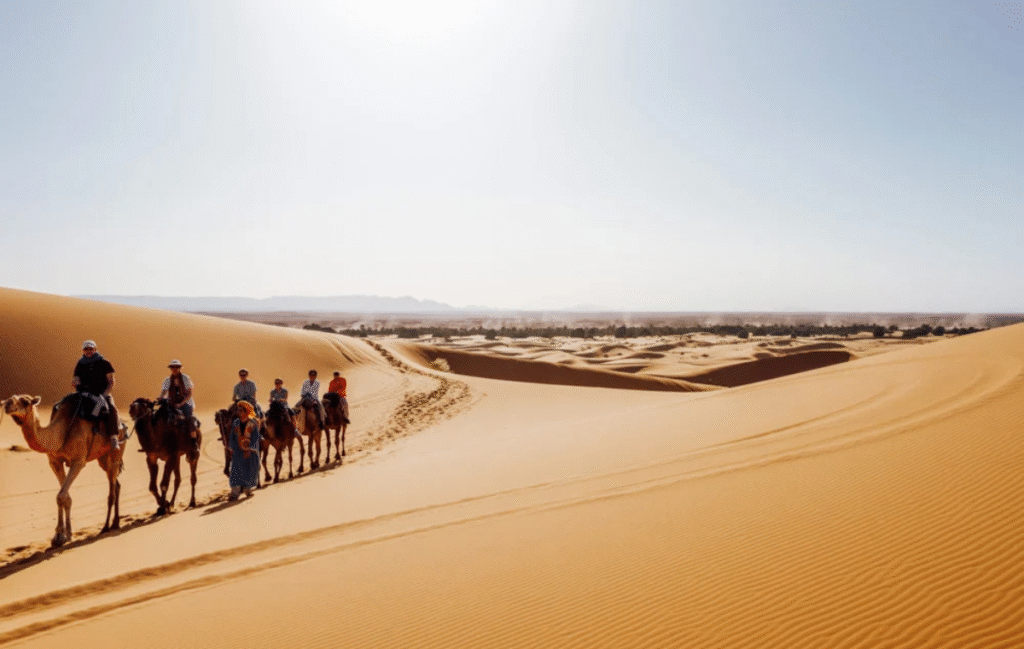
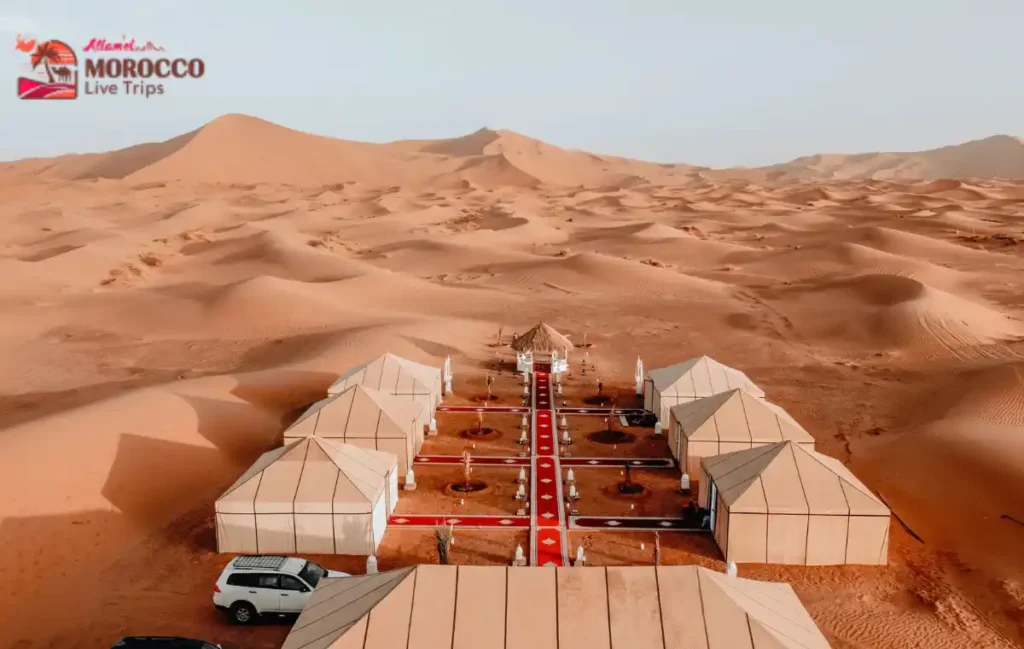
Casablanca is serving effectively as launchpad for geographic-cultural diversity exploration. Day excursions reaching Rabat’s governmental landmarks, El Jadida’s Portuguese fortifications, coastal fishing villages rarely encountering international visitors. Extended trips connecting to Chefchaouen’s azure alleyways and Fes’s medieval medina. Desert expeditions departing toward Merzouga’s towering sand formations. Organized packages eliminating transportation complexity, injecting cultural interpretation enhancing unfamiliar environment comprehension. Pursuing family-suitable desert adventures or exclusive 4×4 Atlas expeditions? Casablanca’s position is convenient, logistically efficient for launching multi-day journeys.
Unique Experiences Beyond Standard Sightseeing
Head Old Medina’s northern boundary. Fishermen auctioning fresh catches straight off boats—zero intermediaries, just seafood and haggling. Observe Habous Quarter carpet auctions. Dealers bid handwoven textiles through rapid-fire Arabic exchanges. Touring artisan workshops. Craftspeople producing traditional goods using techniques passed through family generations. Participating in cooking workshops starting morning market shopping, culminating communal consumption of prepared tagines and couscous. Activities generating direct resident contact. Exposing cultural practices invisible to standard monument-hopping itineraries. Culturally focused heritage expeditions integrating these authentic encounters. Manufacturing memories transcending simple photograph accumulation.
Visitor Support and Planning Assistance
Navigating sprawl, decoding transportation networks, timing activities appropriately challenges first-timers lacking Arabic or French fluency. Local knowledge maximizing constrained schedules, bridging language gaps, unlocking experiences independent travelers typically overlook. Professional operators construct structured frameworks while preserving spontaneous discovery flexibility. Assembling ten-day northern Morocco circuits departing Casablanca or requiring twenty-four-hour guidance? Connecting knowledgeable local specialists dramatically improves outcomes. Customized planning assistance covering Casablanca exploration or broader adventures? Reach our coordination team discussing arrival dates, particular interests, specific requirements.
Frequently Asked Questions
What is Casablanca best known for?
International recognition stemming from Hassan II Mosque, position as Morocco’s financial-commercial capital, French colonial Art Deco architecture, association with Hollywood classic sharing its name.
Is Casablanca worth visiting?
Value existing for travelers interested in contemporary urban life, modernist architecture, authentic city experiences, Atlantic coastal settings. Though lacking dense historical monument concentration of Fes or Marrakech, provides unique perspectives on economic development and cultural complexity.
What is the #1 tourist attraction in Morocco?
Marrakech’s Jemaa el-Fnaa square typically claiming highest single-site visitor numbers. Though Hassan II Mosque, Fes medina, Chefchaouen’s blue streets, Sahara experiences all generating substantial international traffic.
Is 2 days enough in Casablanca?
Two days adequately covering major monuments while permitting neighborhood exploration, market wandering, unhurried dining. Duration balancing efficient landmark coverage with urban atmosphere absorption beyond frantic checklist completion.
Are there family-friendly activities in Casablanca?
Multiple options accommodating families—Morocco Mall aquarium, Ain Diab Corniche beach clubs, Parc de la Ligue Arabe green space, organized family-appropriate excursions designed various age ranges.
When is the best time to visit Casablanca?
Spring months (March-May) and autumn period (September-November) deliver comfortable temperatures, minimal precipitation, and pleasant outdoor activity conditions. Summer generates heat but activating beach culture. Winter maintaining mild temperatures relative northern latitudes.
How does Casablanca connect to desert tour departures?
Though Marrakech serving as primary Sahara expedition launch point, Casablanca providing direct desert access through organized transportation and multi-day packages combining coastal-interior destinations.
What should I wear when visiting religious sites?
Hassan II Mosque mandating modest clothing covering shoulders-knees all genders. Women carrying headscarves—mosque supplying temporary coverings when necessary. Footwear removal occurs before entering prayer spaces.
Final Thoughts on Exploring Casablanca
Casablanca rewards visitors approaching minus Hollywood expectations or unfavorable imperial city comparisons. Working metropolis delivering authentic contemporary society snapshots, architectural diversity spanning multiple eras, coastal beauty complementing inland landscapes. Squeezing highlights into airport-layover day or dedicating multiple thorough exploration days? City contributing distinct Morocco comprehension dimensions. Assistance crafting optimal visits or coordinating broader exploration? Contact planning specialists grasping both attractions and logistics enabling smooth discovery.

Moha BN is a Moroccan-born licensed tour guide with 10+ years of experience organizing cultural tours, Sahara Desert trips, and private itineraries across Morocco. He shares local travel insights, safety advice, and budget tips through Morocco Live Trips.