Experience the magic of Morocco’s golden dunes without breaking the bank—discover 7 proven ways to save big on your 2025 Budget Sahara Desert Tour from Marrakech while enjoying authentic Berber hospitality and breathtaking desert landscapes.
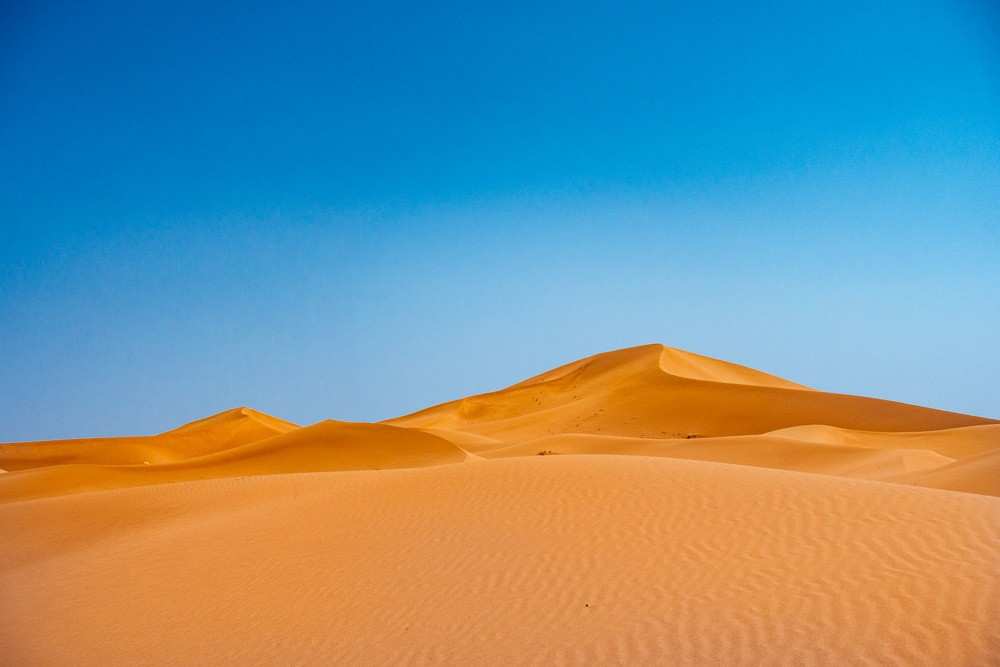
Morocco’s Sahara isn’t reserved for travelers with fat wallets anymore. The landscape stretches 560 kilometers from Marrakech—mountains giving way to valleys, valleys flattening into pre-desert plains, then suddenly those massive dunes appear on the horizon. Tour companies cracked the code on making this accessible. Split costs among eight travelers sharing a Land Cruiser. Use traditional Berber camps that cost nothing to heat or cool. Buy vegetables in bulk from valley markets. Result? Authentic desert immersion at prices backpackers can afford.
How Budget Tours Actually Function
Economics drives everything here. Eight people splitting vehicle fuel costs eight directions instead of one person carrying the whole burden. Traditional tent camps require minimal maintenance compared to concrete structures demanding electricity and water systems. Group cooking for twenty people costs less per plate than individual meals. These aren’t corners being cut, these represent smart operational decisions that maintain experience quality while dropping per-person expenses. Standing atop Erg Chebbi’s 150-meter dunes watching sunrise doesn’t require marble bathrooms back at camp.
Two Days Gets There and Back
Weekend warriors get their chance through the two-day Marrakech-Merzouga sprint. Departure happens before sunrise—vans rolling out while most tourists sleep off tagine dinners. The High Atlas crossing through Tizi n’Tichka pass hits 2,260 meters elevation with hairpin turns that wake everyone up fast. Ait Ben Haddou stops traffic literally because UNESCO kasbah earned its fame through dozens of Hollywood productions. Gladiator filmed scenes there. Lawrence of Arabia too. Game of Thrones used those walls extensively. The quick two-day route covers serious distance but delivers camel treks and desert camping before heading back.
Three Days Changes the Equation
That extra 24 hours transform everything. Dades Valley opens with rock formations twisted into impossible shapes—geology run wild. Todra Gorge rises next, limestone cliffs shooting 300 meters straight up with gaps so narrow sunlight barely reaches bottom except midday. Three days allows stopping at Berber villages for actual conversations instead of quick photos. Carpet weavers demonstrate their craft. Clay ovens produce fresh bread with that smell that it is impossible to replicate elsewhere. The three-day package adds maybe fifty bucks but doubles the value because rushed schedules disappear completely.
Four Days Covers Both Ends
Marrakech-to-Fes circuits make sense for travelers heading north anyway. Backtracking 560 kilometers wastes time and money when routes can push forward instead. Four days includes both major dune systems, Erg Chebbi and Erg Chigaga. Erfoud appears mid-route, that fossil town where workshops sell everything from trilobites to actual dinosaur teeth. Ziz Valley stretches forever with palm trees flanking roads for kilometers. Landscape shifts dramatically crossing Middle Atlas where wild Barbary macaques populate cedar forests. The extended circuit uses travel time efficiently while displaying Morocco’s geographic insanity.
Zagora Serves Tight Schedules
Distance from Marrakech to Zagora drops to 350 kilometers. Dunes there top out around 20-30 meters versus Merzouga’s 150-meter giants. But sand exists. Sunsets happen. Stars appear. Camels function the same. The Zagora alternative cuts travel nearly half, saving money through reduced distance. Some travelers test desert camping here before committing to longer Sahara journeys. Others just need whatever fits their schedule constraints.
| Days | Price Range | Distance | Best Months | Group Numbers |
| 2 | $120-180 | 1,120 km | Oct-Apr | 8-12 |
| 3 | $180-250 | 1,120+ km | Sep-May | 6-10 |
| 4 | $240-340 | 1,400 km | Year-round | 6-15 |
Pricing Shifts Throughout Year
October through April brings perfect weather and maximum prices because everyone targets those months. September and May qualify as shoulder periods—temperatures stay comfortable, rates drop 20-30%. Summer months June-August? Operators practically beg for bookings. Discounts sometimes hit 40% off peak pricing. The catch involves temperatures regularly exceeding 43°C during midday hours. Heat tolerance varies wildly between individuals. Some handle it fine. Others regret making decisions by one noon day. Checking climate information matches personal heat thresholds against potential savings.
Standard Package Contents
Transportation from Marrakech in air-conditioned vehicles—Toyota Land Cruisers for smaller groups, Mercedes vans for bigger ones. One desert night with camp accommodation, dinner, breakfast. Camel trekking to dunes and back. Multilingual guides handling English, French, Spanish, sometimes German. Fuel expenses. Luggage handling. That covers standard inclusions. What’s missing? Lunch stops at roadside places. Beverages beyond basic water. Staff tips. Optional stuff like quad bikes or sandboards. Budget roughly $30-40 extra for meals across multi-day tours.
Group Tours vs Private Options
Standard budget setups mix strangers into 6-15 person groups. Everyone shares vehicle expenses, creating rock-bottom per-person costs. Schedules stay fixed. Stops happen according to itinerary. Zero flexibility exists. But most budget-focused travelers prioritize savings over customization. Private tours jump 40-60% higher but allow customized routes, timing flexibility, extra photo stops. Groups hitting 4-6 people find private 4×4 arrangements suddenly competitive with shared pricing while delivering personalized experiences impossible among twelve strangers.
Desert Camp Real Conditions
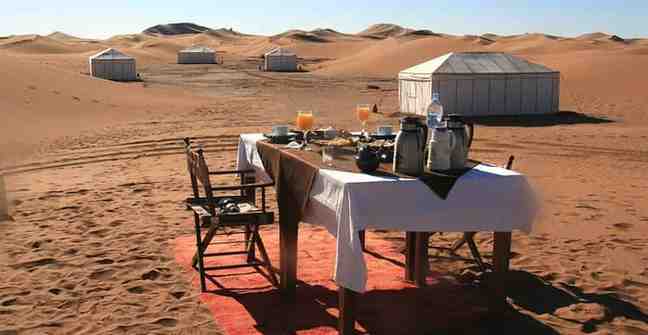
Budget camps feature traditional Berber tents—canvas over wooden frames. Inside: actual mattresses, clean linens, pillows, thick blankets for cold desert nights. Shared bathrooms occupy separate structures with hot water showers plus western toilets. Communal dining handles evening meals family-style. Campfires burn after dark with Berber musicians performing traditional pieces. Camps lack tent electricity, private bathrooms, WiFi connectivity. Cleanliness standards stay high though, and authentic atmosphere beats luxury operations trying too hard to recreate nomadic life while charging triple rates.
Food Throughout Journeys
Moroccan cooking shines during these trips. Dinners center on tagines—clay pot stews mixing meat, vegetables, preserved lemons, olives, slow-cooked with generations-old spice combinations. Fresh bread arrives straight from camp ovens. Salads use local vegetables. Breakfasts include msemen (Moroccan pancakes), jam, cheese, eggs, orange juice squeezed that morning. Lunch stops hit roadside restaurants running $8-12. Friday lunches often showcase couscous—Morocco’s traditional Friday dish. Vegetarians get accommodated easily with advance warning. Vegan or gluten-free requirements prove trickier in remote desert zones.
Camel Riding Facts
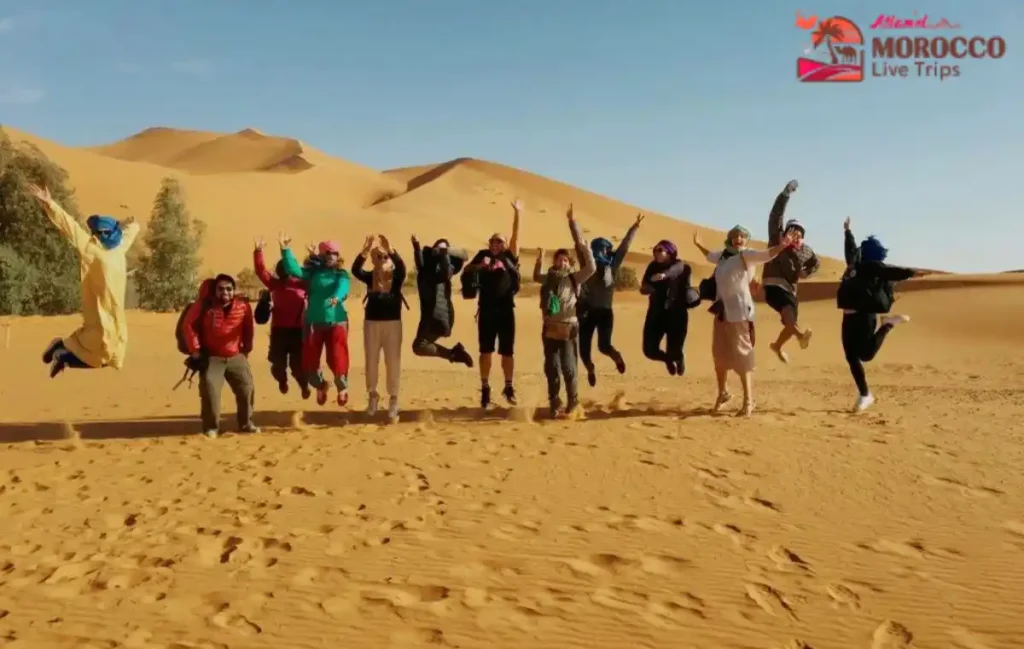
Camel treks run 60-90 minutes, timed for sunset viewing from highest dunes. Each person gets one camel plus handler walking alongside. The swaying motion feels strange initially—camels move both right legs together, then both left legs. Adjustment takes maybe ten minutes. Then watching desert colors transform as sun drops. Orange shifts to gold shifts to pink shifts to purple. Sometimes red appears. Anyone uncomfortable with camels takes 4x4s directly to camps. No judgment happens, no extra charges, no pressure applied.
Vehicle Standards Matter
Budget operators run proper vehicles, not rust buckets surviving on hope. Toyota Land Cruisers dominate for proven reliability on both highways and desert tracks. Mitsubishi Pajeros work equally well. Larger groups get Mercedes Sprinters. Everything includes functioning AC because crossing pre-Saharan plains at 42°C without air conditioning constitutes pure torture. Drivers know every curve after thousands of trips. Vehicles carry first aid equipment, spare tires, extra fuel, satellite communication. Moroccan tourism laws require insurance and regular mechanical checks regardless of pricing tiers.
Smart Booking Beats Last Minute
Reserve tours weeks ahead, especially October-April travel. Last-minute bookings rarely find space during peak season, and when available, prices spike upward. Most operators want 20-30% deposits holding reservations. Balance comes due at tour start. Before committing, verify exact inclusions. Some quote per person, others per group. Cancellation policies swing wildly between operators. TripAdvisor or Google reviews reveal which companies deliver promises versus over-promising. Direct contact through booking systems allows discussions to meet specific requirements and potentially negotiate group rates for four-plus parties.
Expense Reduction Tactics
Several strategies trim costs noticeably. Book directly with local operators instead of hotel concierges or international platforms—eliminates 25-40% commission fees. Travel shoulder season for weather better than summer at prices lower than peak winter. Join tours on popular departure days when groups fill easily, avoiding solo traveler supplements. Pack snacks plus water bottles for daytime portions, reducing restaurant stops. Understanding staff tips remain optional (though 10-15% of tour cost split among guides and drivers is customary) prevents budget surprises at trip’s conclusion.
Family Considerations
Kids aged six generally handle these tours fine. The family packages adjust menus for picky eaters, shorten camel rides, add frequent rest stops. Children under twelve often qualify for discounted rates. Operators arrange family tents to sleep for four or five instead of standard two-person configurations. Educational aspects—experiencing completely different cultures, landscapes, lifestyles—create memories outlasting any theme park. Physical demands stay moderate. Kids need reasonable fitness for 8–10-hour travel days and sand walking, nothing extreme though.
Safety Never Compromised
Budget pricing doesn’t mean cutting safety corners. Moroccan law applies identical regulations to all operators. Vehicles get inspected regularly. Drivers hold commercial licenses plus comprehensive insurance. Emergency protocols exist for medical situations—satellite phones connect hospitals; evacuation plans cover serious injuries. Travelers should bring sun protection, maintain constant hydration, inform guides about health conditions beforehand. Travel insurance covering medical emergencies and trip cancellations runs maybe $30-50 for week-long trips through standard providers. Peace of mind beats gambling on nothing going wrong.
Multi-Region Combinations
Lots of travelers bundle desert portions with other Morocco destinations. A ten-day circuit might hit Sahara plus Essaouira beaches, Fes medieval medina, Chefchaouen’s blue-washed buildings, Meknes imperial sites. Package deals combining multiple regions often cost less daily than booking separate independent tours. Logistics get handled by single operators instead of coordinating between multiple companies. Transfers happen efficiently without redundant backtracking consuming time and money.
Morocco Live Trips Differentiators
Some operators just check boxes. Others care about delivered experiences. Fixed departure schedules mean tours run as promised—no last-minute cancellations when bookings run light. Local guides bring genuine knowledge instead of memorized scripts lacking depth. Company-owned vehicles maintained to consistent standards beat relying on leased vans with unknown maintenance histories. Desert camp partnerships get vetted for cleanliness and authenticity rather than choosing whoever offers biggest commission splits. These operational details separate memorable trips from disappointing ones regardless of price paid.
Extended Camel Journeys
Standard tours camp near established sites with twenty other tents nearby. Overnight camel expeditions venture deeper into Erg Chebbi, camping nomadic style under open sky far from other tourists. These journeys require more physical endurance and comfort flexibility. The payoff? Absolute solitude. Stars so bright they cast shadows. Silence is broken only by wind moving sand grains. Still priced within budget tour ranges while delivering experiences impossible at regular camps surrounded by dozens of other groups.
Targeted Upgrades Within Budgets
Not everything needs upgrading, but strategic improvements work sometimes. Luxury desert camps feature private tent bathrooms, superior mattresses, and multi-course dinners. Hybrid packages exist—budget pricing for transportation and sightseeing combined with upgraded accommodations. Costs may be double versus full luxury tours that triple expenses. Good middle ground for travelers wanting enhanced comfort without completely breaking budgets.
Weather Patterns and Packing
December through February brings cold nights requiring warm layers even though daytime temps hover around 18-24°C. Spring and fall deliver ideal conditions—moderate temperatures, minimal precipitation. Summer means brutal midday heat regularly hitting 45°C. Light breathable clothes become essential. Comfortable walking shoes matter more than hiking boots for most tours. Wide-brimmed hats beat baseball caps. Quality sunglasses protect against intense glare off sand surfaces. Cameras need dust protection—desert sand infiltrates everywhere and wrecks electronics quickly.
Cultural Respect Basics
Conservative dress shows respect in traditional villages—shoulders and knees covered. Always ask permission before photographing people. Small tips of 10-20 dirhams work when subjects agree to photos. Learning basic Arabic greetings opens doors literally and figuratively. “Salam alaikum” (peace upon you) and “shukran” (thank you) go surprisingly far with minimal effort. These small gestures transform interactions from transactional tourism into actual cultural exchange, even during brief encounters at village cooperatives or roadside markets.
Casablanca Starting Alternative
Not everyone flies into Marrakech. Desert tours from Casablanca suit travelers arriving through Morocco’s main international airport. Casablanca itself deserves exploring—Hassan II Mosque ranks among world’s largest, Corniche waterfront buzzes constantly, various landmarks and activities fill half-day itineraries easily. Starting from Casablanca adds maybe 2-3 hours travel time versus Marrakech departures but works perfectly for certain flight routes.
Comprehensive Morocco Planning
First-time visitors often feel overwhelmed by Morocco’s size and variety. Atlantic beaches. Sahara dunes. Atlas Mountains. Imperial cities. Mediterranean coast. Berber villages. A structured 10-day plan balances these elements without constant rushing between locations. Multi-destination packages frequently cost less than booking separate tours for each region independently. Single operators handling all logistics, transfers, accommodations through established networks eliminates coordination headaches and reduces overall expenses through operational efficiencies.
Finalizing Reservations
Browse available departure dates matching travel plans. Decide between quick two-day tours, balanced three-day options, or comprehensive four-day circuits. Contact operators through reservation channels to discuss specific needs, clarify inclusions, confirm pricing applies per person versus per group. Small deposits hold spots. Early booking secures better rates and guarantees availability, especially October through April when tours sell out weeks ahead. Peak season requires planning months in advance. Shoulder and summer seasons offer more last-minute flexibility.
Frequently Asked Questions
What do budget Sahara tours from Marrakech actually cost?
Two-day tours run $120-180, three-day packages $180-250, four-day circuits $240-340. Prices fluctuate based on season, group size, specific inclusions. Shoulder season delivers best value—good weather at 20-30% below peak rates without summer’s extreme heat.
How do Merzouga and Zagora compare as destinations?
Merzouga features spectacular Erg Chebbi dunes towering 150 meters high, requiring 9-10 hours from Marrakech. Zagora sits closer at 6-7 hours with smaller dunes around 20-30 meters but provides authentic Sahara experiences at lower costs for time-limited travelers wanting desert immersion.
Do budget tours maintain proper safety?
Reputable operators follow identical safety protocols regardless of pricing. Moroccan regulations apply uniformly across all companies. Vehicles get inspected regularly, drivers hold commercial licenses, insurance covers passengers, emergency protocols exist for medical situations. Budget means fewer luxury amenities not compromised safety standards.
Can solo travelers safely join group tours?
Solo travelers commonly join small groups with experienced guides. Shared group dynamics often enhance experiences through diverse perspectives and camaraderie developed over days together. Many solo travelers cite desert tours as trip highlights for both safety and social aspects of shared adventure.
What items belong on packing lists?
Comfortable walking shoes, layered clothing for temperature swings, sun hat, quality sunglasses, SPF 50+ sunscreen, camera with dust protection, small daypack, headlamp or flashlight, basic toiletries, prescription medications. Most other necessities are provided by tour operators.
Are meals included in packages?
Dinners at desert camps and following-morning breakfasts come included in tour packages. Lunches at roadside restaurants during travel days remain self-paid at roughly $8-12 per meal. Vegetarian options accommodate easily with advance notice to operators.
What fitness level does tours require?
Moderate activity suitable for reasonably fit individuals. Longest days involve 8-10 hours of vehicle travel with regular stops for stretching and photos. Camel rides last 60-90 minutes. Walking on sand requires some effort but no specialized fitness or training.
Do tours work for families with children?
Children aged six and up typically handle tours well with minor accommodation. Operators provide appropriate meals, shorter camel rides, frequent breaks. Family tents accommodate groups together. Discounted rates often apply for kids under twelve years old.
The Sahara Desert reveals itself to anyone willing to venture beyond comfortable hotels into spaces where nature commands everything. Budget tours democratize access to these landscapes, proving unforgettable adventures don’t require unlimited funds or luxury spending. Careful operator selection, realistic expectations, strategic timing—these practical considerations transform desert dreams into achievable reality for travelers across all economic circumstances. The ancient dunes welcome all visitors equally, offering sunrises that paint sand gold, nights where stars outnumber all human concerns, moments of absolute silence broken only by wind reshaping dunes grain by grain across centuries.
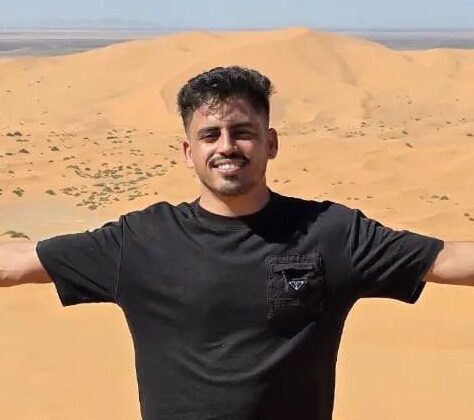
Moha BN is a Moroccan-born licensed tour guide with 10+ years of experience organizing cultural tours, Sahara Desert trips, and private itineraries across Morocco. He shares local travel insights, safety advice, and budget tips through Morocco Live Trips.