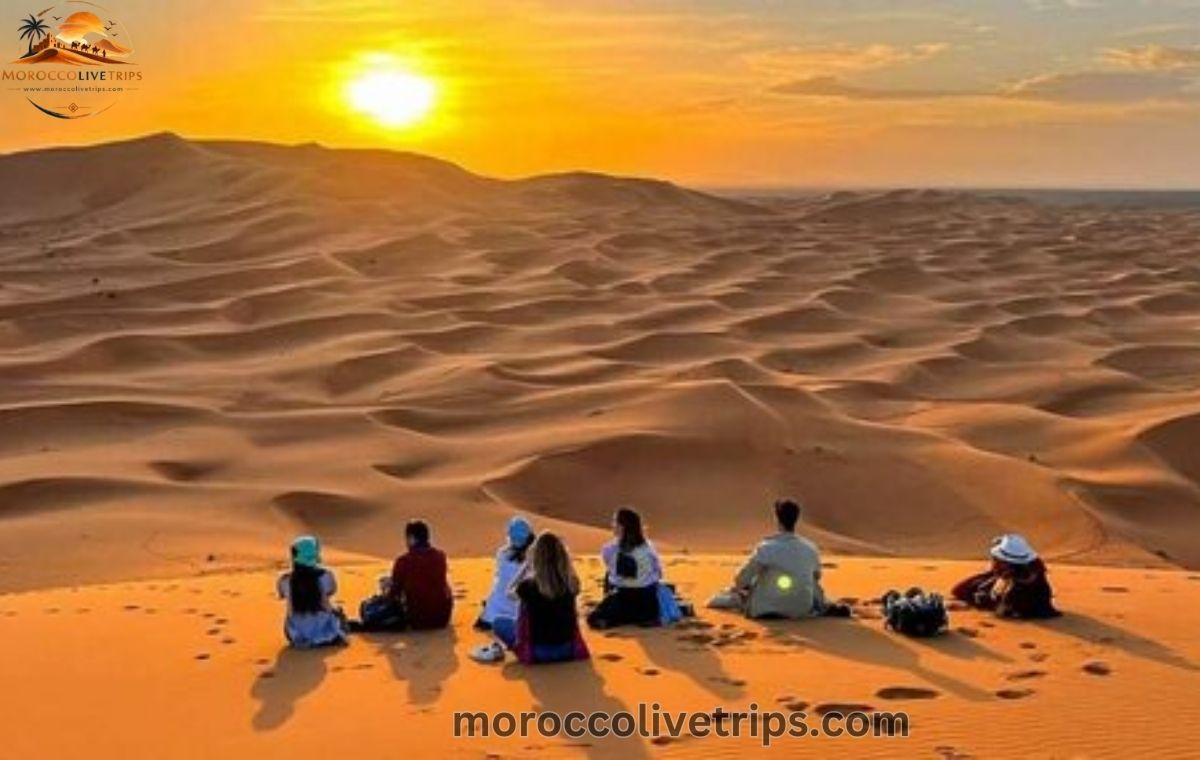
Merzouga sits where the modern world stops and pure Sahara begins. Erg Chebbi’s dunes stretch 28 kilometers, some climbing 150 meters straight up into the sky. Under 2,000 locals live here, but thousands of travelers show up yearly chasing that real desert experience everyone talks about. The dunes aren’t just tall – they’re genuinely massive in ways that mess with your depth perception until you’re standing at the base looking up. What sets this spot apart? You get wilderness that feels untouched while still having places to charge your phone and grab a cold drink. The village looks like nothing special on Google Maps but spend two nights here and it’ll probably end up being what you talk about most when friends ask about your Morocco trip.

Southeast Morocco, close to Algeria – that’s where this place hides, roughly 560 kilometers from Marrakech. It’s positioned perfectly as your launch pad for exploring Erg Chebbi and heading deeper into the Sahara if that’s your thing. Roads twist through mountains and valleys before everything flattens into proper desert. Sitting 700 meters up, the village gets wild temperature swings – baking hot afternoons then chilly nights that’ll surprise you. Rabat’s 700 kilometers out, Fes closer at 470, so you’ve got options depending on where you start your trip. Roads got way better in recent years, though some stretches through the mountains still test your patience with endless hairpin turns.
| Route | Distance | Travel Time | Road Condition |
| Marrakech to Merzouga | 560 km | 9-10 hours | Paved highway |
| Fes to Merzouga | 470 km | 7-8 hours | Mountain roads |
| Rabat to Merzouga | 700 km | 11-12 hours | Highway route |
Outfits like Morocco Live Trips take care of driving and finding your way around, which honestly just makes sense when you don’t know these roads.
Summer here hits differently – 45°C becomes normal, making midday something you just survive. Winter completely flips the script with nights dropping below zero, catching people off guard who thought deserts stay hot always. Hit it between March-May or September-November and you’re looking at comfortable 20-30°C for doing stuff outside. Rain? Barely happens. Under 100mm yearly means clear skies are basically guaranteed whenever you roll through. July-August brings that brutal heat where locals won’t even step outside between noon and 4 PM. December-February will have you digging for every warm layer you brought, wondering why nobody warned you about freezing desert nights that’ll have your teeth chattering inside your sleeping bag.
Better camps give you those traditional Berber tents but throw them into private bathrooms, real beds, electricity – the stuff you actually need after being in the sand all day. These luxury desert camps mix authentic vibes with modern conveniences that matter, plus restaurants serving food that doesn’t taste like it came out of a can and terraces where stars look insane without city lights washing them out. Top-tier camps sit 45 minutes to an hour into the dunes by camel, far enough that you hear absolutely nothing except wind moving sand around. Some places go hard with hot showers, solar cooling, dining setups with carpets and lanterns that look straight out of a movie after dark. Yeah, you’re paying premium rates, but the memories stick around way longer than the money you spent.
Marrakech route takes you over the High Atlas through Tizi n’Tichka pass, then winds past Ouarzazate and through Todra Gorge before you finally see sand. This desert run from Marrakech usually needs 2-4 days, giving you time to check out old kasbahs, valleys, villages instead of just powering through non-stop. The drive quits being boring and becomes its own adventure – scenery goes from snowy peaks to palm trees to golden dunes within hours. Good drivers know where to stop for photos, tea, real conversations with locals that you’d completely miss going solo. Landscapes change so dramatically you forget about being stuck in a vehicle all day.
Morocco built solid tourism setup with professional guides and decent safety systems. Security problems are rare here – authorities and tour companies care about keeping visitors safe through proper organization. Use basic common sense like anywhere – watch your stuff, listen to guides – but you’re not dealing with sketchy situations that’ll stress you out constantly. Government threw money at tourism infrastructure lately, shows in better roads, medical spots near tourist areas, and emergency teams ready to go. Solo women feel comfortable here, families bring little kids, older folks handle it fine picking appropriate tours. Biggest risks? Sunburn, not drinking enough water, eating too much street food too fast and regretting it later.
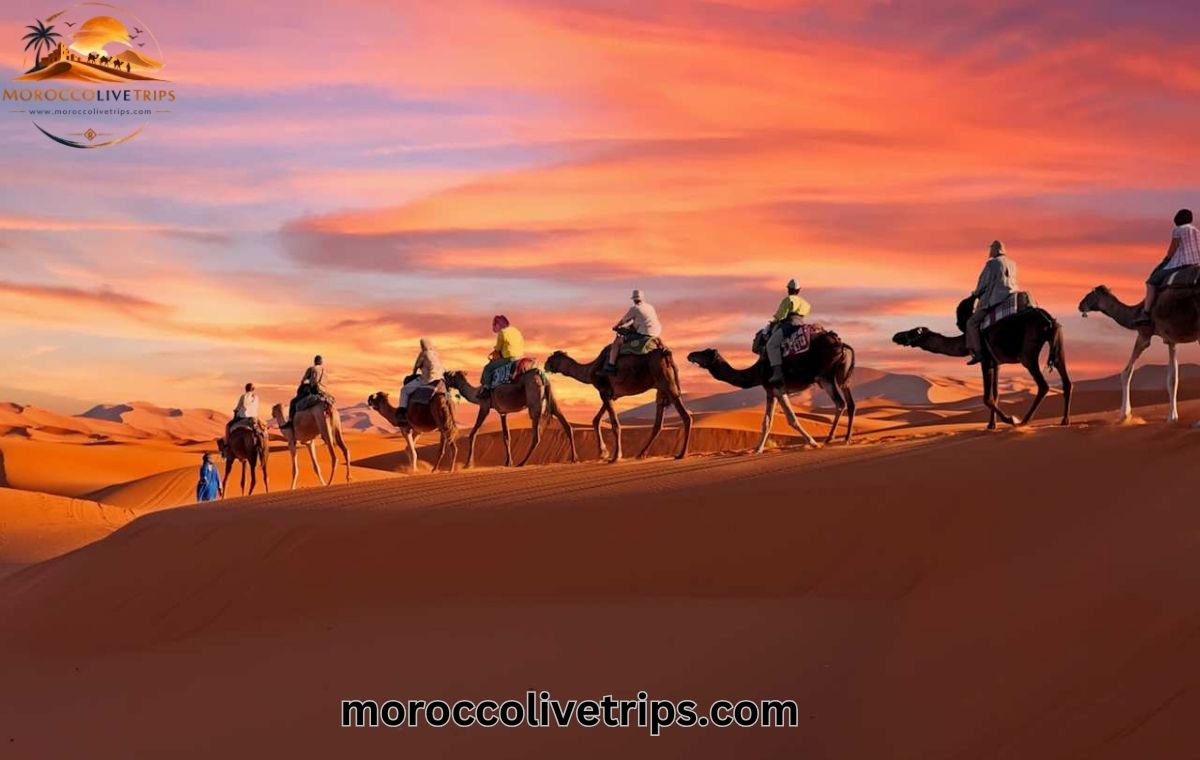
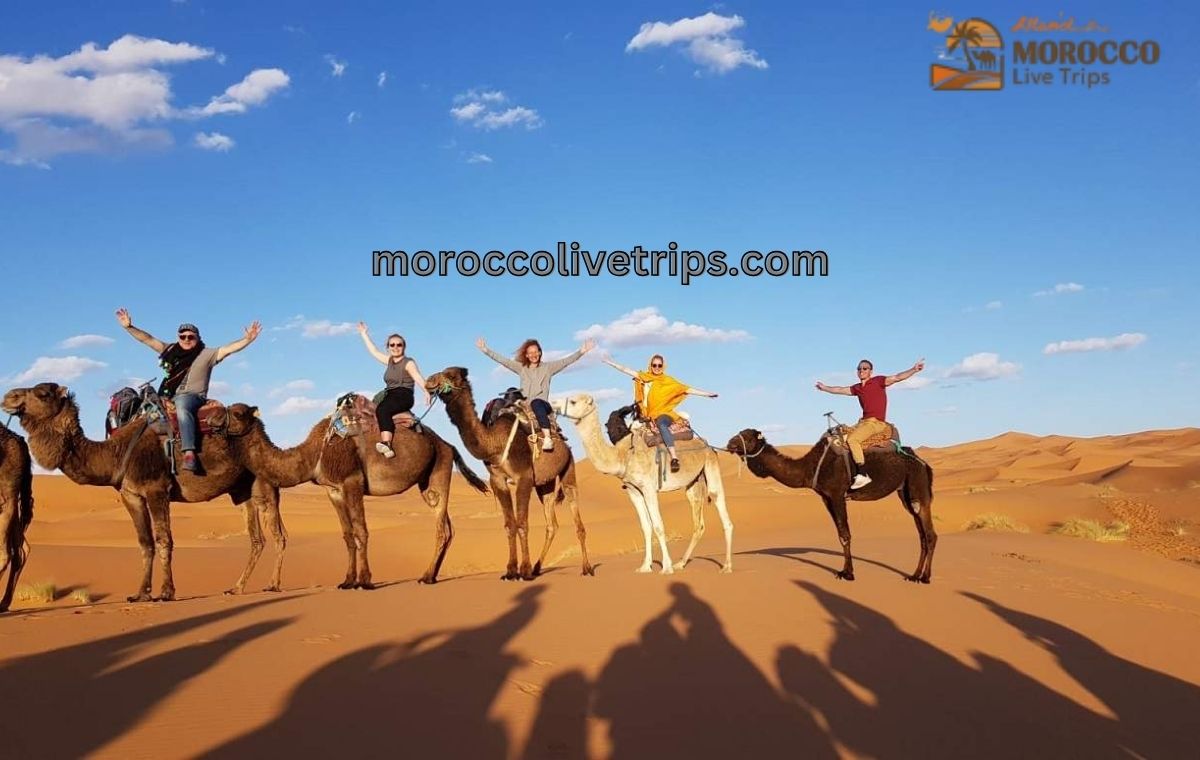
Camel rides at sunset stay classic, taking your way into Erg Chebbi’s dunes for camping under ridiculous amounts of stars. Sandboarding steep dunes, 4×4 fossil hunting, quad bikes on the flats, visiting nomadic families still living the old way – activities stack up quick. Camps usually throw evening music sessions where Berber musicians drum and sing gnawa around fires that set perfect mood. Sunrise camel rides give you views matching sunset, early light painting everything pink and orange for photos that don’t need filters. Some camps teach you how to make tagine right, others take you to villages on market days when locals show up trading stuff like they’ve done forever. Stargazing here blows your mind – Milky Way visible without any equipment, shooting stars happen so often you quit making wishes after like the first ten.
Sunrise Palace sits among the better-known hotels near dunes, rooms showing desert views with quicksand access. Village riads and guesthouses work as camping alternatives, though most folks want at least one night in real desert camps for the full deal. Village hotels cost less than fancy camps but miss that atmosphere making this place special. Budget people sometimes stay in village hotels then do dune day trips, but that skips the magic of sleeping under stars and waking up to total silence, that’s why people come this far. Hotels make sense for mobility stuff or specific needs, but camping gives you what you traveled here for.

Village built up solid tourism services – restaurants, craft shops, money exchange, medical stuff, everything you’d need. Guides here speak multiple languages, know the desert inside out, understand Berber culture and history thoroughly. Small shops stock traveler basics, handicraft places sell real Berber jewelry, carpets, pottery straight from artisans not factories. Internet got way better, most hotels and cafes have Wi-Fi now, though signal dies completely in the dunes. ATMs work fine for cash, bigger places take cards, but having some cash makes sense for small stuff and tips. Village adapted to tourism growth without losing the traditional character that makes it interesting beyond just being where you start your dune trip.
Getting here needs private rides, organized tours, or public buses – pretty much covers your options. International visitors mostly book multi-day tours that bundle everything together, cutting out logistics headaches. Public buses connect big cities but take forever with multiple changes, way less comfortable than private options. Rental cars give flexibility, but you need confidence with Moroccan roads, checkpoints, finding your way when signs might be Arabic-only or just missing. Shared taxis exist but leave when full, comfort’s a gamble based on the car and driver you get. Tour packages simplify everything, especially first Morocco visits when you’re still figuring out how stuff works here.
Erg Chebbi covers maybe 22 kilometers north-south, individual dunes constantly getting reshaped by wind into new forms. Golden-orange sand makes crazy contrasts at sunrise and sunset pulling in photographers and nature people from everywhere. These dunes are tiny compared to the whole Sahara stretching across North Africa, but they’re Morocco’s most accessible dramatic sand you’ll find. Sand feels different than beach sand – wind wore the grains smooth over centuries, making barefoot walking comfortable even when it’s hot. Climbing dunes takes way more work than it looks because your feet sink every step, but getting to the top gives you 360-degree views making the climb worth it. Some dunes look totally climbable until you’re halfway up breathing hard, realizing the top’s way farther than it looked from down below.
That 560-kilometer Marrakech run needs a full day driving through changing terrain – no shortcuts exist. Pro operators break it up with stops at UNESCO spots, markets, natural landmarks, turning boring transfers into actual adventures. Going straight through means missing incredible stuff like Ait Benhaddou kasbah, Valley of Roses, gorge landscapes that deserve their own time. Tours usually split time about equal between travel days and desert activities, knowing Morocco’s beauty goes way beyond one spot. Long drives help let landscapes sink in slowly instead of jumping from city to desert by plane, which would feel weird and less real. The journey becomes part of what you’re experiencing instead of just dead time between places you care about.
Desert trips run from quick 2-dayers up to big 10-day journeys hitting multiple areas. Longer tours mix desert camping with cities, coast, mountains for diverse Morocco experiences. Two-day tours work for tight schedules but feel rushed, barely giving you time to absorb the desert before heading back. Four to seven days hit the sweet spot, enough desert time plus other highlights like Fes medina, Chefchaouen’s blue streets, coastal Essaouira based on what you’re into. Ten-day options let you really dig into Morocco’s diversity without constantly packing every night, though they need more vacation time and bigger budgets.
This area sat on trans-Saharan trade routes for centuries, Berber communities keeping music, crafts, hospitality alive despite modern pressures changing everything. You see real gnawa music performances, learn nomadic heritage through actual interaction with families maintaining traditions. Old caravan routes moved gold, salt, slaves across Sahara, this spot serving as crucial rest stop where traders resupplied before continuing trips taking months. Today’s nomadic families represent the last generation living truly mobile – younger people increasingly settle in villages for school and jobs nomadic life can’t give anymore. Culture’s shifting slowly but noticeably, making time with remaining nomadic families feel more valuable for keeping and sharing traditional knowledge before it’s gone completely.

Most passports get visa-free Morocco entry for 90 days – double-check for yours though. Currency’s Moroccan Dirham (MAD), lots of tourism spots take euros at rates helping them more than you. ATMs work fine in village, cards work at bigger places, but having cash makes sense for smaller stuff and situations where cards don’t. Hotels and tourist shops give worse exchange rates than ATMs or official places, so plan that out. Travel insurance helps with the distances and remote activities, especially policies covering medical evacuation that might be needed in serious emergencies. Phone coverage exists in villages but vanishes in the dunes, so you’re off grid at camps which feel refreshing after being connected everywhere else constantly.
Dunes give amazing photography at golden hour when low sun creates dramatic shadows and highlights sand texture perfectly. Pro photographers say get polarizing filters and protect gear from fine sand getting literally everywhere despite your efforts. Phones work surprisingly well here thanks to natural lighting doing the heavy lifting, though serious photographers want wide lenses for landscapes and telephoto for catching distant camel trains silhouetted against dunes. Morocco’s clearest skies make this ideal for star photography – Milky Way visible without telescopes during new moons, making shots needing barely any editing after. Sunrise and sunset happen fast in desert, being positioned and ready before golden hour starts matters way more than having expensive camera gear that won’t save bad timing.
Connection to Fes and Northern Routes
That 470-kilometer Fes-to-desert route goes through Ifrane’s cedars, Midelt’s apple farms, Ziz Valley’s date palms showing totally different Morocco than southern routes. This northern way gives varied landscapes versus the Marrakech route, lots of people doing circles covering both for maximum variety. Driving through Ifrane feels bizarre – this mountain town looks like Swiss alpine villages way more than typical Morocco, complete with ski slopes and European cafes seeming totally out of place. Ziz Valley part shows thousands of date palms making green ribbons through otherwise empty landscapes, roadside sellers offering fresh dates and fossils from nearby formations. Circle routes cost more and take longer but give richer experiences showing drastically different regions instead of repeating the same highway both ways.
Annual Music Festival in May celebrates Berber and gnawa traditions with local and international artists playing against Erg Chebbi’s backdrop. Three-day event pulls music fans giving unique cultural access you won’t find visiting other times. Past festivals brought performers from Mali, Senegal, different Moroccan regions, creating fusion sounds mixing traditional instruments with contemporary stuff surprising audiences. Beyond big festivals, camps host smaller sessions year-round where you learn basic drum rhythms, understand spiritual meaning behind gnawa music passed down through generations. Festival timing means booking way ahead expecting higher prices, but cultural access justifies extra money for people into Moroccan music traditions versus just sightseeing.
Established outfits like Morocco Live Trips use licensed guides, maintain vehicle fleets, work with exclusive camps ensuring consistent quality you can trust. These operators customize trips based on group size, budget, interests instead of forcing everyone into identical cookie-cutter experiences. Going with reputable companies avoids typical problems like packed camps, beat-up vehicles, guides not knowing much about regions you’re exploring. Reviews and certifications help spot operators do sustainable tourism helping local communities instead of just taking money and giving nothing back. Price gaps between operators often show quality differences becoming obvious once you’re there dealing with logistics, food, guided knowledge making or breaking your experience.
Despite brutal conditions, the ecosystem holds fennec foxes, desert hedgehogs, reptiles, migratory birds adapted to extremes most animals couldn’t survive. Early morning walks show animal tracks proving surprising biodiversity living with minimal rain and crazy temperatures. Scarab beetles come out at night scavenging, desert larks and wheatears find food in sparse plants somehow surviving on under 100mm yearly rain. Lizards zip across hot sand midday when most mammals hide, using special adaptations like reflective scales and behavior-based temperature control instead of sweating wasting precious water. Spotting wildlife needs patience and waking early since most creatures avoid midday heat, but guides knowing animal habits know where to look and what signs show recent activity in areas looking completely dead at first.
Comparison with Alternative Desert Destinations
Zagora’s closer to Marrakech saving drive time, but Erg Chebbi’s dunes tower is way higher, giving more dramatic landscapes worth extra hours on the road. Zagora trips work for limited schedules, but this spot delivers that real Sahara experience people picture planning Morocco trips. Zagora’s dunes hit maybe 30 meters max versus 150-meter giants here, hugely impacting visual scale and photo ops you’ll get. Budget limits might push some toward Zagora’s shorter drives and lower costs, but people wanting authentic desert grandeur consistently to say extra money for Erg Chebbi pays off in memories worth the additional spend. Zagora works fine for quick desert sampling; this place gives full immersion, justifying longer trips and higher prices.
Ten-day tours from Casablanca let you comprehensively explore mixing coast, imperial cities, mountains, and desert into one trip covering serious ground. These long hauls give deeper cultural understanding showing Morocco’s geographic diversity instead of rushing through highlights checking boxes. Longer trips cut that rushed feeling shorter ones create, giving time relaxing versus constantly moving between spots on tight schedules. They let you spontaneously detour when guided spot festivals, markets, natural events not planned originally but enriching your cultural understanding significantly. Extended tours cost more upfront but give better per-day value cutting wasted travel time and letting you dig deeper into regions interesting you most versus surface tourism.
Peak season – March, April, October, November – needs booking 2-3 months ahead, getting preferred camps and dates before everything fills. Off-season gives better rates and fewer crowds, though summer heat and winter cold present comfort challenges needing prep. Last-minute bookings during peaks mean settling for whatever’s left, potentially camps farther from prime sports or bigger tour groups than you’d want. Early booking gives time for visas if needed, insurance setup, researching specific interests like photo workshops or cooking classes some operators add as extras. Shoulder seasons – early March, late November – can hit sweet spots with decent weather, smaller crowds, sometimes lower prices as operators shift between peak and off-peak making deals possible.

Private transfers cut out navigating unfamiliar roads and language barriers constantly stressing independent travelers. Shared tours give budget-friendly options to keep comfort and safety through professional operators knowing these routes. Solo travelers often find shared tours more fun than private since camps and campfires naturally get guests from different countries talking. Group dynamics vary based on who shows up – some groups bond fast over shared stuff while others stay politely distant, but good guides usually create welcoming vibes where everyone feels included. Private tours cost way more but give flexibility adjusting schedules, spending extra time at spots you love, skipping stuff that is not interesting you.
Unique mix of stunning nature, cultural authenticity, adventure activities justify spending money here versus other stuff. Overnight desert camping ranks among Morocco’s most memorable things, tons of visitors saying it’s their entire trip highlight beating everything else. Comparing daily costs against value shows desert tours competing well with other Morocco activities, especially when accommodation, meals, guides, transport bundle into one price. Budget folks find basic camps starting at maybe $50 per person nightly, luxury options hitting $300+ giving premium services matching high-end city hotels. The experience sticks with you way after costs fade from memory, matters more than saving a few bucks on cheaper options giving mediocre experiences you’ll forget fast.
Traditional Berber meals at camps include tagines cooked over fires, fresh bread baked in sand ovens, mint tea prepared ceremonially with techniques perfected over generations. Village restaurants offer Moroccan food and international options handling dietary stuff camps might not flex with. Vegetarians and vegans find Morocco surprisingly accommodating once you clearly communicate dietary needs, with veggie couscous, lentil soups, grilled vegetables everywhere. The tea ritual becomes a hospitality lesson – pouring creates foam and three increasingly sweet rounds represent different life parts per Berber tradition passed through families. Camp food tastes better than expected for remote spots, cooks somehow make quality meals over fires that would challenge proper kitchens.
Must-haves include serious sun protection – high-SPF sunscreen, good sunglasses, wide hat – plus layered clothes for temp swings, comfy walking shoes, reliable flashlight or headlamp. Scarves block blowing sand on camel rides plus look good in photos as bonus. First-timers often overpack, bringing unnecessary junk while forgetting basics like lip balm for dry air or wet wipes cleaning hands when water’s not around. Lightweight long sleeves and pants protect skin better than shorts and tanks while keeping you cooler blocking direct sun and letting sweat evaporate efficiently. Small daypack beats large backpacks for carrying water, camera, essentials during activities, leaving main bags secure at camps or hotels keeping sand out of everything you own.
Erg Chegaga in Chegaga Desert gives more remote vibes with fewer tourists but needs longer drives and rougher access significantly challenging some visitors. Chegaga trips appeal to adventure types prioritizing solitude over convenience and comfort at more developed spots closer to cities. Chegaga access involves rougher tracks sometimes needing serious 4x4s just reaching dune edges, adding to that venturing-into-wild feeling few tourists see firsthand. Infrastructure stays more basic with fewer luxury camps, though this pulls travelers wanting authentic wilderness versus comfortable desert resorts with modern stuff. Chegaga gives better bragging rights about going off beaten paths, needs more tolerance for rough conditions and basic setups that might not suit everyone’s travel style or comfort expectations.
For personalized planning, detailed pricing, specific desert tour questions, reach out through the contact page where specialists give expert guidance customizing experiences matching your preferences and budget.
This spot earned reputation through towering Erg Chebbi dunes, authentic Sahara experiences, luxury camping, serving as Morocco’s top gateway to golden desert landscapes defining Sahara imagery worldwide.
Worth it – spectacular dune views, cultural authenticity, adventure activities, unique camping experiences make it Morocco’s most worthwhile desert spot justifying travel time and money involved.
The 560-kilometer trip takes 9-10 hours by road, best done through organized tours with scenic stops, comfortable rides, pro guides navigating Atlas routes with expertise solo travelers lack.
Premium camps blend traditional Berber looks with modern stuff – private bathrooms, comfy beds, quality food, prime dune spots – creating unforgettable Sahara nights mixing authenticity with comfort tourists want after long days.
Spring months March-May and autumn September-November give ideal temps between 20-30°C for outdoor stuff, avoiding extreme summer heat and winter cold hitting this desert region year-round making visits uncomfortable.
Pro operators keep high safety standards with experienced guides, regulated activities, family-friendly camps, making desert trips suitable for kids and multi-generation groups wanting adventure without excessive risk.
Distance makes day trips impractical and exhausting – minimum 2-day tours allow meaningful experiences, though 3–4-day plans give better pacing and deeper cultural immersion worth extra time needed.
Options include sandboarding steep dunes, 4×4 desert runs, quad biking, stargazing incredible night skies, nomadic family visits, fossil hunting, traditional music around campfires creating magical vibes.
Basic prep includes sun protection, layered clothes for temp swings, comfy shoes, personal toiletries – tour operators provide camping gear, meals, guidance handling desert conditions safely without major hassles.
Research established operators with verified reviews, clear plans, transparent pricing – contact reputable outfits like Morocco Live Trips for professional service giving authentic experiences matching what’s advertised accurately.
WhatsApp us