moroccolivetrips.com

Zagora Morocco Travel Guide

Zagora Morocco Travel Guide: Essential Tips From Desert Experts

Zagora doesn’t get half the attention Merzouga does—strange, considering it’s closer to Marrakech and costs less. The town sits where the Draa Valley ends and the proper Sahara begins, 365 kilometers southeast of Marrakech. That “52 days to Timbuktu” sign at the entrance? Not decorative—caravans actually took that long. This helps you understand why the region deserves far more attention.

Geographic Positioning

Draa-Tafilalet region, southeastern Morocco. Anti-Atlas Mountains form the northern barrier. South and west, the landscape shifts from palm groves to sandy expanses. The Draa River carved out this green corridor centuries ago—one of those geographical accidents that made trade routes possible. Zagora became a rest stop because water existed here. Simple as that.

Family-Friendly & Senior Tours Morocco 2026

Climate Patterns and Timing

March kicks off the good weather. Continues through May. Daytime temps hover around 20-28°C. Not punishing, not cold. September repeats the pattern after summer burns itself out. Peak summer? Forget it. 40°C+ regularly. December through February brings freezing nights—single digits. Days stay mild though. The Moussem festival happens in September. Traditional music, regional gatherings, actual local celebrations rather than tourist shows. Morocco Live Trips schedules around these factors.

The Name's Origins

Berber words. Mountain. Twin peaks. Look at Jebel Zagora—two distinct summits dominate the skyline. That’s where “Zagora” comes from. During the Saadian period (1500s-1600s), this spot functioned as military staging ground. Trans-Saharan trade made the town wealthy for generations. Gold moved north. Salt went south. The whole economy ran on those caravans until the 1900s changed everything.

Why Bother with Zagora

Tourism hasn’t destroyed the place yet. Tamegroute still makes pottery the same way they did in 1011. Amezrou’s Jewish quarter sits empty but preserved. Palm groves operate with irrigation channels older than most European cities. Four-day trips to Chegaga reach dunes that see maybe 50 people monthly. Not 50 daily. Monthly.

Getting There

Marrakech to Zagora means crossing Tizi n’Tichka pass—2,260 meters elevation. The road’s paved, well-maintained. Takes six hours if traffic cooperates. CTM buses run this route for budget travelers. Professional operators use air-conditioned Land Cruisers with drivers who’ve done the route 500+ times. From Ouarzazate, it’s 160 kilometers through constant palmeries. Two and a half hours.

Starting Point Kilometers Hours Needed Road Type
Marrakech 365 6 Paved, mountain
Ouarzazate 160 2.5 Paved, valley
Erg Chigaga 90 3 Unpaved, 4WD only
Merzouga 280 5 Paved, roundabout

Camel Operations

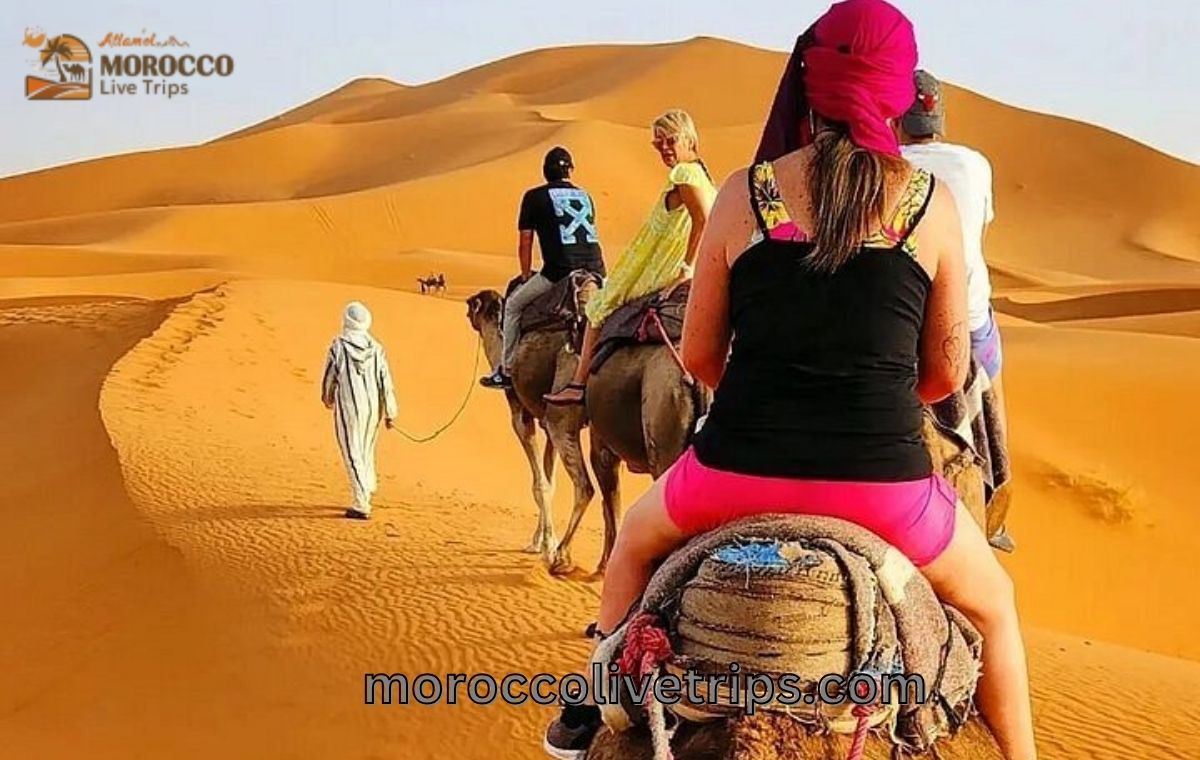
Dromedaries. Single hump. They move about 4-5 kilometers hourly across sand. Sunset treks leave around 16:00-17:00 depending on season. One to two hours out to camps. Morning returns at dawn. Multi-day treks go deeper—passing nomadic camps, water sources, areas where phone signals don’t exist. Two-day Zagora packages cover transport both ways, overnight stay, meals. Guides lead groups of 4-8 riders based on camp capacity.

4WD Requirements for Erg Chigaga

Regular cars can’t make it. Period. Erg Chigaga sits 90 kilometers southwest across rocky reg and soft sand. Dunes rise 300 meters, stretch 40 kilometers. Modified Toyota Land Cruisers handle the terrain. Four to six passengers plus gear and camping equipment. No marked roads exist. GPS plus local knowledge keeps you from getting lost. Three-day Chegaga expeditions include vehicle, fuel, driver, navigation—everything needed.

The Museum Situation

Musée des Arts et Traditions. Converted kasbah in town center. Berber jewelry (silver, amber), farming tools, leather goods, textiles. Ceremonial weapons show tribal warfare history. Ancient Korans demonstrate scholarly traditions. Tours run 45 minutes. Entry: 20 dirhams. Opens daily except Friday. Hours: 09:00-17:00. Worth doing before desert trips to understand context.

Desert Camp Options

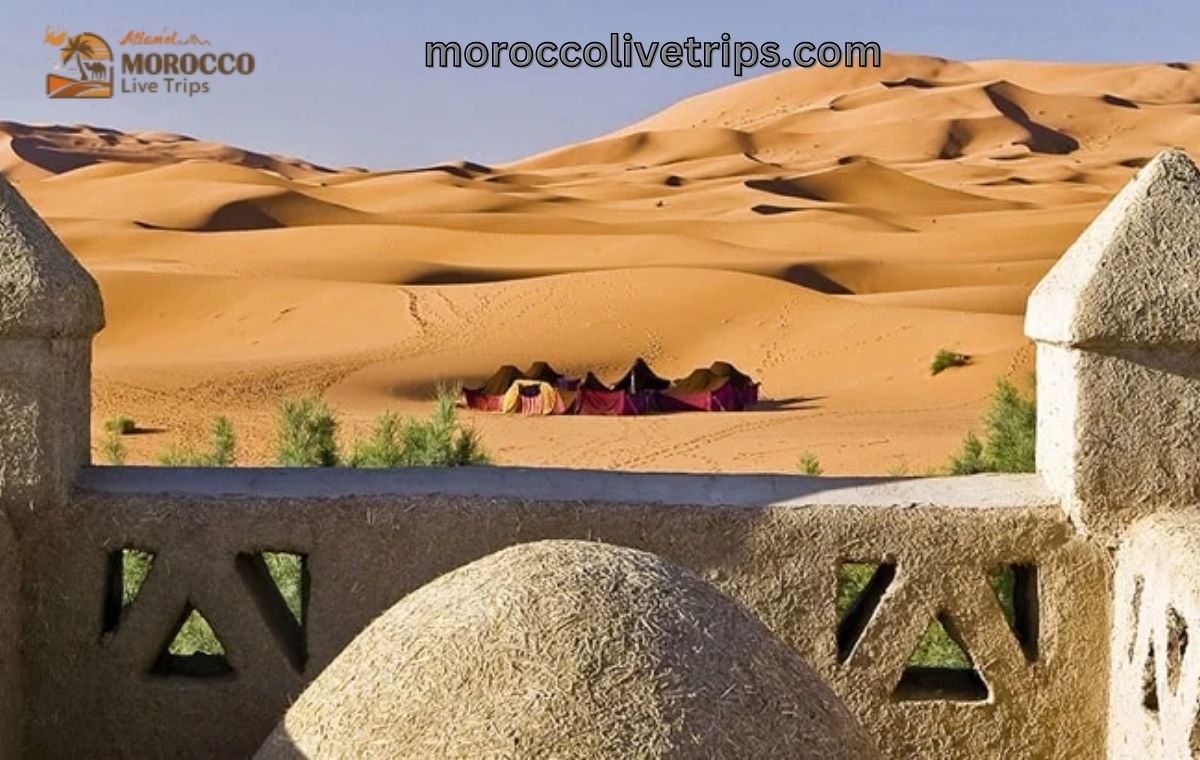
Basic level: Berber tents, mattresses on floor, shared bathrooms, tagine dinner. Mid-range adds actual beds, private toilets, solar lights. Luxury means ensuite bathrooms, heating, multi-course meals. All include mint tea, breakfast, evening drums and singing. Four-day tours from Marrakech use camps that pass safety and hygiene checks. Not all do.

Amezrou Village Layout

Across the Draa River. Bridge built 1975. Dense palm groves surround pisé kasbahs—that’s rammed earth mixed with straw. Irrigation seguias distribute water to date palms and vegetable plots. Alleys between high walls create shade. Silver workshops and tanneries use methods passed down through families. Unchanged for generations.

Jewish Heritage Sites

Pre-1956, Amezrou had significant Jewish population. Metalwork, trans-Saharan commerce. The mellah shows abandoned homes with Hebrew inscriptions. Star of David symbols still visible. Empty synagogue remains structurally sound. Muslims and Jews coexisted for centuries. By 1970, emigration to Israel and France reduced the community to zero. Walking tours cover this multicultural past.

Zagora Morocco Travel Guide

Tamegroute's Pottery Methods

Twenty kilometers south on N9. Green-glazed ceramics. Artisans dig local clay, shape on manual wheels, fire in underground kilns using palm fronds. Green color comes from manganese and copper in the glaze. Techniques unchanged since 1011. Adjacent library holds manuscripts on mathematics, astronomy, Islamic law. Thousands of documents.

Jebel Zagora Trail

Twin peaks reach 1,400 meters elevation. Trail starts from town’s south edge. Sixty to ninety minutes up. Rocky terrain, moderate difficulty. Summit shows entire Draa Valley, palm groves, distant dunes. Ancient petroglyphs on rocks—caravans, ibex, geometric symbols. Dating back millennia. Sunset produces best light and visibility.

Moving Around Town

Blue petit taxis use meters. Should use meters. Insist on it. Fares rarely top 10 dirhams in-town. Most central spots are 15-minute walks maximum. Desert trips need organized transport—sand tracks aren’t marked. GPS and local knowledge required. Complete tour packages bundle everything: intercity transport, local transfers, desert vehicles.

Dress Code Reality

Shoulders covered. Knees covered. Both genders. Women need lightweight scarves for mosques and home visits. Ask before photographing faces. Gesture clearly. Basic Arabic helps: “salaam alaikum,” “shukran,” “baraka allahu fik.” Tipping runs 10-20 dirhams for small services. Luggage carrying. Directions. That level.

Ramadan's Effect

Muslims fast dawn to sunset during Ramadan. Restaurants close during daylight except tourist places. Business slows considerably. Don’t eat, drink, or smoke publicly during fasting hours. Disrespectful. Tourist facilities stay open with modified schedules. Evening iftar meals get festive. Hotels do special Ramadan dinners. Non-Muslims can join—demonstrates hospitality.

Souk Bargaining

Wednesday and Sunday markets. Berber traders bring dates, spices, textiles, handicrafts. Initial prices run 2-3x acceptable final amounts. Start at 40-50% of asking price. Expect counter-offers. Friendly back-and-forth is part of it. Walking away usually prompts better offers. Stay polite regardless of whether deals happen.

Trip Planning Variables

Single-night camel treks to extended crossings ending in Fes—Zagora handles both ends of the spectrum. Physical fitness matters. Heat tolerance matters. Desired comfort level matters. Good operators customize rather than forcing cookie-cutter packages. They handle permits, meals, equipment, guides. Eliminates headaches.

Circuit Integration

Smart routing combines Zagora with imperial cities and coast. Ten days from Casablanca connects Atlantic beaches, Fes medinas, Atlas passes, Saharan dunes. Balanced pacing. Seven-day Marrakech loops focus southern Morocco—Ouarzazate, Zagora, valleys. Spreading destinations reduces fatigue.

Packing Necessities

Temperature swings: 35°C days, 5°C nights. Layer accordingly. Long sleeves for sun protection and cultural respect. Warm jacket for camps. Closed-toe shoes work better than sandals in sand. Critical items: SPF 50+ sunscreen, UV lip balm, polarized sunglasses, wide hat, headlamp plus spare batteries, phone charger, resealable bags for electronics. Dust gets everywhere.

Zagora vs Merzouga Facts

Merzouga has Erg Chebbi—dunes reaching 150 meters. Extensive infrastructure. Lots of camps and hotels. Seven to eight hours from Marrakech. Zagora sits one hour closer. Smaller crowds. Lower prices. Erg Chigaga rivals Merzouga’s scale but needs extra 4WD travel. Merzouga suits people wanting iconic imagery and development. Zagora attracts those prioritizing authenticity and value.

Film Location Access

Atlas Film Studios in Ouarzazate. Lawrence of Arabia. Gladiator. Game of Thrones. Ait Benhaddou kasbah appears in countless productions. UNESCO listed. Day trips from Zagora hit these spots—cinema history mixed with architecture. Eight-day tours weave film sites with Chefchaouen, Fes, desert experiences.

Food Specifics

Tagines cook in conical earthenware over charcoal. Couscous steams in couscoussiers—Friday tradition. Medfouna (Berber pizza) stuffs dough with spiced lamb or kefta. Date varieties: Mejhoul, Boufeggous, Jihel. Harvest runs October-December. Khobz flatbread from communal ovens. Desert camps sometimes do mechui—whole roasted lamb underground.

Affordable Marrakech Tour Packages

Safety Infrastructure

Guides monitor weather constantly. Satellite phones. Sandstorms develop fast—guides know shelter spots and navigation during low visibility. Heat exhaustion prevention needs 4-5 liters water daily. First aid includes rehydration salts, antiseptics, basics. Reputable operators carry comprehensive insurance, maintain authority contact, train staff in emergency response. Backup vehicles accompany large groups.

Nomadic Encounters

Selected tours stop at nomadic Berber families. Traditional pastoralism still practiced. Tea ceremonies in tents. Learning about seasonal migration, livestock management, water sourcing. These visits provide income supplementing subsistence. Direct handicraft purchases (rugs, jewelry, leather) ensure artisans get full payment. No middlemen taking cuts.

Photography Angles

Golden hour—first hour after sunrise, last before sunset. Sand ripple patterns add texture. Palm silhouettes frame mountains. Night shots capture star trails impossible in cities. Cold kills batteries fast. Carry extras. Keep spares warm. Memory cards need 64GB+ for RAW files. Respect no-photography zones. Always ask before shooting people.

Extended Itineraries

Eight days from Casablanca cover coast, mountains, desert, imperial cities. Chefchaouen’s blue medina, Fes tanneries, Zagora dunes, Marrakech souks. Diverse Morocco exposure. Long itineraries reduce daily rush. Strategic overnight placement. Proper absorption of each spot rather than photo-only stops.

Cost Breakdown

Zagora runs 30-40% cheaper than Marrakech or Fes. Accommodation, meals, tours—all less. Budget travelers use basic guesthouses (150-250 dirhams nightly) and shared taxis. Organized packages provide better value considering saved time, included meals, guides, eliminated hassles. Package pricing averages 100-150 euros daily including accommodation, transport, guides, most meals. Competitive for quality delivered.

Environmental Responsibility

Water’s scarce. Short showers. Reuse towels. Skip single-use plastics—waste management infrastructure barely exists. Buy from local artisans and family businesses. Keeps revenue local. Operators hiring regional staff at fair wages contribute more than those importing workers. Sustainability-focused companies implement environmental policies, support community projects, educate travelers.

Reservation Process

Book ahead for preferred dates and accommodation. Peak seasons (March-May, September-November) fill completely. Initial contact should specify: group size, fitness levels, budget limits, special needs (dietary, accessibility). Transparent operators provide detailed itineraries, clear pricing, responsive communication. Deposits typically 30%. Balance due 30 days pre-departure. Review cancellation policies carefully.

Frequently Asked Questions

FAQ

Desert access doesn’t exist in urban centers. The experience differs completely—dune landscapes, Berber traditions, regional authenticity. Two to three days covers core experiences. Fits within week-long Morocco trips.

Morocco’s Draa-Tafilalet region. Moroccan sovereignty applies. National laws and systems function here. Berber cultural identity stays strong within Morocco’s framework.

Berber roots meaning mountain or twin peaks. Jebel Zagora’s twin summits demonstrate this directly.

Zagora occupies semi-arid terrain with palms and irrigation. True Saharan conditions start 30 kilometers south at Tinfo. Erg Chigaga (90 kilometers southwest) offers vast dune fields and complete desert environment.

Two to three days allows camel trekking, overnight camping, visits to Tamegroute and Amezrou. Extra days enable Erg Chigaga expeditions and deeper nomadic community immersion.

Layered clothing for temperature extremes, sun protection (hat, SPF 50+ sunscreen, sunglasses), closed shoes, headlamp, phone charger, toiletries, personal meds, electronics dust protection. Camps supply bedding and food.

Bus travel to Zagora town works independently. Desert camps and dunes require organized 4WD with experienced guides though. Independent desert navigation without local knowledge and GPS creates serious risks.

Closer to Marrakech (one hour less driving). Fewer tourists. Costs 30-40% less. Desert authenticity matches Merzouga minus overcrowding and commercialization. Better for limited time or budget.

Begin Your Desert Experience

Zagora mixes accessible desert with authentic Berber culture. Activities suit different travel styles—budget backpacking to luxury camping. Cultural integrity and environmental quality remain intact. Contact Morocco Live Trips immediately for customized itineraries matching interests, timeframes, budgets. We provide comprehensive planning, reliable partnerships, 24/7 support. Small-group and private tours offer flexibility large coaches can’t. Our drivers, guides, partners maintain professional standards through years of operation. Pricing reflects direct provider relationships rather than commission layers. Reach out today for proposals and availability.