Tours from Marrakech – Complete Guide to Day & Desert Adventures
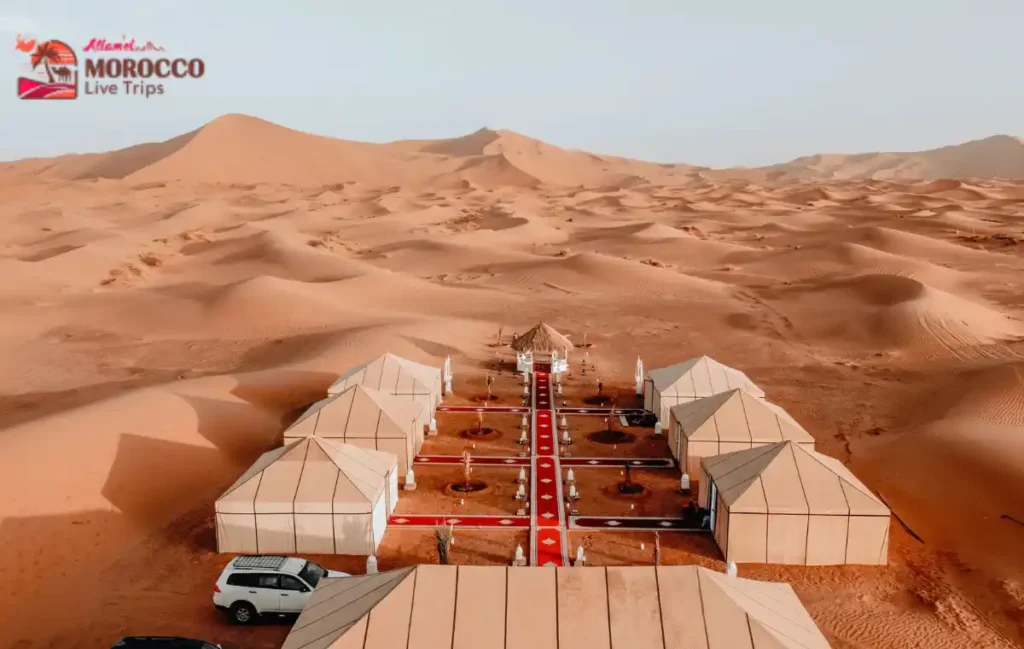
Marrakech, the Red City, is the perfect base for exploring Morocco’s vibrant culture and diverse landscapes, from the bustling Medina of Marrakech and colorful Marrakech Souks to the vast Marrakech Desert. Travelers can choose from a variety of Marrakech tours, including day trips, desert adventures, and multi-day excursions that highlight the country’s natural and cultural treasures. Popular options include the Marrakech desert tours 3 days, day trips to the Atlas Mountains, and private excursions across Morocco. Well-planned itineraries ensure comfort and efficiency while providing authentic Moroccan experiences, guided insights, and convenient transport. Tour operators also offer specialized packages for families, groups, and adventure enthusiasts seeking best tours from Marrakech with top-rated activities and desert camping. Comparison Table of Popular Marrakech Tours Tour Type Duration Key Highlights Suitable For Link Day Tours from Marrakech 1 Day Atlas Mountains, Ourika Valley, Ouzoud Waterfalls, Essaouira Families, Budget Travelers Day tours from Marrakech Marrakech Desert Tour 1 Day 1 Day Agafay Desert, Camel Ride, Mini Camp Couples, Short Desert Trips Marrakech desert tour 1 day Marrakech Desert Tour 2-Day 2 Days Zagora Desert, Camel Trek, Sahara Camp Adventure Seekers, Small Groups Marrakech desert tour 2 day Marrakech Desert Tours 3 Days 3 Days Merzouga Desert, Erg Chebbi Dunes, Starry Sahara Sky Multi-Day Explorers Marrakech desert tours 3 days Multi-Day Morocco Tours 4–10 Days Fes, Casablanca, Ouarzazate, Desert, Atlas Mountains Long Trips, Cultural Exploration 10-days from Marrakech This table allows travelers to compare tours quickly based on duration, highlights, and suitability, helping them choose the most appropriate Marrakech travel packages for their interests. Day Tours from Marrakech Day tours from Marrakech are perfect for travelers looking to explore Morocco’s diverse landscapes without overnight stays. Popular itineraries include the Marrakech to Atlas Mountains tour, Ourika Valley, Ouzoud Waterfalls, and Essaouira day trip from Marrakech, offering panoramic views, cultural immersion, and guided experiences. Tours typically include hotel pickup, private or group transport, and expert guidance for smooth navigation. Early departures maximize sightseeing while ensuring return by evening. These day tours are ideal for families, solo travelers, and those seeking affordable Marrakech tours with excellent value and authentic experiences. Marrakech Desert Tour 1 Day A 1-day desert tour from Marrakech provides a condensed yet memorable desert adventure, usually in the Agafay Desert or surrounding dunes. Guests enjoy camel rides, short treks, and desert photography, with optional visits to local Berber villages. Transfers are arranged in 4×4 vehicles with professional drivers familiar with desert terrain. This tour is ideal for couples, solo travelers, or anyone wishing to experience a taste of the Sahara without staying overnight. The half-day trip from Marrakech is another option for travelers seeking a compact yet enriching excursion. Marrakech Desert Tour 2-Day The 2-day desert tour offers an immersive Sahara experience, typically exploring the Zagora Desert with camel trekking, sunset views, and overnight stays in traditional Berber camps. Guests enjoy authentic Moroccan meals, stargazing, and sunrise views across the dunes. Both budget and luxury packages are available, including private tours from Marrakech with personalized itineraries. This tour suits adventure seekers, small groups, and travelers wishing for a more extended desert experience without committing to a 3-day schedule. Guided stops at kasbahs, valleys, and villages enrich the journey. Marrakech Desert Tours 3 Days The 3-day desert tour from Marrakech is the ultimate Sahara adventure, featuring Merzouga Desert, Erg Chebbi dunes, camel trekking, overnight camping, and sunrise photography. Travelers also visit Todra Gorge, Dades Valley, and nearby Berber villages for a blend of adventure and culture. Luxury options include premium desert camps, quad biking, and sunset dune rides, while budget tours maintain authentic experiences. Multi-day tours from Marrakech allow extended immersion in Moroccan landscapes and traditions, combining scenic drives, cultural stops, and desert adventures. Booking the Marrakech desert tours 3 days guarantees a comprehensive Sahara experience. Adventure Activities from Marrakech Marrakech is a hub for thrilling desert and mountain adventures. Guests can enjoy camel rides, quad biking tours Marrakech, dune bashing, and Marrakech ATV tours, with options for both beginners and experienced adventurers. Hot air balloon rides over the Palmeraie and Atlas Mountains offer scenic perspectives and photography opportunities. All activities are led by licensed guides and professional drivers, ensuring safety while delivering memorable Sahara adventure tours from Marrakech. Family-Friendly & Budget Tours Family-friendly tours from Marrakech are designed for accessibility, safety, and enjoyment. Many half-days or 1-day options include camel rides, guided excursions, and visits to Atlas Mountain villages. Budget tours offer excellent value with shared transport, knowledgeable guides, and visits to top attractions like Jemaa el-Fnaa, Koutoubia Mosque, and Marrakech Souks. Flexible itineraries allow families and small groups to combine desert, mountain, and city experiences efficiently. These tours ensure memorable Moroccan adventures without compromising comfort or quality. Multi-Day Morocco Tours from Marrakech Multi-day tours from Marrakech allow for extended exploration of Morocco’s imperial cities and scenic routes. Popular itineraries include the 10-days from Marrakech, 7-days Morocco tour, and the 4-days desert tour from Marrakech, covering Fes, Casablanca, Ouarzazate, Merzouga, and the Atlas Mountains. These tours include guided city tours, traditional meals, cultural demonstrations, and overnight stays in deserted camps or city hotels. Participants experience Morocco’s diverse landscapes while gaining historical and cultural insights. Multi-day tours cater to both families and adventure enthusiasts seeking a deeper connection with Moroccan traditions. Luxury Tours from Marrakech Luxury tours from Marrakech focus on personalized itineraries, premium accommodation, private 4×4 transport, and exclusive cultural experiences. Travelers can opt for private tours from Marrakech to Merzouga, Zagora, or Fes, combining desert adventures with luxury comforts such as upscale desert camps, guided tours, and authentic Berber cuisine. Luxury packages often include hot air balloon rides, quad biking, or private camel treks. These tours provide curated experiences for couples, families, and groups seeking comfort, exclusivity, and authentic Moroccan adventure with minimal compromise. Cultural & Heritage Experiences Cultural tours from Marrakech immerse travelers in Morocco’s rich heritage, including visits to Kasbah Ait Benhaddou, Berber villages, and Amazigh communities. Guests can participate in Moroccan cooking classes, traditional tea ceremonies, and local handicraft workshops. Day
Private Marrakech Tours: Customized Desert Adventures & Cultural Experiences
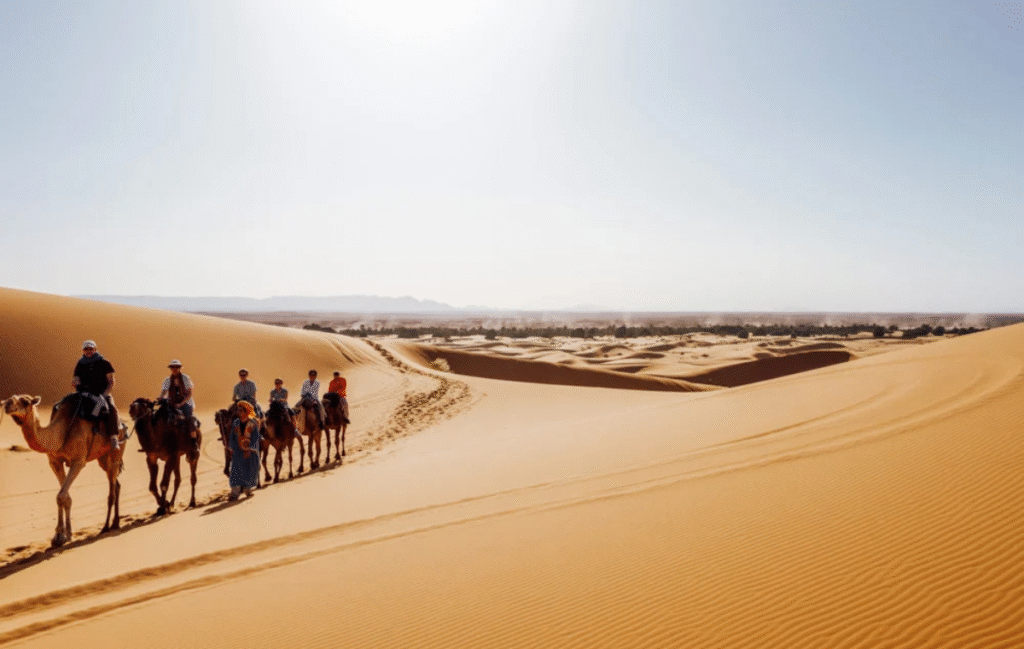
Exploring Morocco’s imperial city of Marrakech requires more than just following a standard itinerary. Private Marrakech tours offer travelers the freedom to discover this enchanting destination at their own pace, with personalized experiences tailored to individual interests and preferences. Whether you’re dreaming of riding camels across golden Sahara dunes, wandering through ancient medinas with expert local guides, or venturing into the majestic Atlas Mountains, customized private tours provide an intimate and authentic way to experience Morocco’s rich culture and breathtaking landscapes. This comprehensive guide explores everything you need to know about private guided tours in Marrakech, from multi-day desert adventures to specialized cultural excursions that showcase the very best of Moroccan hospitality. Why Choose Private Marrakech Tours Over Group Tours Private tours in Marrakech deliver an unmatched level of personalization that group tours simply cannot provide. When you book a private tour, you gain complete control over your schedule, allowing you to spend more time at locations that captivate you and skip attractions that don’t align with your interests. Your dedicated private driver and guide focus exclusively on your group, answering questions in depth, sharing local insights, and adapting the pace to match your energy levels throughout the day. Unlike group tours Marrakech visitors often book, where you’re bound to fixed schedules and larger crowds, private excursions offer flexibility to make spontaneous stops, explore hidden gems off the beaten path, and enjoy authentic interactions with local communities without the pressure of keeping pace with strangers. Types of Private Tours Available in Marrakech Private Marrakech City Tours A private Marrakech city tour immerses you in the heart of Morocco’s most vibrant urban landscape, where centuries-old traditions blend seamlessly with modern Moroccan life. Your private guide leads you through the labyrinthine streets of the UNESCO-listed medina, revealing architectural masterpieces like the Bahia Palace, the serene Majorelle Garden, and the iconic Koutoubia Mosque that dominates the city’s skyline. Private city tours allow you to navigate the bustling souks at your leisure, bargaining for handcrafted treasures while learning about traditional Moroccan craftsmanship from leather workers, carpet weavers, and spice merchants. The private walking tour Marrakech experience becomes deeply personal as your guide shares stories about the city’s history, from the Saadian dynasty to French colonial influence, while accommodating photo stops and refreshment breaks whenever you desire. Private Sahara Desert Tours from Marrakech Private Sahara desert tours from Marrakech represent the pinnacle of Moroccan adventure travel, taking you from the bustling Red City to the tranquil expanse of golden sand dunes. These carefully crafted journeys transport you across the High Atlas Mountains, through ancient kasbahs, and into the heart of Morocco’s most spectacular desert landscapes. A 3-day tour from Marrakech to Merzouga desert offers the perfect balance of travel time and desert immersion, while those seeking extended experiences might opt for a 4-day desert tour from Marrakech with 2 nights in the desert. Private desert tours guarantee exclusive camel rides at sunset, overnight stays in luxury Berber camps under star-filled skies, and the freedom to photograph the dramatic landscapes without crowds blocking your perfect shot. Whether you choose the closer Zagora Desert or the renowned Erg Chebbi dunes near Merzouga, marrakech private desert tours deliver unforgettable memories tailored precisely to your vision of Saharan adventure. Private Atlas Mountains Tour Private Atlas Mountains tours from Marrakech venture beyond city limits into snow-capped peaks, terraced valleys, and traditional Berber villages that maintain centuries-old traditions. Professional guides navigate winding mountain roads, stopping at scenic viewpoints where panoramic vistas of North Africa’s highest mountain range stretch endlessly across the horizon. These customized mountain excursions visit authentic Berber communities where local families serve mint tea and fresh bread, sharing insights about ancestral lifestyles. The flexibility of private tours allows choices between gentle valley walks, challenging mountain hikes, or relaxing at riverside cafés while absorbing tranquil mountain atmospheres. Destinations include the Ourika Valley with cascading waterfalls, the red-earthed Asni region, and remote villages accessible only by foot, offering intimate encounters with Morocco’s Berber heritage and spectacular highland landscapes. Private Day Trips from Marrakech Marrakech private day trips provide access to diverse destinations within easy reach of the Red City, ideal for travelers seeking varied experiences without overnight accommodations. The iconic Ait Ben Haddou, a UNESCO World Heritage fortified village featured in numerous Hollywood films, offers ancient earthen architecture and traditional kasbah construction insights. Coastal destinations like Essaouira showcase Atlantic breezes, whitewashed buildings with blue shutters, and fresh seafood in a Mediterranean atmosphere distinct from Marrakech’s desert climate. Private excursions to the Ourika Valley deliver refreshing mountain air and Berber village encounters, while marrakech private day trip itineraries can include stops at local cooperatives, traditional restaurants, and scenic photo locations aligned with specific interests and preferences. Luxury Private Tours Marrakech Luxury private tours marrakech combine exclusive access, premium accommodations, and refined services tailored for discerning travelers. These upscale experiences feature Morocco’s finest riads and luxury desert camps, high-end vehicle transportation with professional chauffeurs, and gourmet dining showcasing Moroccan culinary artistry. Best private tours in marrakech within the luxury category provide privileged entry to normally closed palaces, private cooking classes with renowned chefs, helicopter transfers to remote locations, and personalized shopping experiences through expert guides connected to the finest artisan workshops. Special occasions, comfort preferences, and quality-focused travel requirements find perfect expression through luxury private tours that deliver sophisticated experiences with authentic Moroccan hospitality and meticulous attention to detail. Popular Private Marrakech Tour Itineraries 3-Day Private Desert Tour from Marrakech to Merzouga The 3-day desert tour from Marrakech to Merzouga covers Morocco’s most spectacular desert landscapes while maintaining a comfortable pace for travelers. Day one crosses the High Atlas Mountains via the Tizi n’Tichka pass, stopping at Ait Ben Haddou before continuing to Dades Valley for overnight accommodation. The second day ventures through Todra Gorge’s towering canyon walls before reaching Merzouga, where camel treks transport guests into the Erg Chebbi dunes for an authentic desert camp experience under starlit skies. The final day returns to Marrakech through varied landscapes including the Draa Valley and Anti-Atlas Mountains, with stops
Marrakech to Merzouga Desert Tour 3 Days 2 Nights – Ultimate 2025 Sahara Adventure
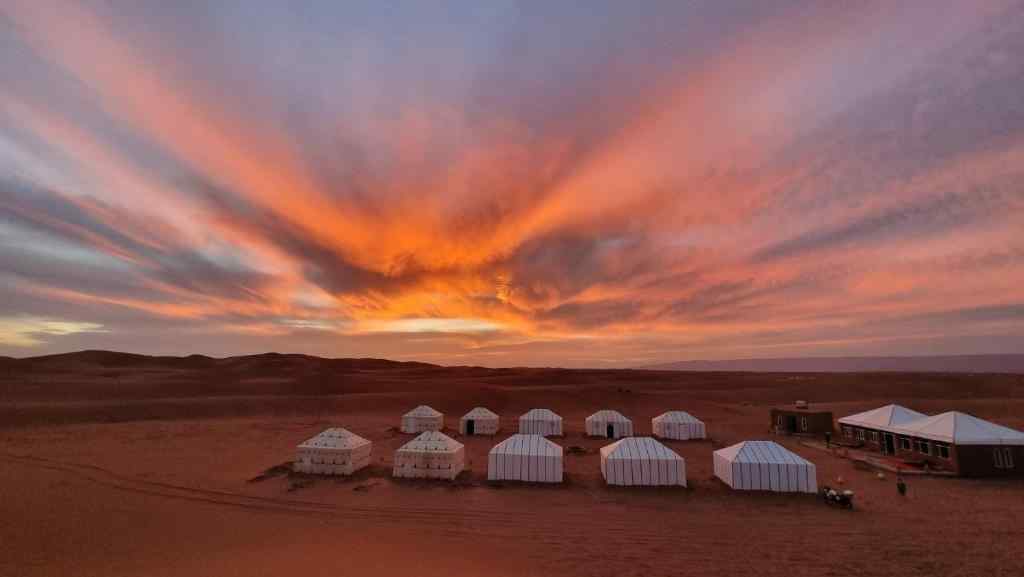
The Marrakech to Merzouga desert tour 3 days 2 nights offers a complete adventure across Morocco’s most iconic landscapes. Travelers begin in Marrakech, journey through the High Atlas Mountains, and pass traditional Berber villages, eventually reaching the vast Erg Chebbi dunes. This tour combines cultural experiences with outdoor activities like camel trekking and desert camping, providing a perfect balance of adventure and comfort. Every moment of the journey is designed for an immersive experience, from sunrise over golden sand dunes to evenings under a starry desert sky. Visitors can explore Morocco’s unique heritage while enjoying professional guidance, safe transportation, and well-planned accommodations. Detailed packages and booking options are available on the 3-Day Tour from Marrakech to Merzouga Desert page. Why Choose a 3-Day Desert Tour from Marrakech to Merzouga A 3-day desert tour from Marrakech to Merzouga is ideal for travelers who want an authentic Sahara experience without rushing. The itinerary combines sightseeing, cultural immersion, and desert adventure while maintaining comfort and safety. Key benefits include: For travelers seeking a more personalized experience, the Marrakech to Merzouga private tour offers customized routes, flexible timings, and exclusive desert activities. 3-Day Marrakech to Merzouga Itinerary Overview The 3-day Marrakech to Merzouga desert tour 3 days 2 nights is structured to give travelers a seamless and memorable experience: Day 1: Marrakech → Atlas Mountains → Berber Villages → MerzougaTravelers start early from Marrakech, cross the scenic Atlas Mountains, and visit traditional Berber villages. The day concludes with arrival at Merzouga and an evening in the desert camp, enjoying sunset views over the dunes. Day 2: Sahara Desert Adventure & Camel TrekExperience sunrise over Erg Chebbi dunes, followed by a camel trek across the desert. Optional activities like quad biking are available. In the evening, enjoy a traditional Moroccan dinner and overnight desert camping. Day 3: Sunrise & Return to MarrakechStart the day with a sunrise camel ride, then visit the local market or nearby kasbahs before returning to Marrakech. The journey back offers picturesque desert and mountain landscapes, completing the immersive 3-day adventure. For complete itinerary details and bookings, check the 3-Day Desert Tour from Marrakech to Merzouga. Inclusions & Exclusions of Marrakech to Merzouga Desert Tour 3 Days 2 Nights The Marrakech to Merzouga desert tour 3 days 2 nights is carefully designed to provide travelers with a seamless and memorable Sahara experience. The package ensures comfort, safety, and adventure while covering Morocco’s iconic desert landscapes, Atlas Mountains, and Berber villages. Camel trekking, desert camping, and traditional Moroccan cuisine are included, allowing travelers to fully immerse in the desert environment. What’s Included For travelers wanting a more exclusive experience, check the Marrakech to Merzouga private tour for personalized routes and flexible schedules. What’s Not Included Comparison Table: 3-Day Desert Tours from Marrakech The 3-day desert tours from Marrakech offer multiple options depending on budget, privacy, and preferred activities. Travelers can choose between standard group tours, private tours, or extended trips that include Fes or other destinations. A clear comparison helps in making an informed decision. Tour Type Duration Main Highlights Price (Approx) Optional Upgrades Standard 3-Day Merzouga Tour 3 days Atlas Mountains, Berber villages, camel trek, desert camp $250–$300 Quad biking, private desert camping Private Marrakech to Merzouga Tour 3 days Customized route, exclusive desert camp, camel trek $400–$500 Sunrise photography, luxury camp 3-Day Desert Tour to Fes 3 days Desert experience en route to Fes, camel trek, sightseeing $300–$350 Private vehicle, extended sightseeing Key Points: For private options and exclusive routes, see the Marrakech to Merzouga private tour. Best Time to Visit Marrakech to Merzouga Desert The ideal period for the Marrakech to Merzouga desert tour 3 days 2 nights is from October to April, when temperatures are comfortable for desert activities. Early mornings and evenings are perfect for camel trekking and desert photography, while daytime temperatures allow safe exploration of the Atlas Mountains and Berber villages. Travelers during this period can enjoy clear skies and stunning desert sunrises without the extreme heat of summer. How to Get to Merzouga from Marrakech Reaching Merzouga is part of the adventure, with a scenic journey through the High Atlas Mountains, traditional villages, and deserted landscapes. Most tours provide air-conditioned 4×4 transport, ensuring comfort during the approximately 8–10-hour journey. Stops along the way include Todra Gorges and local markets, giving travelers a glimpse of Morocco’s culture before arriving at the Sahara dunes. For hassle-free planning, travelers can book through the 3-Day Tour from Marrakech to Merzouga Desert page. Booking Process for Marrakech to Marzouki 3-Day Tour Booking the Marrakech to Merzouga desert tour for 3 days 2 nights is simple, secure, and flexible. Travelers can choose between standard group tours or private tours based on their preferences for comfort, privacy, and flexibility. Online booking allows selection of dates, tour types, and optional activities such as quad biking, photography sessions, or luxury desert camp upgrades. Immediate confirmation ensures peace of mind and preparation for the journey ahead. For fully tailored itineraries and private desert experiences, travelers can check the Marrakech to Merzouga private tour page. Overview of Marrakech to Merzouga Desert Tour 3 Days 2 Nights The Marrakech to Merzouga desert tour 3 days 2 nights offers a comprehensive adventure through Morocco’s most stunning landscapes. Travelers explore the High Atlas Mountains, historic Berber villages, and the vast Erg Chebbi dunes. The itinerary balances cultural exploration with desert adventure, including camel trekking, desert camping, and visits to local markets. The package is designed for comfort and safety, with air-conditioned transport, professional guides, and organized accommodation, making it ideal for first-time visitors and seasoned travelers alike. For detailed bookings and tour options, visit the 3-Day Tour from Marrakech to Merzouga Desert page. Itinerary for Marrakech to Merzouga Desert Tour 3 Days 2 Nights This tour begins with an early morning departure from Marrakech, heading toward the High Atlas Mountains and Berber villages. Travelers stop for sightseeing, photography, and refreshments along the way, gradually approaching the Sahara Desert. Day two features camel trekking across the Erg Chebbi
Budget Sahara Desert Tour from Marrakech: Affordable Adventure Awaits in 2025
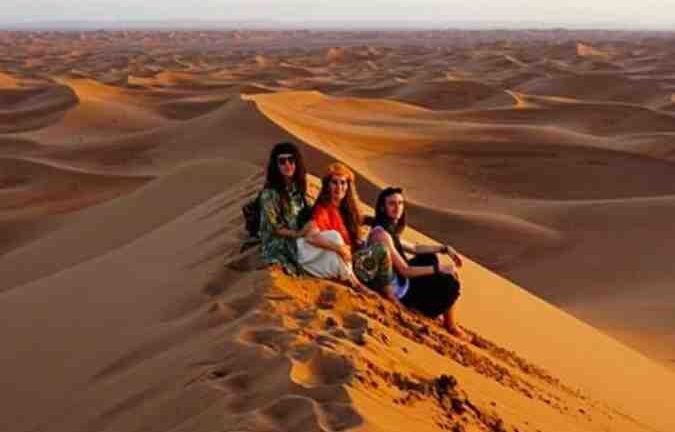
Experience the magic of Morocco’s golden dunes without breaking the bank—discover 7 proven ways to save big on your 2025 Budget Sahara Desert Tour from Marrakech while enjoying authentic Berber hospitality and breathtaking desert landscapes. Morocco’s Sahara isn’t reserved for travelers with fat wallets anymore. The landscape stretches 560 kilometers from Marrakech—mountains giving way to valleys, valleys flattening into pre-desert plains, then suddenly those massive dunes appear on the horizon. Tour companies cracked the code on making this accessible. Split costs among eight travelers sharing a Land Cruiser. Use traditional Berber camps that cost nothing to heat or cool. Buy vegetables in bulk from valley markets. Result? Authentic desert immersion at prices backpackers can afford. How Budget Tours Actually Function Economics drives everything here. Eight people splitting vehicle fuel costs eight directions instead of one person carrying the whole burden. Traditional tent camps require minimal maintenance compared to concrete structures demanding electricity and water systems. Group cooking for twenty people costs less per plate than individual meals. These aren’t corners being cut, these represent smart operational decisions that maintain experience quality while dropping per-person expenses. Standing atop Erg Chebbi’s 150-meter dunes watching sunrise doesn’t require marble bathrooms back at camp. Two Days Gets There and Back Weekend warriors get their chance through the two-day Marrakech-Merzouga sprint. Departure happens before sunrise—vans rolling out while most tourists sleep off tagine dinners. The High Atlas crossing through Tizi n’Tichka pass hits 2,260 meters elevation with hairpin turns that wake everyone up fast. Ait Ben Haddou stops traffic literally because UNESCO kasbah earned its fame through dozens of Hollywood productions. Gladiator filmed scenes there. Lawrence of Arabia too. Game of Thrones used those walls extensively. The quick two-day route covers serious distance but delivers camel treks and desert camping before heading back. Three Days Changes the Equation That extra 24 hours transform everything. Dades Valley opens with rock formations twisted into impossible shapes—geology run wild. Todra Gorge rises next, limestone cliffs shooting 300 meters straight up with gaps so narrow sunlight barely reaches bottom except midday. Three days allows stopping at Berber villages for actual conversations instead of quick photos. Carpet weavers demonstrate their craft. Clay ovens produce fresh bread with that smell that it is impossible to replicate elsewhere. The three-day package adds maybe fifty bucks but doubles the value because rushed schedules disappear completely. Four Days Covers Both Ends Marrakech-to-Fes circuits make sense for travelers heading north anyway. Backtracking 560 kilometers wastes time and money when routes can push forward instead. Four days includes both major dune systems, Erg Chebbi and Erg Chigaga. Erfoud appears mid-route, that fossil town where workshops sell everything from trilobites to actual dinosaur teeth. Ziz Valley stretches forever with palm trees flanking roads for kilometers. Landscape shifts dramatically crossing Middle Atlas where wild Barbary macaques populate cedar forests. The extended circuit uses travel time efficiently while displaying Morocco’s geographic insanity. Zagora Serves Tight Schedules Distance from Marrakech to Zagora drops to 350 kilometers. Dunes there top out around 20-30 meters versus Merzouga’s 150-meter giants. But sand exists. Sunsets happen. Stars appear. Camels function the same. The Zagora alternative cuts travel nearly half, saving money through reduced distance. Some travelers test desert camping here before committing to longer Sahara journeys. Others just need whatever fits their schedule constraints. Days Price Range Distance Best Months Group Numbers 2 $120-180 1,120 km Oct-Apr 8-12 3 $180-250 1,120+ km Sep-May 6-10 4 $240-340 1,400 km Year-round 6-15 Pricing Shifts Throughout Year October through April brings perfect weather and maximum prices because everyone targets those months. September and May qualify as shoulder periods—temperatures stay comfortable, rates drop 20-30%. Summer months June-August? Operators practically beg for bookings. Discounts sometimes hit 40% off peak pricing. The catch involves temperatures regularly exceeding 43°C during midday hours. Heat tolerance varies wildly between individuals. Some handle it fine. Others regret making decisions by one noon day. Checking climate information matches personal heat thresholds against potential savings. Standard Package Contents Transportation from Marrakech in air-conditioned vehicles—Toyota Land Cruisers for smaller groups, Mercedes vans for bigger ones. One desert night with camp accommodation, dinner, breakfast. Camel trekking to dunes and back. Multilingual guides handling English, French, Spanish, sometimes German. Fuel expenses. Luggage handling. That covers standard inclusions. What’s missing? Lunch stops at roadside places. Beverages beyond basic water. Staff tips. Optional stuff like quad bikes or sandboards. Budget roughly $30-40 extra for meals across multi-day tours. Group Tours vs Private Options Standard budget setups mix strangers into 6-15 person groups. Everyone shares vehicle expenses, creating rock-bottom per-person costs. Schedules stay fixed. Stops happen according to itinerary. Zero flexibility exists. But most budget-focused travelers prioritize savings over customization. Private tours jump 40-60% higher but allow customized routes, timing flexibility, extra photo stops. Groups hitting 4-6 people find private 4×4 arrangements suddenly competitive with shared pricing while delivering personalized experiences impossible among twelve strangers. Desert Camp Real Conditions Budget camps feature traditional Berber tents—canvas over wooden frames. Inside: actual mattresses, clean linens, pillows, thick blankets for cold desert nights. Shared bathrooms occupy separate structures with hot water showers plus western toilets. Communal dining handles evening meals family-style. Campfires burn after dark with Berber musicians performing traditional pieces. Camps lack tent electricity, private bathrooms, WiFi connectivity. Cleanliness standards stay high though, and authentic atmosphere beats luxury operations trying too hard to recreate nomadic life while charging triple rates. Food Throughout Journeys Moroccan cooking shines during these trips. Dinners center on tagines—clay pot stews mixing meat, vegetables, preserved lemons, olives, slow-cooked with generations-old spice combinations. Fresh bread arrives straight from camp ovens. Salads use local vegetables. Breakfasts include msemen (Moroccan pancakes), jam, cheese, eggs, orange juice squeezed that morning. Lunch stops hit roadside restaurants running $8-12. Friday lunches often showcase couscous—Morocco’s traditional Friday dish. Vegetarians get accommodated easily with advance warning. Vegan or gluten-free requirements prove trickier in remote desert zones. Camel Riding Facts Camel treks run 60-90 minutes, timed for sunset viewing from highest dunes. Each person gets one camel plus handler walking alongside. The swaying motion feels strange initially—camels move both right
Luxury Desert Camp Morocco – Complete Guide to Sahara Glamping 2026
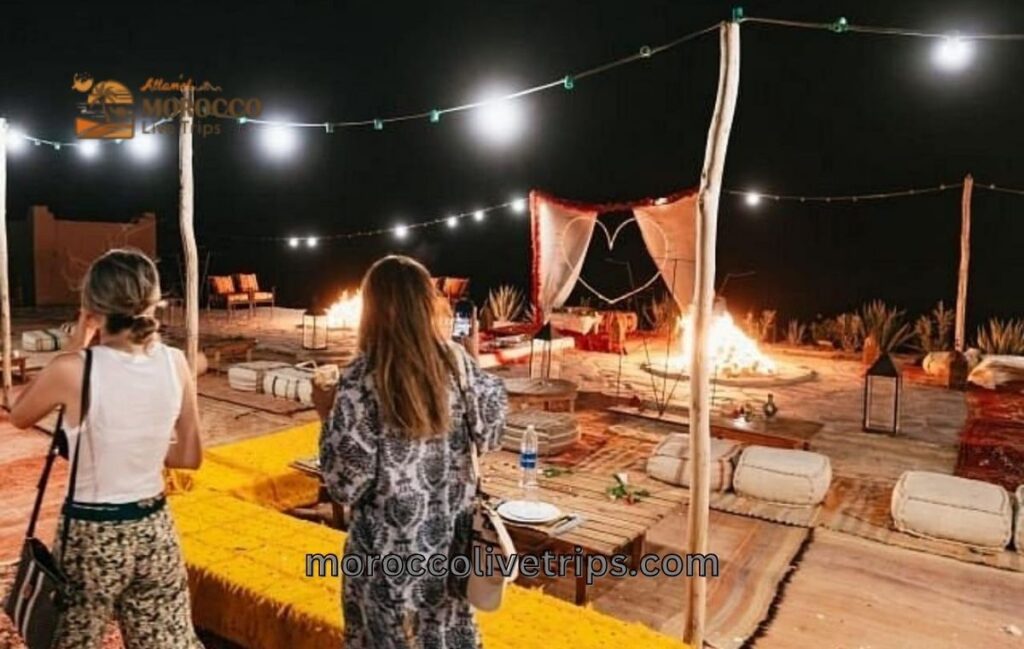
Have you ever imagined sleeping in a luxury tent in the heart of the Sahara Desert, dining under a million stars, and waking up to a breathtaking desert sunrise over the golden Erg Chebbi dunes? A luxury desert camp Morocco gives you exactly that – the raw beauty of the Moroccan Sahara combined with world class comfort and authentic Berber hospitality. At Morocco Live Trips we create unforgettable luxury desert camping experiences in Morocco for every type of traveler – and this complete 2026 guide covers everything you need to plan your perfect Sahara glamping adventure. What Is a Luxury Desert Camp in Morocco? A luxury desert camp in Morocco is a premium Sahara glamping experience that takes traditional Berber desert camping to a whole new level of comfort and style. Unlike basic desert camps, a luxury Moroccan desert camp offers spacious private tents with real beds and fine bedding, private en-suite bathrooms, solar powered electricity, and gourmet Moroccan cuisine – all set right in the middle of the stunning Erg Chebbi sand dunes in Merzouga. It is the perfect combination of authentic Sahara desert experience and modern luxury that makes every guest feel truly special. Think of it as a 5 star hotel in the middle of the Sahara Desert – but with a campfire, live Berber music, camel rides, and the most incredible stargazing sky in Morocco right outside your tent door. It is an experience that is simply impossible to find anywhere else in the world. Why Choose a Luxury Desert Camp Over a Standard Camp? Honestly, both standard and luxury desert camps in Morocco give you the same magical Sahara Desert atmosphere – the same golden sand dunes, the same stargazing sky, and the same warm Berber hospitality. But when it comes to comfort, the difference is huge. A luxury desert camp in Morocco gives you a private bathroom, a real comfortable bed, gourmet food, and solar powered electricity – things that make a massive difference especially after a long day of camel trekking in the Sahara. If you are traveling as a couple on a romantic desert getaway, celebrating a honeymoon in the Sahara, or simply want the most premium and comfortable overnight desert safari in Morocco – a luxury Berber glamping camp is absolutely worth every penny. You get the same unforgettable Moroccan desert experience but with so much more comfort, privacy, and style. Best Locations for Luxury Desert Camping in Morocco Morocco offers several stunning locations for luxury desert camping. Here are the top three destinations that offer the most authentic and premium Sahara glamping experience in Morocco: Luxury Desert Camp in Merzouga — Erg Chebbi Merzouga is without a doubt the most popular and breathtaking location for a luxury desert camp in Morocco. The towering golden Erg Chebbi sand dunes rising up to 150 meters create the most dramatic and photogenic Sahara Desert landscape in the entire country. A luxury glamping camp in Erg Chebbi gives you direct access to the most stunning camel trekking routes, the most beautiful Sahara sunsets, and the clearest desert stargazing sky in Morocco. This is the ultimate luxury Sahara desert experience that every traveler dreams about. Luxury Desert Camp in Erg Chigaga Erg Chigaga is a more remote and exclusive luxury desert camping destination in Morocco located near the town of M’Hamid el Ghizlane in southern Morocco. Because it is harder to reach it attracts fewer tourists – making it perfect for travelers looking for a truly private and exclusive Sahara glamping experience. The Erg Chigaga sand dunes are vast, wild, and breathtakingly beautiful – offering a deeper and more authentic Moroccan desert adventure for those who want to go off the beaten path. Luxury Desert Camp in Agafay — Near Marrakech The Agafay Desert is the closest luxury desert camping experience to Marrakech – just 40 minutes away. While it does not have the towering sand dunes of Erg Chebbi, the Agafay rocky desert landscape offers its own unique and stunning beauty with breathtaking views of the High Atlas Mountains. A luxury desert camp in Agafay is perfect for travelers who want a quick and easy overnight desert glamping experience near Marrakech without the long drive to Merzouga. What to Expect Inside a Luxury Desert Camp Morocco A luxury desert camp in Morocco is far beyond what most travelers expect. Here is everything you can look forward to during your Sahara glamping experience: Standard Camp vs Luxury Glamping Morocco — Full Comparison Not sure which camp type is right for you? Here is a clear and honest comparison between a standard Berber desert camp and a luxury glamping camp in Morocco to help you make the best decision: Feature Standard Desert Camp Luxury Glamping Camp Tent Type Traditional Berber tent Spacious luxury tent Bed Quality Basic comfortable bedding Premium beds and fine bedding Bathroom Shared bathroom Private en-suite bathroom Hot Shower Limited Yes – always available Electricity Limited Solar powered electricity Food Quality Traditional Moroccan dinner Gourmet Moroccan cuisine Privacy Shared spaces Private and exclusive Interior Design Basic traditional Elegant Moroccan decor Camel Ride Included Included Campfire & Music Included Included Stargazing Included Included Price Budget friendly Premium experience Best For Budget & backpack travelers Couples, honeymooners, families No matter which option you choose both camps offer the same magical Sahara Desert atmosphere. However if you are looking for the most comfortable, private, and premium overnight desert experience in Morocco – the luxury desert glamping camp is the clear winner every single time. Top Activities at a Luxury Desert Camp in Morocco Staying at a luxury desert camp in Morocco is not just about comfort – it is about experience. Here are the top activities you can enjoy during your Sahara glamping stay in Merzouga: Luxury Desert Camp Morocco Prices 2026 — What Is Included & What Is Not The luxury desert camp Morocco price typically starts from around $150 to $300 per person per night depending on the location, camp quality, and season.
Overnight Camel Trek Erg Chebbi Dunes: 2025 Prices & Essential Tips
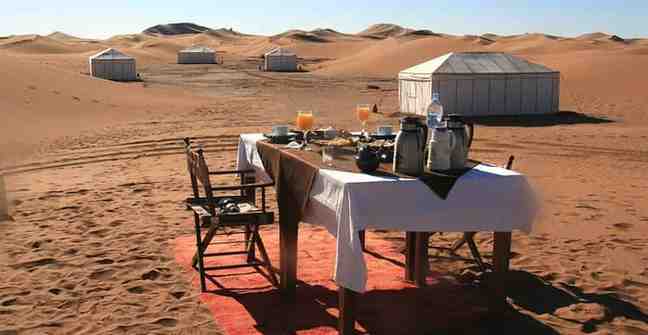
Morocco’s Sahara keeps getting hyped across social media. An overnight camel trek Erg Chebbi dunes sits somewhere between genuine adventure and tourist trap depending on who gets booked. Berber camps spread across Merzouga—quality ranges from sketchy tents with questionable hygiene to setups rivaling boutique hotels. Picking wrong costs money and ruins what should be a trip highlight. Erg Chebbi Beats Other Desert Locations—Here’s Why Erg Chebbi’s dunes tower at 150 meters. Stand at the base looking up and it feels absurd that wind piled sand that high. Other Moroccan deserts max out around 50-60 meters—impressive until compared directly. Merzouga village proximity means less travel time wasted getting there. Sand composition leans toward golden orange instead of boring beige. Berber families started camping decades ago, not recently to capitalize on Instagram trends. Merzouga Camel Trek Price Reality for 2025 Budget packages advertise €40. Premium hits €120. Massive spread for supposedly identical experiences raises questions. €40 gets cramped camps with 15-20 strangers, thin blankets, forgettable tagines. €60-€90 mid-range delivers private tents, guides who know astronomy beyond pointing randomly at stars, actual Moroccan food. €120 premium includes sunrise treks, unlimited stops, camps where bathroom facilities won’t traumatize sensitive travelers. Price Bracket Cost What Actually Comes with It Cheap €40-€60 Shared tent situation, basic food, crowded Decent €60-€90 Own tent, real guides, smaller groups Luxury €90-€120 Proper beds, good meals, private or tiny groups Booking Overnight Camel Trek Morocco—Timing Matters Massively October through April. That’s it. Summer Sahara isn’t “warm”it’s 45°C+ where heat becomes a safety issue. Winter nights occasionally freeze though camps pile blankets. March and November hit ideal conditions before tourist hordes arrive. April brings sandstorms messing with schedules. May gets dusty. June-September? Skip unless heat tolerance is exceptional and even then, reconsider. Finding Top Rated Overnight Camel Trek Erg Chebbi Dunes Operators TripAdvisor ratings matter here because fake reviews get exposed fast in small communities. Check dates—reviews older than six months might not reflect current operations. Healthy camels show clear eyes, good body condition, calm temperaments. Ribs showing means underfed animals and sketchy operators. Group size caps at 8 maximum separate quality from factory tourism. Morocco Live Trips maintains small groups for desert tours from Casablanca routes, explaining consistent high ratings. Hour-by-Hour Breakdown of Actual Camel Trekking Experience 4:30 PM—Meet Merzouga. Camels are taller than expected. Mounting feels awkward initially, like climbing furniture that moves. 5:00 PM—Start riding. First 15 minutes involve white knuckling the saddle. Camels walk slow—think grandparent stroll pace. 6:30 PM—Sunset mid-trek if timing works correctly. Sky explodes with colors for maybe 30 minutes then fades fast. 7:15 PM. Mint tea appears immediately. Tents assigned. Bags are already transported somehow. 8:00 PM—Dinner time. Tagine with bread. Quality varies wildly between operators—from amazing to “this came from a can, didn’t it?” At 9:30 PM—Berber music starts. Drums, singing, campfire. Touristy? Absolutely. Still works though. 11:00 PM—Stars everywhere. Ridiculous amounts. Milky Way is visible clearly without light pollution. 6:00 AM—Wake-up call. Dune hike for sunrise optional but worth dragging out of warm blankets. 7:30 AM—Breakfast. More mint tea, bread, jam, olives sometimes. 8:00 AM—Camel ride back toward Merzouga. Packing List That Actually Matters for Erg Chebbi SPF 50 minimum because desert sun reflects off sand hitting from multiple angles simultaneously. Long sleeves in light fabric beat tank tops despite seeming backwards. Closed shoes do not sandal unless they stand between toes for hours sounds appealing. Nights need actual jackets not lightweight hoodies. Small backpacks work since camels haul main bags competently. Camera batteries drain faster in temperature extremes. Cash for tips—cards don’t work middle-of-nowhere. Wet wipes because “bathroom facilities” are generous terminology sometimes. Extending Treks into Longer Morocco Circuits Single overnight workers are standalone. Marrakech to Merzouga desert trips combine mountain passes, ancient kasbahs, desert camping. Three-day versions hit Ait Benhaddou (Game of Thrones filming location) and Todra Gorge—worth extra days first-timers. Ten-day comprehensive routes add coastal cities and mountains showing Morocco’s full range. The 3-day Sahara tour from Marrakech packs highlights without feeling rushed if time’s limited. What Morocco Camel Trekking Reviews Reveal and What Gets Missed Top Merzouga operators cluster at 4.8-5.0 stars across hundreds of reviews—statistically meaningful. Reviews mentioning specific guide names usually signal better experiences because guides stick around caring about reputation. Group size complaints appear consistently for budget operators cramming people. Temperature surprises show up frequently underestimating cold nights or brutal midday sun. Animal welfare complaints occasionally pop up for sketchy operations. Photography timing exceeds expectations regularly according to reviews. Kids on Camel Treks—Realistic Expectations Kids under 8 struggles with standard 90-minute rides. Shorter versions exist but require asking specifically during booking. Morocco family-friendly desert tours adjust schedules around shorter attention spans and nap requirements. Smaller camels handle lighter weights better. Helmet availability varies wildly—confirm beforehand not upon arrival. Camp sand activities occupy kids between meals. Teenagers often rate desert camps as trip highlights over city tours surprisingly. Family tents cost extra always. Private vs Group Treks—What €50 Extra Actually Buys Private costs 50%+ more minimum. Buys complete schedule control though. Leave whenever, guide answers endless questions without rushing, unlimited photo stops. Romance obviously works better privately. Private 4×4 desert tours mix vehicle comfort with exclusive camel experiences. Group treks split costs effectively making budget sense. Solo travelers typically prefer groups—meeting random international travelers beats solo dinners. Photography enthusiasts benefit massively from private flexibility. Real Overnight Camel Trek Erg Chebbi Dunes Cost Hidden Extras That €60 base package. Add €50-€80 Marrakech transportation. Quad biking €35 extra per hour. Photography workshops with actual professionals €60-€75 additional. Guide tips €8-€10 expected. Camp staff tips €3-€5 more. Camp souvenirs were marked up 200-300% typically. Comprehensive packages bundling transportation and activities usually save 20-30% versus piecemeal booking. Hidden fees with reputable operators? Rare. Budget operators? Read fine print carefully multiple times. Berber Community Respect—What Actually Matters Cover shoulders and knees minimum regardless of personal beliefs about religious customs. Photograph people only after asking permission—basic respect anywhere, desert included. Genuine questions about traditions welcomed. Condescending anthropology-student interrogations aren’t. Local guides support entire families not just themselves. Respectful treatment impacts livelihoods beyond politeness. Sustainable operators hire village residents instead of importing city
4 Day Sahara Desert Tour Marrakech to Fes – Ultimate 2025 Journey Through Morocco’s Golden Dunes
Professionally guided 4 Day Sahara Desert Tour Marrakech to Fes expeditions connect two imperial cities through Morocco’s most breathtaking landscapes, complete with camel treks and authentic Berber hospitality. Why Choose a 4-Day Desert Tour from Marrakech to Fes Four-day journeys strike an excellent balance between thorough exploration and comfortable pacing without exhausting schedules. Extended itineraries permit proper immersion into diverse terrains while traversing High Atlas Mountains, ancient kasbahs, desert landscapes, concluding in Fes. Unlike shorter 3-day desert tours rushing through highlights, additional days permit genuine connection with desert environments and local communities maintaining traditions for centuries. Complete Itinerary Breakdown Day 1: Marrakech to Dades Valley via Ait Ben Haddou Departures from Marrakech ascend through Tizi n’Tichka Pass at 2,260 meters elevation. Routes include stops at UNESCO-listed Ait Ben Haddou Kasbah where ancient trading caravans rested, Ouarzazate film studios, Skoura palm groves before reaching Dades Valley where hotels provide overnight stays overlooking dramatic gorge formations. Day 2: Dades Valley to Merzouga Desert via Todra Gorge Travel continues through Todra Gorge with 300-meter canyon walls creating narrow passages. Landscapes transform as golden Erg Chebbi dunes appear stretching across horizons. Camel caravans transport visitors into desert territories for sunset viewing before arriving at traditional camps featuring Berber music around campfires. Day 3: Full Day Exploring Erg Chebbi and Desert Activities Morning sunrise viewing precedes optional activities distinguishing this 4-day Sahara Desert tour Marrakech to Fes from compressed alternatives: Day 4: Merzouga to Fes via Ziz Valley and Cedar Forests Desert sunrise viewing precedes camel rides returning to Merzouga village. Northward journeys pass Ziz Valley with thousands of date palms creating verdant ribbons, Midelt lunch stops, Azrou Cedar Forest housing wild Barbary macaque monkeys, Ifrane’s Alpine architecture before Fes arrival. What Makes Multi-Day Desert Tours Stand Out Extended desert tours separate casual tourists from genuine adventurers seeking authentic Moroccan experiences beyond typical sightseeing. Dedicated third days in Merzouga deliver what compressed itineraries cannot—sufficient time for morning desert meditation when sand remains cool, afternoon cultural workshops, evening stargazing sessions creating lasting memories. This pacing eliminates exhaustion common in rushed tours, connecting with other Atlas Mountains and desert tours for comprehensive exploration. Transportation Standards and Vehicle Types Well-maintained 4×4 vehicles and minibuses handle Morocco’s varied terrain from mountain switchbacks to sandy desert tracks without mechanical issues. Air-conditioned transportation ensures comfortable travel with spacious interiors for luggage and camera equipment throughout extended journeys covering over 1,000 kilometers. Professional drivers conduct daily safety checks while private options deliver maximum flexibility allowing spontaneous stops. Accommodation Quality Across Different Regions Dades Valley features traditional guesthouses with private rooms and en-suite facilities showcasing local architectural styles incorporating carved wooden details. Desert camps offer private tents with comfortable beds equipped with quality linens, shared bathrooms with hot showers powered by solar heating, communal dining areas where meals get served family-style encouraging conversation. Solar panels power lighting and charging stations while woolen blankets provide warmth during cooler nights when temperatures drop significantly after sunset. Understanding Route Distances and Travel Times Marrakech to Merzouga distance spans approximately 560 kilometers, requiring strategic breaks throughout travel days preventing fatigue. Day one covers roughly 320 kilometers to Dades Valley with significant monument stops at Ait Ben Haddou and Ouarzazate reducing continuous driving time. Day two’s 260 kilometers to Merzouga includes extended Todra Gorge exploration allowing travelers to stretch legs and photograph narrow canyon passages carved over millennia. Final day from Merzouga to Fes represents approximately 470 kilometers broken intelligently by stops in Ziz Valley, Midelt, Azrou, Ifrane making drives genuinely enjoyable through constantly changing scenery. Tour Comparison 3-Day Tour 4-Day Tour Desert Time 1 night only 2 nights with full exploration Daily Driving 7-9 hours 5-7 hours average Activities Limited availability Full day for quad biking, workshops Photography Sunset OR sunrise Both sunset AND sunrise Route Round trip to Marrakech One-way ending Fes Pacing Rushed schedule Comfortable exploration Cultural Depth Surface interactions Extended community engagement Flexibility Fixed tight schedule Room for spontaneous stops Essential Activities Included in Tour Packages Camel treks into Erg Chebbi rank among Morocco’s most iconic experiences with sunset and sunrise rides delivering optimal photography conditions and comfortable temperatures avoiding midday heat. 4×4 desert safaris explore fossil beds dating back millions of years when Sahara was covered by oceans, seasonal lakes attracting flamingo populations during wet periods, abandoned mining villages inaccessible to camels revealing historical trading remnants with crumbling kasbahs. Cultural components feature authentic Berber village visits showcasing traditional lifestyles largely unchanged for centuries and optional nomad encounters supporting local economies through responsible tourism practices benefiting communities directly. Booking Process and Payment Options Packages vary based on group size, accommodation standards, travel seasons with completely transparent pricing structures avoiding hidden fees. Inclusions cover private transport throughout entire journey, English-speaking drivers with extensive regional knowledge, specified accommodations at each destination meeting quality standards, listed meals including hearty breakfasts and traditional dinners, authentic camel trekking experiences, comfortable desert camp stays. Exclusions typically involve lunches allowing dining flexibility and personal menu choices, beverages beyond included meals like soft drinks or alcohol, entrance fees to monuments and attractions like Ait Ben Haddou, optional activities chosen based on personal interests and energy levels. Optimal Visiting Seasons for Desert Exploration Spring months from March through May deliver ideal conditions with moderate temperatures ranging 20-28°C and blooming wildflowers transforming valleys into colorful landscapes rarely seen by summer visitors. Autumn from September through November provides comfortable weather without extreme summer heat exceeding 45°C in desert regions making outdoor activities unbearable. These periods offer optimal photography light with clear skies and pleasant temperatures for outdoor activities including hiking through gorges, extended camel riding, desert exploration without heat exhaustion risks. Best time to visit Morocco Sahara varies depending on personal heat tolerance and schedule flexibility though most travelers prefer shoulder seasons avoiding peak summer and winter extremes. Packing Essentials for Desert Adventures Layered clothing handles dramatic temperature fluctuations common in Moroccan desert regions with lightweight cotton fabrics for scorching daytime and warm fleece layers for frigid nights when temperatures plummet dramatically. Sun protection
2 Day Zagora Desert Tour from Marrakech: Real Desert Access Without the Marathon Drive
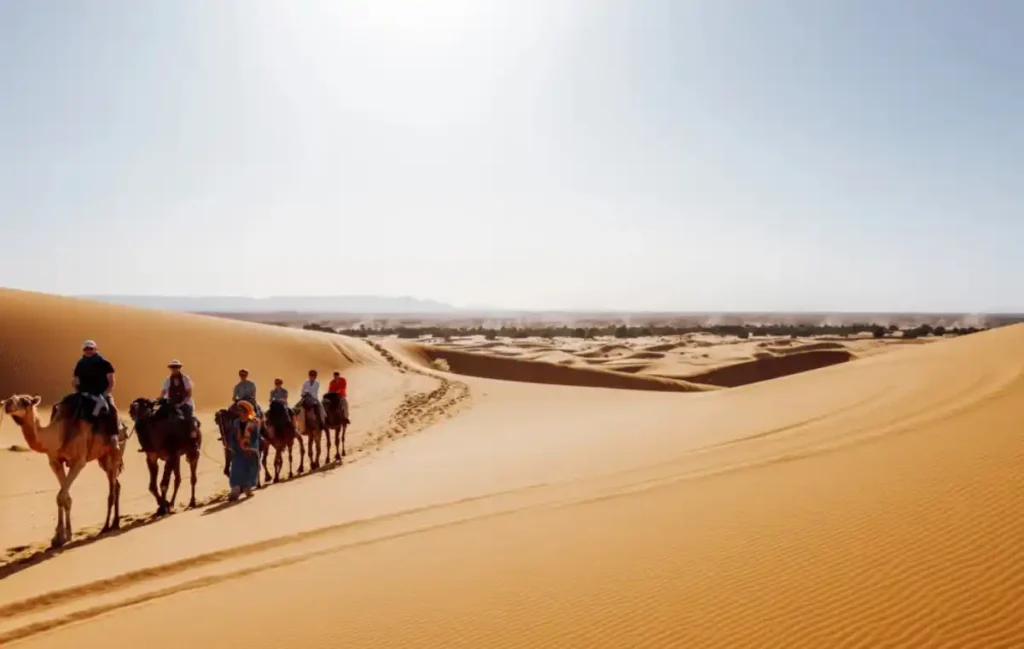
Getting to Morocco’s Sahara doesn’t require a cross-country expedition. The 2 Day Zagora Desert Tour from Marrakech puts you in legitimate desert terrain—sand dunes, camel routes, Berber camps—within striking distance of Marrakech. Two days will get you there and back with enough time in between to experience what you came for. Why Zagora Works When You’re Not Spending a Week Simple geography: Zagora sits 350 kilometers out. Merzouga stretches past 560. Both qualify as actual Sahara, both deliver dunes and desert camps, but one cuts your drive time nearly in half. That matters when you’ve got a limited window or other Morocco destinations on your list. The dunes here aren’t postcard-massive like Merzouga’s Erg Chebbi, but they’re substantial enough to photograph well and give you that desert horizon experience. Palm oases run for kilometers through the Draa Valley. Kasbahs built centuries back when this route moved African gold northward still stand along the road. You’re getting authentic territory, just the closer version. What Two Days Actually Looks Like Day One: Mountain Crossing to Desert Camp Pickup happens around 7 AM from your Marrakech accommodation. The route immediately climbs into the High Atlas, winding up to Tizi n’Tichka pass where the air thins out at 2,260 meters. Temperature drops noticeably despite Morocco’s heat reputation. First stop worth mentioning: Ait Benhaddou. This UNESCO earthen fortress has appeared in Gladiator, Lawrence of Arabia, and numerous other films because its photographs are better than set designers could fake. After exploring, you continue through Ouarzazate, then trace the Draa Valley where ancient irrigation channels still water date palms. Mid-afternoon arrival at Zagora puts you on camelback for the trek to camp—usually 60-90 minutes threading between dune formations. Sunset out here lacks city interference, just unobstructed horizons. Dinner follows Berber communal style with shared tagine dishes and mint tea sweet enough to be dessert. Drums come out after dark, locals playing traditional rhythms that aren’t performance but what they’d do regardless. Atlas Mountains and Desert Tours manage these cultural pieces without making them feel manufactured. Day Two: Pre-Dawn Dunes to Marrakech Alarm rings before sunrise. Worth the early wake—watching light creep across dunes transforms the entire landscape as shadows define details invisible at noon. Breakfast back at camp runs typically: bread, jam, cheese, eggs available, more of that ultra-sweet tea. Return drive covers identical road but different lighting changes everything. Stops hit alternate spots, maybe argan oil cooperatives demonstrating traditional processing, maybe valley viewpoints skipped yesterday. You’re back in Marrakech between 6-8 PM depending on photo stop frequency. Pricing Reality and What’s Actually Covered Shared group tours run €80-120 per person. Private vehicle arrangements jump to €200-400 per person depending on how many people split costs. Morocco desert tour 2 days from alternate starting points show comparable pricing structures. Base price includes transportation in climate-controlled vehicles, driver who knows mountain roads, one night in equipped tent, three meals total, camel trek both directions, and entrance fees to major sites. Not included: personal beverages, staff tips, optional activities added on. Upgrade tiers exist. Better camps mean attached private bathrooms, actual beds versus floor mattresses, electricity for device charging. Luxury options add hot showers and enhanced meals. The core experience stays constant though—you’re still sleeping in desert, still riding camels, still crossing those mountains. Tour Type Cost Range Group Size Camp Level Shared €80-120 8-15 people Basic tents, shared facilities Small Group €150-200 4-7 people Improved tents, better bathrooms Private €200-400 1-3 people Flexible schedule, upgraded camps Premium €400+ 1-3 people Top facilities, maximum comfort Transportation: What’s Actually Moving You Most operators deploy Toyota Land Cruisers or equivalent 4x4s rated for mixed terrain. Larger group tours might use minibuses where roads allow. Private 4×4 desert tours in Morocco provide routing flexibility—want extra time at that overlook? Done. Need unscheduled bathroom break? Just speak up. Legitimate operators maintain vehicles properly. Air conditioning functions (critical crossing summer valleys). Drivers hold commercial licenses and know which curves demand reduced speed. Insurance exists, though hopefully goes untested. The Actual Math on Distance and Drive Time Marrakech to Zagora measures 350 kilometers straight-line. Factor in mountain switchbacks dropping speed to 30 km/h, valley photo stops every hour, and bathroom breaks, and you’re looking at 6-7 hours one-way under typical conditions. “Typical” assumes no accidents blocking the pass, no construction adding detours, no weather forcing caution. Marrakech 2 day trip schedules build buffer time because Morocco operates on flexible time concepts. Return journey covers same ground but somehow feels quicker—probably because you know what’s coming. When Booking Makes Most Sense March through May hits the sweet spot. September through November might be better. Temperatures stay warm enough to enjoy outside activity; cool enough you’re not liquefying into sand. Morocco culture history holidays see heaviest bookings during these months. Summer? Temperatures crack 40°C routinely. Desert camps become ovens by midday. Some prefer it though—fewer tourists, reduced prices, and if heat doesn’t bother you, the experience stays just as real.Winter flips the equation. Days stay pleasant but nights plummet near freezing. You’ll need legitimate cold-weather gear, not just windbreakers. Stars in cold, clear desert air shine absurdly bright though. Every season trade something. What Cultural Programming Really Means Evening at camp, drums appear. Locals play Berber rhythms—not as fifteen-minute show but for hours because that’s normal activity. You can attempt following the beat, probably fail, nobody cares. Dinner follows communal eating customs—shared tagine in center, everyone tears bread and dips in. Staff explain the why behind it if asked: traditional hospitality customs, tea ceremony significance, meal structure reasoning. Marrakech to Merzouga desert trips feature similar cultural components. Some camps add henna application, bread baking demos, or stargazing where guides identify constellations only visible from dark-sky zones. Whether these feel genuine or staged depends heavily on operator quality and your own expectations entering. Camp Accommodations: The Honest Breakdown Bottom tier provides traditional nomad tents—thick woven fabric, ground mattresses, wool blankets. Bathrooms sit in separate blocks: basic toilets, cold showers with questionable water pressure. It’s camping, just
3 Day Desert Tour from Marrakech to Merzouga: Your Complete 2025 Guide
Planning a 3 Day Desert Tour from Marrakech to Merzouga? This route takes you through Morocco’s High Atlas Mountains, past ancient kasbahs, and straight into the Sahara’s tallest dunes. Here’s what happens on this trip, what it costs, and whether it’s worth your time. Why Pick a 3-Day Trip Over Shorter Options Two-day tours to Zagora exist but skip the real Sahara. You won’t see those massive dunes everyone posts on Instagram. One-day trips are basically just driving—you spend maybe an hour at the dunes before heading back. Three days gives you proper time at Erg Chebbi (the actual big dunes near Merzouga) without killing yourself with 18-hour driving days. You stop at Ait Ben Haddou, walk through Todra Gorge, sleep in a desert camp, and don’t feel rushed constantly. What Happens Day One: Marrakech to Dades Valley You leave Marrakech around 7-8am. First big challenge is Tizi n’Tichka pass—highest road in North Africa at 2,260m. It’s paved but windy with sharp curves. Lots of small Berber villages cling to the mountainsides. Around 11am you reach Ait Ben Haddou, that mud-brick fortress from Game of Thrones and half of Hollywood’s “desert” movies. It takes about 45 minutes to walk through if you actually go inside versus just taking photos from outside. Lunch stop happens in Ouarzazate or nearby. Then you drive through Valley of Roses (nothing special unless you’re there in May during harvest). Dades Valley has weird rock formations locals call “monkey fingers.” You sleep at a basic riad here. Don’t expect luxury. What You Get Details Trip Length 3 days, 2 nights Where It Starts Marrakech hotels Where It Ends Merzouga or Fes Total Distance About 560km each way Desert Camping 1 night at Erg Chebbi Camel Ride 1.5 hours in, 1.5 hours out Best Time September-November, March-May Worst Time June-August (too hot) Day Two Gets You to the Actual Desert Todra Gorge comes first thing in the morning. Canyon walls shoot up 300m and squeeze down to 10m wide at the narrowest point. Rock climbers love it. You’ll see guys dangling from ropes. It’s good for photos but only takes 30-40 minutes to walk through. After that, landscape changes fast—Rocky Mountains become flat scrubland, then you start seeing palm trees around Erfoud. These oases use old underground water channels called khettara. Merzouga village sits right at the dune edge. You meet camels here around 4-5pm. The camel trek into Erg Chebbi dunes takes 90 minutes going slow to catch sunset. Sand gets everywhere. Wear close shoes, not sandals. Desert Camp Reality Check Camps range from “glamping” luxury to basic. Standard camps have private tents with real beds and mattresses—not sleeping bags thrown on sand. You get blankets and pillows. Bathrooms are separate buildings with actual toilets and sinks, though showers might be cold or non-existent depending on camp quality. Luxury camps add private attached bathrooms and hot water. Dinner is tagine or couscous served family-style at a big table. After eating, there’s usually drumming and singing around a fire. Sky is ridiculous at night because there’s zero light pollution. Temperature drops hard after sunset—winter nights hit freezing, summer nights stay warm. Bring layers regardless of season. Day Three: Sunrise Then Long Drive Back Wake-up call happens around 5:30-6am to catch sunrise. Color change happens fast—maybe 20 minutes from purple to orange to bright yellow. After breakfast, camels take you back to Merzouga. Then it’s basically retracing yesterday’s route back to Marrakech. Some tours stop at Atlas Film Studios in Ouarzazate on the way back. You reach Marrakech late—usually 7-9pm depending on traffic and how many photo stops the group wants. Three days involves roughly 12-14 hours total sitting in a vehicle. Luxury Tours Cost More but Change Experience Basic group tours use minibuses with 15+ people crammed in. You stop when the driver decides. Accommodation is budget riads and basic camps. Luxury Marrakech to Merzouga tours swap the minibus for a private 4×4, upgrade every hotel to 4-star, and give you a camp with actual amenities. Food quality jumps significantly. Your guide speaks better English and knows more history. You control the schedule—want to stop for photos? Just ask. Worth the extra cost if you hate group travel or have money to spend. 4-Day and 5-Day Versions Add Different Stuff Four days usually means an extra night in Dades Valley so you can hike Todra Gorge properly instead of rushing through. Or you get two nights in the desert for both sunset and sunrise from different dune spots. Five days can add Chefchaouen (the blue city) or Middle Atlas mountains with cedar forests. Longer trips mean less driving per day—4-5 hours instead of 6-7. Better for kids or anyone who gets carsick easily. Trade-off is obviously more vacation days and higher total cost. Ending in Fes Instead of Going Back to Marrakech Tons of people book this as a one-way trip. Days one and two stay the same. Day three goes northeast through Ziz Valley (millions of date palms) instead of backtracking west. You cross Middle Atlas Mountains and drop into Fes by evening. Makes sense if you’re flying out of Fes or want to see northern Morocco next. Tours ending in Fes cost about the same as round trips. You see different scenery instead of repeating the same road. Pack Smart Because Conditions Change Drastically Even summer nights get cool in the desert. Winter nights drop below freezing. Pack layers you can add or remove T-shirts, long pants, warm jacket. Closed shoes are mandatory for camel riding and walking on hot sand. Sun protection is serious—SPF 50 minimum, hat, sunglasses. Sand ruins cameras if you’re not careful. Bring lens cleaning kit. Extra camera batteries matter since charging opportunities are limited. Small flashlights help at night navigating camp. Wet wipes substitute for showers since water is scarce. Cash for buying drinks and souvenirs—cards don’t work outside major towns. What This Trip Actually Costs Budget group tours start €120-140 per person but pack you into a minibus with 17 strangers and use the cheapest camps. Mid-range
Desert Tours from Casablanca: Your 2025 Gateway to Morocco’s Sahara Adventure
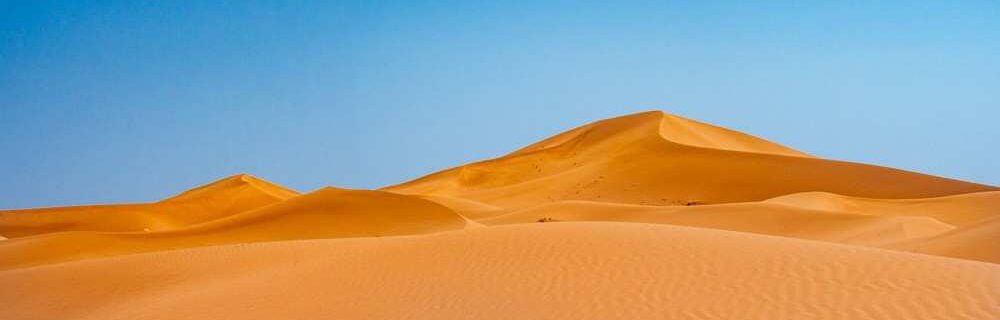
Why Choose Desert Tours from Casablanca Casablanca beats other starting points hands-down for international travelers. Mohammed V Airport handles flights from everywhere, so you’re not wrestling with multiple connections just to begin. Plus, starting coastal means, you watch Morocco morph from sea-level plains through mountain passes until boom—you’re surrounded by endless sand. The routing flexibility from Casablanca lets you design trips hitting exactly what interests you most—whether that’s imperial cities, Berber villages, or straight-shot desert immersion. Distance Between Casablanca and the Sahara Your driving time shifts based on where you’re headed. Merzouga’s iconic Erg Chebbi sits 560 kilometers southeast—figure on spending most of a day getting there, but the scenery makes it worthwhile. Zagora’s closer at 450 kilometers, Erg Chegaga hits around 500. The distance works in your favor because you’re constantly encountering new terrain, stopping at historic kasbahs, and meeting locals in roadside villages. Merzouga Desert Experience Merzouga owns Morocco’s desert reputation, and for good reason—dunes tower 150 meters high here. The Merzouga region delivers textbook Sahara stuff: sunset camel rides, sleeping under stars in Berber camps, watching how nomads survive out here. The sand quality differs from other Moroccan deserts—finer grains, richer orange-red color, smoother curves that shift constantly with wind patterns. Zagora Desert Gateway Zagora works better if Casablanca-to-Merzouga feels too far. The 2-day Zagora desert tour nails it for weekend warriors who still want legit desert action. The region served historically as a major caravan route linking sub-Saharan Africa with northern Morocco—you’re literally following ancient trade paths. Desert Destination Distance from Casablanca Journey Duration Best For Merzouga (Erg Chebbi) 560 km 8-9 hours Classic high dunes, luxury camps Zagora 450 km 7-8 hours Quick weekend escapes Erg Chegaga 500 km 8-9 hours Remote wilderness experience Ouzina Dunes 540 km 8 hours Off-the-beaten-path adventures Extended 10-Day Morocco Desert Tours from Casablanca Want the full Moroccan experience? The 10-day Morocco tour from Casablanca throws desert, cities, mountains, and coast into one trip. This extended itinerary lets you spend multiple nights in different desert camps, explore both major dune systems, and dedicate proper time to imperial cities without rushing. 8-Day Desert Tour via Chefchaouen and Fes Everyone posts on Instagram. Yeah, you can hit it plus the desert. The 8-day tour from Casablanca via Chefchaouen threads through Rif Mountains, dives deep into Fes’s medieval medina, wraps up with Sahara nights where stars outnumber city lights a million to one. This route maximizes diversity—you’re experiencing mountain culture, ancient urban civilization, and nomadic desert lifestyles all in one journey. 3-Day Chegaga Desert Trips from Casablanca Short on time but craving wilderness? The 3-day Chegaga desert adventure delivers hardcore desert vibes fast. Erg Chegaga’s Morocco’s loneliest major dune field—regular cars can’t even reach it, 4x4s only. The isolation factor here can’t be overstated, you might not see another person for hours outside your group. 4-Day Extended Chegaga Journey Add one day and everything changes. The 4-day Chegaga tour builds in kasbah stops, actual Berber village visits, valley detours. That extra day typically includes Draa Valley exploration where Morocco’s longest river creates surprising greenery against desert backdrop—date palm groves stretching for kilometers. Desert Tour from Casablanca to Marrakech Routes Connecting Morocco’s two major cities creates something special. You’re crossing High Atlas peaks, stopping at Ait Benhaddou (yeah, that Game of Thrones spot), exploring Todra and Dades Gorges before camp. The gorges deserve more attention than most itineraries give them—sheer rock walls rising hundreds of meters, narrow passages where sunlight barely penetrates. Year-Round Availability for Desert Tours Desert tours run 365 days—seasons just flavor things differently. March-May brings perfect temps for all-day hiking and exploring. September-November matches that comfort with bonus crystal-clear night skies. Morocco Live Trips operates year-round, guides know exactly when conditions peak for what you want. Winter surprises people with how cold nights drop, sometimes near freezing, but daytime warmth stays pleasant. What Makes Top-Rated Desert Tours Stand Out Premium tours separate from mediocre ones fast. Drivers who’ve done these routes a thousand times keep you safe and drop knowledge bombs about what you’re seeing. The difference shows in detail—quality tents that don’t leak during rare rains, meals that taste good instead of just being edible, drivers who recognize when you need rest stops without being asked. Visiting Casablanca Before Your Desert Tour Casablanca earns stopover time easily. Hassan II Mosque is architecturally insane—ocean location, massive scale, intricate details. The city represents modern Morocco better than tourist-focused spots—you’re seeing where actual Moroccans live, work, and socialize. Our destinations page covers everywhere else Morocco offers. Photography Opportunities for Desert Tours Morocco’s deserts are photographer crack. Dunes shift colors minute-by-minute as sun moves—sunrise pastels, midday harshness, sunset golds. Long exposure night photography captures star trails arcing over dunes, creating images impossible in light-polluted areas. The minimalism works beautifully simple compositions of curves, shadows, and textures without visual clutter. Comparing Marrakech and Casablanca as Starting Points Marrakech sits 350 kilometers from Merzouga, 280 from Zagora—closer. But Casablanca brings better international flights, route diversity through different terrain, watching Morocco’s full landscape transformation. Check our Marrakech tours if that base works better. The extra distance from Casablanca means you’re seeing more of Morocco—coastal plains, Middle Atlas foothills, High Atlas crossings. Streamlined Online Booking Process Good operators make booking dead simple. Detailed itineraries show exactly what happens when. Transparent pricing—no surprise fees popping up later. Payment security matters enormously reputable operators use encrypted systems protecting financial information. Confirmation should arrive instantly with all relevant details including emergency contact numbers, meeting points, what’s included versus optional extras. Essential Packing for Desert Environments Pack smart even though operators cover basics. Light breathable stuff for brutal daytime heat. Warm layers because desert nights get shockingly cold. Sunglasses need UV protection and ideally polarization to cut off sand. Headlamps or flashlights prove essential since desert camps often have limited lighting after dark. One Day in Casablanca: Must-See Highlights Tight schedule? Hit Hassan II Mosque early morning before crowds’ swarm. Central Market for lunch—authentic Moroccan food, local atmosphere. The mosque tours