Casablanca
You know what strikes you first about Casablanca? It’s nothing like what you’d expect from a Moroccan city. Forget the romantic movie images—this place runs on business, port activity, and a metropolitan energy that catches visitors off guard. The Atlantic crashes against its western edge while over 4 million people navigate daily life in neighborhoods that range from gleaming business districts to traditional medina quarters. Landing here feels less like arriving in exotic North Africa and more like touching down in a working city that happens to have incredible history layered underneath the modern hustle.
Understanding Casablanca's Geographic Location
Morocco planted itself at Africa’s northwestern corner, and Casablanca grabbed the best Atlantic coastline real estate available. The positioning wasn’t accidental—this stretch of coast offered natural advantages for port development, and once the French colonizers recognized that, the city’s fate got sealed. Today the urban sprawl extends for miles along the water and pushes inland toward agricultural regions where the Casablanca-Settat area transitions from concrete to farmland. Drive 30 minutes in any direction and you’ll see how the city bleeds into its surroundings, with suburbs giving way to smaller towns that feed workers into the metropolitan core each morning.
The Cultural Legacy Behind the Fame
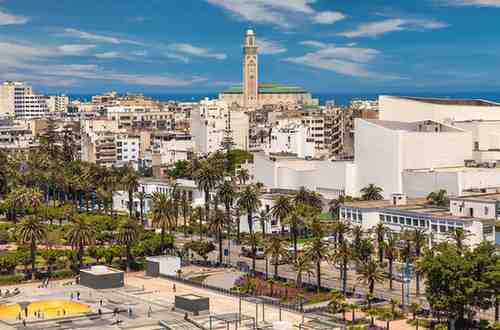
Everyone recognizes the name thanks to Hollywood. Michael Curtiz directed that 1942 masterpiece with Humphrey Bogart playing Rick and Ingrid Bergman as Ilsa, creating what film critics still call one of cinema’s finest achievements. Bogart’s “Here’s looking at you, kid” became shorthand for romantic goodbyes everywhere. But here’s what gets me—the whole production was filmed on Warner Brothers soundstages in California. Not one frame was shot in actual Morocco. The real Casablanca bears zero resemblance to the film’s atmospheric gin joints and fog-shrouded airports. What you actually get is the towering Hassan II Mosque, straight-lined Art Deco buildings from the 1920s-1930s, and markets where vendors hawk fresh sardines next to spice pyramids.
| Casablanca Quick Facts | |
| Country | Morocco |
| Region | Casablanca-Settat |
| Population | 4+ million (metro area) |
| Main Port | Port of Casablanca (Africa’s largest artificial port) |
| Airport | Mohammed V International Airport |
| Known For | Hassan II Mosque, Art Deco architecture, commercial center |
Hassan II Mosque: Architectural Marvel
Talk about making a statement. The minaret shoots 210 meters skyward—that’s roughly a 60-story building—and you can spot it from practically any neighborhood. King Hassan II wanted something monumental, so construction kicked off in 1986 with thousands of Moroccan artisans carving marble, painting cedar, and laying zellige tile patterns. Seven years and countless dirhams later, it opened to the public. The wild part? Sections of the prayer hall sit directly over the ocean on pillars, with glass floor panels letting you see waves rolling underneath. The main hall fits 25,000 people, the courtyard another 80,000. Unlike most Moroccan mosques, non-Muslims can tour it during designated hours, which is worth doing just to see the craftsmanship up close.
Starting Your Moroccan Journey from Casablanca
Mohammed V International Airport processes most international arrivals into Morocco. Flights come in from European capitals, Middle Eastern hubs, and select African cities throughout the day and night. Makes sense to start here if you’re planning to see multiple regions—the train network radiates outward, connecting to Marrakech in about three hours, Fes in four, Tangier in under five. You could rent a car, but Moroccan driving culture takes some getting used to (aggressive doesn’t quite cover it). Our tour packages eliminate that headache by handling transportation, so you’re not white-knuckling it through roundabouts while trying to read Arabic road signs.
Desert Adventures from the Atlantic Coast
Getting from Casablanca to the Sahara requires serious commitment. Merzouga, home to those massive Erg Chebbi dunes, sits over 560 kilometers southeast. That’s not a day trip—it’s a journey through the Middle Atlas mountains, past cedar forests where Barbary macaques hang out, through Berber villages where kids wave at passing vehicles, and across increasingly arid landscapes until suddenly you’re staring at sand dunes that look photoshopped. The payoff justifies the distance. Camping under Sahara stars delivers a silence so complete your ears ring. Sunrise camel treks, traditional Berber music around campfires, sleeping in nomad tents—these experiences stick with you. A 10-day Morocco tour from Casablanca spaces everything out properly so you’re not exhausted.
The Blue Pearl and Imperial Cities Route
Chefchaouen earned its “Blue Pearl” nickname honestly. Tucked into the Rif Mountains about 350 kilometers north, the entire town got painted in shades of blue somewhere back in the 1930s. Different stories explain why—some say Jewish refugees started it, others claim it repels mosquitoes, but honestly nobody knows for sure anymore. What matters is how it photographs. Every corner, every stairway, every door frame pops in blue and white. Fes offers the opposite experience—a medieval medina so complicated you’ll definitely get lost even with a guide. These imperial cities showcase Morocco’s layered history better than any museum could. The 8-day tour from Casablanca to desert via Chefchaouen and Fes strings these highlights together logically, giving you time to absorb each place instead of sprinting through.
Casablanca's Modern Commercial Identity
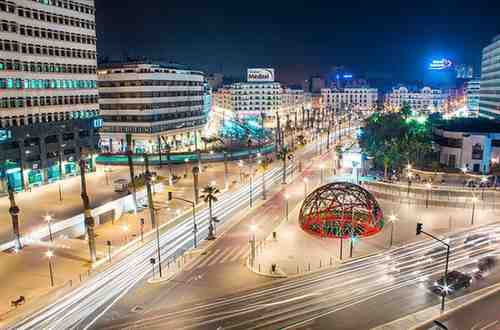
Step into the Twin Center district and you might forget you’re in Morocco. Glass towers, businesspeople rushing between meetings, coffee shops full of laptops and conference calls. The Casablanca Stock Exchange operates here, banks have their headquarters clustered nearby, and the port—Africa’s largest artificial harbor—processes millions of tons of cargo annually. This commercial energy separates Casablanca from tourist-focused cities like Marrakech or cultural centers like Fes. Money gets made here. Deals get struck. The skyline keeps pushing upward with new construction. Some travelers find it off-putting, preferring more “authentic” Moroccan cities, but this modern facet represents Morocco’s economic reality and future ambitions.
Weather Patterns and Visiting Seasons
The Atlantic moderates everything temperature-wise. January might dip to 12°C on cold nights, August peaks around 28°C during afternoon hours, but ocean breezes keep it bearable. Winter means rain—not constant downpours, more like periodic showers that locals barely acknowledge. Summer stays bone dry. Spring and autumn hit the sweet spot for tourism. April through May brings flowers blooming and comfortable walking weather. September through October delivers the same pleasant conditions without summer’s crowds. July and August see Moroccan families taking vacations, so beaches and popular spots get packed. Europeans flood in around Easter. Choose your timing based on whether you prefer elbow room or don’t mind sharing space with other visitors.
Exploring Multiple Desert Destinations
Morocco’s desert options break down geographically and experientially:
- Merzouga and Erg Chebbi – The classic Sahara experience with massive dunes, farthest from Casablanca but most spectacular
- Zagora – Closer option, reachable in long day drives, smaller dunes but authentic desert atmosphere
- Erg Chigaga – Most remote, fewer tourists, harder access requiring 4×4 vehicles for final approach
- M’hamid – Edge of the desert, gateway town to more isolated dune regions
Each location delivers something different. Merzouga has infrastructure—hotels, camps, organized tours. Zagora offers quicker access for time-limited trips. Chigaga rewards those seeking isolation from tourist circuits. The Merzouga desert tours typically need 3-4 days minimum because distance and experience quality demand it.
The Corniche: Coastal Leisure District
The Corniche stretches along Casablanca’s western waterfront for several kilometers, transforming from residential to leisure zones as you move south. Weekends bring everyone out—families picnicking, couples walking, teenagers showing off cars, older men fishing off rocks. Beach clubs line the route, some charging steep entrance fees and attracting a see-and-be-seen crowd dressed like they’re heading to Milan Fashion Week. Other spots stay casual and accessible. The ocean provides the constant backdrop, waves rolling in regardless of what happens on land. Summer evenings see the Corniche packed until late, with restaurants full and clubs thumping music across the water.
Traditional Markets and Local Shopping
The Central Market (Marché Central) operates daily near the old medina and packs in sensory overload. Fishmongers display that morning’s catch on ice beds—sardines, sea bass, sole, prawns, octopus. Produce vendors stack oranges, dates, and vegetables in perfect pyramids. Spice sellers offer saffron, cumin, paprika, and ras el hanout blends from burlap sacks. Bargaining happens automatically—quoted prices are starting points, not final numbers. Quartier Habous, built in the 1930s by French urban planners attempting “traditional” Moroccan design, somehow works despite its artificial origins. Arcaded shops sell leather bags, carved wooden items, woven carpets, and brass lanterns. Prices stay more fixed than the Central Market, though negotiation still applies. Quality varies wildly—some stalls sell genuine craftsmanship, others peddle imported junk with “Made in Morocco” stickers slapped on.
Culinary Scene and Dining Options
Casablanca’s food scene splits multiple ways. Traditional Moroccan restaurants serve tagines in those conical clay pots—lamb with prunes, chicken with preserved lemons and olives, vegetable versions featuring seasonal ingredients. Couscous appears everywhere, especially Fridays when families gather for the traditional midday meal. The Atlantic location means seafood dominates many menus—grilled fish, seafood pastilla, shrimp tagines. But the city’s size and cosmopolitan character brought Italian trattorias, Japanese sushi bars, Lebanese mezze restaurants, and French bistros. The Corniche hosts upscale establishments with ocean views and prices that make you wince. Head inland to working neighborhoods like Hay Mohammadi or Derb Ghallef and you’ll eat incredibly well for pocket change. Street food vendors sell msemen (those layered Moroccan pancakes), harira soup, grilled meat skewers, and fresh-squeezed orange juice.
Transportation and Connectivity
The tram system started running in 2012 and changed how people move around. Two lines connect major districts with clean, air-conditioned cars that arrive regularly. Petit taxis—those small red ones—zip through traffic for short trips, theoretically using meters though you sometimes need to insist. Grand taxis cram six passengers into old Mercedes sedans for fixed routes between cities. Buses cover routes the tram misses, though they’re slower and pack tighter during rush hours. For longer distances, trains run frequently to other major cities. The airport connects to downtown via train now, which beats dealing with taxi drivers who quote tourist prices. Our Casablanca-based tours handle all this complexity so you’re not deciphering bus routes or arguing about taxi fares.
Art Deco Architecture and Urban Landscape
Between 1920 and 1956, French architects designed hundreds of Art Deco buildings across Casablanca. Geometric patterns, curved corners, decorative metalwork, stepped facades—the style defined whole neighborhoods. Boulevard Mohammed V showcases pristine examples. The Maarif district hides gems down side streets. Many buildings face neglect, with paint peeling and decorative elements crumbling, while others received recent restoration work. Walking tours focus specifically on this architectural heritage because Casablanca holds one of the world’s largest Art Deco collections outside Miami. Photographers love how these vintage structures contrast against modern glass towers and how afternoon light catches the geometric details.
Rick's Café: Fiction Meets Reality
In 2004, Kathy Kriger—an American diplomat—opened Rick’s Café to recreate the fictional bar from Bogart’s film. She found an old courtyard mansion, spent months getting the atmosphere right with period furniture and curved archways, hired a pianist for nightly performances of “As Time Goes By,” and opened the doors. Tourists absolutely love it. The place stays packed with visitors wanting that connection to the movie, even though intellectually everyone knows the original never existed outside a Hollywood soundstage. Food quality ranges from decent to good depending on what you order. Drinks flow freely. For one evening you can pretend you’re in wartime Morocco, surrounded by intrigue and romance. Locals mostly roll their eyes at the whole concept, seeing it as tourist theater, but visitors consistently rate it highly. The experience matters more than authenticity here.
Week-Long Exploration Options
Seven days provides enough time to see Morocco’s major highlights without feeling rushed. You can cover Chefchaouen, Fes, the desert, and maybe swing through Marrakech if routing works efficiently. The trick is logical geography—not backtracking, not wasting half-days on redundant driving. The 7-day tour from Casablanca routes everything to flow naturally from Atlantic coast through mountains to desert and back. Each day brings different landscapes and cultural experiences, but there’s breathing room built in. No 5 AM departures every single morning. No racing through places just to tick boxes. Good itineraries balance movement with rest, structured activities with free time.
Morocco Mall and Modern Retail
Africa’s third-largest mall opened here in 2011 and immediately became a destination. Multiple floors hold international brands—Zara, H&M, Mango, plus luxury names, Moroccan retailers, electronics stores, and everything else. An aquarium runs through the center with sharks and rays circling. The food court spans an entire floor. IMAX screens show current releases. Moroccan families treat this as weekend entertainment—spend the whole day, let kids run around the play areas, eat lunch and dinner, maybe purchase something. The mall represents modern Morocco’s consumer culture, the expanding middle class with disposable income and Western retail aspirations. It contrasts sharply with traditional souks where vendors haggle over every dirham, yet both commercial formats coexist successfully, each serving different demographics and needs.
Port Activities and Maritime Heritage
Casablanca’s port sprawls across the waterfront handling everything from container ships to fishing boats. It ranks as one of Africa’s largest ports, processing millions of tons of cargo annually. Security runs tight—you can’t tour it casually as a regular tourist. But the port shapes the city’s character and economy fundamentally. Those fish in the Central Market? Caught by boats operating from here. Goods stocked in stores across Morocco? Probably arrived through these docks first. The fishing harbor segment operates separately, with trawlers returning at dawn loaded with sardines, sea bass, sole, prawns, and octopus. Watch during early morning hours and you’ll see the catch getting sorted and auctioned right on the docks while seagulls swarm overhead screeching.
Religious and Cultural Coexistence
Casablanca historically hosted significant Jewish and Christian populations alongside its Muslim majority. Numbers decreased dramatically post-independence in 1956, but remnants remain visible. The Jewish Museum of Casablanca documents centuries of Moroccan Jewish history through artifacts and photographs. Cathedral Sacré-Coeur stands empty now—converted to an exhibition and cultural space—but its architecture still impresses with soaring arches and detailed stonework. The Church of Notre Dame de Lourdes continues holding services, its interior flooded with colored light from massive stained glass panels. This religious layering adds historical texture that purely tourist-oriented cities sometimes lack, revealing Morocco’s position as a crossroads where different faiths intersected for centuries.
Beyond the City Limits
Day trips from Casablanca open up additional exploration options for those with flexible schedules:
- El Jadida – Portuguese fortifications from the 1500s, underground cistern featured in Orson Welles’ “Othello,” decent beaches
- Azemmour – Whitewashed medina buildings, rampart walls, artistic community, quieter than tourist magnets
- Settat region – Agricultural heartland with wheat fields, olive groves, small towns tourists never visit
- Mohammedia – Beach resort town, seafood restaurants, less crowded than Casablanca’s beaches
- Bouskoura forest – Green escape, eucalyptus and pine trees, weekend picnic destination for locals
These excursions won’t blow your mind like the Sahara or Chefchaouen, but they show you Morocco that guidebooks skip—the everyday places where ordinary Moroccans live without tourist infrastructure or souvenir hawkers.
Planning Your Moroccan Adventure
Morocco trips need advance planning because distances deceive on maps, choices overwhelm first-time visitors, and logistics can derail good intentions fast. Renting a car works if you’re comfortable with aggressive driving styles and don’t mind navigation challenges in cities where street signs might not exist. Public transportation reaches most destinations but consumes time and requires patience. Organized tours eliminate friction points—transportation gets handled, knowledgeable guides provide context and access, accommodations get pre-arranged at vetted properties. You decide what interests you most—history, food culture, adventure activities, photography opportunities—and itineraries build from there. To discuss options matching your specific schedule and interests, contact us and we’ll map something that fits your travel style and priorities.
Nightlife and Entertainment Options
Casablanca parties harder than the rest of Morocco combined. Alcohol flows more freely here than conservative cities like Fes, though Islamic culture still limits availability compared to European standards. The scene concentrates along the Corniche and in neighborhoods like Maarif and Gauthier. What you’ll encounter:
- Live music venues ranging from traditional Gnawa performances to jazz clubs and rock bars
- Rooftop lounges at upscale hotels serving cocktails with sunset views over the Atlantic
- Beach clubs that transition from daytime sun lounging to nighttime dancing with DJ sets
- Casinos at certain five-star hotels for gambling enthusiasts
- Late-night cafés where locals smoke shisha, play cards, and debate football until 3 AM
- Nightclubs pumping electronic music and hip-hop with dress codes and cover charges
The nightlife splits clearly between tourist-oriented spots charging premium prices and local hangouts where you’ll be the only foreigner. The latter category often proves more interesting and authentic, though navigating them requires more cultural awareness.
FAQs
Casablanca sits in Morocco, positioned on the northwest African coast. Morocco borders the Atlantic Ocean westward, the Mediterranean Sea northward, Algeria eastward, and has ongoing territorial disputes with Western Sahara southward.
The 1942 film starring Humphrey Bogart launched the name into global consciousness. Beyond Hollywood, the city’s fame stems from being Morocco’s economic powerhouse, housing the Hassan II Mosque, and serving as the country’s primary port and business nerve center.
“Here’s looking at you, kid” gets quoted most frequently, delivered by Bogart’s Rick Blaine character. “We’ll always have Paris” runs close second. Amusingly, “Play it again, Sam”—the line everyone thinks appears in the film—never actually does. It’s a cultural misquote that stuck.
Depends entirely on your cinema preferences. The dialogue’s sharp, the performances hold up remarkably well, and it deserves its reputation as a masterpiece. Some viewers find the pacing slow compared to modern films. But it runs only 102 minutes—give it a shot and form your own opinion.
Charaf Tajer launched the luxury fashion brand Casablanca in 2018. The line specializes in silk shirts featuring bold prints, expensive leisurewear with resort aesthetics, and tennis club-inspired designs. The brand references the city’s name but operates from Paris, pricing pieces at levels that make most people gasp.
Several perfume companies incorporate “Casablanca” into product names, capitalizing on the city’s romantic associations created by the film. These fragrances aren’t manufactured in Morocco—it’s pure marketing strategy exploiting the name’s exotic appeal and cultural cachet.
Making the Most of Your Visit
Morocco rewards smart planning combined with flexibility. Structure handles the big stuff—hitting essential sites, managing distances efficiently, avoiding logistical nightmares with transportation and accommodation. Flexibility lets you stumble onto experiences no itinerary anticipates—that tiny restaurant where locals eat incredible food, the craftsman’s workshop tucked down an unmarked alley, the unexpected sunset view from somewhere guidebooks never mention. Professional tour operators balance both elements. You get must-see attractions covered while maintaining room for spontaneity and genuine discoveries. Whether you’re after desert camping, mountain hiking, city exploration, or blending all three, Morocco delivers if you approach it right. For planning assistance tailored to how you actually want to travel rather than cookie-cutter packages, reach out through our contact page and let’s build something matching your interests and travel philosophy.
Stay Connected with Us!
Join our community to receive the latest travel updates, exclusive deals, and insider tips. Follow us on social media and never miss an adventure!