moroccolivetrips.com

7 Days from Marrakech: Morocco Routes, Costs & Practical Planning Guide 2025 Got a week to explore Morocco? Marrakech makes a solid base—deserts lie 9 hours southeast, Fes sits 7 hours northeast, coastal Essaouira's just 3 hours west. Here's what works, what doesn't, and how to avoid common mistakes. Marrakech as Launch Point: Logistics Breakdown Marrakech handles international flights from Europe, North America, Middle East. Roads radiating outward are actual highways now—not the rough tracks people imagine. The city concentrates tour operators, rental agencies, hotels from $10 dorms to $500 riads. Starting elsewhere means extra connections or border crossings that eat time. Simple geography puts major attractions within reasonable driving range. That's why most itineraries begin here rather than Tangier or Casablanca. Imperial Cities Circuit: Historical Route Four old capitals form this route—Fes, Meknes, Rabat, sometimes Casablanca. Fes has UNESCO medina, Meknes shows 17th century gates, Rabat mixes government with ancient kasbahs, Casablanca features Hassan II Mosque. Each represents different dynasty periods. Highways between cities run smooth. Fes keeps craftsmen working in workshops unchanged for generations. Meknes built stables housing 12,000 horses back when that mattered. Rabat feels calmer than Fes or Marrakech chaos. Day Stop Attractions Travel Day 1 Marrakech Jemaa el-Fna, Souks, Bahia Exploration Day 2 Casablanca Mosque, Corniche 3h Day 3 Rabat Kasbah, Tower 90min Day 4 Meknes/Volubilis Ruins, Gates 2h Day 5 Fes Medina, Tanneries 1h Day 6 Chefchaouen Blue streets 4h Day 7 Return Atlas scenery 6h Sahara Desert Focus: Dunes and Gorges This route prioritizes getting into actual desert. Cross High Atlas early, stop Ait Benhaddou (Gladiator filming location), push toward Merzouga's massive dunes. Sunset camel rides into sand, overnight camps, Berber hosts cooking tagine over fires. Stars show up in numbers impossible near cities. Return route cuts through gorges—cliffs rising 300 meters vertical. Better than city tours if landscapes matter more than architecture. Casablanca Endpoint Alternative Flying out of Casablanca instead of returning Marrakech changes routing. Structure days 1-4 toward desert around Merzouga, days 5-6 northwest toward coast, finish Casablanca. Reverse also works—cities first, beach ending. Eliminates backtracking time. Coastal section adds Atlantic views, seafood, modern architecture contrasting with ancient medinas. Self-Drive Car Rental Considerations Rental cars provide stopping flexibility. Highways connecting major destinations improved significantly—autoroutes with clear signage. Mountain roads need focus but stay paved mostly. City driving brings aggressive local drivers, chaotic roundabouts. Medina parking impossible—park outside, walk in. Requirements include regular license plus international permit. Agencies require 21+ age. Basic sedans €30-50 daily, 4x4s cost more but unnecessary unless serious off-roading planned. Fuel stations regular except remote southern stretches. Guided vs Independent: Trade-offs Professional tour companies eliminate language barriers, arrange accommodations, provide historical context through guides. Group tours split costs but follow fixed schedules with strangers. Private tours cost double or triple but adapt to individual pace and interests. Independent travel cuts expenses significantly but demands extensive pre-research and flexibility handling problems. Choice depends on comfort with uncertainty, language skills, navigation confidence. Tangier to Marrakech: North-South Flow Spain ferries land Tangier, or flights arrive there. Starting north and finishing south flows naturally—Mediterranean influences gradually transform into pure Moroccan aesthetics. Temperature increases heading south. Chefchaouen's blue streets, across to Fes, ending Marrakech. Summer benefits from this direction—escape northern humidity by finishing inland. Ferry crossings from Tarifa take roughly 1 hour. Actual Expenditures: Budget Reality Hostel beds, street vendors, public buses: $50-70 daily covers everything. Breakdown—$10-15 accommodation, $15-25 meals, $10-15 transport, $10-15 activities. Private hotel rooms, occasional taxis, restaurant dining: $120-180 daily. That's $40-70 hotels, $30-40 food, $25-35 transport, $15-25 tickets. Upscale riads, private drivers, fine dining: $300+ daily minimum. Desert camps range $30 shared facilities to $200 luxury glamping with electricity and private bathrooms. Seasonal Timing: Weather Patterns March-May delivers moderate temperatures—warm days, cool nights, blooming landscapes, manageable tourist numbers. Desert and mountain exploration both comfortable. September-November similar conditions plus harvest activities visible. June-August brings 40°C+ southern heat, though coastal areas stay breezy and high elevations pleasant. European vacation period means higher prices, busier sites. December-February features mountain snow, cold desert nights ideal for campfires, rock-bottom accommodation rates. Temperature swings require layering strategy. Packing Essentials: Minimalist Approach Layers outperform packing for every scenario. Long sleeves and pants block sun while meeting modesty standards. Walking shoes crucial—sandals inadequate for hours on cobblestones. Critical items: sunscreen (expensive locally), wide-brim hat, sunglasses, European adapter, portable charger, basic medications. Women need scarves for religious site entry. Camera gear varies by interest level. Reusable water bottle saves constant purchases. Luggage space needed for inevitable souvenir purchases—rugs, lanterns, spices get bought despite best intentions. Specialized Birding Itineraries Morocco hosts 450+ bird species—residents and migrants. Customized birding routes from Marrakech target varied ecosystems: High Atlas forests, Sahara margins, Atlantic wetlands, anti-Atlas slopes. Target species include Levaillant's Woodpecker (endemic), Tristram's Warbler, Thick-billed Lark, Moussier's Redstart. Key locations—Ouarzazate palm groves, Tagdilt Track near Agadir, Oukaimeden slopes, Souss-Massa reserves. April-May migration period offers maximum diversity. Winter attracts European escapees plus breeding residents. Transportation Methods Compared Private vehicles (rental or hired) maximize flexibility and comfort. Stop anywhere, control schedule completely. Grand taxis cram six passengers into aging Mercedes—cheap but uncomfortable, fixed routes only. CTM and Supratours operate scheduled intercity buses with air conditioning. Trains efficiently link Marrakech-Casablanca-Rabat-Fes-Tangier at reasonable fares. Domestic flights save hours but cost multiples more and skip ground-level cultural exposure. Strategic mixing works best—private for scenic routes, trains for quick city transfers. Accommodation Options Analyzed Traditional riads hide behind plain medina doors—gorgeous courtyards with fountains, intricate tilework inside. Authentic architecture, rooftop terraces, personalized service. Parking nonexistent, GPS fails in alley mazes. Modern hotels outside old quarters offer familiar amenities, straightforward access, competitive online rates. Desert camps vary dramatically—basic nomadic tents with pit toilets versus glamping with real mattresses, private facilities, solar power. Converted kasbahs blend historic structures with modern plumbing. Direct booking sometimes undercuts platform prices at independent properties. Culinary Highlights: Regional Specialties Tagines slow-cook meat with preserved lemons, olives, spice combinations refined over centuries. Friday couscous remains weekly tradition many establishments observe. Pastilla wraps sweet-savory filling in crispy layers—counterintuitive flavor profile that works. Harira soup appears everywhere, particularly during Ramadan. Street food delivers exceptional value—msemen flatbreads fresh off griddles, grilled sardines at coastal markets, fresh-squeezed orange juice. Mint tea accompanies every interaction. Cooking workshops teach spice techniques replicable at home. Vegetarians must specify clearly—meat appears in unexpected dishes. Tap water unsafe—bottled only, avoid unpeeled market produce. Cultural Norms: Behavioral Guidelines Modest dress required—shoulders and knees covered, especially women. Shoes removed entering homes or mosques. Right hand for eating and greetings—Islamic tradition considers left unclean. Photography requires permission, particularly for women and children. Some expect small payment. Souk bargaining expected—start around 50% of initial price, negotiate from there. Friday prayer times reduce business hours, close mosques to tourists. Ramadan daylight hours mean no public eating or drinking out of respect for fasting locals. Basic greetings—"salam alaikum" or "bonjour"—facilitate smoother interactions. Photography Locations: Technical Considerations Desert dunes transform with lighting—golden hour just after sunrise or before sunset creates dramatic shadows, warm tones. Chefchaouen's blue streets optimal in soft morning light before tour group arrivals. Covered medina souks require higher ISO settings due to limited natural light. Atlas passes provide panoramic compositions changing seasonally. Drone restrictions apply near military installations and crowds—local permission essential. Traditional markets offer vibrant color through spice pyramids, dyed textiles. Fes tanneries give unique overhead perspectives into dye pits. Berber villages against mountain backdrops provide cultural context. Desert camps enable star photography far from light pollution interference. Security Assessment: Risk Factors Morocco maintains relative safety for international visitors. Tourism revenue importance drives government protection efforts. Standard urban precautions apply—belongings monitored in crowded medinas, isolated areas avoided after dark, official taxis or vetted drivers used. Petty theft occurs occasionally, violent crimes against tourists remain rare. Food safety issues minimal following basic protocols—busy establishments, cooked items, bottled water exclusively. Travel insurance covering medical emergencies, cancellations, lost possessions essential. Emergency contacts: police 190, ambulance 150, fire 150. Embassy information saved before arrival. Political demonstrations occasional but avoidable. Flash floods threaten desert regions during infrequent heavy rains—local guides understand patterns. Extended Itinerary Possibilities Seven days covers primary highlights but additional time reveals secondary layers. 10-day routes from Marrakech incorporate Atlantic coast—Essaouira's windy beaches or Agadir's resort infrastructure. Extra days enable High Atlas trekking to remote Berber settlements, Ouzoud Waterfalls visits (Morocco's highest), multiple desert camp experiences across different regions. Northern extensions reach Tangier's historic quarters and Mediterranean coastline. Southern routes explore anti-Atlas valleys and lesser-visited oases with minimal tourist presence. Extension decisions factor energy levels, budget flexibility, specific interests. Combined Desert-Cities Sample Route Day 1: Depart Marrakech early, cross High Atlas via Tizi n'Tichka Pass, stop Ait Benhaddou fortress, continue Ouarzazate overnight. Day 2: Transit Skoura palm groves and Dades Valley geological formations, explore Todra Gorge narrow canyon, reach Merzouga desert base evening. Day 3: Sunset camel trek into Erg Chebbi dunes, overnight desert camping with Berber hosts, traditional music, stars. Day 4: Sunrise over dunes, return Merzouga, drive north through Ziz Valley toward Fes, stop Azrou cedar forests with Barbary macaques. Day 5: Explore Fes medina with guide—tanneries, Quaraouiyine Mosque, artisan quarters producing traditional crafts manually. Day 6: Transit to Chefchaouen via Volubilis Roman ruins and Meknes imperial monuments, afternoon arrival for blue street wandering. Day 7: Early Chefchaouen photography before return drive to Marrakech through Rif Mountains, scenic viewpoint stops. Booking Process: Selection Criteria Research established operators with verified reviews across independent platforms beyond company websites. Compare itineraries critically—excessive driving reduces actual destination time. Clarify inclusions precisely: specific meals, entrance fees, guide presence throughout versus select sites only, accommodation star ratings. Book 2-3 months ahead for peak periods (March-May, September-November) securing preferred dates and superior properties. Last-minute bookings might reduce costs but severely limit options. Cancellation policy scrutiny essential—flight disruptions and emergencies happen. Demand detailed daily breakdowns indicating departure times, driving distances, specific activities before payment. Common Questions Addressed Which route suits first-time visitors for 7 days from Marrakech? Desert-focused route hitting Erg Chebbi dunes and Atlas gorges delivers iconic Morocco experiences. Imperial cities better for architecture enthusiasts over landscape priorities. Realistic budget for one Morocco week? Budget travel $400-600 total, mid-range comfort $800-1,200, luxury experiences $2,000+ including all expenses—accommodation, transport, meals, activities, fees. Is seven days sufficient time? One week covers major highlights without excessive rushing. Morocco's size prevents comprehensive coverage—better to experience fewer areas properly than superficially rush through many. Rental car versus guided tour advantages? Self-driving works for navigation-confident travelers comfortable with foreign driving. Tours eliminate logistics stress and provide expert cultural interpretation through guides. Spring packing essentials for Morocco week? Layered clothing—t-shirts, long pants, light jacket, broken-in shoes, sun hat, scarf. European adapter, charger, sunscreen, basic medications complete essentials. Travel insurance necessity for Morocco? Absolutely essential—covers medical emergencies requiring upfront payment at Moroccan hospitals, trip cancellations, lost possessions. Compare policies for coverage details. Morocco Journey Planning Resources Seven days exploring Morocco from Marrakech provides substantial exposure to diverse landscapes, architectural heritage, culinary traditions, and cultural practices. Proper advance planning distinguishes mediocre trips from exceptional experiences. Detailed route comparisons, recent traveler feedback, and customized recommendations available through destinations overview or direct inquiry via contact page. Morocco Live Trips develops personalized itineraries matching individual interests, budget parameters, and travel preferences for optimal Morocco exploration.

10 day tour from Casablanca to desert via Chefchaouen and Fes

Step into a land of color, rhythm, and wonder, a place where time slows down and every moment feels alive.

Your 10 Day Morocco Tour from Casablanca isn’t just a trip. It’s a beautifully curated experience that connects you to Morocco’s vibrant past, majestic landscapes, and warm-hearted people.

From the modern pulse of Casablanca to the golden silence of the Sahara Desert, from the sacred alleyways of Fes to the ocean breeze of Essaouira, this journey reveals the real Morocco, one destination at a time.

Each day is crafted to balance discovery and comfort, led by licensed Moroccan guides who share centuries of culture, heritage, and living traditions. You won’t just visit Morocco, you’ll feel it, taste it, and live it.

Unforgettable 10 Day Morocco Tour from Casablanca, your perfect introduction to Morocco’s culture, history, and natural beauty. Travel in comfort through Casablanca, Rabat, Fes, the Sahara Desert, Marrakech, and Essaouira with private guides and luxury stays. Enjoy camel rides, ancient medinas, and authentic local experiences, all carefully curated for first-time visitors. Start your Moroccan adventure with Morocco Live Trips, where every detail is designed for discovery and ease.

Limited spots available, book your Morocco adventure today and experience the trip of a lifetime!

Why Start Your Morocco Tour in Casablanca?

Casablanca, the gateway to Morocco’s heart.

This dazzling coastal city blends modern sophistication with deep-rooted heritage, making it the perfect starting point for your Moroccan adventure. Whether you’re arriving from Europe, America, or the Middle East, Casablanca’s international airport offers the easiest, most convenient entry to begin your 10-day exploration.

But beyond convenience, Casablanca introduces you to Morocco’s living rhythm, where tradition and progress exist side by side.

As you stand before the Hassan II Mosque, overlooking the Atlantic waves, you’ll understand why so many travelers begin their Moroccan story here. It’s the ideal place to adjust, explore, and set the mood before venturing deeper into the country’s cultural heartlands.

Here’s why Casablanca is the smartest and most inspiring place to begin your 10-day Morocco tour:

  1. Effortless Arrival: Direct international flights, private airport pickup, and a relaxing first night in a luxury hotel, no stress, no confusion.
  2. Iconic Architecture: Visit the world-famous Hassan II Mosque, an oceanfront masterpiece showcasing Morocco’s artistry and spiritual beauty.
  3. Perfect Travel Route: Starting in Casablanca lets you travel southward in one smooth flow,  from coast to desert to mountains without backtracking.
  4. Cultural Balance: Begin in a cosmopolitan setting, then gradually transition into Morocco’s historical, spiritual, and natural wonders.
  5. Professional Welcome: Your private guide and driver greet you here, ready to handle everything from luggage to language, letting you simply enjoy.

Casablanca is more than a starting point, it’s your first taste of Morocco’s diversity, where the sound of the ocean meets the call to prayer, and the modern skyline stands beside timeless traditions.

Our Most Popular Morocco Trips
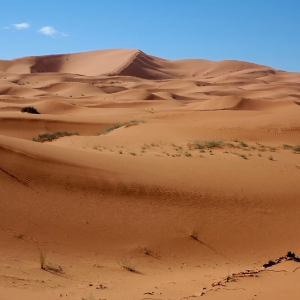
Fes to Marrakech Desert Tour

Desert Basic

Family-Friendly & Senior Tours Morocco 2026

Private Desert Safari

Luxury Marrakech City Tour Package

Luxury Sahara Trip

Highlights of This 10 Day Morocco Tour from Casablanca

Over 10 unforgettable days, you’ll trace Morocco’s story through ancient cities, desert horizons, mountain valleys, and coastal charm each destination revealing a new layer of beauty and culture.

This isn’t just sightseeing it’s a journey through living history, artisan heritage, and heartfelt hospitality.

Here’s what makes this itinerary the most complete, luxurious, and culturally rich 10-day Morocco tour:

  • Casablanca & Rabat – The Royal Gateway

Begin your adventure exploring Morocco’s capital and royal heritage. Walk through the Kasbah of the Udayas, admire the Hassan Tower, and witness the elegant blend of Moorish and French architecture.

  • Fes – The Cultural Soul of Morocco

Step into the UNESCO-listed Fes el-Bali, the world’s oldest functioning medina. Follow your expert guide through narrow alleys filled with spice markets, artisan workshops, and mosaic-covered madrasas.

  • Merzouga Desert – The Spirit of the Sahara

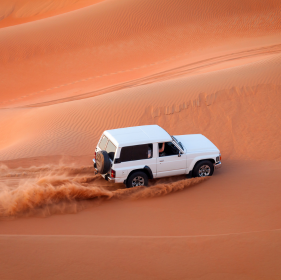
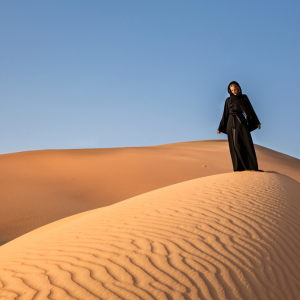
Feel the magic of the desert as you ride camels across Erg Chebbi’s golden dunes. Watch the sunset turn the sands to gold, enjoy a traditional dinner under the stars, and sleep in a luxury desert camp, a once-in-a-lifetime experience.

  • Dades & Todra Gorges – Nature’s Drama

Drive through the High Atlas Mountains, where dramatic red cliffs, lush palm valleys, and ancient kasbahs create postcard-perfect scenery.

  • Ait Ben Haddou & Ouarzazate – Morocco’s Hollywood

Explore Morocco’s cinematic landscapes, visit the legendary Ait Ben Haddou, a UNESCO World Heritage ksar featured in Gladiator and Game of Thrones.

  • Marrakech – The Red City of Senses

Immerse yourself in the rhythm of Marrakech, from the Bahia Palace and Majorelle Garden to the mesmerizing chaos of Jemaa el-Fna square. End the day with dinner under lanterns and live Gnawa music.

  • Essaouira – The Seaside Escape

Finish your journey on the Atlantic coast, where whitewashed walls, sea breeze, and art galleries create a calm, bohemian atmosphere.

Each stop on this 10 Day Morocco Tour from Casablanca is a world of its own, together, they tell the story of a nation both ancient and alive.
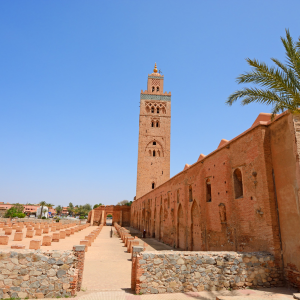
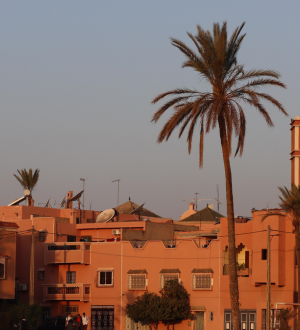
Photo Gallery

Day-by-Day Itinerary: 10 Days of Discovery, Culture & Wonder

This 10 Day Morocco Tour from Casablanca is carefully designed to balance exploration, comfort, and authenticity, giving you enough time to experience each destination’s beauty without rushing.

Here’s a glimpse of what awaits you:

Day 1: Welcome to Casablanca

Arrive at Mohammed V International Airport, where your private driver will greet you with a warm smile. Visit the awe-inspiring Hassan II Mosque, stroll along the Atlantic Corniche, and relax in a stylish hotel to recover from your flight.

Day 2: Casablanca → Rabat → Fes

After breakfast, head north to the capital city of Rabat, a UNESCO site known for its serene Kasbah, Hassan Tower, and Royal Palace. Continue your scenic drive to Fes, Morocco’s spiritual heart, for your overnight stay in a traditional riad.

Day 3: Fes – Dive into the Medieval Medina

Spend the day exploring the maze-like streets of Fes el-Bali with your licensed guide. Visit the Bou Inania Madrasa, ancient tanneries, and craft workshops that have operated for centuries.

Day 4: Fes → Ifrane → Midelt → Merzouga

Journey through the Middle Atlas Mountains, passing cedar forests and Berber villages. Arrive in Merzouga, where the golden dunes of Erg Chebbi await.

Day 5: Sahara Desert – Camel Ride & Overnight Camp

Experience the magic of the Sahara, camel trekking, sunset on the dunes, and a luxury desert camp stay. Enjoy a Berber dinner under the stars and music around the campfire.

Day 6: Merzouga → Todra Gorge → Dades Valley

Cross desert landscapes toward the dramatic Todra Gorge, Morocco’s “Grand Canyon.” Overnight in a cozy guesthouse surrounded by red cliffs and palm groves.

Day 7: Dades → Ouarzazate → Ait Ben Haddou → Marrakech

Drive along the Road of a Thousand Kasbahs, visiting the famous Ait Ben Haddou, a UNESCO site and Hollywood film set. Continue across the High Atlas Mountains to reach Marrakech, the jewel of Morocco.

Day 8: Explore Marrakech – The Red City

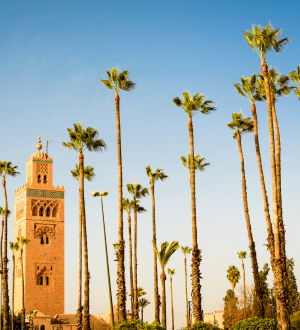
Discover the timeless charm of Marrakech. Visit Bahia Palace, Majorelle Garden, and the Koutoubia Mosque before getting lost in the souks. As night falls, feel the rhythm of Jemaa el-Fna Square, alive with music, lanterns, and laughter.

Day 9: Day Trip to Essaouira

A scenic drive brings you to Essaouira, a breezy coastal town with blue-and-white medina walls, fresh seafood markets, and a laid-back charm. Return to Marrakech for your final evening.

Day 10: Marrakech → Casablanca

After breakfast, enjoy a comfortable transfer back to Casablanca. Depart with a heart full of memories and the spirit of Morocco in your soul.

Cultural Immersion with Expert Guides

At Morocco Live Trips, we believe a great journey isn’t just about where you go, it’s about how you experience it.

That’s why every part of this 10 Day Morocco Tour from Casablanca is led by licensed, local Moroccan guides who share the history, meaning, and hidden beauty behind every stop.

You’ll not only see Morocco’s landmarks, you’ll connect with its people.

  • Share tea with Berber families in the mountains

  • Visit traditional pottery and leather workshops in Fes

  • Hear ancient tales of nomads and traders in the desert

  • Experience Moroccan hospitality that stays with you long after the trip ends

This is a journey that transforms sightseeing into storytelling, and travelers into friends.

FAQs

Our 10-day tour includes private transportation, licensed English-speaking guides, comfortable accommodations, daily breakfasts and select dinners, camel trekking in the Sahara, and all essential sightseeing experiences across Casablanca, Rabat, Fes, the Sahara Desert, Marrakech, and Essaouira. Everything is designed for comfort and discovery.

Yes, all our tours are fully customizable. Whether you want to extend your stay, add a luxury desert camp, or include special cultural activities, our travel specialists will tailor the itinerary to your interests and schedule.


You’ll stay in carefully selected 4-star and 5-star riads, boutique hotels, and luxury desert camps, offering a blend of Moroccan charm and modern comfort. Upgrades are available upon request.

All transfers are handled in private, air-conditioned vehicles with professional drivers. Sit back, relax, and enjoy scenic routes through Morocco’s breathtaking landscapes.

The best time to visit Morocco is March to May and September to November when the weather is mild and pleasant. However, tours run year-round, and each season offers its own charm, so you can book anytime that suits you.


Booking is simple, just contact Morocco Live Trips through our website or WhatsApp for instant assistance. Our team will help you personalize your itinerary, confirm your booking, and arrange everything for a smooth start to your Moroccan journey.


Stay Connected with Us!

Join our community to receive the latest travel updates, exclusive deals, and insider tips. Follow us on social media and never miss an adventure!