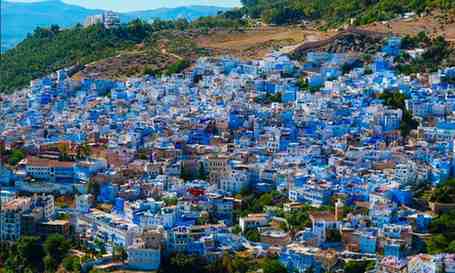
Tucked away in Morocco's Rif Mountains sits a town that looks like someone spilled an ocean of paint across the buildings. Chefchaouen isn't your average tourist trap – it's a real working town where families have been painting their homes blue for generations. The streets wind up and down hills, cats sleep in doorways, and the local shopkeepers remember your face after one visit.
Getting the Name Right and What It Actually Means
Let's tackle the pronunciation first because everyone butchers it. Say "shef-sha-WEN" – emphasis on that last part. Locals won't judge you if you get it wrong, but they'll smile wider if you nail it.
The name comes from the Arabic word شفشاون, which breaks down to "look at the horns." Peek up at the mountains behind the town and you'll spot two peaks that look exactly like horns. That's where the founders got creative back in 1471. Some folks just call it "Chaouen" to save time.
Why Every Single Wall Got Painted Blue
Here's the real story behind all that blue paint. Back in the 1930s, Jewish families escaping trouble in Spain settled here and brought their tradition of painting walls blue. For them, blue wasn't just pretty – it represented heaven, reminded them of prayer, and kept their spiritual connection strong.
Fast forward to now and the tradition stuck for practical reasons too:
- Cooler homes during brutal summer heat
- Keeps bugs away (or so the old-timers swear)
- Brings in tourists who spend money
- Make every single photo look unreal
- Each family picks their own shade, so you get this crazy quilt of blues
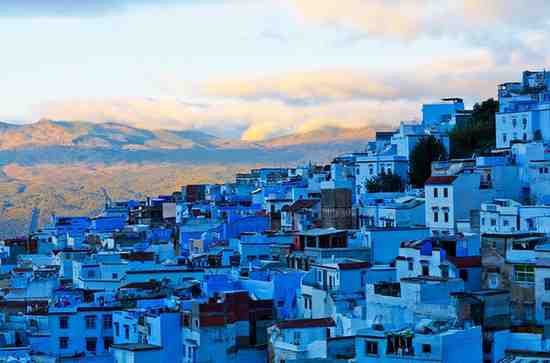
Walk around at different times of day and watch how the color shifts. Morning light makes it soft, midday turns it electric, sunset gives it a purple glow.
What the Weather's Really Like Throughout the Year
Mountains change everything about the climate here. Spring rolls in from March to May with temps sitting comfortably between 15°C and 25°C. The hillsides explode with wildflowers, and everything smells fresh. Summer pushes up to 30°C, but that altitude keeps it bearable compared to the desert cities.
Fall brings the sweet spot – September through November dishes out perfect weather:
- T-shirt weather during the day
- Light jacket for evenings
- Crystal clear skies for photos
- Way fewer tourists than summer
- Great for hiking without melting
Winter gets chilly. December through February can drop to 5°C with rain showing up occasionally. Pack layers if you're visiting then.
| Quick Facts About Chefchaouen | |
|---|---|
| Location | Rif Mountains, Northwest Morocco |
| Population | Around 45,000 people |
| Founded | 1471 AD |
| Altitude | 600 meters up |
| Best Time to Visit | March-May, September-November |
| Distance from Tangier | 112 km |
| Distance from Fes | 200 km |
The Route to Rabat That Makes Sense
Chefchaouen to Rabat covers 250 kilometers, taking four to five hours on multiple daily buses. The drive transitions from mountains to coastal plains, passing rural villages where life moves at a different speed.
Combining several cities becomes way simpler when professional tour operators handle the connections and timing. You focus on experiencing places instead of figuring out which bus leaves when.
Markets Where Locals Actually Shop
Tuesday and Thursday bring the real action when expanded souks set up with vendors selling everything from fresh produce to household goods. These aren't tourist markets – they're where residents buy their weekly supplies.
The permanent medina shops focus on items travelers want:
- Hand-woven textiles with patterns specific to this region
- Natural wool products from mountain sheep
- Leather goods tanned and stitched locally
- Traditional Moroccan clothing and accessories
- Honey harvested from Rif Mountain flowers
Vendors here don't hassle you aggressively. They'll chat, explain their craft, and let you browse without pressure tactics. Prices stay reasonable and bargaining feels more like conversation than combat.
Food That Goes Beyond Typical Tourist Tagine
Northern Moroccan cuisine gets influenced by Rif Mountain traditions, creating dishes you won't find elsewhere. Local goat cheese made in nearby villages shows up on menus. Mountain honey adds sweetness to desserts. Tagines use ingredients sourced from surrounding farms rather than imported stuff.
Plaza Uta el-Hammam cafes serve mint tea alongside pastries while you watch daily life unfold in the square. Street food vendors offer bissara (fava bean soup) and fresh khobz (Moroccan bread) for a few dirhams.
Skip the obvious tourist restaurants and ask locals where they eat. You'll spend less and taste better.
Day Trips That Beat Hanging Around Town
Akchour waterfalls sit 30 kilometers out – a solid hiking destination with cascades and natural pools perfect for cooling off. The trail varies from easy to moderate depending on how far you push.
Bridge of God (Pont de Dieu) displays a natural rock arch spanning a river gorge. Getting there requires decent hiking but pays off with scenery that looks Photoshopped but isn't.
These excursions show you the Rif Mountains beyond just the blue city aesthetic, adding outdoor adventure to your cultural touring.
Taking Photos That Don't Look Like Everyone Else's
Morning light from 8-10 AM produces the best shots – soft illumination without harsh shadows, and the blue stays vibrant. Hunt for compositions that include:
- Doorways framed by climbing plants
- Staircases disappearing upward through blue corridors
- Locals in traditional clothing (always ask first)
- Potted plants creating color contrast
- Elevated angles showing rooftop seas backed by mountains
Residents generally welcome photography but asking permission for portraits shows respect. The medina's higher spots offer bird's-eye perspectives that capture the town's unique character better than street-level shots.
Respecting Local Culture Without Being Awkward
Islamic traditions shape daily life here, and visitors who adapt find warmer interactions. Cover shoulders and knees – simple modesty that locals appreciate. During Ramadan, skip eating and drinking publicly during daylight hours, though tourist restaurants stay open.
Friday is the holy day when some shops close for prayers. Plan accordingly if you need specific shopping done.
Learn these phrases and watch faces light up:
- "Shukran" (thank you)
- "Salam" (hello)
- "Inshallah" (God willing)
- "Bismillah" (in God's name)
- "Maasalama" (goodbye)
Small efforts at cultural awareness go miles further than staying in your tourist bubble.
Fitting Chefchaouen into a Bigger Morocco Trip
Most people hit Chefchaouen as part of a northern Morocco loop connecting Tangier, Fes, and sometimes continuing south to the Sahara. The routing makes geographical sense rather than backtracking.
Professional operators design itineraries where travel days don't waste vacation time. A 7-day tour from Casablanca might bundle Chefchaouen with imperial cities and desert landscapes, showing Morocco's diversity without the exhaustion of constant movement.
Practical Stuff Nobody Tells You Until It's Too Late
Two to three days hits the sweet spot for experiencing Chefchaouen thoroughly without feeling rushed or bored. That gives time for medina exploration, the Spanish Mosque hike, market browsing, and maybe a day trip.
Things worth knowing:
- ATMs work in the new town but carry cash for medina purchases
- WiFi quality varies widely depending on where you stay
- Shoulder seasons offer the best weather-to-crowd ratio
- Modest dress helps you blend in and interact better
- Bargaining is expected but keep it friendly
Visiting during April-May or September-October avoids summer crowds while catching optimal weather for outdoor activities.
Why Tour Operators Make This Easier
Planning independent Morocco travel means juggling transportation bookings, accommodation hunting, route optimization, and time management across cities where you don't speak the language. That's a lot of stress before vacation even starts.
Morocco Live Trips handles those logistics through itineraries designed by people who know the country. Professional guides share insider knowledge that guidebooks miss – which alley leads to that perfect viewpoint, which family restaurant serves the best tagine, what the cultural context means behind what you're seeing.
Comfortable transport, quality lodging, and strategic timing ensure limited vacation days get maximized without feeling like a forced march through attractions.
Supporting the Community Beyond Just Taking Photos
Responsible tourism means spending money in ways that help locals directly. Family-owned guesthouses over international chains. Buying handicrafts from the artisan who made them rather than middleman. Eating at restaurants where families cook recipes passed through generations.
Residents maintain those blue walls through continuous effort and paint costs – your tourist spending contributes to preservation. Tip generously by local standards. Respect public spaces by handling trash properly. These actions help maintain the beauty that makes Chefchaouen special for future visitors.
FAQs
Ready to Experience Morocco's Blue Pearl?
Chefchaouen delivers what travelers want – stunning beauty that photographs like crazy, rich culture you can interact with genuinely, and experiences that stick with you long after you've flown home. Whether you're chasing the perfect shot, seeking authentic cultural connections, or just drawn to extraordinary places, this blue city exceeds expectations.
Skip the headache of planning Morocco travel solo. Contact Morocco Live Trips to design an itinerary that brings Chefchaouen's magic to life while handling every logistical detail professionally. Your Moroccan adventure starts with one decision to turn dreams into plane tickets. Learn more about our services and let guides who know Morocco show you what guidebooks can't capture.