
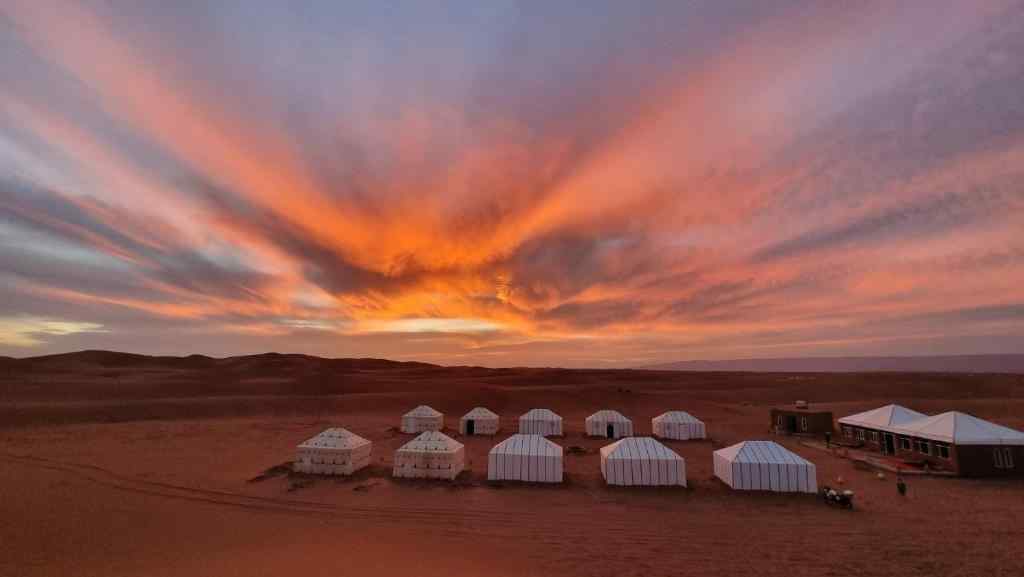
Chegaga: Morocco’s Hidden Sahara Gem Where Golden Dunes Meet Absolute Silence in 2026
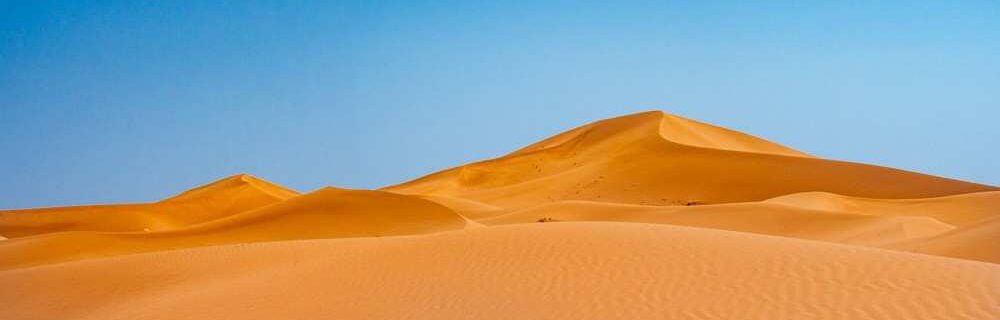
Here’s what nobody tells you about Chegaga—this isn’t your typical tourist trap with paved roads and crowded camps. This is raw Sahara at its finest, where 300-meter dunes stretch endlessly and you’ll count fellow travelers on one hand.
What Sets Chegaga Apart from Morocco’s Tourist-Heavy Deserts
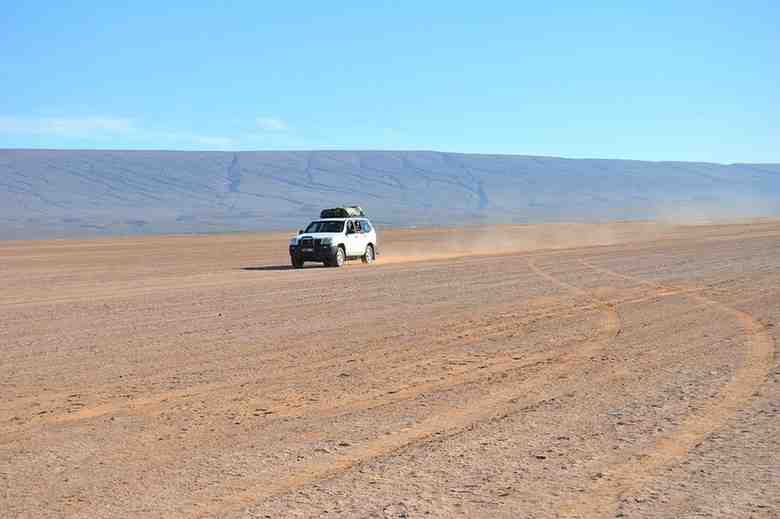
Most visitors flock to the easier spots, leaving Chegaga beautifully untouched. Getting here means bouncing across a dried-up lakebed in a 4×4, which naturally filters out the day-trippers. The payoff? Forty kilometers of pristine sand formations that look exactly like they did centuries ago. No asphalt paths cutting through dunes, no souvenir hawkers every ten meters, just pure desert stretched under endless sky.
Erg Chebbi or Chegaga: Which Desert Experience Fits Your Travel Style
Merzouga’s Erg Chebbi sits conveniently close to major roads, you can reach it in a regular car. Camps cluster together, restaurants abound, and finding wifi isn’t difficult. Chegaga demands commitment. That two-hour 4×4 journey across Lake Iriki’s cracked surface keeps casual tourists away. Dune formations here dwarf those near Merzouga, and you might spend entire afternoons without seeing another soul. Pick Erg Chebbi when comfort matters most. Choose Chegaga when you crave genuine wilderness.
Finding Chegaga on the Map and Understanding Its Remote Position
Sixty kilometers west of M’Hamid El Ghizlane, Chegaga occupies Morocco’s southwestern corner near the Algerian frontier. Zagora serves as the last major town before deep desert begins. That dried Iriki lakebed acts like nature’s moat—crossing it requires proper vehicles and experienced drivers who know where solid ground hides beneath deceptive surfaces. Standard GPS units often fail here, which is exactly why local guides prove invaluable.
Getting There: Distance and Time Breakdown
| Starting Point | Distance | Actual Drive Time | Vehicle Requirements |
| M’Hamid village | 60 km | 2-3 hours | Heavy-duty 4×4 only |
| Zagora town | 150 km | 4-5 hours | 4×4 with experienced driver |
| Marrakech city | 370 km | 7-8 hours | Tour vehicle recommended |
| Ouarzazate | 270 km | 5-6 hours | 4×4 essential after M’Hamid |
Reaching Erg Chigaga from Morocco’s Major Cities Without Getting Stuck
Marrakech makes the most logical starting point. Roads wind through the High Atlas via Tizi n’Tichka pass—stunning views, occasional rockslides, plenty of switchbacks. Past Ouarzazate, the landscape shifts dramatically:
- Green valley’s disappear, replaced by rocky plains
- Scattered kasbahs dot the increasingly barren terrain
- Temperature rises noticeably as elevation drops
- Phone signals become spotty then vanish completely
M’Hamid marks civilization’s end. Beyond that, attempting the desert crossing without local knowledge borders on reckless. Sand hides soft spots that trap vehicles instantly.
Transport Choices That Actually Work for Chegaga Access
Forget rental sedans, they won’t survive the journey. Purpose-built 4x4s with high clearance, proper tires, and backup communication equipment are non-negotiable. Specialized operators like Morocco Live Trips handle vehicles, navigation, and emergency protocols. Some travelers opt for camel treks from M’Hamid, which takes six to eight hours of swaying across dunes. Romantic? Absolutely. Comfortable? Not particularly, though the photos justify any saddle soreness.
When Chegaga Weather Actually Cooperates with Visitors
March through May brings perfect conditions—warm days around 25°C, cool nights ideal for sleeping under stars. September to November mirrors this comfort. July and August? Brutal. Temperatures spike past 45°C, making midday activities genuinely dangerous. December and January offer pleasant hiking weather but pack serious cold after sunset—near-freezing temperatures catch unprepared visitors off guard. Smart operators adjust schedules around weather realities rather than marketing calendars.
Luxury Tented Camps Versus Authentic Berber Hospitality
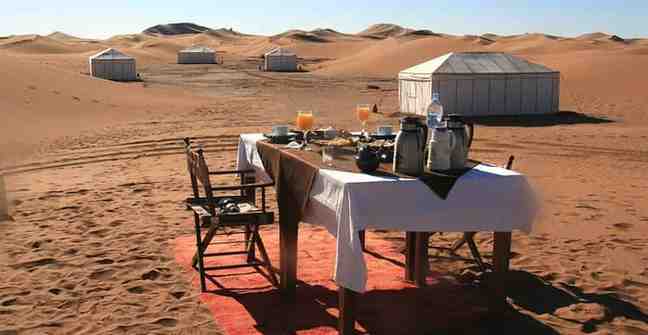
High-end camps deliver surprising comfort this far into nowhere. Think proper beds with linens, private bathroom tents with flush toilets, multi-course meals that would satisfy urban restaurants. Staff handle every detail professionally. Traditional Berber camps strip away those extras—you’ll sleep on thick mattresses laid over carpets, share basic facilities, eat communal tagines. Both options provide:
- Campfire gatherings with traditional music
- Endless mint tea served ceremonially
- Star-filled skies without light pollution
- Genuine Berber cultural interactions
Your choice depends on whether you prioritize comfort or cultural immersion.
Five Activities That Make Chegaga Worth the Difficult Journey
Sandboarding Down Massive Dune Faces
Those steep slopes were practically designed for boarding. Guides provide boards and show you which dunes offer the longest, smoothest runs without dangerous drop-offs.
Sunrise Camel Treks into Dune Valleys
Early morning light transforms sand into liquid gold. Camels plod steadily while guides explain how their ancestors navigated by stars and survived on minimal water.
Quad Bike Circuits Through Changing Terrain
Powerful bikes let you cover serious ground quickly. Reputable operators provide safety briefings and lead groups through challenging but manageable routes.
Proper Stargazing in Zero Light Pollution
City dwellers forget how many stars exist. Out here, the Milky Way stretches overhead like spilled milk, planets shine brilliantly, and satellites cross regularly.
Desert Photography During Magic Hour
Photographers dream about conditions like these—dramatic shadows, golden light, perfect curves. Guides know exactly where to position you for shots that friends won’t believe aren’t edited.
Chegaga’s Wild Weather Swings and Daily Meteo Patterns
Desert climate means extreme daily temperature ranges. A single day might span 40 degrees—scorching afternoons dropping to chilly nights. Spring winds occasionally kick up sandstorms that reduce visibility to meters and infiltrate everything. Annual rainfall barely registers at 100mm, mostly coming in brief winter bursts. Pack layers regardless of season. That thin jacket seems unnecessary during midday heat until the sun drops and you’re shivering.
Why Berber Communities Consider Chegaga Sacred Territory
Berber tribes have called this region home for generations, developing incredible survival skills and deep cultural traditions. They know which plants indicate water below ground, how to predict sandstorms days ahead, where ancient wells still function. Camps often feature Berber families sharing their music—hypnotic drum rhythms and call-and-response songs passed down through centuries. Evening tea ceremonies follow strict etiquette that demonstrates respect and friendship. Participating meaningfully requires leaving assumptions about “primitive” lifestyles behind.
Building Multi-Day Itineraries That Actually Make Sense
Cramming Chegaga into a quick day trip misses the entire point. Three to four days allows proper exploration without exhausting yourself:
- Day 1: Travel from Marrakech through mountains, overnight in Ouarzazate
- Day 2: Reach Chegaga, settle into camp, initial dune exploration
- Day 3: Full activity day—sandboarding, camel rides, quad biking
- Day 4: Morning activities, begin return journey
Longer trips can incorporate nearby attractions or extra desert nights for those who can’t get enough silence.
What Actually Needs to Go in Your Chegaga Packing List
Light, loose clothing protects skin while allowing airflow during heat. Bring warm jacket and long pants for evenings—seriously, you’ll need them. Closed shoes prevent painful sand burns, though sandals work around camp. Essential items include:
- High SPF sunscreen (30+ minimum)
- Quality sunglasses with UV protection
- Wide-brimmed hat or head covering
- Camera gear with dust protection
- Extra batteries and memory cards
- Personal medications and basic first aid
- Reusable water bottle
- Power bank for devices
Basic medical supplies provide peace of mind since the nearest pharmacy sits hours away.
Combining Chegaga with Northern Morocco’s Completely Different Landscapes
Smart planning connects Chegaga with Morocco’s diverse regions efficiently. After desert adventures, heading north reveals completely different world blue-washed Chefchaouen, medieval Fes medinas, Mediterranean coastlines. Well-designed ten-day tours allocate appropriate time for each area without creating exhausting schedules. Working with experienced operators means logical routing that minimizes backtracking and maximizes meaningful experiences.
Protecting Chegaga Through Responsible Desert Tourism
This pristine environment stays pristine only through conscious effort. Better operators implement waste removal programs—everything brought in gets hauled back out. Water conservation matters critically in ecosystems this fragile. Supporting local communities directly through authentic purchases and respectful interactions beats funneling money to distant corporations. Visitors contribute by:
- Refusing single-use plastics
- Staying on established paths
- Respecting wildlife and vegetation
- Purchasing authentic handicrafts from local artisans
- Choosing operators with genuine environmental commitments
These small actions collectively preserve Chegaga for future generations.
Capturing Chegaga’s Otherworldly Beauty Through Your Camera Lens
Great desert photography demands understanding how light behaves on sand. Early mornings (6-8 AM) and late afternoons (4-6 PM) create those dramatic shadows across dune ridges everyone recognizes. Including people or camels provides scale—without reference points, even massive dunes look flat. Photography tips that work consistently:
- Use tripods during low light conditions
- Apply protective filters to guard expensive lenses
- Shoot from varied angles—dune crests and valley floors
- Experiment with silhouettes during sunrise/sunset
- Include foreground elements for depth
- Capture wind patterns in sand ripples
These techniques transform snapshots into portfolio-worthy images.
Staying Safe When Civilization Sits Hours Behind You
Deserts kill careless travelers efficiently. Dehydration sneaks up faster than expected under intense sun and dry air. Navigation without proper equipment becomes impossible when every dune looks identical. Professional guides with appropriate backup systems prevent situations from becoming emergencies. Emergency communication devices maintain contact when phones stop working. Knowing heat exhaustion symptoms—dizziness, nausea, confusion—means recognizing problems before they become critical. Solo desert travel ranks among travel’s genuinely dangerous activities.
Berber Cooking That Turns Meals into Cultural Education
Traditional tagines slow-cooked in earthenware develop complex flavors impossible to replicate quickly. Fresh bread baked in sand ovens emerges crispy outside, soft inside. Mint tea flows constantly—three glasses minimum, each with different sweetness representing life stages. Typical dessert menu includes:
- Mechoui (whole roasted lamb) for celebrations
- Vegetable couscous with seasonal produce
- Harira soup during cooler months
- Fresh dates and almonds
- Homemade flatbread baked in sand
These aren’t restaurant performances, but actual daily cooking methods families have used for generations.
What Professional Chegaga Tour Bookings Should Include
Quality operators provide transparent packages covering transportation, lodging, meals, and activities clearly. Itineraries outline daily plans while allowing weather-based adjustments. Guides speaking multiple languages ensure clear communication about safety and logistics. Well-maintained 4×4 vehicles with proper safety equipment aren’t negotiable—mechanical failures this remote becomes serious problems. Customer reviews reveal operator reliability better than marketing promises. Direct booking through established platforms typically offers better value and clearer accountability than third-party resellers.
Evaluating Chegaga’s Range of Luxury Desert Accommodations
Premium camps like Nubia Luxury Camp deliver surprisingly high standard spacious tents, ensuite bathrooms, gourmet meals, even spa treatments. Mid-range luxury camps provide comfortable beds and shared facilities at moderate prices. Budget options maintain safety and cleanliness while cutting extras. All share spectacular locations with direct dune access and incredible night skies. Choosing depends on personal priorities—some travelers happily sacrifice amenities for authenticity; others need certain comforts to truly relax and enjoy themselves.
Desert Wildlife That Survives Chegaga’s Harsh Conditions
Fennec foxes with oversized ears hunt rodents nocturnally across cooler sand. Jerboas bounce kangaroo-style between sparse vegetation patches. Sand vipers and various lizards thrive in temperatures that would kill most creatures. Wildlife you might encounter includes:
- Desert hedgehogs foraging at twilight
- Golden Jackals prowling dune valleys
- Various raptor species hunting small prey
- Migratory birds during seasonal transitions
- Scarab beetles rolling dung across sand
Understanding this biodiversity shifts perspective, the desert isn’t empty wasteland but complex habitat supporting specially adapted life.
Ancient Caravan Routes That Crossed This Exact Territory
Gold, salt, slaves, and trade goods moved through here for centuries along trans-Saharan routes connecting sub-Saharan Africa with Mediterranean markets. Berber tribes controlled these dangerous passages, providing guides, protection, and trading posts. Old wells and camping sites still exist in remote areas, though most travelers never see them. This historical context adds weight to modern desert exploration—you’re following paths worn by countless caravans over hundreds of years.
Managing Extreme Temperature Swings Successfully
Thirty-degree temperature drops between noon and midnight aren’t unusual. Midday heat demands sun protection, constant hydration, and periodic rest in whatever shade exists. Evening temperature crashes require warm layer fleece, windbreakers, even wool hats during winter months. Wind amplifies cold sensations significantly. Sleeping bags rated as expected low temperatures ensure comfortable nights rather than miserable shivering. Gradual acclimatization helps bodies adjust, though first nights often surprise visitors unprepared for the cold.
Communication Reality in Remote Chegaga Territory
Cell signals die completely beyond M’Hamid. Most camps lack wifi intentionally, offering genuine disconnect from digital demands. Emergency satellite phones provide safety backup through professional operators but don’t expect casual browsing. Warning family members about communication blackouts prevents panicked messages to embassies. Embracing disconnection enhances immersion—watching sunsets without photographing them, conversing without checking notifications, sleeping without alarm anxiety.
FAQs
Completely. That difficulty creates Chegaga’s main appeal—authentic wilderness minus crowds. Anyone seeking genuine adventure over convenience finds exactly what they’re looking for here.
Dried lakebeds and deep sand require experienced drivers in proper vehicles. Professional operators handle these obstacles routinely, but independent attempts without desert driving experience often end with stuck vehicles and expensive rescues.
March through May and September through November provide moderate temperatures and clear skies. Winter brings cooler days perfect for hiking but freezing nights. Summer heat restricts comfortable activities significantly.
Top-tier camps surprise visitors with genuinely comfortable beds, private bathrooms, excellent meals, and attentive service. Standards vary considerably between camps though, so researching specific facilities prevents disappointment.
Possible with proper planning. Older children handle conditions better than toddlers generally. Shorter itineraries, luxury camp selection, and experienced guides make family visits workable. Discussing specific needs with operators beforehand helps customize appropriate experiences.
Chegaga stays remote, wild, and uncommercial. Fewer tourists, bigger dunes, harder access creating natural exclusivity. Erg Chebbi offers easier logistics and more facilities. Both deliver genuine Sahara but suit different traveler types.
Your Chegaga Journey Starts with One Decision
Chegaga represents what most Moroccan deserts once were—untouched, challenging, absolutely worth every difficult kilometer getting there. Whether chasing adventure activities, peaceful star-filled nights, or deep cultural exchanges, this remote corner delivers memories that typical tourist circuits can’t match. Professional operators provide essential expertise, proper equipment, and local knowledge that transform potential misery into comfortable exploration.
Ready to experience Morocco’s most pristine desert landscape firsthand? Reach out to Morocco Live Trips for designing your ideal Chegaga adventure. From extended multi-region expeditions to concentrated desert immersions, expert guidance converts desert dreams into actual experiences. Your journey toward Morocco’s golden silence begins with simply deciding to go.