4 Day Sahara Desert Tour Marrakech to Fes – Ultimate 2025 Journey Through Morocco’s Golden Dunes
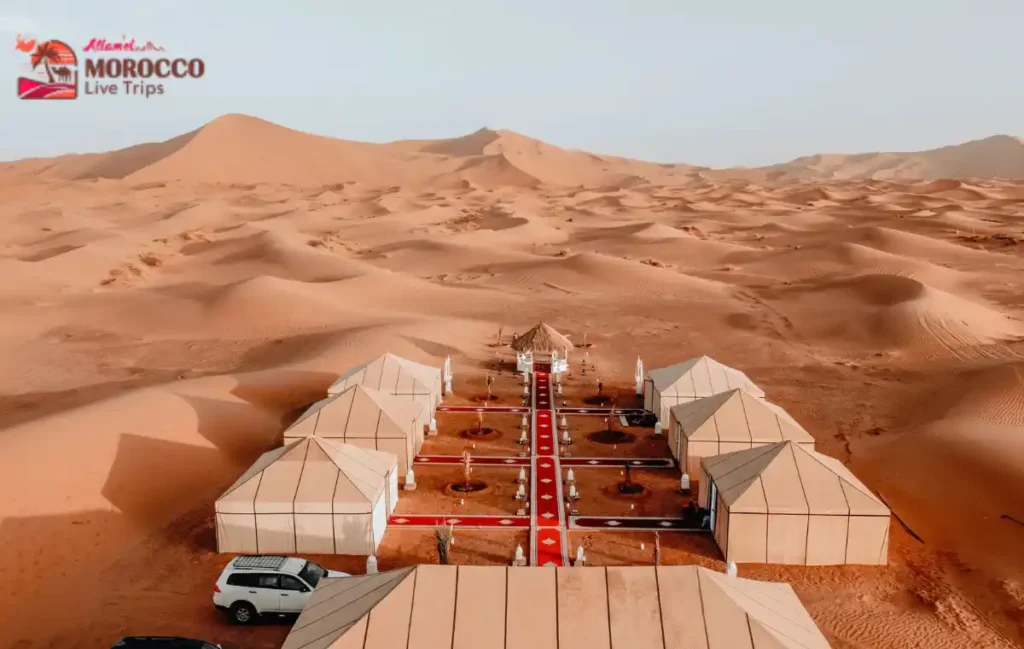
Professionally guided 4 Day Sahara Desert Tour Marrakech to Fes expeditions connect two imperial cities through Morocco’s most breathtaking landscapes, complete with camel treks and authentic Berber hospitality. Why Choose a 4-Day Desert Tour from Marrakech to Fes Four-day journeys strike an excellent balance between thorough exploration and comfortable pacing without exhausting schedules. Extended itineraries permit proper immersion into diverse terrains while traversing High Atlas Mountains, ancient kasbahs, desert landscapes, concluding in Fes. Unlike shorter 3-day desert tours rushing through highlights, additional days permit genuine connection with desert environments and local communities maintaining traditions for centuries. Complete Itinerary Breakdown Day 1: Marrakech to Dades Valley via Ait Ben Haddou Departures from Marrakech ascend through Tizi n’Tichka Pass at 2,260 meters elevation. Routes include stops at UNESCO-listed Ait Ben Haddou Kasbah where ancient trading caravans rested, Ouarzazate film studios, Skoura palm groves before reaching Dades Valley where hotels provide overnight stays overlooking dramatic gorge formations. Day 2: Dades Valley to Merzouga Desert via Todra Gorge Travel continues through Todra Gorge with 300-meter canyon walls creating narrow passages. Landscapes transform as golden Erg Chebbi dunes appear stretching across horizons. Camel caravans transport visitors into desert territories for sunset viewing before arriving at traditional camps featuring Berber music around campfires. Day 3: Full Day Exploring Erg Chebbi and Desert Activities Morning sunrise viewing precedes optional activities distinguishing this 4-day Sahara Desert tour Marrakech to Fes from compressed alternatives: Day 4: Merzouga to Fes via Ziz Valley and Cedar Forests Desert sunrise viewing precedes camel rides returning to Merzouga village. Northward journeys pass Ziz Valley with thousands of date palms creating verdant ribbons, Midelt lunch stops, Azrou Cedar Forest housing wild Barbary macaque monkeys, Ifrane’s Alpine architecture before Fes arrival. What Makes Multi-Day Desert Tours Stand Out Extended desert tours separate casual tourists from genuine adventurers seeking authentic Moroccan experiences beyond typical sightseeing. Dedicated third days in Merzouga deliver what compressed itineraries cannot—sufficient time for morning desert meditation when sand remains cool, afternoon cultural workshops, evening stargazing sessions creating lasting memories. This pacing eliminates exhaustion common in rushed tours, connecting with other Atlas Mountains and desert tours for comprehensive exploration. Transportation Standards and Vehicle Types Well-maintained 4×4 vehicles and minibuses handle Morocco’s varied terrain from mountain switchbacks to sandy desert tracks without mechanical issues. Air-conditioned transportation ensures comfortable travel with spacious interiors for luggage and camera equipment throughout extended journeys covering over 1,000 kilometers. Professional drivers conduct daily safety checks while private options deliver maximum flexibility allowing spontaneous stops. Accommodation Quality Across Different Regions Dades Valley features traditional guesthouses with private rooms and en-suite facilities showcasing local architectural styles incorporating carved wooden details. Desert camps offer private tents with comfortable beds equipped with quality linens, shared bathrooms with hot showers powered by solar heating, communal dining areas where meals get served family-style encouraging conversation. Solar panels power lighting and charging stations while woolen blankets provide warmth during cooler nights when temperatures drop significantly after sunset. Understanding Route Distances and Travel Times Marrakech to Merzouga distance spans approximately 560 kilometers, requiring strategic breaks throughout travel days preventing fatigue. Day one covers roughly 320 kilometers to Dades Valley with significant monument stops at Ait Ben Haddou and Ouarzazate reducing continuous driving time. Day two’s 260 kilometers to Merzouga includes extended Todra Gorge exploration allowing travelers to stretch legs and photograph narrow canyon passages carved over millennia. Final day from Merzouga to Fes represents approximately 470 kilometers broken intelligently by stops in Ziz Valley, Midelt, Azrou, Ifrane making drives genuinely enjoyable through constantly changing scenery. Tour Comparison 3-Day Tour 4-Day Tour Desert Time 1 night only 2 nights with full exploration Daily Driving 7-9 hours 5-7 hours average Activities Limited availability Full day for quad biking, workshops Photography Sunset OR sunrise Both sunset AND sunrise Route Round trip to Marrakech One-way ending Fes Pacing Rushed schedule Comfortable exploration Cultural Depth Surface interactions Extended community engagement Flexibility Fixed tight schedule Room for spontaneous stops Essential Activities Included in Tour Packages Camel treks into Erg Chebbi rank among Morocco’s most iconic experiences with sunset and sunrise rides delivering optimal photography conditions and comfortable temperatures avoiding midday heat. 4×4 desert safaris explore fossil beds dating back millions of years when Sahara was covered by oceans, seasonal lakes attracting flamingo populations during wet periods, abandoned mining villages inaccessible to camels revealing historical trading remnants with crumbling kasbahs. Cultural components feature authentic Berber village visits showcasing traditional lifestyles largely unchanged for centuries and optional nomad encounters supporting local economies through responsible tourism practices benefiting communities directly. Booking Process and Payment Options Packages vary based on group size, accommodation standards, travel seasons with completely transparent pricing structures avoiding hidden fees. Inclusions cover private transport throughout entire journey, English-speaking drivers with extensive regional knowledge, specified accommodations at each destination meeting quality standards, listed meals including hearty breakfasts and traditional dinners, authentic camel trekking experiences, comfortable desert camp stays. Exclusions typically involve lunches allowing dining flexibility and personal menu choices, beverages beyond included meals like soft drinks or alcohol, entrance fees to monuments and attractions like Ait Ben Haddou, optional activities chosen based on personal interests and energy levels. Optimal Visiting Seasons for Desert Exploration Spring months from March through May deliver ideal conditions with moderate temperatures ranging 20-28°C and blooming wildflowers transforming valleys into colorful landscapes rarely seen by summer visitors. Autumn from September through November provides comfortable weather without extreme summer heat exceeding 45°C in desert regions making outdoor activities unbearable. These periods offer optimal photography light with clear skies and pleasant temperatures for outdoor activities including hiking through gorges, extended camel riding, desert exploration without heat exhaustion risks. Best time to visit Morocco Sahara varies depending on personal heat tolerance and schedule flexibility though most travelers prefer shoulder seasons avoiding peak summer and winter extremes. Packing Essentials for Desert Adventures Layered clothing handles dramatic temperature fluctuations common in Moroccan desert regions with lightweight cotton fabrics for scorching daytime and warm fleece layers for frigid nights when temperatures plummet dramatically. Sun protection
Desert Tours from Casablanca: Your 2025 Gateway to Morocco’s Sahara Adventure
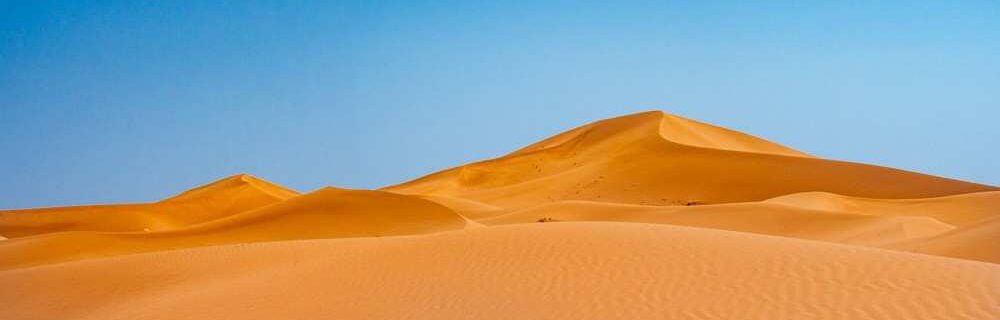
Why Choose Desert Tours from Casablanca Casablanca beats other starting points hands-down for international travelers. Mohammed V Airport handles flights from everywhere, so you’re not wrestling with multiple connections just to begin. Plus, starting coastal means, you watch Morocco morph from sea-level plains through mountain passes until boom—you’re surrounded by endless sand. The routing flexibility from Casablanca lets you design trips hitting exactly what interests you most—whether that’s imperial cities, Berber villages, or straight-shot desert immersion. Distance Between Casablanca and the Sahara Your driving time shifts based on where you’re headed. Merzouga’s iconic Erg Chebbi sits 560 kilometers southeast—figure on spending most of a day getting there, but the scenery makes it worthwhile. Zagora’s closer at 450 kilometers, Erg Chegaga hits around 500. The distance works in your favor because you’re constantly encountering new terrain, stopping at historic kasbahs, and meeting locals in roadside villages. Merzouga Desert Experience Merzouga owns Morocco’s desert reputation, and for good reason—dunes tower 150 meters high here. The Merzouga region delivers textbook Sahara stuff: sunset camel rides, sleeping under stars in Berber camps, watching how nomads survive out here. The sand quality differs from other Moroccan deserts—finer grains, richer orange-red color, smoother curves that shift constantly with wind patterns. Zagora Desert Gateway Zagora works better if Casablanca-to-Merzouga feels too far. The 2-day Zagora desert tour nails it for weekend warriors who still want legit desert action. The region served historically as a major caravan route linking sub-Saharan Africa with northern Morocco—you’re literally following ancient trade paths. Desert Destination Distance from Casablanca Journey Duration Best For Merzouga (Erg Chebbi) 560 km 8-9 hours Classic high dunes, luxury camps Zagora 450 km 7-8 hours Quick weekend escapes Erg Chegaga 500 km 8-9 hours Remote wilderness experience Ouzina Dunes 540 km 8 hours Off-the-beaten-path adventures Extended 10-Day Morocco Desert Tours from Casablanca Want the full Moroccan experience? The 10-day Morocco tour from Casablanca throws desert, cities, mountains, and coast into one trip. This extended itinerary lets you spend multiple nights in different desert camps, explore both major dune systems, and dedicate proper time to imperial cities without rushing. 8-Day Desert Tour via Chefchaouen and Fes Everyone posts on Instagram. Yeah, you can hit it plus the desert. The 8-day tour from Casablanca via Chefchaouen threads through Rif Mountains, dives deep into Fes’s medieval medina, wraps up with Sahara nights where stars outnumber city lights a million to one. This route maximizes diversity—you’re experiencing mountain culture, ancient urban civilization, and nomadic desert lifestyles all in one journey. 3-Day Chegaga Desert Trips from Casablanca Short on time but craving wilderness? The 3-day Chegaga desert adventure delivers hardcore desert vibes fast. Erg Chegaga’s Morocco’s loneliest major dune field—regular cars can’t even reach it, 4x4s only. The isolation factor here can’t be overstated, you might not see another person for hours outside your group. 4-Day Extended Chegaga Journey Add one day and everything changes. The 4-day Chegaga tour builds in kasbah stops, actual Berber village visits, valley detours. That extra day typically includes Draa Valley exploration where Morocco’s longest river creates surprising greenery against desert backdrop—date palm groves stretching for kilometers. Desert Tour from Casablanca to Marrakech Routes Connecting Morocco’s two major cities creates something special. You’re crossing High Atlas peaks, stopping at Ait Benhaddou (yeah, that Game of Thrones spot), exploring Todra and Dades Gorges before camp. The gorges deserve more attention than most itineraries give them—sheer rock walls rising hundreds of meters, narrow passages where sunlight barely penetrates. Year-Round Availability for Desert Tours Desert tours run 365 days—seasons just flavor things differently. March-May brings perfect temps for all-day hiking and exploring. September-November matches that comfort with bonus crystal-clear night skies. Morocco Live Trips operates year-round, guides know exactly when conditions peak for what you want. Winter surprises people with how cold nights drop, sometimes near freezing, but daytime warmth stays pleasant. What Makes Top-Rated Desert Tours Stand Out Premium tours separate from mediocre ones fast. Drivers who’ve done these routes a thousand times keep you safe and drop knowledge bombs about what you’re seeing. The difference shows in detail—quality tents that don’t leak during rare rains, meals that taste good instead of just being edible, drivers who recognize when you need rest stops without being asked. Visiting Casablanca Before Your Desert Tour Casablanca earns stopover time easily. Hassan II Mosque is architecturally insane—ocean location, massive scale, intricate details. The city represents modern Morocco better than tourist-focused spots—you’re seeing where actual Moroccans live, work, and socialize. Our destinations page covers everywhere else Morocco offers. Photography Opportunities for Desert Tours Morocco’s deserts are photographer crack. Dunes shift colors minute-by-minute as sun moves—sunrise pastels, midday harshness, sunset golds. Long exposure night photography captures star trails arcing over dunes, creating images impossible in light-polluted areas. The minimalism works beautifully simple compositions of curves, shadows, and textures without visual clutter. Comparing Marrakech and Casablanca as Starting Points Marrakech sits 350 kilometers from Merzouga, 280 from Zagora—closer. But Casablanca brings better international flights, route diversity through different terrain, watching Morocco’s full landscape transformation. Check our Marrakech tours if that base works better. The extra distance from Casablanca means you’re seeing more of Morocco—coastal plains, Middle Atlas foothills, High Atlas crossings. Streamlined Online Booking Process Good operators make booking dead simple. Detailed itineraries show exactly what happens when. Transparent pricing—no surprise fees popping up later. Payment security matters enormously reputable operators use encrypted systems protecting financial information. Confirmation should arrive instantly with all relevant details including emergency contact numbers, meeting points, what’s included versus optional extras. Essential Packing for Desert Environments Pack smart even though operators cover basics. Light breathable stuff for brutal daytime heat. Warm layers because desert nights get shockingly cold. Sunglasses need UV protection and ideally polarization to cut off sand. Headlamps or flashlights prove essential since desert camps often have limited lighting after dark. One Day in Casablanca: Must-See Highlights Tight schedule? Hit Hassan II Mosque early morning before crowds’ swarm. Central Market for lunch—authentic Moroccan food, local atmosphere. The mosque tours
Casablanca Attractions: Your Ultimate 2025 Guide to Morocco’s Commercial Heart
Look, most tourists land at Casablanca’s airport and immediately bolt to Marrakech. Big mistake. Casablanca Attractions actually shine because Morocco’s largest city runs on business money, not tourism dollars. Walk around and you’ll notice French colonial buildings from the 1920s literally next door to shiny glass bank towers. The souls? Selling vegetables to residents—not fake “authentic” souvenirs. The Atlantic pounds the western edge constantly. Fast-paced. Urgent. Real. Some visitors hate this energy—they wanted postcard Morocco. Others appreciate finally seeing how things work here. Why Casablanca Deserves Your Attention Imperial cities basically became outdoor museums. Beautiful, yeah. Authentic? Debatable. Casablanca never bothered with that preservation game. Just kept evolving. Those crumbling Art Deco apartments from French times share streets with modern office towers where regular folks work desk jobs. Neighborhood markets serve locals buying dinner ingredients, not tourists hunting Instagram moments. Oceans always there. City pulses with commercial intensity missing from heritage-focused destinations. Want to see contemporary Morocco instead of historical Morocco? Come here. Not everyone appreciates the difference though. Hassan II Mosque: Architectural Wonder on the Atlantic Seven years of construction. Roughly $800 million spent. Holds 105,000 people when maxed out—25,000 inside, rest outside in courtyards. The minaret climbs 210 meters up. Visible from pretty much anywhere. Coolest part? Built partially over the ocean. Glass floor panels let you watch waves moving underneath during prayers. Roof opens for ventilation and natural light. Traditional Moroccan craftsmanship throughout—hand-done zellige tiles, carved cedar, marble everywhere. Unlike most Moroccan mosques that restrict entry to Muslims, this one welcome everyone through guided tours running all day in multiple languages. Feature Details Height 210 meters (world’s tallest minaret) Capacity 105,000 worshippers total Construction Period 1986-1993 Cost Approximately $800 million Special Feature Retractable roof, laser beam pointing to Mecca Tour Availability Daily tours in multiple languages Old Medina: Authentic Urban Quarter Casablanca’s medina runs way smaller than Marrakech or Fes versions. Better for it. Actual residents live and work here. Not a tourist attraction cosplaying as a neighborhood. Blue-trimmed white buildings. Narrow alleys where metalworkers hammer brass, seamstresses operate ancient sewing machines, spice vendors arrange red paprika mountains next to golden turmeric. Northern boundary hits the Atlantic—local fishermen casting off rocks, neighborhood kids playing dirt-patch soccer. Zero aggressive carpet-selling tactics. Just regular commerce proceeding regardless of tourist presence. Ain Diab Corniche: Oceanfront Entertainment Strip Multiple kilometers of Atlantic coastline turned entertainment district. After sunset hits, beach clubs, seafood spots, nightclubs, cafes pull in affluent locals and ocean-seeking visitors. Summer packs private beaches with families. Year-round though, the promenade stays busy with joggers and evening walkers. Western chains operating next to traditional Moroccan kitchens. Hotels with rooftop bars overlooking crashing waves. Best representation of modern Casablanca’s cosmopolitan character. Planning desert trips from Casablanca? The ocean-to-sand-dunes contrast differently. Rick’s Café: Hollywood Legend Brought to Life Hollywood filmed every “Casablanca” scene in California studios. Not one frame shot in actual Morocco. But Kathy Kriger opened Rick’s Café in 2004 because film fans kept searching for it. Recreated the movie set inside a renovated port mansion. Curved arches. White tablecloths. Corner piano. Vintage posters. Authentic? Nah. Effective? Absolutely. Menu mixes Moroccan dishes with Western options. Pianist cycles through “As Time Goes By” nonstop. Reservations essential—dinner service fills up quick. Morocco Mall: Luxury Shopping Experience Africa’s second largest mall. 600+ stores ranging from luxury fashion to local artisan stalls. But shopping’s just part of it. Walk-through aquarium housing sharks and rays. IMAX theater. Choreographed fountains. Dozens of restaurants, from tagine specialists to international chains. Architecture blends Moroccan design motifs into modern glass-and-steel structure. Local families colonize this place on weekends. Office workers populate cafes between shifts. Tourists exploit AC when midday heat peaks. Aquarium alone justifies the visit for families with monument-fatigued kids. Habous Quarter: Planned Traditional District French administrators built this in the 1930s as their idealized medina—wider streets, logical organization, uniform architecture. Navigating here beats the Old Medina’s chaos. Merchants focus on traditional crafts, vintage goods, leather, and hammered copper. Generally, less pushy sales tactics. Royal Palace exterior walls visible. Mahkama du Pacha courthouse displays elaborate traditional decoration. Bakeries produce honey-soaked pastries constantly. Good entry point before confronting more intense sounds elsewhere. Planning comprehensive cultural heritage journeys? Start here to calibrate expectations before hitting Fes or Marrakech bazaars. Cathedral of the Sacred Heart: Art Deco Masterpiece Decommissioned Catholic church representing premier Art Deco architecture from colonial times. Completed 1930. Merges European Gothic with North African decorative traditions. No religious services anymore—occasionally host art exhibitions, concerts, cultural events. Twin towers and intricate masonry define the exterior. Interior striped of liturgical furnishings but retains stunning stained glass. Documents colonial-era chapters and illustrate architectural experimentation defining early twentieth-century Casablanca development. Parc de la Ligue Arabe: Green Urban Refuge Thirty hectares. Maintained gardens, shaded paths, palm groves, decorative fountains. City’s biggest public green space. Families picnic here weekends. Fitness people circuit the perimeter. Exhausted sightseers collapse on benches under towering palms. Central location next to Cathedral and administrative buildings makes this convenient for midday refuge. Pace inside these gates runs way slower than surrounding traffic chaos. Shows urban life’s contemplative dimension where residents pause for landscaping and fresh air. Mohammed V Square: Historic Heart Monumental plaza functioning as administrative nucleus. Imposing French colonial buildings surrounding it—Prefecture, Courthouse, Central Post Office, French Consulate. Elaborate facades. Clock tower peaks. Moorish-inspired detailing demonstrates early twentieth-century urban-planning ambitions. Decorative fountains punctuating the space. Optimal atmosphere after sunset when architectural illumination activates and residents congregate on stone benches. Major transit intersection serving as practical meeting coordinate and navigational reference. Sidewalk entertainers, shoe-shiners, roaming vendors maintaining constant activity dawn through evening. Central Market (Marché Central): Culinary Discovery City’s culinary traditions concentrated under single roof. Ocean-fresh seafood commanding prime stall positions—makes sense given coastal geography. Produce vendors constructing rainbow pyramids from seasonal fruits, vegetables, fragrant herbs. Butchers, olive specialists, spice dealers completing sensory environment. Small grills ring perimeter, cooking whatever seafood customers purchase from interior vendors. Select fish, they chord it over coals within minutes, consume immediately for fractions of restaurant pricing.
Things to do in Casablanca – Explore 2025’s Top Attractions and Tours
Top Casablanca Attractions for First-Time Visitors As Casablanca is Morocco’s economic and cultural hub, it offers a seamless blend of history and modernity. Among the top Things to do in Casablanca is visiting the iconic Hassan II Mosque, renowned for its towering minaret and exquisite craftsmanship. The mosque’s oceanfront location allows stunning photo opportunities, while guided tours reveal its architectural brilliance. Other must-see spots include the Old Medina, Rick’s Cafe, and Morocco Mall, which collectively provide a balance of cultural, culinary, and shopping experiences. For travelers seeking extended exploration, multi-day tours such as the 10-day Morocco tour from Casablanca offer structured itineraries combining city highlights and nearby attractions. Unique Experiences in Casablanca For visitors looking beyond conventional sightseeing, Casablanca delivers a variety of cultural, culinary, and artistic experiences. Explore traditional markets filled with spices, textiles, and handicrafts, or join Moroccan cooking classes that teach classic dishes like tagine and couscous. Photography tours of modern Casablanca architecture and guided art gallery visits provide deeper insight into the city’s evolving cultural landscape. Booking curated experiences ensures travelers enjoy an organized, informative visit while connecting with the local culture naturally. Things to Do in Casablanca for a Day A well-planned one-day itinerary allows visitors to maximize their time: These highlights provide a balance of sightseeing, leisure, and culinary experiences in a single day. For those who want structured guidance, multi-day trips like the 8-day Casablanca to Desert via Chefchaouen and Fes tour combine city experiences with Morocco’s broader landscapes. Things to Do in Casablanca at Night Casablanca’s nightlife is lively and diverse. Evening activities include rooftop bars overlooking the Atlantic, cultural performances, night markets, and illuminated city tours. Night tours allow visitors to see Casablanca’s modern skyline and historic districts under soft lighting, offering unique photographic and social experiences. Nightlife exploration pairs well with daytime cultural tours to create a well-rounded visit. Casablanca Beach Activities Casablanca’s Atlantic coastline, especially Ain Diab Beach, is ideal for relaxation and adventure. Activities include: These options make Casablanca attractive for families, solo travelers, and adventure seekers alike. Pairing beach time with urban sightseeing enriches the overall visit. Consider structured tours that integrate coastal activities, such as the 4-day Chegaga Desert tour, for a diverse Moroccan experience. Shopping and Entertainment – Morocco Mall Morocco Mall is a modern retail and entertainment destination combining global brands, local boutiques, and immersive experiences. Visitors can explore luxury stores, dine in Moroccan and international restaurants, and enjoy attractions such as the indoor aquarium. Shopping at Morocco Mall complements historical and cultural sightseeing, offering a contemporary contrast to traditional Medina markets. Multi-day packages like the 3-day Merzouga Desert tour ending in Fes allow travelers to combine urban experiences with desert adventures efficiently. What to Do in Casablanca for 2 Days Two-day itineraries let visitors experience city highlights while adding surrounding excursions. Suggested schedule: This schedule ensures that visitors see both cultural and modern attractions. Booking guided multi-day tours through moroccolivetrips.com helps optimize time, with transportation, accommodation, and sightseeing included. What to Do in Casablanca for 3 Days Three-day itineraries provide flexibility and more complete experience: Day Activities Highlights 1 Hassan II Mosque, Old Medina Cultural exploration and local shopping 2 Morocco Mall, Corniche, Rick’s Cafe Modern entertainment and seaside views 3 Optional day trip or start a multi-day desert tour Marrakech or Chefchaouen excursions This plan ensures visitors enjoy a combination of history, modernity, and Moroccan landscapes. For extended trips, consider 10-days from Marrakech to connect Casablanca with desert tours and cultural experiences. Is Casablanca Worth Visiting? Despite Marrakech’s popularity, Casablanca provides unique urban and cultural experiences. With landmarks like Hassan II Mosque, vibrant markets, and the Corniche, Casablanca attracts travelers seeking both heritage and modern amenities. Additionally, the city is a convenient base for trips to Marrakech, Tangier, or Moroccan deserts, making it an ideal hub for multi-destination exploration. Transportation Tips from Casa Voyageur Casablanca Casa Voyageur station is Casablanca’s central transport hub, connecting travelers to Marrakech, Tangier, and nearby cities via train, taxi, and organized tours. Efficient transport planning allows visitors to maximize sightseeing and integrate day trips into their schedules. For example, multi-day tours starting in Casablanca, such as 7-days from Marrakech, provide hassle-free travel and guided experiences to key destinations. Day Trips from Casablanca Casablanca’s central location enables diverse day trips: Organized day trips ensure travelers experience Morocco’s landscapes and culture efficiently, creating a well-rounded visit. Start your Casablanca adventure with moroccolivetrips.com tours. Cultural and Heritage Tours Casablanca offers heritage tours that explore historical neighborhoods, colonial architecture, and art installations. These tours highlight Morocco’s rich cultural diversity while keeping visitors informed and engaged. Joining professional guides ensures accurate insights, smooth travel, and a comfortable, safe experience. Learn about multi-day Marrakech excursions here. Professional Guided Experiences Booking professional tours from moroccolivetrips.com guarantees high-quality experiences, including transportation, accommodation, and curated sightseeing. Professional services maximize convenience and enhance the overall travel experience while ensuring visitors make the most of Casablanca’s attractions. Explore Casablanca’s Nightlife and Evening Tours Casablanca transforms at night with illuminated streets, cultural performances, and vibrant rooftop bars. Evening tours highlight the city’s modern skyline while showcasing historical architecture. Visitors can enjoy: These tours provide a perfect combination of leisure, sightseeing, and local experiences. For a broader adventure, consider multi-day guided trips like the 8-day Casablanca to Desert via Chefchaouen and Fes tour that integrate urban and desert experiences. Cultural Workshops and Artistic Tours Casablanca offers workshops and galleries where visitors learn Moroccan craftsmanship, traditional cuisine, and local art techniques. These experiences are educational and engaging while providing professional, structured itineraries for tourists. Visitors can explore: Professional guides ensure authentic experiences that enrich visitor knowledge while supporting local businesses. Booking these tours through moroccolivetrips.com ensures organized, reliable services. Casablanca Coastal Adventures The city’s coastline is ideal for both adventure and relaxation. Popular activities include: Beach excursions complement city sightseeing, giving visitors a well-rounded Moroccan experience. Combining coastal activities with multi-day tours, such as the 4-day Chegaga Desert tour, allows travelers to enjoy both urban and natural Moroccan landscapes. Day
10 Days from Marrakech: Ultimate 2025 Morocco Desert Adventure
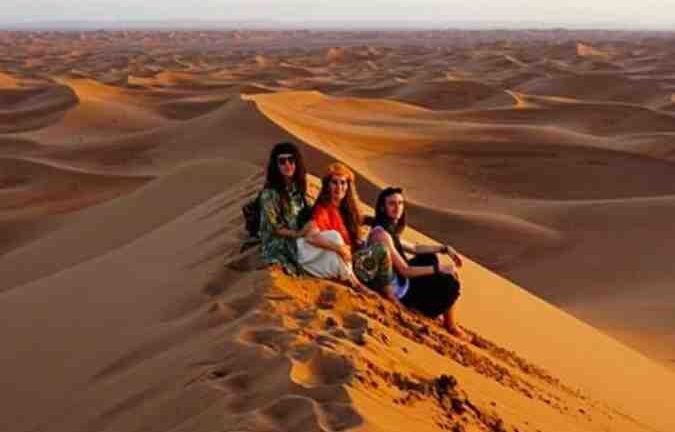
Discover your perfect 10-day Marrakech escape with expert itineraries, authentic experiences, and unforgettable desert adventures across Morocco’s most stunning landscapes in 2025. Morocco hits you in ways that stick. The deserts spread out in burnt orange tones, medina alleys twist back on themselves until maps become useless, and you’ve got snow-topped peaks while the valleys stay shirt-sleeved warm. When you’re sketching out ten days here, it’s not about ticking off landmarks—you’re choosing what pulls you in and leaving gaps for those random encounters that end up defining the whole trip. Why Choose a 10-Day Morocco Tour from Marrakech Marrakech sits where everything connects. Ten days means you’re not speedrunning through spots, you sink into the Sahara properly, poke around imperial cities at your own rhythm, check out mountain villages, maybe grab some ocean time. You’ll eat food that takes hours to prepare, swap stories with someone who’s run the same stall since before you were born, crash under skies so dark you forget what light pollution looks like and still carve out time to do absolutely nothing except nurse mint tea in some quiet corner. Classic 10 Days from Marrakech Itinerary Overview Most folks trace a route mixing sand and history. Day one digs into Marrakech’s medina madness. Days two through four climbs through the High Atlas, pause at Ait Benhaddou and the Dades Valley before pushing on to Merzouga. Middle chunks involve camels and desert camps. Coming back hits Fes, maybe Chefchaouen if stars align, then circles back to Marrakech. It moves smoothly without feeling packed or stretched thin. Best Time for Your 10 Days Morocco Journey Spring nails it—March into May when temps hang around the 70s. Fall copies that script from September through November. Summer inland turns brutal, winter tosses in occasional rain. Those in-between seasons hand you weather that cooperates for mountain treks and city wandering without hunting for shade every five minutes. Travelers can learn more about optimal visiting periods through the best time to visit Morocco Sahara guide. 10 Days from Marrakech by Car: Freedom Route Renting wheels flips the script completely. You roll out of Marrakech climbing Tizi n’Tichka Pass where the road switchbacks forever with valley drops that make you pull over just to stare. Ait Benhaddou shows up first—that UNESCO spot where Hollywood films anything needing old mud-brick vibes. Then Ouarzazate, Dades Valley with those bizarre rock fingers, and Todra Gorge where walls close in so tight you can reach both sides. Eventually Merzouga’s dunes take over the whole view. Return leg cuts through Midelt, Ifrane looking weirdly European, Fes, finishing in blue-washed Chefchaouen. Grab a 4×4 for mountain bits—reserve weeks out because decent rides vanish quick. Day-by-Day Breakdown: Essential Stops Day 1-2: Marrakech Exploration – Catch Jemaa el-Fna late afternoon when snake handlers show up and grill smoke starts rising. Bahia Palace throws tile patterns at you from every angle. The souks will turn you around—happens to everyone. Day two hits Majorelle Garden before bus groups swarm, then Koutoubia Mosque, and by afternoon you’re Atlas-bound. Day 3: Ait Benhaddou to Dades Valley – The kasbahs earned that UNESCO badge. From there Rose Valley literally smells like roses come spring. Dades Gorge shows up next with rocks stacked like someone planned it but it’s just water and time doing their thing. Day 4: Todra Gorge to Merzouga – Todra’s walls shoot straight up, squeezing down to maybe ten meters across. Then landscape empties out progressively until boom—there sit the dunes, enormous and gold and commanding your attention. Travelers seeking comprehensive desert experiences should explore Atlas Mountains and desert tours that combine mountain scenery with Saharan adventures. Desert Experience: Merzouga Highlights Days five and six belong entirely to sand. Camels take off late afternoon—you ride an hour-ish watching sun drop and temperature follow. Camps range from basic bags on mats to fancy setups with real beds and plumbing. Night brings fire music, endless tea rounds, and more stars than you probably knew existed. Sunrise means stumbling up a dune pre-dawn, then watching the whole color spectrum slide across sand. Days offer sandboarding, 4×4 runs to nomad families still living traditionally, or just sitting there absorbing the scale. Wet years fill Dayet Srji lake and flamingos migrate through. Fes and Chefchaouen: Cultural Immersion Day 7: Journey to Fes – Fes runs properly medieval. The medina packs 9,000-plus narrow passages where even locals sometimes get twisted around. Madrasas display tile work so detailed you can’t imagine the patience behind it. Leather tanneries still run centuries-old methods—smell reaches you blocks away but somehow adds character instead of killing the vibe. Day 8-9: Chefchaouen Discovery – Chefchaouen went blue for reasons people still argue over—bug spray, religious thing, or just liked the look. Whatever the story, it photographs like crazy. Ras El Maa waterfall breaks up the stair marathon. Spanish Mosque hands you that classic overview shot everyone posts. Two days let you drift without pressure and locate quieter spots where actual residents hang out. Professional guides enhance cultural understanding through Morocco culture history holidays programs designed for immersive experiences. 10-Day Morocco Itinerary from Casablanca Launching from Casablanca shuffles things around. Day one tackles Hassan II Mosque—rare mosque letting non-Muslims inside, partly over the Atlantic. Corniche shows Morocco’s modern side. Then Rabat’s royal stuff before merging into the usual Fes-Merzouga loop. Works perfectly flying into Mohammed V without doubling back. Different angle too—more coastal influence and colonial architecture showing through. Extended journeys benefit from Chefchaouen and Fes sightseeing tours that maximize time in both destinations. Customizing Families: Kid-Friendly Options Kids mean rethinking pace completely. Chop drives into chunks with interesting pauses. Camel rides work fine with patient handlers—4×4 options exist for nervous types. Cities throw up hands-on stuff: pottery making, bread baking, spice markets smelling incredible. Riads beat hotels because courtyards create safe enclosed zones. Hunt for pools because Moroccan afternoons genuinely cook. Shorter Alternatives: 7-Day Morocco Plans Seven days force you to pick lanes. Option one: stick with Marrakech, desert, Dades Valley—ditch northern cities.
Morocco Desert Tours from Casablanca
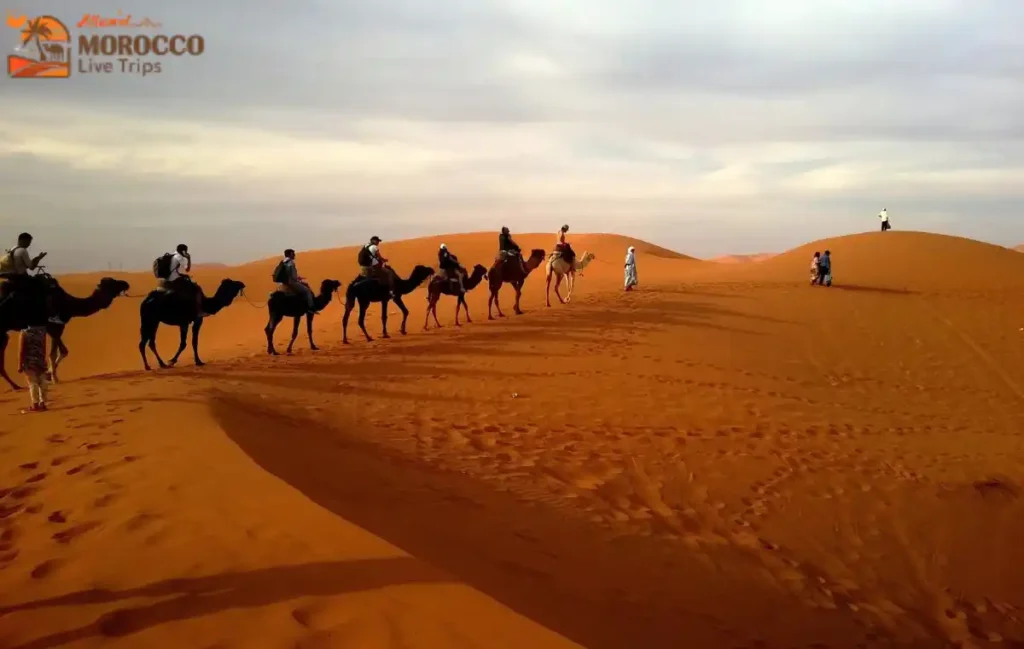
Step into a journey where the Atlantic breeze meets the golden dunes.Our Morocco Desert Tours from Casablanca are more than a simple trip they’re an adventure through history, culture, and wonderful land. From the modern pulse of Casablanca to the timeless silence of the Sahara, every mile tells a new story. At Morocco Live Trips, we design tours that connect you to Morocco’s living soul. You won’t just see the desert you’ll ride across it, dine under its stars, and share tea with those who call it home. Join us on an unforgettable journey from the coast to the dunes, where every sunrise paints a memory and every village whispers a story. Why Choose Morocco Desert Tours from Casablanca? Casablanca isn’t just Morocco’s largest city it’s the perfect starting point for your desert adventure. From here, you’ll trace ancient trade routes through imperial cities, snow-capped mountains, and vast desert valleys. What makes this journey special: A Morocco Desert Tour from Casablanca isn’t just about reaching the desert it’s about discovering the heart of the country on the way there. From Atlantic to Sahara – A Journey Through Morocco’s Soul The road from Casablanca to the Sahara is one of the most scenic routes in North Africa. You’ll pass through mountain passes, palm-filled valleys, and cinematic kasbahs. Every stop tells a chapter of Morocco’s story: Each region offers a different mood vibrant cities, quiet villages, and landscapes that shift like dreams. The Sahara Experience – Nights Under the Stars The highlight of every tour is the Sahara Desert Morocco’s crown jewel.In Merzouga, you’ll trade your car for a camel and your hotel for a luxury desert camp. Picture this: The sun sets behind golden dunes as your camel caravan moves across the sand. Drums echo in the distance. The sky deepens into a sea of stars. Around the fire, Berber musicians play rhythms that carry through the night. Stay in luxury or standard desert camps, each offering comfort, privacy, and an unforgettable sense of peace. Wake up to sunrise over the dunes one of the most magical views on Earth. The Ancient Caravan Route – Kasbahs & Oases For centuries, traders crossed the Sahara carrying gold, spices, and salt. Their routes are still visible today through the kasbahs and oases that line the valleys of southern Morocco. You’ll travel the same path from Erfoud to Ouarzazate, passing through the Todra and Dades Gorges.Each stop reveals new wonders: At the heart of it all stands Ait Ben Haddou, a UNESCO World Heritage site and filming location for Gladiator, Game of Thrones, and The Mummy. It’s the desert’s most iconic fortress and a must-see on your Morocco desert tour. Cultural Encounters Along the Way One of the greatest joys of traveling through Morocco is meeting its people.Our desert tours from Casablanca are designed to bring you closer to Berber traditions, nomadic hospitality, and authentic village life. Experience moments like: These encounters transform your journey from sightseeing to connection the true spirit of Morocco. Sample Itinerary – 10-Day Morocco Desert Tour from Casablanca Here’s an example of a 10-day journey handcrafted by Morocco Live Trips, blending history, adventure, and comfort. Day 1: Arrival in Casablanca Meet your driver at the airport and visit the iconic Hassan II Mosque before relaxing at your hotel. Day 2: Casablanca → Rabat → Fes Explore Morocco’s capital, Rabat, then continue to Fes, the world’s oldest medieval city. Day 3: Fes Exploration Full-day tour of Fes el-Bali medina, tanneries, and Al-Qarawiyyin University. Overnight in a traditional riad. Day 4: Fes → Ifrane → Ziz Valley → Merzouga Drive through cedar forests and mountain villages before reaching the edge of the Sahara. Camel ride at sunset. Day 5: Sahara Desert Camp Experience Explore Erg Chebbi dunes by camel or 4×4. Enjoy dinner and live Berber music under the stars. Day 6: Merzouga → Rissani → Todra Gorge → Dades Valley Visit traditional markets and dramatic canyons along the way. Overnight in Dades. Day 7: Dades → Ouarzazate → Ait Ben Haddou → Marrakech Cross the High Atlas Mountains via Tizi n’Tichka Pass. Visit kasbahs and arrive in vibrant Marrakech. Day 8–9: Marrakech Exploration Discover Bahia Palace, Majorelle Garden, and Jemaa el-Fna Square. Optional cooking class or hammam visit. Day 10: Departure from Casablanca Transfer back to Casablanca with unforgettable memories of Morocco’s deserts and cities. (All itineraries are customizable based on your schedule and preferences.) What’s Included in Our Morocco Desert Tours from Casablanca Our tours are built for comfort, adventure, and cultural connection. Each package includes: Best Time to Book Morocco Desert Tours from Casablanca The best time to experience Morocco’s desert is March–May and September–November, when temperatures are pleasant and ideal for camel rides or hiking. Avoid July and August if you prefer cooler weather though our luxury camps remain fully air-conditioned. Why Choose Morocco Live Trips At Morocco Live Trips, we’re more than guides we’re storytellers.Our team is 100% Moroccan, passionate about sharing our homeland’s beauty, culture, and hospitlity. What makes us different: When you travel with us, you don’t just visit Morocco you live it. Frequently Asked Questions 1. How long does it take to reach the Sahara from Casablanca?It takes about 8–9 hours of scenic driving, usually divided over 2 days with stops in Fes or the Atlas Mountains. 2. Can I book a private tour instead of a group trip?Yes. All our Morocco Desert Tours from Casablanca can be private, semi-private, or custom-tailored to your preferences. 3. Are the desert camps comfortable?Absolutely. Our standard and luxury camps include private tents, hot showers, electricity, and traditional Moroccan cuisine. 4. What should I pack for a desert tour?Light clothes for daytime, warm layers for evenings, sunscreen, sunglasses, and a hat. 5. Can the tour start or end in Marrakech?Yes! Many travelers start in Casablanca and end in Marrakech or vice versa. We’ll customize your route accordingly. Final Thoughts A Morocco Desert Tour from Casablanca isn’t just a vacation it’s a once-in-a-lifetime story. From the Atlantic
3 Day Sahara Desert Tour from Marrakech
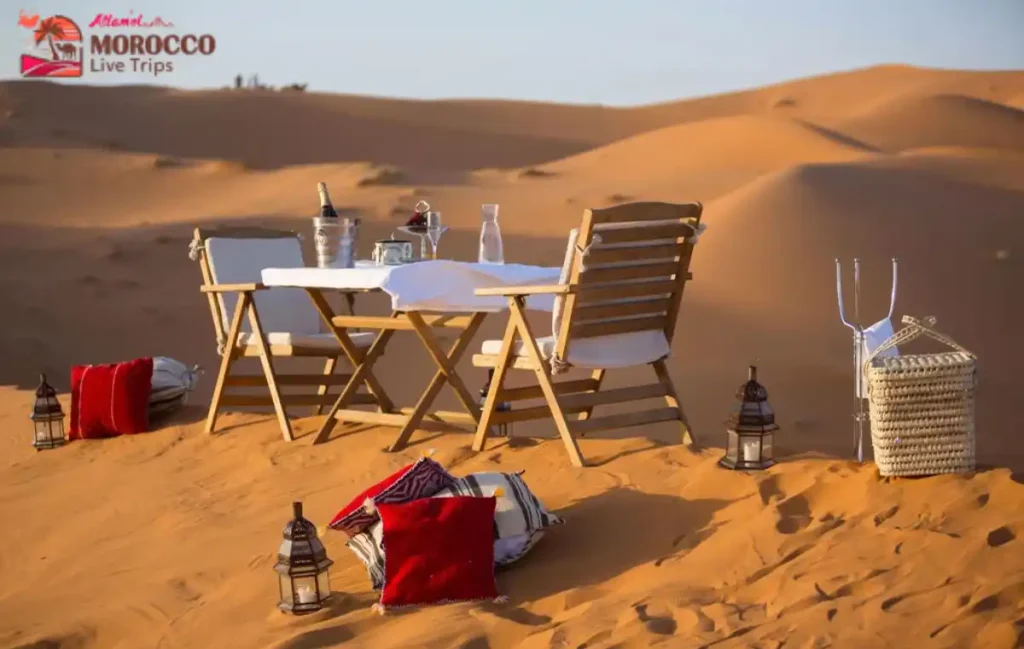
3 Day Sahara Desert Tour from Marrakech – The Ultimate Travel Guide A 3 Day Sahara Desert Tour from Marrakech is no holiday it’s an endless pursuit of Morocco’s grandeur. From Erg Chebbi golden sand dunes to Atlas rolling hills, every experience turns another page of awe. Trekking enthusiasts can witness a blend of Berber culture, desert tranquility, and stardom night skies far more enticing than any description. From camel riding across the sand dunes to drinking tea at a desert camp, your 3-Day Sahara Desert Tour is one that you’ll be fantasizing about long after you’re back home. What You Will Experience on Your 3 Day Sahara Desert Tour Your 3 day Marrakech Sahara Desert tour is a perfect blend of scenery, culture, and adventure. Get ready to face long but exciting rides across High Atlas Mountains, ancient kasbahs like Aït Ben Haddou, and constantly changing landscapes unfolding themselves out into endless Merzouga Desert. Green oases, old Berber villages, and valleys like Dades and Todra Gorge whip past. Day camel ride, of course, is in late afternoon a fairy-tale hour when dunes are bathed in golden light of the setting sun. There is peaceful night in authentic desert camps with music, Moroccan cuisine, and starry skies above. Ammunitive 3 Day Itinerary Day 1: Marrakech to Dades Gorges via Aït Ben Haddou Leave Marrakech early and travel through the breathtaking Tizi n’Tichka Pass over the High Atlas Mountains. Side trip to Aït Ben Haddou, a UNESCO World Heritage site and world-renowned for kasbah architecture as well as movie sets. Drive on to Ouarzazate, “Gateway to the Desert,” and to Dades Gorges to lunch and overnight at a quaint guesthouse. Day 2: Dades to Merzouga Desert (Erg Chebbi Dunes) Breakfast, and drive via Todra Gorge, this centuries-old gorge of serenity, to Merzouga. Camel safari of the Sahara Desert onto your camel, and camel among the dunes as sundown blankets Erg Chebbi. Dinner, Berber drumming, and a night filled with memories etched into your brain forever at your Sahara Desert camp. Day 3: Merzouga to Marrakech via Ouarzazate Wake up early to catch the magical Sahara sunrise, then ride back to meet your vehicle. Stop at scenic viewpoints and local markets on your return journey to Marrakech, wrapping up your 3-day Sahara Desert tour Morocco with memories to last a lifetime. Accommodation Options in the Sahara Desert When booking your 3 day Sahara Desert tour, you’ll find a range of accommodations for every traveler. All of them have an overnight in Dades Valley hotel and overnight night stay in Merzouga desert camp. Stay is from basic Berber tent share to luxury desert camps with toilet and shower, warm beds, and candle light dinner at night under the star. It surely lies within the pocket of most of the travelers to spend a bit extra for a convenience luxury room. Either Moroccan smiles, mint tea, and hospitality make every single vacation extremely unforgettable. Things to Carry Along in a Sahara Desert Vacation Your Sahara Desert vacation tip is intelligent packing. Loose tops during the day and a jacket for chillier nights. A classic shawl or scarf to keep dust away, supportive shoes, sun cream, hat, and sun goggles. Reusable water bottle, travel adapter, and pocket reminders along with you. Travel light desert travel light. When taking dunes or sun downing shots, you’d be helpless without a phone tripod to capture such great images of Erg Chebbi. Cost Sharing – How Much Is a 3 Day Sahara Desert Tour Marrakech Sahara Desert tour 3 day price will also vary with transport. Group tours cost $120–$180 per person for accommodation, food, and transportation. Private guided individual tours cost $250–$400, and the luxury one with luxe camps and 4×4 excursions to $500+. Lunches, tips, drinks, and other activities like quad biking or sandboarding at Merzouga are added on occasionally. Keep an eye out for what is included and be suspicious of add-ons. Safety Precautions and Purchasing Desert Tour Travel Insurance Desert travel is secure in Morocco but beware. Hire a professional, experienced tour company to arrange decent guides and transport. Carry a first-aid kit, drink plenty of water, and sun-protect yourself. Since communications are poor in deserts, inform someone of your itineraries. Cancellation and medical condition travel insurance, and desert sports insurance, should be well considered to buy. Keep your guide handy on camelpack and never venture out alone safety guarantee best memories. Local Interaction and Cultural Etiquette Respecting local customs enhances your Sahara experience. During your 3-day Morocco desert tour, you’ll encounter the warm and hospitable Berber communities. Dress modestly, especially in villages, and ask permission before photographing locals. Accepting tea when offered is a sign of respect. Avoid public affection or loud behavior near sacred sites. Support local artisans and guides your contribution helps sustain traditional livelihoods and promotes responsible tourism in Morocco. Best Time to Visit the Sahara Desert Best time to visit the Sahara Desert are spring (March–May) and autumn (September–November) with warm and hot sun. Summer (June–August) is hot and winters (December–February) cool nights in Merzouga and Erg Chebbi. Camel trekking and photo-taking are best done early morning and at sunset. Go from late September to early April when it is less crowded and good weather. Alternatives – Other Desert Routes to Consider If you’re exploring beyond the 3 day Sahara tour, Morocco offers other desert adventures. The 2-day Zagora Desert tour is perfect for travelers on a tight schedule closer to Marrakech but still authentic. The 4-day Fes to Merzouga tour provides a deeper experience through the Ziz Valley and northern Morocco. They can include Atlas Mountains, Chefchaouen, or Essaouira in the desert to have the whole traveler’s experience. All the tours include more scenery and culture experience. Frequently Asked Questions (FAQ) 1. Is it safe to travel in the Sahara Desert as a tourist? Yes, Morocco’s Sahara Desert is safe only if you travel with the official guides and tour groups. Most of the paths are well-traveled and
10 day tour from Casablanca to desert via Chefchaouen and Fes
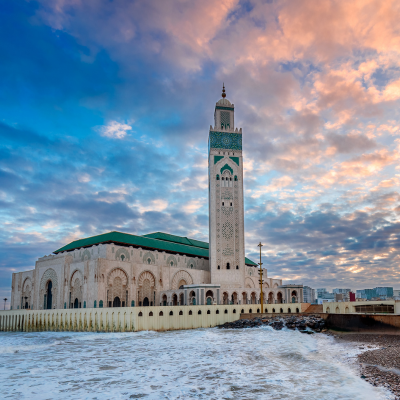
Morocco’s most rewarding 10-day route—a 10 day tour from Casablanca to desert via Chefchaouen and Fes—takes you from Atlantic shores through blue mountain villages, ancient medinas, and deep into Sahara territory before looping back through dramatic Atlas passes. Understanding This Cross-Country Morocco Circuit The journey spans roughly 2,400 kilometers connecting seven major destinations. You’ll spend about 40% of time exploring cities and sites, 30% experiencing desert and valleys, 20% traveling between locations, and 10% in mountain regions. Each segment brings completely different scenery, architecture, and local culture. Complete Day-by-Day Itinerary Breakdown Day 1: Landing in Casablanca and Coastal Orientation Hassan II Mosque dominates your first afternoon. Construction finished in 1993 after seven years of work. The prayer hall fits 25,000 people with another 80,000 on exterior grounds. Craftsmen used 53,000 square meters of wood, 67,000 square meters of marble, and hand-carved 10,000 square meters of zellige tilework. Your driver meets you at Mohamed V Airport with a name board, typically within 20 minutes of clearing customs. Day 2: Moving North Through Rabat to Chefchaouen Rabat stops include the Hassan Tower from 1195 (never completed), Mohammed V Mausoleum with royal guards in traditional dress, and the Kasbah fortifications overlooking the river mouth. The drive north takes 4 hours through farmland and small towns. Chefchaouen appears suddenly as the road climbs into Rif terrain. Founded by Moulay Ali Ben Moussa Ben Rached El Alami as a military fortress, the town now hosts around 200 guesthouses within half a square kilometer. Morocco Live Trips times arrival for late afternoon when shadows enhance the blue walls. Day 3: Free Exploration Day in Blue Pearl Territory Chefchaouen’s medina has no major monuments requiring guides or tickets. You navigate freely through residential areas where locals repaint walls annually in varying blue shades. Some use indigo, others add purple tones or turquoise. The practice started with Jewish refugees in the 1930s though several origin stories circulate. Spanish Mosque sits 30 minutes uphill on foot, abandoned since the 1920s but offering clear views across the valley. Day 4: Roman Ruins Stop and Imperial Meknes Before Fes Volubilis is 33 kilometers from Meknes off the main road. The site covers 42 hectares though only 40% has been excavated. You’ll see the Capitol, Basilica, Triumph Arch, and about 30 houses with intact floor mosaics. Orpheus charming animals, Dionysus discovering Ariadne, and acrobat performances appear in colored stone patterns. Meknes became capital under Sultan Moulay Ismail who ruled for 55 years. Bab Mansour gate took 12 years to build. Fes lie 60 kilometers east through rolling hills. Evening arrival leaves you rested for the medina intensity next day. Day 5: Navigating Fes El Bali’s Medieval Maze Fes el-Bali contains 9,400 lanes across 300 hectares making it Africa’s largest car-free urban area. Your guide meets at Bab Boujloud (Blue Gate) built in 1913 though looking medieval. Al-Qarawiyyin Mosque dates to 857 AD, expanded multiple times, now covering 2,700 square meters. The university section opened 859 AD, making it the world’s oldest continuously operating educational institution per UNESCO. Chouara Tannery uses three stone pools for different processing stages. Workers stand in pigeon dung, cow urine, and plant extracts to soften and dye leather. Artisan quarters separate by trade—blacksmiths in one zone, carpenters another, dyers elsewhere. Day 6: Atlas Mountains Crossing to Desert Gateway Ifrane appears after 60 kilometers of climbing. Built in 1929 by French colonial planners, it copies Swiss alpine towns with peaked roofs and stone facades. Azrou means “rock” in Amazigh referring to an outcrop in town center. Cedar forests begin 17 kilometers south where 300-year-old trees reach 40 meters. Barbary macaques approach vehicles expecting food. The road drops through Midelt at 1,500 meters, crosses Tizi n’Talremt pass at 1,907 meters, then descends into Ziz Valley where thousands of date palms line irrigation channels. Your route follows the river through gorges before reaching flat pre-Sahara terrain. Day 7: Sahara Desert Immersion and Overnight Camp Erg Chebbi stretches 28 kilometers north to south, 5-7 kilometers wide. Dunes reach 150 meters high. Morning options include driving to Khamlia village where Gnawa musicians descend from sub-Saharan slaves brought north centuries ago. Erfoud lies 50 kilometers north, known for fossil workshops cutting and polishing 300-million-year-old trilobites and ammonites. Afternoon camel caravans depart around 4 PM depending on sunset timing. You reach camps in 60-90 minutes positioned between dune ridges. Dinner includes soup, salad, tagine, fruit, and mint tea. Day 8: Todra Gorge Cliffs and Dades Valley Kasbahs Todra Gorge cuts through limestone creating 300-meter walls only 10 meters apart at the narrowest point. Rock climbers use over 400 bolted routes on the north face. Tinghir town marks the gorge entrance where palm groves fill the valley floor. Dades Valley extends 100 kilometers with earthen kasbahs at intervals along the river. Most dates from 1800s-1900s, built by wealthy families controlling water rights and trade routes. The valley shows Morocco’s dramatic geology—red sandstone, grey limestone, green vegetation contrasts. Day 9: Ait Benhaddou Film Location and High Atlas Crossing Ait Benhaddou represents Morocco’s most photographed site. The ksar contains 6 kasbahs and roughly 50 smaller buildings enclosed by defensive walls. UNESCO listed it in 1987. Lawrence of Arabia filmed here in 1962, followed by dozens of productions including Kingdom of Heaven, Prince of Persia, Gladiator, and Game of Thrones. Tizi n’Tichka Pass crosses High Atlas at 2,260 meters. The road has 35 hairpin turns with roadside vendors selling minerals, fossils, and nuts. Day 10: Marrakech Medina Tour and Departure Logistics Jemaa el-Fnaa square dates to the 11th century, originally used for public executions (the name means “assembly of the dead”). Now it hosts snake charmers, henna artists, orange juice sellers, and evening food stalls. Koutoubia Mosque from 1158 has a 77-meter minaret visible across the city. Bahia Palace belonged to Grand Vizier Si Moussa in the 1860s with 150 rooms and multiple courtyards. Souks divide by product type—spices in one section, leather in another, metalwork elsewhere, textiles in their own quarter. What Vehicle Types Handle This Route