Best Morocco 10-Day Travel Itinerary
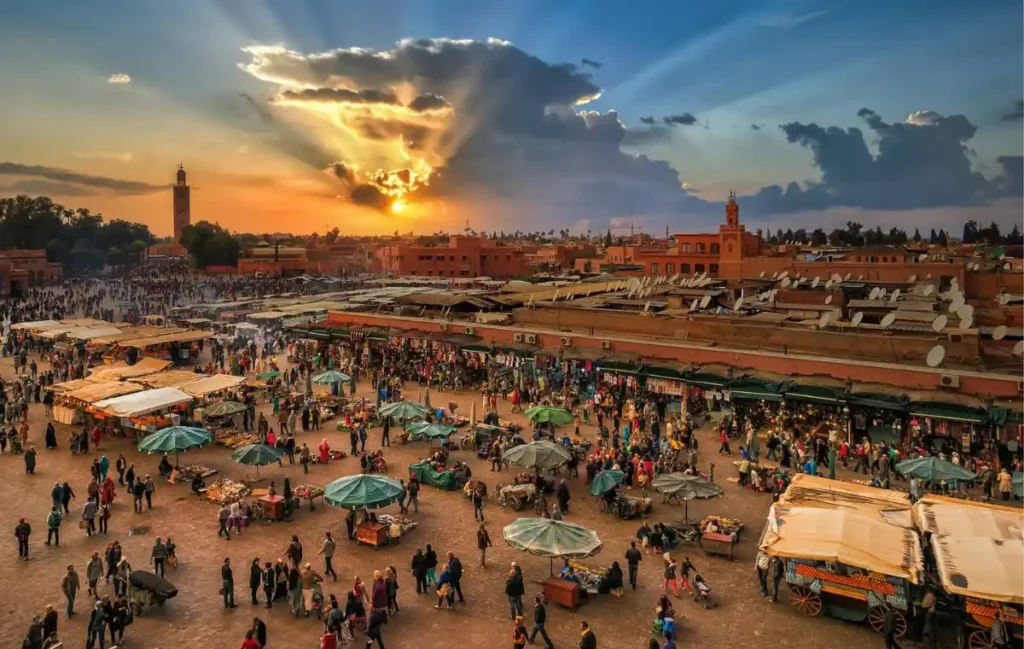
Introduction — The Magic of Morocco in Ten Days Few places in the world charm the senses quite like Morocco were ancient civilizations merger faultlessly with desert venture and mountain calmness. The call to prayer resonances through centuries-old medinas, the scent of interest’s meanings from busy souks, and the colors of the Sahara seem to move with every sunset. This Best Morocco 10-Day Travel Itinerary takes you through the country’s most memorable highlights from the active streets of Marrakech to the peaceful Atlas Mountains, the infinite dunes of Merzouga, the spiritual heart of Fes, and the blue-washed attraction of Chefchaouen. Each stop discloses a different incredible landscapes. Use this Morocco travel guide as your scope or let Morocco Live Trips arrange everything for you with private drivers, expert guides, and hand-picked riads. Day 1–2 | Marrakech — The Red City’s Rhythm Marrakech is Morocco’s heartbeat energetic, beautiful, and endlessly fascinating. Step through the old city gates, and suddenly you’re in a swirl of color and sound. Day 3 | Atlas Mountains — A Breath Above the Clouds After two thrilling days, escape the city heat and drive two hours south toward the High Atlas Mountains. As the road climbs, ochre hills turn to emerald terraces and snow-tipped peaks appear on the horizon. Book a guided Atlas Mountains tour through Morocco Live Trips for a smooth transfer and local insight. Day 4–5 | Sahara Desert — From Aït Benhaddou to Merzouga Leaving the mountains behind, the land shifts into desert plains. You’ll pass Aït Benhaddou, a UNESCO fortress of mud-brick kasbahs used in films like Gladiator and Game of Thrones. Continue through Ouarzazate known as the “Hollywood of Morocco” before reaching Merzouga, the edge of the Erg Chebbi Dunes. For seamless logistics, book a private Sahara Desert tour with Morocco Live Trips they handle 4×4 transfers, campsite reservations, and experienced guides. Day 6 | Dades Valley — Roses, Gorges, and Kasbahs The next leg takes you through the Todra Gorge, where vertical cliffs rise 300 meters above a palm-lined river. Continue to Dades Valley, nicknamed the Valley of a Thousand Kasbahs for its fortress-like homes dotting the canyon. Day 7–8 | Fes — The Soul of Morocco Drive north to Fes, the country’s cultural and spiritual capital. It’s one of the world’s oldest primitive cities still alive with artisans hammering copper, weaving silk, and dyeing leather in open vats. A local Fes guide arranged by Morocco Live Trips ensures you don’t get lost in the maze and exposes secreted gems few tourists see. Day 9 | Chefchaouen — The Blue Pearl From Fes, wind through the Rif Mountains toward Chefchaouen, where nearly every wall is painted blue. The town’s calm energy contrasts beautifully with the cities’ bustle it’s Morocco’s most photogenic stop. Spend an evening simply strolling the scent of jasmine and the echo of prayer make it feel timeless. Day 10 | Tangier — Where Africa Meets Europe End your 10-day Morocco itinerary in Tangier, a port city with a diverse soul. For centuries, artists and writers have fallen under its spell from Paul Bowles to Matisse. For airport transfers or continued tours northward, Morocco Live Trips provides reliable drivers and bilingual guides. Travel Tips for Morocco Getting Around Renting a car offers flexibility, but Moroccan roads can be unpredictable. Many travelers prefer private transport through Morocco Live Trips, which includes an English-speaking driver and comfortable vehicle. Best Time to Visit Currency & Payments The Moroccan Dirham (MAD) is used nationwide. ATMs are common, and cash is king in smaller towns. Language Arabic and French dominate; English is understood in most tourist spots. Learning a few Arabic greetings earns smiles everywhere. Safety Morocco is generally safe. Dress modestly, keep belongings safe in crowded medinas, and follow local customs. Connectivity Buy a local SIM at the airport for data and maps. Wi-Fi is good in hotels and cafes. Cultural Etiquette Always ask before photographing people. Tipping 10 percent in restaurants is polite. Where to Stay in Morocco — Quick Reference Region Recommended Stays Marrakech Riad Hikaya • La Sultana Marrakech Atlas Mountains Kasbah du Toubkal • Douar Samtan Lodge Merzouga (Sahara) Luxury Desert Camp • Sahara Stars Camp Dades Valley Hotel Xaluca Dades • Auberge Chez Pierre Fes Riad Fes • Palais Amani Chefchaouen Dar Echchaouen • Casa Perleta Tangier Hotel Nord-Pinus • Mimi Calpe Each of these can be arranged easily through Morocco Live Trips, confirming confirmed quality and local pricing. Suggested Tour Packages by Morocco Live Trips If you’d rather skip the planning and focus on experiencing Morocco, discover these signature journeys: 4-Day Desert Adventure Marrakech → Aït Benhaddou → Merzouga → Return.Contains camel trek, desert camp, and Atlas Mountains drive. Book Now with Morocco Live Trips 7-Day Classic Morocco Tour Marrakech → Fes → Chefchaouen → Casablanca.Perfect for first-time visitors who want a condensed version of this 10-day route. 12-Day Grand Morocco Journey Add Essaouira and Rabat to your itinerary for seaside attraction and royal history.Ideal for slow travelers looking for balance between culture and relaxation. Each tour is private, customizable, and operated by licensed local guides who know the hidden gems most tourists miss. Final Thoughts Morocco is a country of contrasts where desert meets ocean, modern meets ancient, and every alley hides a story. This best Morocco 10-day travel itinerary offers a glimpse into that magic: the pulse of Marrakech, the stillness of the Sahara, the artistry of Fes, and the peace of Chefchaouen. Whether you’re rushing adventure, photography, or slow cultural travel, Morocco rewards curiosity with unforgettable beauty. To turn this guide into a real journey, connect with Morocco Live Trips local experts passionate about fashioning reliable Moroccan experiences. From the dunes to the mountains, they’ll make sure every day feels like a story worth telling.
Private 4×4 Desert Tours in Morocco
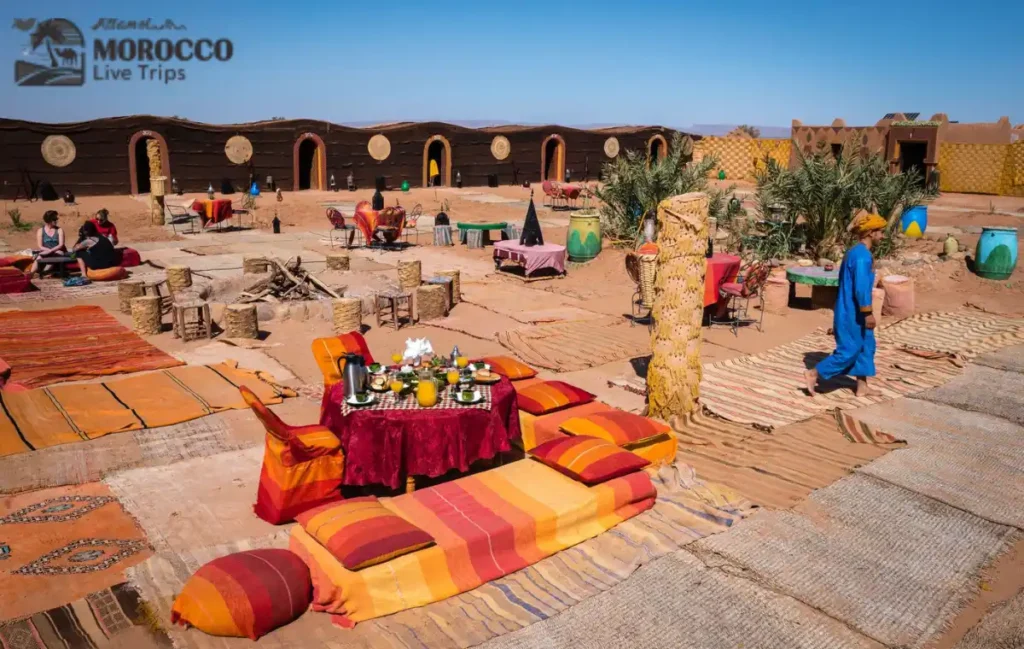
The Desert You’ve Dreamed Of — Now Within Reach It starts as a shine on the horizon. The mountains fade behind you, the air thickens with warmth, and suddenly the land turns gold. That’s the moment travelers fall quiet when the Sahara Desert finally appears. At Morocco Live Trips, we’ve guided visitors across these sands for more than a decade. Our private 4×4 desert tours in Morocco combine adventure, comfort, and reality. You’ll cross winding mountain roads, explore hidden oases, and sleep beneath a galaxy of stars all at your own pace. Whether you’re looking for a short 3-day escape from Marrakech, a 4-day journey between Fes and the desert, or a luxury off-road venture to Chigaga, our team makes sure every moment feels personal and unforgettable. Why Choose a Private 4×4 Desert Tour in Morocco? Comfort You Can Feel Morocco is huge and a 4×4 makes the journey easy. Our air-conditioned Toyota Land Cruisers and Prados handle desert tracks and mountain passes with ease. Inside, there’s Wi-Fi, phone chargers, soft seats, and cool boxes filled with water. Each stop is your choice: a market here, a photo stops there, a tea break under a palm grove. It’s flexible travel at its best. “The desert rewards patience,” says Hassan, one of our guides. “When you take your time, the road tells its stories.” Access Beyond the Ordinary While buses and sedans stay on paved highways, your 4×4 reaches hidden corners few travelers ever see. From the winding Draa Valley to ancient group paths and fossil plains, every road led to discovery. Maybe it’s a lunch stop with nomads in the dunes, or a detour through an unmarked Berber village where kids wave as you pass. These spontaneous instants often become the highlights of the tour. Safety and Experience You Can Trust Every Morocco Live Trips vehicle carries passenger insurance, GPS tracking, and first-aid kits. Drivers are licensed, multilingual, and trained in desert navigation. Our routes are reviewed daily for weather and road updates. “We plan like pilots,” says Youssef, the founder. “Even in the desert, nothing is left to chance.” Morocco’s Iconic Sahara Routes Each desert journey deals its own tempo and background. Here are the three most popular routes. Marrakech → Erg Chebbi (Merzouga) The classic route begins in Marrakech and winds through the High Atlas Mountains, over the Tizi n’Tichka Pass.You’ll stop at Aït Benhaddou, the UNESCO mud-brick fortress, then drive through Ouarzazate, the film capital of Morocco.By sunset, you’ll reach the dunes of Merzouga and mount a camel for a slow ride across orange sand. Best for: first-time travelers, families, and photographersDriving time: around 9 hours with scenic stops Fes → Merzouga Leaving the cool cedar forests near Azrou, you’ll pass snow-tipped mountains before descending into the Ziz Valley, a surprising stretch of green palm groves.By evening, the dunes appear on the horizon a slow, cinematic reveal. Best for: travelers who prefer a quieter, more rural routeDriving time: about 8 hours Marrakech → M’Hamid (Erg Chigaga) This is the wild route — and a favorite among repeat visitors.After Zagora, the paved road disappears. For two hours, you’ll travel over dry lakebeds and soft sand tracks to reach Erg Chigaga, a remote sea of dunes. Here, there are no crowds, no phone signal just endless horizon. “At Chigaga, even silence has texture,” says guide Abdel. Best for: adventure seekers and nature loversDriving time: 8 hours + 2 off-road Sample Private 4×4 Itineraries Every Morocco Live Trips itinerary is built around your timing and interests, but these are our most popular templates. 3-Day Marrakech → Merzouga Day 1: Drive across the High Atlas Mountains · Visit Aït Benhaddou · Stay overnight in the Dades ValleyDay 2: Explore Todgha Gorge · Camel trek to camp · Sunset over dunesDay 3: Return to Marrakech via Ouarzazate Ideal for travelers short on time who still want the full desert experience. 4-Day Fes → Marrakech via Sahara A balanced route that includes both desert and mountain landscapes.Spend a night in the dunes and another in a cozy mountain guesthouse. Great for slow travelers who enjoy road photography and cultural depth. 5-Day Erg Chigaga Luxury Adventure The longest route and the most immersive.You’ll cross the Draa Valley, visit nomad families, and sleep under billions of stars in luxury desert camps with private bathrooms and candlelit dinners. Vehicles, Guides & Comfort Our 4×4 fleet is more than transportation it’s your home on wheels.Each vehicle seats up to four travelers comfortably, with room for luggage, snacks, and gear. Wi-Fi and A/C make even long drives easy. Your driver is more than a chauffeur. He’s your storyteller, translator, and occasional musician. Many of our guides grew up in desert towns like Merzouga and M’Hamid, and they know every dune by name. “Guests arrive as clients and leave as family,” says Ali, one of our senior drivers. Camps, Cuisine & Cultural Life As dusk settles, lanterns flicker across the dunes. The air cools, mint tea steams in your hands, and a drumbeat begins near the fire.That’s desert evening part ritual, part dream. Desert Camps: Comfort in the Sands Choose between standard and luxury camps.Standard sites offer cozy shared dining and basic showers, while luxury camps feature ensuite tents, solar lighting, and private terraces. All use local ingredients and sustainable energy. Breakfast is homemade bread, jam, and strong coffee as the dunes glow pink with dawn. Dinner Under the Stars Dinner is a slow-cooked tagine, often followed by Berber music and storytelling. You’ll taste cumin, saffron, and the faint sweetness of dates flavors that linger with the firelight. Cultural Encounters Along the way, you might visit pottery workshops in Tamegroute, carpet cooperatives in Tinghir, or meet nomadic families still following old caravan routes.It’s travel that supports real communities, not staged performances. Pricing & What’s Included We believe in transparency no secreted extras, no rushed upsells. Tour Type Duration Typical Price (per person) Includes Classic Sahara 3 Days €150–€250 4×4, driver, fuel, camp, meals Explorer 4 Days €230–€350 Extra
Morocco Family-Friendly Desert Tours
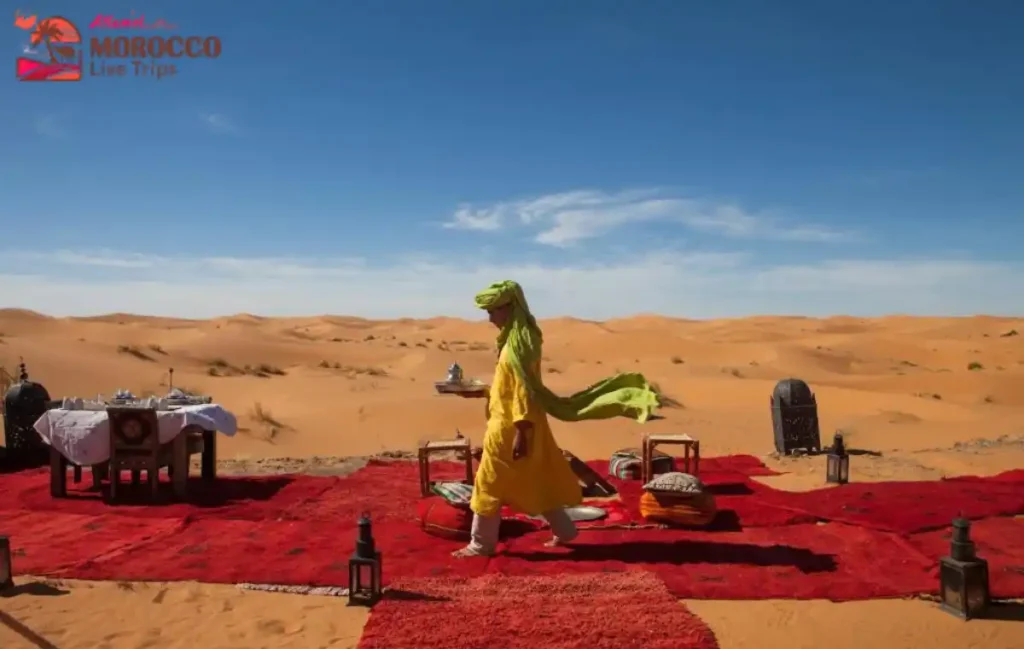
Experience the Magic of the Moroccan Desert with Your Loved Ones Imagine golden dunes extending infinitely under the Moroccan sun, camel caravans winding through the sand, and families sharing laughter under a starry sky. A Morocco family-friendly desert tours is more than just a trip it’s a magical trip that connects hearts, cultures, and generations. At Morocco Live Trips, we design desert ventures that are secure, relaxed, and faultlessly balanced between enthusiasm and reduction confirming every family member, from children to grandparents, relishes the experience of a lifetime. Why Choose a Family-Friendly Desert Tour in Morocco? Morocco deals an unbelievable mixture of venture, security, and warmth. It’s one of the few destinations where you can experience snow-capped mountains, antique cities, and golden deserts all in one country. A family-friendly desert tour in Morocco means: Whether you’re determining nomadic traditions, discovering ancient kasbahs, or sandboarding down sunlit dunes, the desert has something for everyone. Top Family-Friendly Desert Destinations in Morocco Merzouga and Erg Chebbi Dunes The Merzouga Desert is Morocco’s crown jewel a sea of golden dunes rising up to 150 meters high. Families can enjoy camel rides, 4×4 safaris, and luxury desert camps surrounded by wonderful sights. Family Highlights: Zagora Desert The Zagora Desert, situated just 6 hours from Marrakech, is a softer introduction to the Sahara perfect for families with young children. The dunes are smaller and the journey shorter, yet equally attractive. Family Highlights: Agafay Desert (Near Marrakech) The Agafay Desert also known as the “Stone Desert” — deals an exclusive experience just an hour from Marrakech. It’s faultless for families with limited time who want a rapid yet reliable desert escape. Family Highlights: Family Activities to Enjoy in the Moroccan Desert A Morocco family-friendly desert tour is full of attractive events that demand to all ages from venture explorers to ethos lovers. Here’s an extended list of memorable things your family can do in the desert: Camel Trekking Ride gently across the dunes like travelers once did. Kids love the feeling of venture, while adults appreciate the fabulous scenery and peace of the desert. You can select short one-hour rides or longer walks for a full-day experience. Sandboarding Bring your inner child to life as you glide down golden dunes! Sandboarding is fully harmless and faultless for families with teens. Guides provide boards and help you find the smoothest slopes. Stargazing Nights The Sahara is one of the best places in the world for astronomy. With almost no light pollution, you can see thousands of stars and even the Milky Way with the naked eye. Many camps provide telescopes and stargazing talks for kids. Berber Cooking Classes Learn to make outdated Moroccan dishes like tagine and couscous together as a family. This hands-on experience is both educational and delightful, giving children vision into Moroccan ethos. Berber Village Visits Families can visit reliable Berber villages and meet local families who welcome you into their homes. It’s a casual to learn how they live, share mint tea, and understand Morocco’s rich civilizations. Horse or ATV Rides For daring families, guided horse or ATV rides deal an exciting way to discover the dunes. Teenagers specially love this activity for its enthusiasm and liberty. Evening Campfire & Music After dinner, relish live outdated drumming, storytelling, and Berber songs under a sky full of stars. Kids are often invited to join in dancing, playing drums, or simply relishing the tempo of the desert night. Art & Craft Workshops Some family camps establish small craft sessions where children can paint, weave, or make small mementos. It’s a delightful way for them to involve imaginatively while learning about Moroccan ethos. Best Itineraries for Morocco Family-Friendly Desert Tours Based on your family’s agenda, age group, and interests, Morocco Live Trips deals supple tours that fit every need. Here are the top not compulsory family-friendly desert trips: 3-Day Family Desert Tour from Marrakech to Merzouga Day 1: Marrakech → Ait Ben Haddou → Dades ValleyDepart from Marrakech, crossing the High Atlas Mountains via the Tizi n’Tichka Pass. Stop at the UNESCO World Tradition site Ait Ben Haddou, then endure to Dades Valley for an overnight stay. Day 2: Dades → Todra Gorge → Merzouga DesertDiscover the affected Todra Gorges, a natural wonder faultless for family photos. Then travel to Merzouga for a sunset camel ride and overnight stay in a luxury desert campsite. Day 3: Merzouga → Ouarzazate → MarrakechWake early for sunrise sights before returning to Marrakech, stopping for beautiful photo breaks and lunch along the way. Why it’s great: Balanced pace, faultless for first-time visitors, and kid-friendly routes. 4-Day Marrakech to Fes Family Desert Adventure Day 1: Marrakech → Ait Ben Haddou → Dades ValleyVisit kasbahs and the Atlas Mountains, with plenty of breaks for photos and snacks. Day 2: Dades → Todra Gorges → Erg Chebbi DunesArrive in Merzouga for camel hiking, desert games, and Berber dinner by the campfire. Day 3: Full Day in the DesertSpend the day discovering nomad villages, fossil sites, and relishing family fun like sandboarding or quad biking. Day 4: Merzouga → Midelt → FesDrive through the Middle Atlas Mountains, passing cedar forests and the town of Ifrane often called “Little Switzerland.” Why it’s great: Combines both Marrakech and Fes, perfect for families wanting to see Morocco’s diverse landscapes. 2-Day Zagora Desert Tour Day 1: Marrakech → Ait Ben Haddou → ZagoraShorter drive, faultless for small kids. Visit film studios in Ouarzazate before arriving in Zagora for camel rides and desert camping. Day 2: Sunrise in the dunes → Visit Berber Village → Return to Marrakech Why it’s great: Perfect weekend getaway for families with young children. Agafay Desert Day Trip For those staying in Marrakech, the Agafay Desert offers an unforgettable day trip. Enjoy a camel ride, lunch overlooking the Atlas Mountains, and relaxation by a pool before returning in the evening. Why it’s great: No long travel, luxurious ease, and great for children. When is the Best Time for a Family Desert Tour in Morocco?
Morocco Desert Tours from Casablanca
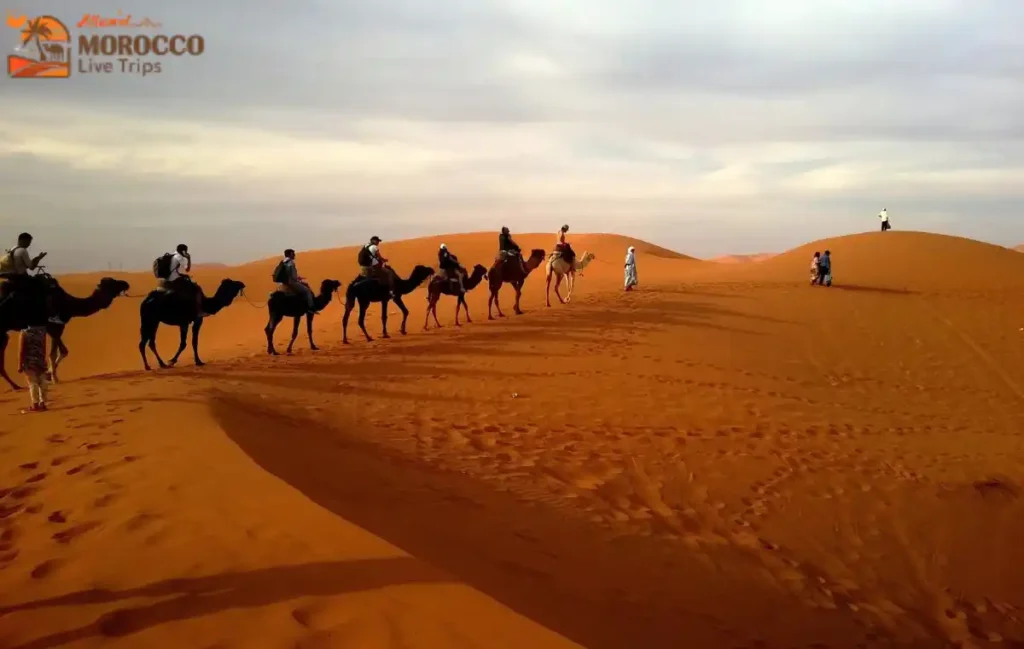
Step into a journey where the Atlantic breeze meets the golden dunes.Our Morocco Desert Tours from Casablanca are more than a simple trip they’re an adventure through history, culture, and wonderful land. From the modern pulse of Casablanca to the timeless silence of the Sahara, every mile tells a new story. At Morocco Live Trips, we design tours that connect you to Morocco’s living soul. You won’t just see the desert you’ll ride across it, dine under its stars, and share tea with those who call it home. Join us on an unforgettable journey from the coast to the dunes, where every sunrise paints a memory and every village whispers a story. Why Choose Morocco Desert Tours from Casablanca? Casablanca isn’t just Morocco’s largest city it’s the perfect starting point for your desert adventure. From here, you’ll trace ancient trade routes through imperial cities, snow-capped mountains, and vast desert valleys. What makes this journey special: A Morocco Desert Tour from Casablanca isn’t just about reaching the desert it’s about discovering the heart of the country on the way there. From Atlantic to Sahara – A Journey Through Morocco’s Soul The road from Casablanca to the Sahara is one of the most scenic routes in North Africa. You’ll pass through mountain passes, palm-filled valleys, and cinematic kasbahs. Every stop tells a chapter of Morocco’s story: Each region offers a different mood vibrant cities, quiet villages, and landscapes that shift like dreams. The Sahara Experience – Nights Under the Stars The highlight of every tour is the Sahara Desert Morocco’s crown jewel.In Merzouga, you’ll trade your car for a camel and your hotel for a luxury desert camp. Picture this: The sun sets behind golden dunes as your camel caravan moves across the sand. Drums echo in the distance. The sky deepens into a sea of stars. Around the fire, Berber musicians play rhythms that carry through the night. Stay in luxury or standard desert camps, each offering comfort, privacy, and an unforgettable sense of peace. Wake up to sunrise over the dunes one of the most magical views on Earth. The Ancient Caravan Route – Kasbahs & Oases For centuries, traders crossed the Sahara carrying gold, spices, and salt. Their routes are still visible today through the kasbahs and oases that line the valleys of southern Morocco. You’ll travel the same path from Erfoud to Ouarzazate, passing through the Todra and Dades Gorges.Each stop reveals new wonders: At the heart of it all stands Ait Ben Haddou, a UNESCO World Heritage site and filming location for Gladiator, Game of Thrones, and The Mummy. It’s the desert’s most iconic fortress and a must-see on your Morocco desert tour. Cultural Encounters Along the Way One of the greatest joys of traveling through Morocco is meeting its people.Our desert tours from Casablanca are designed to bring you closer to Berber traditions, nomadic hospitality, and authentic village life. Experience moments like: These encounters transform your journey from sightseeing to connection the true spirit of Morocco. Sample Itinerary – 10-Day Morocco Desert Tour from Casablanca Here’s an example of a 10-day journey handcrafted by Morocco Live Trips, blending history, adventure, and comfort. Day 1: Arrival in Casablanca Meet your driver at the airport and visit the iconic Hassan II Mosque before relaxing at your hotel. Day 2: Casablanca → Rabat → Fes Explore Morocco’s capital, Rabat, then continue to Fes, the world’s oldest medieval city. Day 3: Fes Exploration Full-day tour of Fes el-Bali medina, tanneries, and Al-Qarawiyyin University. Overnight in a traditional riad. Day 4: Fes → Ifrane → Ziz Valley → Merzouga Drive through cedar forests and mountain villages before reaching the edge of the Sahara. Camel ride at sunset. Day 5: Sahara Desert Camp Experience Explore Erg Chebbi dunes by camel or 4×4. Enjoy dinner and live Berber music under the stars. Day 6: Merzouga → Rissani → Todra Gorge → Dades Valley Visit traditional markets and dramatic canyons along the way. Overnight in Dades. Day 7: Dades → Ouarzazate → Ait Ben Haddou → Marrakech Cross the High Atlas Mountains via Tizi n’Tichka Pass. Visit kasbahs and arrive in vibrant Marrakech. Day 8–9: Marrakech Exploration Discover Bahia Palace, Majorelle Garden, and Jemaa el-Fna Square. Optional cooking class or hammam visit. Day 10: Departure from Casablanca Transfer back to Casablanca with unforgettable memories of Morocco’s deserts and cities. (All itineraries are customizable based on your schedule and preferences.) What’s Included in Our Morocco Desert Tours from Casablanca Our tours are built for comfort, adventure, and cultural connection. Each package includes: Best Time to Book Morocco Desert Tours from Casablanca The best time to experience Morocco’s desert is March–May and September–November, when temperatures are pleasant and ideal for camel rides or hiking. Avoid July and August if you prefer cooler weather though our luxury camps remain fully air-conditioned. Why Choose Morocco Live Trips At Morocco Live Trips, we’re more than guides we’re storytellers.Our team is 100% Moroccan, passionate about sharing our homeland’s beauty, culture, and hospitlity. What makes us different: When you travel with us, you don’t just visit Morocco you live it. Frequently Asked Questions 1. How long does it take to reach the Sahara from Casablanca?It takes about 8–9 hours of scenic driving, usually divided over 2 days with stops in Fes or the Atlas Mountains. 2. Can I book a private tour instead of a group trip?Yes. All our Morocco Desert Tours from Casablanca can be private, semi-private, or custom-tailored to your preferences. 3. Are the desert camps comfortable?Absolutely. Our standard and luxury camps include private tents, hot showers, electricity, and traditional Moroccan cuisine. 4. What should I pack for a desert tour?Light clothes for daytime, warm layers for evenings, sunscreen, sunglasses, and a hat. 5. Can the tour start or end in Marrakech?Yes! Many travelers start in Casablanca and end in Marrakech or vice versa. We’ll customize your route accordingly. Final Thoughts A Morocco Desert Tour from Casablanca isn’t just a vacation it’s a once-in-a-lifetime story. From the Atlantic
Morocco Culture & History Holidays – Experience Authentic Morocco
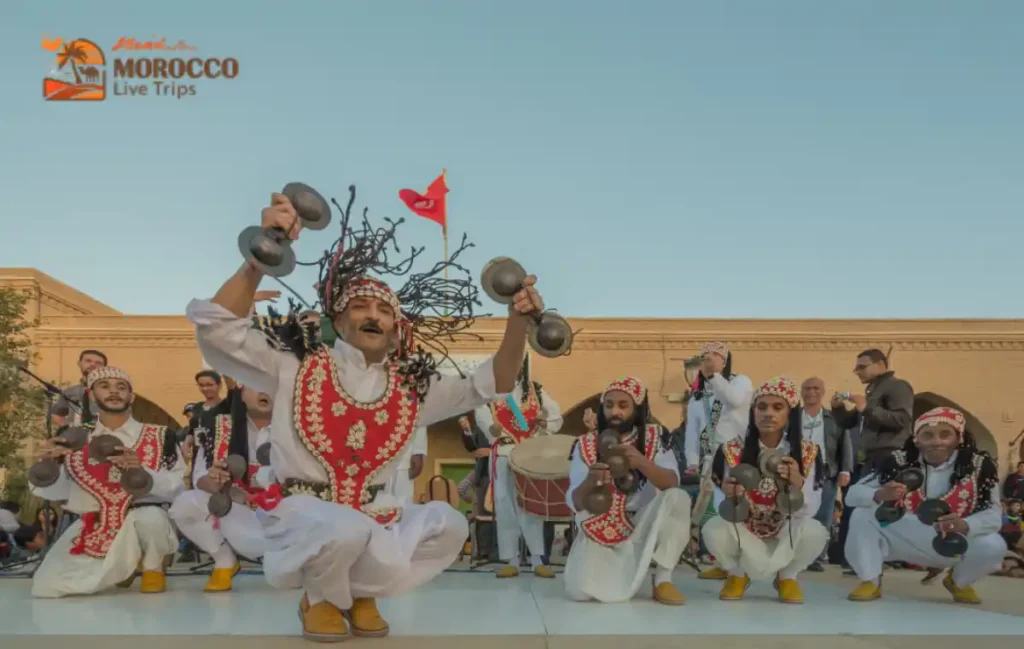
Step into a world where stories are carved in ancient walls, flavors tell tales of empires, and every handshake carries a piece of heritage. Morocco Culture & History Holidays by Morocco Live Trips invite you to travel beyond sightseeing, to live, taste, and feel the soul of Morocco. From the maze-like medinas of Fes to the golden sands of the Sahara, each moment reveals the country’s fascinating blend of Berber, Arab, and Andalusian influences. Whether you’re wandering through imperial cities or sipping mint tea with locals in a mountain village, you’ll uncover centuries of culture shaped by hospitality, art, and adventure. Join us for a journey where history breathes through every sunrise, and every traveler becomes part of Morocco’s living story. Why Choose Morocco for a Culture & History Holiday? Morocco isn’t just a destination, it’s a cultural masterpiece painted over 12 centuries of history. Few countries offer such a powerful mix of ancient heritage, natural beauty, and living traditions. It’s where you can explore medieval medinas by day and dine under Saharan stars by night. Every region tells a different chapter: the Berber villages of the Atlas Mountains, the imperial splendor of Marrakech and Fes, and the desert fortresses of southern Morocco. Together, they form one unforgettable cultural mosaic. A Crossroads of Civilisations – Arab, Berber & Mediterranean Influences Morocco’s culture is a fusion born from centuries of connection. Berber roots run deep, seen in mountain villages and vibrant textiles, while Arab and Andalusian influences shape its architecture, language, and music.Walk through a Moroccan souk, and you’ll hear Arabic, Amazigh, French, and English blending into a rhythm as colorful as the spices on display. This diversity is Morocco’s true strength, a living example of coexistence, tolerance, and creativity. It’s what turns a simple stroll through the medina into a journey through time. Landscapes that Tell a Story – From Atlantic to Sahara Morocco’s landscapes are like pages in a history book. The coastal cities echo with tales of Phoenician traders. The Atlas Mountains preserve ancient Berber customs. And deep in the Sahara Desert, nomadic tribes still follow the rhythm of the dunes. Each environment holds stories of survival, migration, and cultural exchange, making Morocco a living museum under the open sky.A culture and history holiday here means more than sightseeing; it’s walking through centuries of human resilience and beauty. Living Traditions – Crafts, Cuisine & Ceremonies Morocco’s culture thrives not only in museums but in daily life. In the backstreets of Fes, artisans hammer brass, dye leather, and handcraft zellige tiles, using techniques passed down for generations. In Marrakech, food stalls sizzle with tagines, saffron, and fresh mint tea, turning mealtime into theatre. From weddings to souks, every celebration glows with music, rhythm, and warmth. Experiencing these living traditions firsthand transforms your trip into a story you’ll never forget. Discover Morocco’s Rich Historical Heritage Morocco’s story stretches back thousands of years, from prehistoric cave art to imperial dynasties that built world-famous cities. Every cobblestone, mosque, and kasbah carries echoes of empires, scholars, and artisans who shaped this vibrant land. A Morocco culture and history holiday takes you through time, across UNESCO World Heritage sites, ancient trade routes, and royal palaces that once hosted poets, warriors, and explorers. Whether you’re a history lover or a curious traveler, each stop brings you closer to understanding Morocco’s identity, one rooted in pride, resilience, and beauty. The Imperial Cities – Living Time Capsules The four imperial cities — Marrakech, Fes, Meknes, and Rabat, represent Morocco’s golden eras. Visiting these cities is like walking through a living museum where history, art, and daily life intertwine seamlessly. The Ancient Kasbahs and Caravan Routes In the south, ancient fortresses known as kasbahs rise from the desert like guardians of time. The most famous, Ait Ben Haddou, is a UNESCO site and filming location for Gladiator and Game of Thrones. Built from mudbrick and sun, these fortresses once sheltered traders carrying gold, salt, and silk across the Sahara. Following the old caravan routes from Marrakech to Ouarzazate and beyond gives travelers a tangible sense of Morocco’s place in global trade and culture.Every arch and gate whispers of caravans, merchants, and explorers who once crossed continents guided by starlight. Sacred Spaces and Timeless Architecture Faith and artistry have long shaped Moroccan architecture. The ornate mosques of Fes and Marrakech, the Almohad minarets, and the blue-tiled madrasas are masterpieces of craftsmanship. The Koutoubia Mosque, Bou Inania Madrasa, and Hassan Tower showcase geometric precision and spiritual symbolism that define Moroccan design. Exploring these sacred spaces isn’t just about history, it’s about feeling the spiritual heartbeat of a nation that balances devotion with creativity. Cultural Experiences You Shouldn’t Miss in Morocco A journey through Morocco isn’t just sightseeing, it’s a sensory experience. From the rhythmic beat of Berber drums in the desert to the aroma of saffron and mint tea, Moroccan culture draws you in through sound, color, and flavor. These cultural experiences transform your trip into a living story, one that stays with you long after you return home. Moroccan Festivals and Celebrations Throughout the year, Morocco bursts into celebration with vibrant festivals that honor its heritage, religion, and arts. Experiencing these festivals allows travelers to witness Morocco’s deep sense of community, spirituality, and joy. Moroccan Cuisine – A Feast for the Senses Moroccan food is a journey in itself, a flavorful blend of Berber, Arab, Andalusian, and French influences. Traditional Music, Dance & Art Morocco’s soundscape ranges from desert Gnawa rhythms to Andalusian melodies echoing through old medinas. Art, too, tells Morocco’s story, from colorful zellige mosaics to handwoven Berber carpets, every piece expresses identity and heritage. Moroccan Handicrafts & Souks Every souk in Morocco is a kaleidoscope of craftsmanship, brass lamps, handwoven rugs, leather bags, and painted ceramics. Visiting these markets isn’t just shopping, it’s supporting local artisans who preserve Morocco’s cultural soul. Morocco’s Living Traditions and Local Life Morocco’s culture is not confined to museums or festivals, it’s alive in the rhythm of daily life. The
Atlas Mountains and Desert Tours
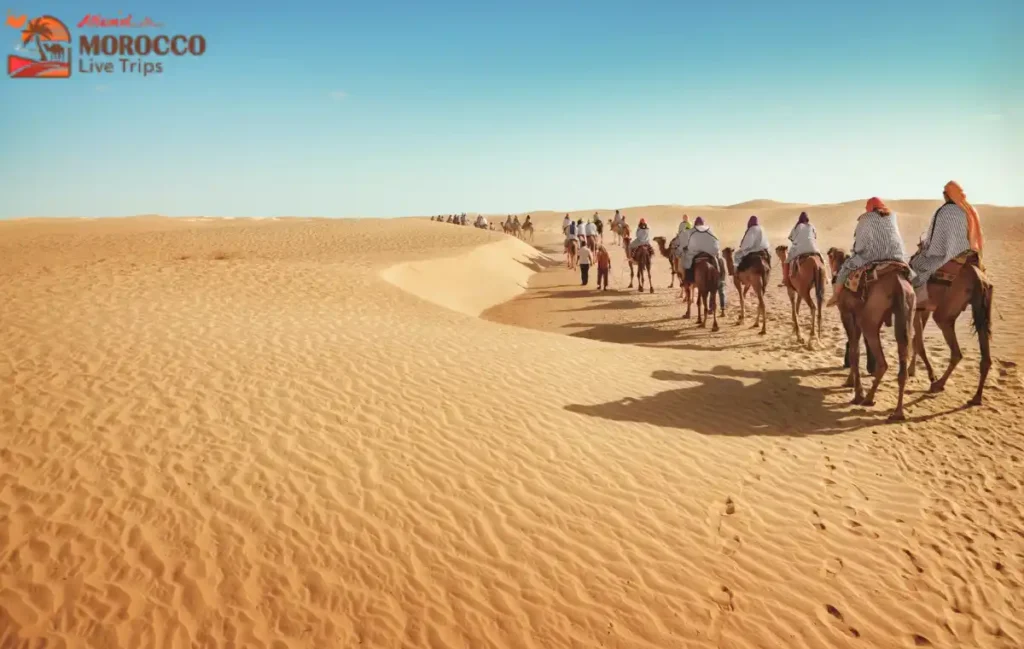
Atlas Mountains and Desert Tours – Experience Morocco’s Wild Beauty from Peaks to Dunes If you want to experience the real Morocco, our Atlas Mountains and Desert Tours bring together the best of both worlds snow-dusted mountain peaks and golden Sahara dunes. On this unforgettable journey, you’ll explore ancient Berber villages, cross scenic mountain passes, and sleep under a covering of desert stars. Whether you’re longing venture, culture, or easing, this tour gives you a complete Moroccan experience all in one memorable tour. From Marrakech to the Atlas Mountains Your venture starts in Marrakech, where modern energy meets antique custom. Leaving the city’s busy markets and palaces behind, the road winds upward toward the royal Atlas Mountains. The drive through the Tizi n’Tichka Pass one of North Africa’s most remarkable routes deals histrionic sights of valleys, red-earth villages, and snow-topped peaks. Stop along the way to meet locals, sip Moroccan mint tea, and photograph the fabulous lands. These instants set the tone for what’s ahead venture filled with color, ethos, and connection. Life Among the Berber Villages The High Atlas Mountains are home to Morocco’s oldest native people the Berbers (Imazighen). During your trip, you’ll visit their hillside villages, where life remains simple and civilizations run deep. Walk through terraced farmlands, watch women baking bread in clay ovens, and relish a freshly cooked tagine in a family home. Every encounter discloses Morocco’s generous soul and timeless way of life. If you’re looking for a little venture, short journeys or mule rides through the Imlil Valley or Ourika Valley deal wonderful sights and passive mountain air. Crossing to the Sahara Desert As you descend from the mountains, the scenery changes intensely. The air grows warmer, the lands wider, and palm groves start to seem. You’ll pass through Ouarzazate, known as the “Gateway to the Sahara,” and stop to discover Aït Ben Haddou, a UNESCO-listed mudbrick fortress famous for films like Gladiator and Game of Thrones. From there, you’ll continue to Dades Valley and Todra Gorge, where towering red cliffs rise above lush riverbeds. Then, the real magic starts incoming the Sahara Desert. A Night Under the Sahara Sky Whether your destination is the Agafay Desert near Marrakech or the far-stretching dunes of Merzouga, this is the highlight of the tour. Ride a camel as the sun dips below the horizon, turning the sand gold and orange. At night, relish outdated Berber music around a campfire and dine under millions of stars. Select between a luxury glamping camp with private tents and hot showers or a simple desert campsite for a really reliable experience. The silence of the Sahara is something few ever forget. Tour Highlights Best Time to Visit the Atlas Mountains and Desert The best seasons for Atlas Mountains and Desert Tours are spring (March–May) and autumn (September–November).During these months, daytime temperatures are mild, trails are clear, and desert nights are securely cool. Customizable Morocco Tour Options Every tourist is different, and so is every trip. That’s why our tours can be personalized to your interests: You can also add stops like Skoura Oasis, Zagora Desert, or Ouarzazate Film Studios for a richer experience. Frequently Asked Questions (FAQ) 1. How far is the Sahara Desert from Marrakech? The Sahara Desert (Merzouga) is about 560 km (8–9 hours) from Marrakech by road. Most tours break the trip into two days with overnight stops in the Atlas or Dades Valley. 2. Can I do a day trip from Marrakech to the desert? Yes, if you’re short on time, the Agafay Desert (only 40–50 minutes from Marrakech) deals a similar desert feel with camel rides, quad biking, and dinner under the stars. 3. What should I pack for the Atlas Mountains and Desert Tour? Bring relaxed shoes, light layers, a jacket for cool nights, a hat, sunscreen, and a reusable water bottle. If staying overnight in the desert, don’t forget your camera the night sky is wonderful! 4. Are Atlas Mountains and Desert Tours suitable for families? Absolutely! Many families love these trips. Camel rides, short hikes, and cultural visits make it pleasant for all ages. Private vehicles guarantee flexibility and ease. 5. What makes your tour different from others? We focus on authentic local experiences, not just sightseeing. You’ll travel with knowledgeable Berber guides, visit hidden villages, and enjoy freshly prepared meals with locals — creating real memories, not just photos. Final Thoughts The Atlas Mountains and Desert Tours deal everything Morocco is famed for wonderful lands, rich traditions, and warm welcome. From the green valleys of the High Atlas to the golden dunes of the Sahara, every instant exposes a new layer of loveliness and wonder. This trip isn’t just a trip it’s a story of Morocco’s heart, written in mountains, sand, and stars. If you’re ready to experience Morocco beyond the usual tourist path, book your Atlas Mountains and Desert Tour today and let the venture start.
10 day tour from Casablanca to desert via Chefchaouen and Fes
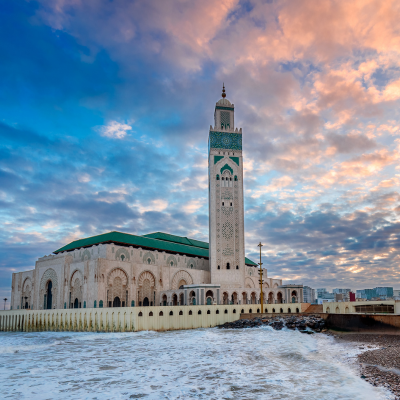
Morocco’s most rewarding 10-day route—a 10 day tour from Casablanca to desert via Chefchaouen and Fes—takes you from Atlantic shores through blue mountain villages, ancient medinas, and deep into Sahara territory before looping back through dramatic Atlas passes. Understanding This Cross-Country Morocco Circuit The journey spans roughly 2,400 kilometers connecting seven major destinations. You’ll spend about 40% of time exploring cities and sites, 30% experiencing desert and valleys, 20% traveling between locations, and 10% in mountain regions. Each segment brings completely different scenery, architecture, and local culture. Complete Day-by-Day Itinerary Breakdown Day 1: Landing in Casablanca and Coastal Orientation Hassan II Mosque dominates your first afternoon. Construction finished in 1993 after seven years of work. The prayer hall fits 25,000 people with another 80,000 on exterior grounds. Craftsmen used 53,000 square meters of wood, 67,000 square meters of marble, and hand-carved 10,000 square meters of zellige tilework. Your driver meets you at Mohamed V Airport with a name board, typically within 20 minutes of clearing customs. Day 2: Moving North Through Rabat to Chefchaouen Rabat stops include the Hassan Tower from 1195 (never completed), Mohammed V Mausoleum with royal guards in traditional dress, and the Kasbah fortifications overlooking the river mouth. The drive north takes 4 hours through farmland and small towns. Chefchaouen appears suddenly as the road climbs into Rif terrain. Founded by Moulay Ali Ben Moussa Ben Rached El Alami as a military fortress, the town now hosts around 200 guesthouses within half a square kilometer. Morocco Live Trips times arrival for late afternoon when shadows enhance the blue walls. Day 3: Free Exploration Day in Blue Pearl Territory Chefchaouen’s medina has no major monuments requiring guides or tickets. You navigate freely through residential areas where locals repaint walls annually in varying blue shades. Some use indigo, others add purple tones or turquoise. The practice started with Jewish refugees in the 1930s though several origin stories circulate. Spanish Mosque sits 30 minutes uphill on foot, abandoned since the 1920s but offering clear views across the valley. Day 4: Roman Ruins Stop and Imperial Meknes Before Fes Volubilis is 33 kilometers from Meknes off the main road. The site covers 42 hectares though only 40% has been excavated. You’ll see the Capitol, Basilica, Triumph Arch, and about 30 houses with intact floor mosaics. Orpheus charming animals, Dionysus discovering Ariadne, and acrobat performances appear in colored stone patterns. Meknes became capital under Sultan Moulay Ismail who ruled for 55 years. Bab Mansour gate took 12 years to build. Fes lie 60 kilometers east through rolling hills. Evening arrival leaves you rested for the medina intensity next day. Day 5: Navigating Fes El Bali’s Medieval Maze Fes el-Bali contains 9,400 lanes across 300 hectares making it Africa’s largest car-free urban area. Your guide meets at Bab Boujloud (Blue Gate) built in 1913 though looking medieval. Al-Qarawiyyin Mosque dates to 857 AD, expanded multiple times, now covering 2,700 square meters. The university section opened 859 AD, making it the world’s oldest continuously operating educational institution per UNESCO. Chouara Tannery uses three stone pools for different processing stages. Workers stand in pigeon dung, cow urine, and plant extracts to soften and dye leather. Artisan quarters separate by trade—blacksmiths in one zone, carpenters another, dyers elsewhere. Day 6: Atlas Mountains Crossing to Desert Gateway Ifrane appears after 60 kilometers of climbing. Built in 1929 by French colonial planners, it copies Swiss alpine towns with peaked roofs and stone facades. Azrou means “rock” in Amazigh referring to an outcrop in town center. Cedar forests begin 17 kilometers south where 300-year-old trees reach 40 meters. Barbary macaques approach vehicles expecting food. The road drops through Midelt at 1,500 meters, crosses Tizi n’Talremt pass at 1,907 meters, then descends into Ziz Valley where thousands of date palms line irrigation channels. Your route follows the river through gorges before reaching flat pre-Sahara terrain. Day 7: Sahara Desert Immersion and Overnight Camp Erg Chebbi stretches 28 kilometers north to south, 5-7 kilometers wide. Dunes reach 150 meters high. Morning options include driving to Khamlia village where Gnawa musicians descend from sub-Saharan slaves brought north centuries ago. Erfoud lies 50 kilometers north, known for fossil workshops cutting and polishing 300-million-year-old trilobites and ammonites. Afternoon camel caravans depart around 4 PM depending on sunset timing. You reach camps in 60-90 minutes positioned between dune ridges. Dinner includes soup, salad, tagine, fruit, and mint tea. Day 8: Todra Gorge Cliffs and Dades Valley Kasbahs Todra Gorge cuts through limestone creating 300-meter walls only 10 meters apart at the narrowest point. Rock climbers use over 400 bolted routes on the north face. Tinghir town marks the gorge entrance where palm groves fill the valley floor. Dades Valley extends 100 kilometers with earthen kasbahs at intervals along the river. Most dates from 1800s-1900s, built by wealthy families controlling water rights and trade routes. The valley shows Morocco’s dramatic geology—red sandstone, grey limestone, green vegetation contrasts. Day 9: Ait Benhaddou Film Location and High Atlas Crossing Ait Benhaddou represents Morocco’s most photographed site. The ksar contains 6 kasbahs and roughly 50 smaller buildings enclosed by defensive walls. UNESCO listed it in 1987. Lawrence of Arabia filmed here in 1962, followed by dozens of productions including Kingdom of Heaven, Prince of Persia, Gladiator, and Game of Thrones. Tizi n’Tichka Pass crosses High Atlas at 2,260 meters. The road has 35 hairpin turns with roadside vendors selling minerals, fossils, and nuts. Day 10: Marrakech Medina Tour and Departure Logistics Jemaa el-Fnaa square dates to the 11th century, originally used for public executions (the name means “assembly of the dead”). Now it hosts snake charmers, henna artists, orange juice sellers, and evening food stalls. Koutoubia Mosque from 1158 has a 77-meter minaret visible across the city. Bahia Palace belonged to Grand Vizier Si Moussa in the 1860s with 150 rooms and multiple courtyards. Souks divide by product type—spices in one section, leather in another, metalwork elsewhere, textiles in their own quarter. What Vehicle Types Handle This Route