Understanding Moroccan People Before You Visit Morocco
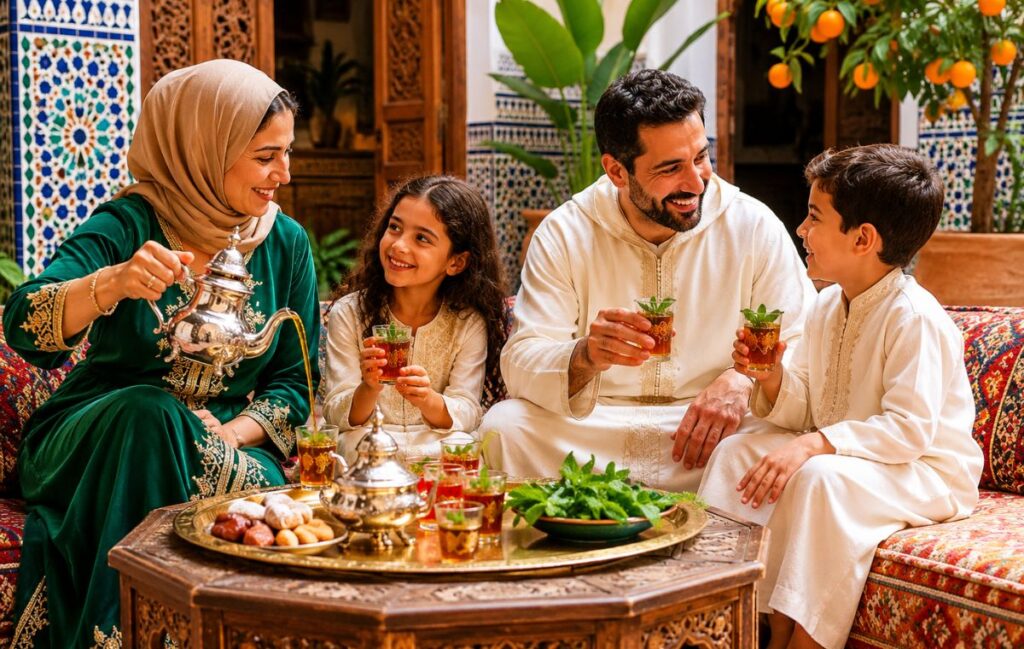
If you’re planning a trip to Morocco, understanding the people is just as important as knowing which cities to visit or what food to eat. The landscape is spectacular – but it’s the people who make Morocco unforgettable. Morocco is a country of extraordinary depth, shaped by Amazigh roots, Arab heritage, Andalusian influence, sub-Saharan trade, and a Mediterranean coastal openness that has drawn travelers for centuries. The people carry all of that history in how they greet you, feed you, and welcome you into their world. This is not a list of stereotypes or a surface-level cultural checklist. It’s an honest, thoughtful look at Moroccan values, social customs, daily life, and character by Morocco Live Trips – written to help you connect more meaningfully with the people you’ll meet along the way. Who Are Moroccan People? A Brief Cultural Background Morocco sits at the crossroads of Africa, the Arab world, and Mediterranean Europe – and that geography has shaped everything about its people. The majority of Moroccans are of Amazigh (Berber) descent, even among those who identify primarily as Arab today. The Amazigh are the indigenous population of North Africa, with a documented history stretching back more than five thousand years. Arabic and Amazigh (Tamazight) are both official languages. French is widely spoken in business, education, and signage. Spanish remains common in the northern regions near Tetouan and Nador. Many Moroccans – especially in cities and tourist areas – move between three or four languages comfortably. That’s not a coincidence; it reflects a culture built on trade, movement, and openness to outsiders. Islam is central to daily Moroccan life. It’s not simply a religious identity – it shapes time, greetings, meals, architecture, family structure, and social values. You cannot understand Moroccan people without understanding that. Core Values That Shape Moroccan Society Hospitality Is Genuine, Not Performative Moroccan hospitality – known in Arabic as diyafa – is one of the defining pillars of the culture. When a Moroccan invites you into their home for tea or a meal, that invitation is sincere. Declining without a good reason can feel dismissive, even rude. The tradition of offering mint tea to guests is almost sacred. You’ll encounter it everywhere – in homes, carpet workshops, rural guesthouses, and family riads. Accepting tea is a gesture of openness and respect. Refusing politely is always understood, but accepting it is always the warmer choice. It’s fair to note that in heavily touristed areas, some commercial interactions borrow the language of hospitality. A little discernment helps. But the genuine warmth you’ll find in smaller towns, private homes, and off-the-beaten-path communities is entirely real – and it will stay with you long after you leave. Family Is the Center of Everything Moroccan society is family-first in a way that many Western visitors find striking. Multi-generational households are common. Major life decisions – where to live, who to marry, what career to pursue – regularly involve extended family input, and this isn’t resented; it’s expected. Elders are treated with visible, active respect. You’ll see it in how people speak to older relatives, how they’re seated first at meals, and how their opinions shape family decisions. This reflects a genuine social value around continuity, duty, and gratitude – not just inherited convention. If you’re invited to meet someone’s family during your time in Morocco, treat it as the honor it almost certainly is. Community Over Individual Expression Moroccan culture is collective rather than individualistic. The neighborhood (hay), the quarter, the family unit – these are the primary social anchors. People look out for each other in ways that can feel both warmly enveloping and a little overwhelming to solo travelers accustomed to privacy. Don’t be surprised if strangers ask where you’re from, whether you’re married, or how old you are within minutes of meeting you. In Moroccan social culture, these aren’t intrusive questions. They’re connection-building – a way of establishing who you are and where you fit in the shared world. What Moroccan People Are Like in Daily Life One of the most useful things to know before visiting Morocco is what ordinary daily life actually looks like – not the version curated for tourists, but the rhythm that runs beneath it. Mornings in most Moroccan cities begin early. The fajr call to prayer sounds before sunrise, and many neighborhoods wake up with it. Small bread bakeries (ferran) open early, and it’s common to see people collecting fresh khobz on their way somewhere before 7am. Corner cafes fill with men sharing coffee and msemen (flaky Moroccan flatbread) while watching the street come alive. Afternoons slow down. Lunch is often the main meal of the day – a proper, cooked meal eaten at home when possible, usually shared. The siesta culture isn’t universal, but a quieter pace after midday is real, especially in summer. Evenings are social. Families gather. In summer and during Ramadan, medina alleyways come alive at night with food vendors, conversation, and music. The souk economy runs on its own clock – afternoons and evenings are when business is most active. This rhythm matters for travelers. Morocco doesn’t operate on the same schedule as Europe. Things move differently here – sometimes slower, sometimes in ways that feel chaotic, but always with their own internal logic. Religion and Daily Life Morocco is a predominantly Sunni Muslim country, and Islam is woven into the rhythm of everyday life in ways that can’t be separated from the culture itself. The call to prayer (adhan) sounds five times a day from mosques across the country. During Ramadan – the holy month of fasting – daily life shifts significantly. Restaurants may be closed during daylight hours. Business pace changes. And at iftar (the sunset breaking of the fast), the streets transform into something communal and warm – families and neighbors eating together, vendors setting out dates and harira soup, and a collective exhale of relief and gratitude that is genuinely moving to witness. A few things worth knowing as a visitor: Dress