Can You Use US Dollars in Morocco Tours? The Honest 2026 Guide
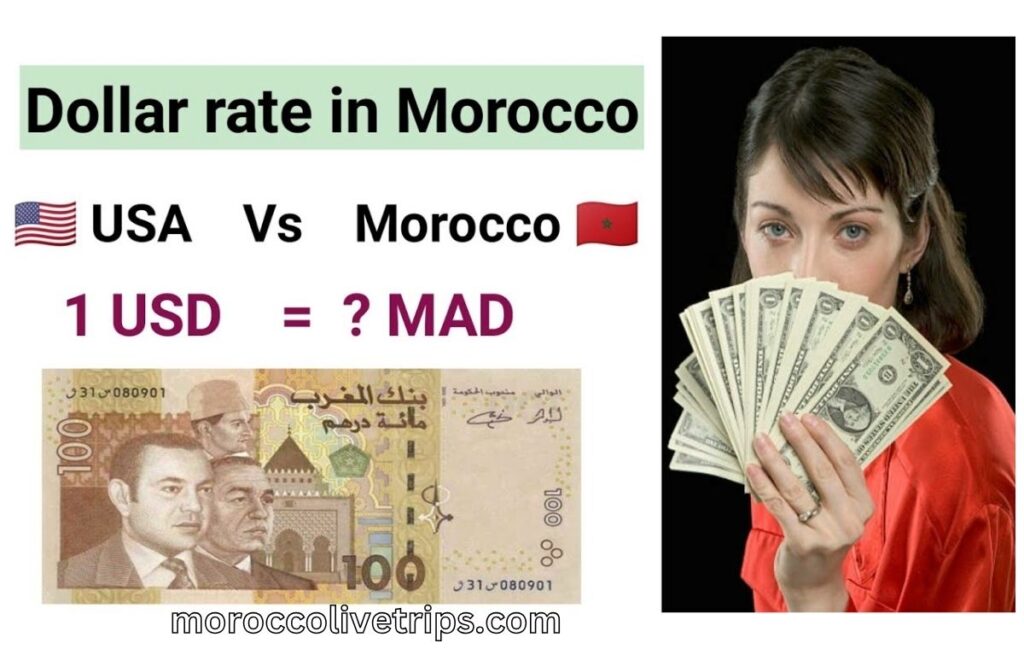
Can you use US dollars in Morocco tours? Yes -but only in specific situations, and always at a worse rate than paying in Moroccan Dirhams (MAD). Most licensed tour operators accept USD for booking and deposits. On the ground -local restaurants, taxis, and souks want MAD only. Knowing when to use dollars and when to use dirhams saves American travelers real money every single day. At Morocco Live Trips, we work with hundreds of American travelers every year. This is exactly what you need to know. Can You Use USD in Morocco Tours? Yes, you can use USD for Morocco tours, but it depends on the tour company and location. Most tour operators, hotels, and desert camps accept US dollars for advance bookings, while local shops, restaurants, and small vendors usually prefer Moroccan Dirhams (MAD). What Morocco Tour Operators Actually Accept? Most licensed Morocco tour operators -including Morocco Live Trips -quote prices in USD for American travelers and accept USD for online bookings, deposits, and full prepayments. Once you are on the ground in Morocco, your transport, accommodation, and guide are already covered. The remaining cash you need daily -lunches, tips, shopping, and taxis -all requires Moroccan Dirhams. USD vs MAD -Which Saves You More Money MAD always saves you more money. When vendors in Marrakech souks or Fes medina accept USD, they set their own exchange rate -and it is never in your favor. Paying 100 MAD for a tagine costs you roughly $9. Paying $10 in USD for the same tagine means the vendor pockets the difference. Convert to MAD first and you keep that difference every single time. Morocco’s Official Currency -What Every American Needs to Know? Understanding the Moroccan Dirham before you arrive removes most money confusion during your tour. The Moroccan Dirham (MAD) Explained The Moroccan Dirham (MAD) is Morocco’s only official currency -issued by Bank Al-Maghrib and used for every transaction across the country. Banknotes come in 20, 50, 100, and 200 MAD denominations. Coins run from 1 to 10 MAD. The simple mental math rule -divide any MAD price by 10 to get the rough USD equivalent -works reliably for everyday purchases throughout your Morocco tour. Current USD to MAD Exchange Rate 2026 1 USD equals approximately 10.8 to 11.2 MAD in 2026. This means $100 gives you roughly 1,080 to 1,120 MAD -a comfortable daily budget for food, transport, tips, and light shopping on a mid-range Morocco tour. Rates fluctuate slightly so always check before you travel. The “divide by 10” mental math rule keeps you close enough for everyday transactions without pulling out your phone constantly. Why the Dirham Is a Closed Currency -What This Means for You? The Moroccan Dirham is a closed currency -meaning you cannot buy or sell it outside Morocco. You cannot get MAD from your US bank before departure. You exchange USD for MAD after arriving in Morocco at banks, ATMs, or licensed bureau de change offices. Keep your exchange receipts -you need them to convert leftover MAD back to USD before leaving Morocco. Where You CAN Use US Dollars in Morocco? USD works in more places than most travelers expect -but rarely at a good rate. Morocco Tour Operators -USD Accepted or Not? Licensed tour operators accept USD for bookings, deposits, and full tour payments -particularly for American travelers booking from the US. Morocco Live Trips quotes all tour prices in USD on our website and accepts USD payments internationally. Once your tour is booked and paid, the majority of your on-the-ground expenses are already covered. Luxury Hotels and Riads High-end riads and international hotels in Marrakech, Fes, and Casablanca often accept USD alongside euros and British pounds. They apply their own exchange rate -usually 5 to 10% worse than the official bank rate. If you are paying a significant hotel bill in USD, the difference adds up. Paying in MAD or by card in MAD always gives better value. Major Tourist Areas and Souvenir Shops Some souvenir shops and tourist-facing businesses in Djemaa el-Fna square and the Marrakech medina accept USD. They quote prices in a way that makes USD payment sound convenient -but the implied exchange rate always benefits the vendor. Accept the convenience if the amount is small. For larger purchases, pay in MAD. Airports and Exchange Counters Casablanca Mohammed V Airport and Marrakech Menara Airport have official USD exchange counters before and after customs. You can exchange USD for MAD immediately on arrival. Airport rates are slightly worse than city bureau de change rates -but perfectly acceptable for getting your initial MAD for the first day of your tour. Where You CANNOT Use US Dollars in Morocco? Most of daily Moroccan life runs entirely on MAD. Keep this list in mind before your tour. Local Restaurants and Street Food Local Moroccan restaurants, street food stalls, and market food vendors accept MAD only -no exceptions. The harira soup at 8 MAD, the sardine sandwich at 12 MAD, the fresh orange juice at 5 MAD -these vendors have never handled USD and have no interest in doing so. Always carry MAD for food throughout your Morocco tour. Souks and Medina Markets The souks of Marrakech, Fes, and Chefchaouen operate entirely in MAD. Bargaining in souks requires MAD -quoting a USD price in a souk marks you immediately as an inexperienced tourist and undermines your negotiating position completely. Convert to MAD before entering any medina market for shopping. Taxis and Local Transport Petit taxis in Marrakech, Fes, and Casablanca accept MAD only. The meter runs in MAD. Grand taxis between cities charge MAD per seat. CTM and Supratours buses require MAD tickets. If your tour package includes all transport -which every Morocco Live Trips tour does -you do not need USD or MAD for transport during your tour days. Small Guesthouses and Rural Areas Budget guesthouses, rural auberges, and any accommodation outside major cities operates on MAD only. Credit cards and USD are completely unknown in Atlas Mountain villages and small desert towns