Planning a trip to Morocco and wondering when is the best time to visit? You’re asking exactly the right question – and the honest answer will make your entire Morocco experience so much better. Morocco is a year round destination with dramatically different landscapes, climates, and experiences depending entirely on when you visit. The golden Sahara Desert, ancient imperial cities, Atlantic coastline, and snow capped Atlas Mountains each have their own perfect season – and knowing which one matches your travel style makes all the difference. At Morocco Live Trips, we help travelers plan perfect Morocco trips every single month of the year. This complete 2025/2026 month by month guide tells you everything – let’s dive in!
What Is the Best Time to Visit Morocco?
The best time to visit Morocco is spring (March to May) and autumn (September to November) – when temperatures are warm and comfortable, landscapes are at their most beautiful, and every destination from Marrakech to the Sahara is perfectly enjoyable. These shoulder seasons offer the ideal combination of pleasant weather, fewer crowds, and competitive travel prices that make every Morocco experience deeply memorable. That said – Morocco genuinely rewards visitors in every season, and the right time depends entirely on where you’re going and what you want to experience.
Quick Answer Summary
| Season | Months | Best For |
| Spring | March to May | Overall best – perfect weather everywhere |
| Summer | June to August | Atlantic coast, Chefchaouen, Atlas Mountains |
| Autumn | September to November | Sahara Desert, imperial cities, photography |
| Winter | December to February | Budget travel, Marrakech, mild coastal areas |
Understanding Morocco’s Climate Zones
Morocco is not one climate – it’s four completely different climate zones existing side by side in a single extraordinary country:
The Atlantic Coast
The Atlantic coastline from Tangier to Agadir enjoys a mild Mediterranean climate year round – with cool ocean breezes keeping summer temperatures comfortable and winters genuinely warm and pleasant. Essaouira, Agadir, and the surf beaches of Taghazout benefit from this temperate coastal climate making them enjoyable destinations in virtually every single month of the year.
The Imperial Cities Inland
Marrakech, Fes, Meknes, and Rabat experience a semi-arid continental climate – with hot dry summers regularly exceeding 38°C to 42°C and mild comfortable winters averaging around 18°C to 22°C. Spring and autumn are the absolute sweet spot for visiting Morocco’s magnificent imperial cities – offering ideal sightseeing temperatures and the most vibrant and energetic city atmospheres.
The High Atlas & Rif Mountains
The High Atlas Mountains experience a genuine alpine climate – with heavy snowfall from December through March making mountain passes occasionally impassable and hiking trails genuinely challenging. Summer transforms the Atlas into a cool, green, and breathtakingly beautiful escape from the heat of the lowland cities – making June through September the perfect season for trekking, hiking, and Berber village exploration.
The Sahara Desert South
The Sahara Desert around Merzouga and Erg Chebbi experiences extreme temperature variations – with summer daytime temperatures regularly exceeding 45°C while winter nights can drop dramatically close to freezing point. The absolute best time for Sahara Desert tours, camel treks, and overnight desert camps is October through April – when temperatures are perfectly comfortable for extraordinary desert adventures.
Morocco by Season: What to Expect
Spring in Morocco (March, April, May)
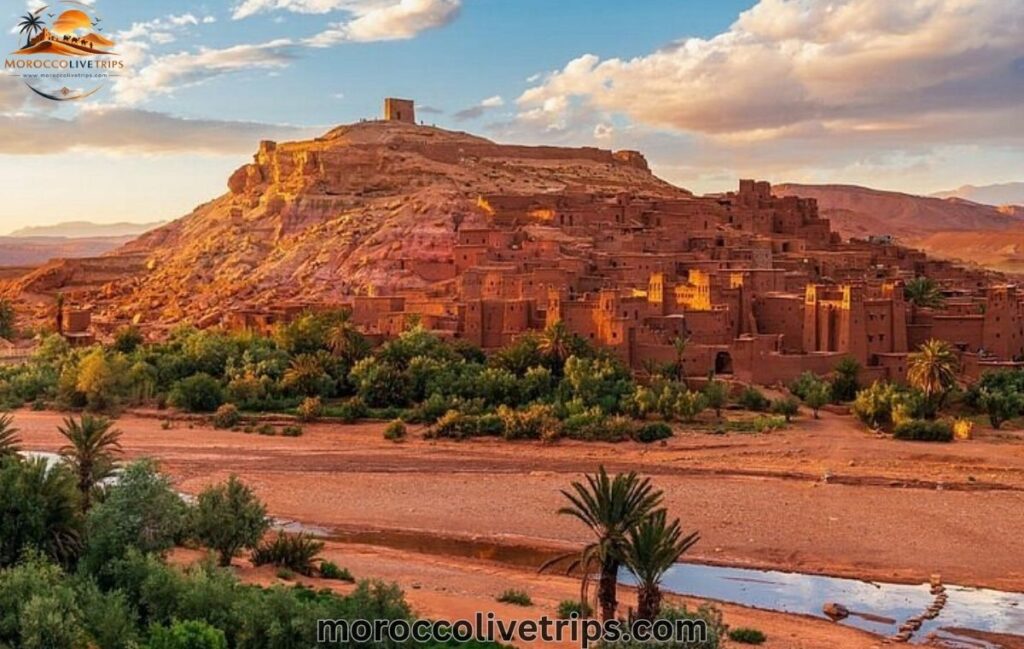
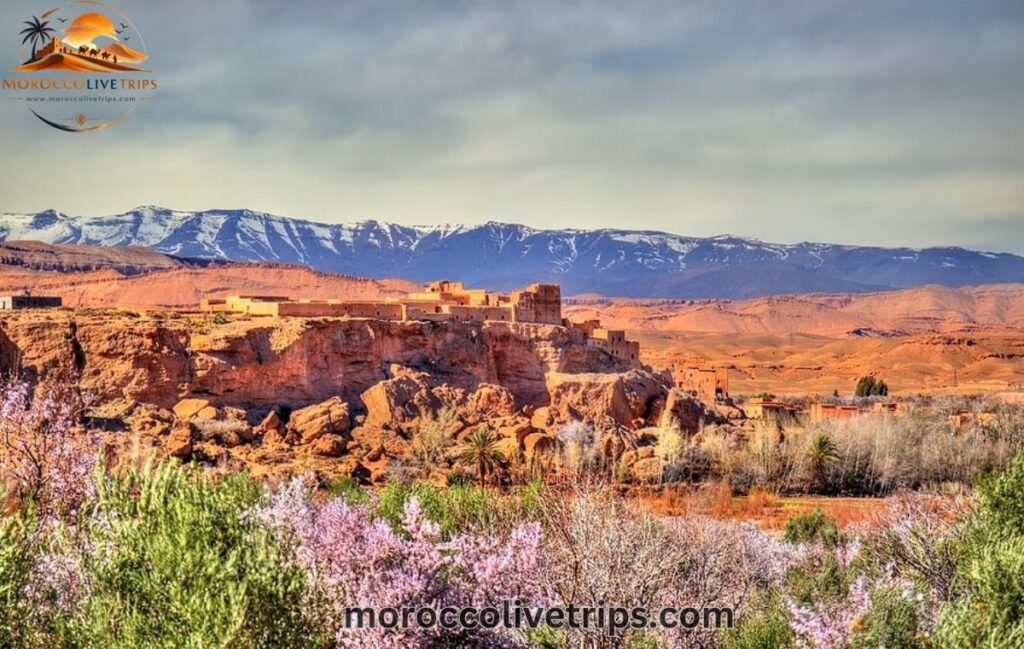
Spring is the single best season to visit Morocco – and experienced travelers consistently agree. Temperatures across the entire country are warm and genuinely comfortable – ranging from 20°C to 28°C in most destinations. The Sahara Desert is perfect, imperial cities are vibrant and enjoyable, Atlas wildflowers are in spectacular full bloom, and the entire country feels alive with energy and color. Rose festivals in the Dades Valley, cherry blossom in Sefrou, and the magnificent Merzouga Desert in comfortable spring temperatures make this Morocco’s most magical and rewarding season for visitors of every travel style and budget.
Summer in Morocco (June, July, August)
Summer in Morocco requires smart planning – inland cities like Marrakech and Fes become genuinely very hot with temperatures regularly exceeding 40°C during peak afternoon hours. However summer is absolutely perfect for Atlantic coastal destinations like Essaouira, Agadir, and the surf beaches where ocean breezes keep temperatures fresh and genuinely pleasant. The High Atlas Mountains and Rif Mountains are also outstanding summer destinations – offering cool, green, and refreshingly comfortable temperatures when lowland cities are at their most intense and challenging.
Autumn in Morocco (September, October, November)
Autumn is arguably Morocco’s most beautiful and photogenic season – particularly October and November when the intense summer heat finally breaks and the entire country transforms. Golden desert light, dramatic shadows on Sahara dunes, and warm comfortable temperatures create extraordinary conditions for photography, sightseeing, and desert adventures. The date harvest in the Draa Valley, autumn colors in the Atlas Mountains, and perfect Sahara Desert temperatures make October specifically one of the very best single months to visit Morocco throughout the entire year.
Winter in Morocco (December, January, February)
Winter in Morocco is significantly warmer and more pleasant than most visitors expect – and offers some genuinely outstanding travel advantages. Marrakech averages 18°C in December – perfectly comfortable for medina exploration, day trips, and cultural experiences. The Sahara Desert is cool but absolutely magical in winter – with crisp clear air, perfect stargazing conditions, and dramatic desert landscapes that create truly unforgettable overnight camp experiences. Budget travelers will find Morocco’s most competitive prices and smallest tourist crowds during the winter months – making December through February an outstanding choice for value conscious visitors.
Best Time to Visit Morocco by Activity
Best Time for Sahara Desert Tours
October to April is the absolute best time for Sahara Desert tours in Morocco. Temperatures during these months are perfectly comfortable – warm and enjoyable during the day with cool and refreshing evenings ideal for camel trekking, sandboarding, and overnight Berber camp experiences. Avoid July and August for desert tours – midday temperatures regularly exceeding 45°C make afternoon activities genuinely dangerous and uncomfortable.
Best Time to Visit Marrakech
March to May and September to November are perfect for Marrakech – with comfortable temperatures ideal for exploring the Djemaa el-Fna square, historic medina souks, Majorelle Garden, and surrounding day trip destinations. Winter is also surprisingly pleasant in Marrakech – averaging 18°C to 22°C and offering the city’s most relaxed and crowd free atmosphere. Avoid June through August if possible – the heat is genuinely intense and can significantly impact your enjoyment of outdoor sightseeing.
Best Time to Hike the Atlas Mountains
April to June and September to November are the best months for Atlas Mountain hiking – when trails are clear, temperatures are ideal, and the mountain landscapes are at their most spectacular and rewarding. Jebel Toubkal, North Africa’s highest peak at 4,167 meters, is best climbed between May and September when snow conditions are most manageable and summit views are at their clearest and most breathtaking.
Best Time for Surfing in Morocco
October to April is Morocco’s best surf season – with powerful Atlantic swells delivering excellent waves at Taghazout, Anchor Point, Imsouane, and Safi. Morocco has rapidly become one of the world’s most popular surf destinations – attracting intermediate and advanced surfers from across Europe and beyond with consistent quality waves and genuinely affordable surf camps and accommodation throughout the Atlantic coast.
Best Time for a Morocco Honeymoon
April, May, October, and November are the most romantic and perfect months for a Morocco honeymoon – combining ideal temperatures, beautiful golden light, lush landscapes, and the full magic of Morocco without summer heat or winter cold. Imagine private sunset camel rides across Erg Chebbi, candlelit dinners in luxury Marrakech riads, and intimate Sahara Desert stargazing experiences in perfectly comfortable autumn and spring temperatures that make every romantic moment feel completely extraordinary.
Best Time for Photography in Morocco
October to April offers Morocco’s most extraordinary photography conditions – with the golden desert light of autumn, dramatic winter storms over the Atlas Mountains, and spectacular spring wildflowers creating constantly stunning and deeply memorable photographic opportunities. The Sahara Desert at sunrise and sunset during October and November delivers some of the most breathtaking and Instagram worthy landscape photography available anywhere on earth.
Best Time for Budget Travelers
December to February and June to August offer Morocco’s most competitive prices – with lower accommodation rates, discounted tour packages, and smaller tourist crowds making these months outstanding value for budget conscious travelers. Winter specifically offers exceptional value in Marrakech and the imperial cities – where comfortable temperatures and minimal crowds create a genuinely relaxed and deeply authentic Morocco experience at the most affordable prices of the entire year.
Best Time to Visit Morocco by Traveler Type
| Traveler Type | Best Months | Why |
| First Time Visitors | March to May | Perfect weather everywhere simultaneously |
| Adventure Travelers | October to April | Sahara tours, hiking, sandboarding ideal |
| Honeymooners & Couples | April, May, October, November | Romantic light, perfect temperatures |
| Families with Children | March, April, October, November | Comfortable for all ages everywhere |
| Solo Female Travelers | April, May, September, October | Ideal conditions, manageable crowds |
| Budget Travelers | December to February | Lowest prices, smallest crowds |
| Surfers | October to April | Best Atlantic swells consistently |
| Photographers | October and November | Golden light, dramatic landscapes |
| Hikers & Trekkers | April to June, September to November | Clear trails, ideal temperatures |
| Culture & Food Lovers | March, April, May | Festivals, harvests, full cultural calendar |
Traveling to Morocco During Ramadan
Ramadan is one of Morocco’s most fascinating and culturally rich times to visit – but it does require specific awareness and respectful preparation. During Ramadan – which moves approximately 11 days earlier each year – many restaurants operate reduced hours, some tourist attractions adjust their schedules, and the entire country takes on a uniquely spiritual and deeply communal atmosphere. Evenings during Ramadan are extraordinary – the breaking of the fast (Iftar) fills every medina with incredible aromas, genuine community warmth, and a deeply moving cultural atmosphere that many travelers describe as the most memorable experience of their entire Morocco journey. Always be respectful of fasting locals, dress modestly, and avoid eating or drinking publicly during daylight hours out of genuine cultural respect.
5 Morocco Weather Myths – Busted
Myth 1 – “Morocco is hot all year round” False – Northern Morocco, the Atlas Mountains, and Sahara winter nights can be genuinely very cold. Always pack layers regardless of your travel month.
Myth 2 – “Summer is too hot to visit Morocco” False – The Atlantic coast, Chefchaouen, and Atlas Mountains are perfectly comfortable and genuinely beautiful summer destinations with pleasant temperatures throughout.
Myth 3 – “It never rains in Morocco” False – Northern Morocco and the Rif Mountains receive significant rainfall between November and March. Pack a lightweight waterproof layer for winter and spring travel.
Myth 4 – “The Sahara is always scorching hot” False – Winter nights in the Sahara can drop close to freezing. Always bring warm clothing for overnight desert camp experiences between November and February.
Myth 5 – “Ramadan ruins a Morocco trip” False – Ramadan evenings are among Morocco’s most magical and culturally extraordinary experiences. Many travelers specifically choose Ramadan for its unique and deeply moving atmosphere.
Morocco Month-by-Month Weather & Travel Guide
| Month | Temperature | Crowds | Overall Rating |
| January | 18°C | Low | Good for budget |
| February | 20°C | Low | Quiet and affordable |
| March | 22°C | Medium | Excellent |
| April | 25°C | Medium High | Perfect |
| May | 28°C | Medium High | Outstanding |
| June | 33°C | Medium | Coast and mountains only |
| July | 38°C | High | Avoid inland cities |
| August | 38°C | High | Coast and mountains only |
| September | 32°C | Medium | Very good |
| October | 26°C | Medium High | Outstanding |
| November | 22°C | Medium | Excellent |
| December | 18°C | Low | Great for budget |
Practical Planning Tips
- Book Sahara Desert tours early – October to April fills up very quickly with international demand
- Reserve riads in advance – spring and autumn peak season accommodation books out fast
- Check Ramadan dates before booking – plan accordingly for your specific travel style
- Pack layers always – Morocco’s temperature variation between day and night is dramatic
- Book atlas hiking guides early – peak season trekking guides are in very high demand
- Travel insurance is essential – covers weather disruptions, mountain emergencies, and medical needs
- Download offline maps – mobile signal can be unreliable in Atlas Mountain and desert regions
- Confirm tour inclusions – always verify exactly what is included before confirming any booking
Choose Your Perfect Morocco Tour
No matter when you visit Morocco – Morocco Live Trips has the perfect tour package ready and waiting for you. From spring desert adventures and autumn photography tours to winter budget friendly imperial city experiences and summer Atlantic coast escapes – our passionate local team designs every single itinerary around your specific travel dates, personal interests, and individual budget. Every tour includes expert local guides, handpicked accommodation, private transport, and zero hidden costs – giving you complete confidence and total peace of mind from the moment you book.
Frequently Asked Questions
What is the best month to visit Morocco?
October and April are consistently rated the single best individual months to visit Morocco – offering perfect temperatures across all destinations simultaneously, beautiful natural landscapes, competitive prices, and the full magic of Morocco without summer heat or winter cold.
Is Morocco good to visit in winter?
Yes – Morocco is excellent in winter particularly for Marrakech, the imperial cities, and Atlantic coastal destinations. Temperatures remain genuinely comfortable averaging 18°C to 22°C, tourist crowds are at their smallest, and prices are at their most competitive and affordable throughout the country.
Can you visit the Sahara in summer?
Summer Sahara visits are possible but require very careful planning – schedule all desert activities for very early morning before 9 AM or late afternoon after 5 PM when temperatures are significantly more manageable. Always carry extra water, wear maximum sun protection, and follow your experienced local guide’s specific safety recommendations throughout.
When is Morocco cheapest to visit?
December to February and June to August offer Morocco’s most competitive prices – with lower accommodation rates, discounted tour packages, and the smallest tourist crowds of the entire year making these months outstanding value for budget conscious travelers.
Is Morocco good in December?
Yes – December is a genuinely wonderful time to visit Morocco – particularly Marrakech, Fes, and the Sahara Desert. Comfortable temperatures, festive atmosphere, minimal crowds, and excellent prices make December one of Morocco’s most underrated and deeply rewarding travel months.
What should I pack for Morocco?
Always pack lightweight breathable clothing, a warm layer for evenings, modest clothing for medinas and religious sites, comfortable walking shoes, sunscreen SPF 50+, and a reusable water bottle – regardless of your specific travel month and destination throughout Morocco.
How many days do you need in Morocco?
7 to 10 days is the ideal minimum for a well rounded Morocco experience – covering Marrakech, a Sahara Desert tour, and at least one imperial city like Fes. A 14 day itinerary allows you to comfortably add Chefchaouen, Essaouira, the Atlas Mountains, and the stunning southern valleys for a genuinely complete and deeply satisfying Morocco experience.
Does Morocco have a rainy season?
Yes – Morocco does have a rainy season running roughly November through March – primarily affecting northern Morocco and coastal regions like Tangier, Rabat, and Casablanca. The Sahara Desert receives virtually no rainfall year round – making southern Morocco a reliable and enjoyable destination in every single month of the year.
Is Morocco crowded in peak season?
Yes – April to May and September to October are Morocco’s busiest tourist seasons. Book accommodation and Sahara Desert tours well in advance during these months – popular riads in Marrakech and Fes and overnight desert camp experiences fill up extremely quickly during peak season demand.
What festivals should I plan my Morocco trip around?
Morocco has an outstanding cultural festival calendar worth planning around:
Rose Festival – Dades Valley, May
Gnaoua World Music Festival – Essaouira, June
Fes Festival of Sacred Music – Fes, June
Date Festival – Erfoud, October
Marathon Des Sables – Sahara Desert, April
Are there desert dust storms in Morocco?
Yes – hot dry desert winds called “Chergui” blow in from the Sahara most frequently between February and April. They pass quickly – usually within hours – and rarely significantly disrupt well planned travel itineraries across Morocco.
Final Verdict: The Best Time to Visit Morocco
The best time to visit Morocco is April, May, October, and November – when every destination from the Sahara Desert to the Atlantic coast, imperial cities to Atlas Mountains is simultaneously at its most beautiful, comfortable, and deeply rewarding. But here’s the honest truth – Morocco is genuinely extraordinary in every single season and every single month brings its own unique magic, beauty, and unforgettable experiences. The best time to visit Morocco is simply whenever you can go – because every visit transforms travelers in ways they never expected and always treasure forever.