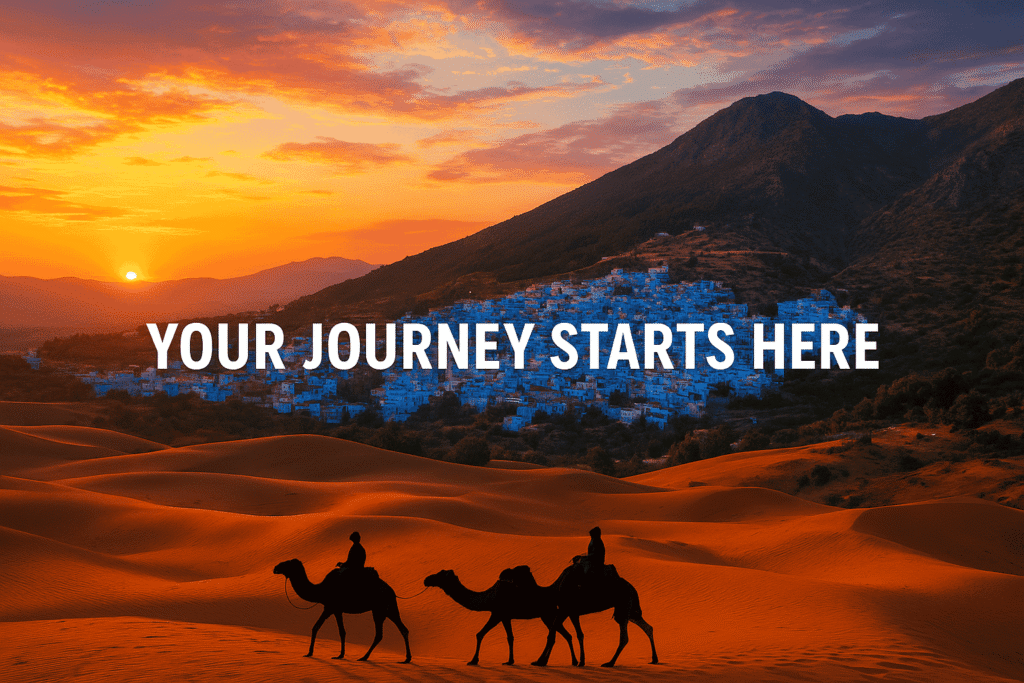
Morocco’s golden dunes meet imperial cities on this 3 day tour to Merzouga desert ending in fes. Landscapes that’ll stop your mid-conversation, actual Berber culture (not the watered-down tourist stuff), and camel treks across the Sahara in 2025.
Why Choose a 3 day tour to Merzouga desert ending in fes
Look, Fes to Merzouga isn’t your typical desert package deal. The route throws Middle Atlas Mountains at you—legit mountains, not some gentle hills for Instagram—then winds through cedar forests that’ve been standing longer than your countries probably existed, drops you through gorges that’ll make even experienced drivers grip the wheel, before finally reaching Erg Chebbi’s ridiculous dunes. Two days? That’s mostly driving with camping tossed in as an afterthought. Four days? Starts feeling long unless you genuinely love vehicle time. Three days nails that zone where desert stops being pretty background and becomes something you feel.
Day 1: Fes Departure Through the Middle Atlas to Merzouga
Departures usually roll out around 8 AM from Fes, sometimes earlier if your operators are ambitious. Middle Atlas climb happens quick—you’re in mountain territory before finishing your morning coffee. Ifrane shows up first, which is just weird. Alpine buildings that scream Switzerland, obsessively clean streets, absolutely nothing connecting it to anywhere else in Morocco. Then everything changes—Ziz Valley appears with these endless palm groves and kasbahs that look like they’re about to fall over but somehow don’t. Merzouga shows up late in the afternoon right when the desert’s doing its golden thing.
Camel Trekking Experience into the Erg Chebbi Dunes
This part? This is why you booked everything. Around 5 PM when it finally stops being brutally hot, you’re on a camel heading into Erg Chebbi. Some dunes hit 150 meters—way bigger than they look at when you’re standing at the bottom. The camel’s rocking combined with total silence out there puts you in this headspace that’s tough to explain (calling it “meditative” sounds too yoga-retreat, but yeah, basically that). Your guide’s done this route probably a thousand times, stops exactly where the sand’s shifting colors as the sun goes down.
Overnight in Traditional Berber Desert Camp
Camp setup walks this line between traditional Berber style and actual comfort. You get private tents with real beds—not just sleeping bags thrown on hard ground—plus shared bathrooms with western toilets and hot showers (work most nights, sometimes act up). Dinner’s tagine with fresh salads, then musicians show up around the fire doing their thing. Stars are absolutely nuts out here—city people forget skies can look like this. It’s kinda like nomadic life without pretending you’re really roughing it (because you’re not, and that’s totally fine).
Day 2: Sunrise Over Sahara and Desert Exploration
Getting pulled out of bed before dawn completely sucks until you remember why you’re doing it. Sahara sunrise goes from purple to orange to gold in like 15-20 minutes. Everyone takes way too many photos that don’t really capture it but whatever, what else are you gonna do? After breakfast back at camp you’ve got choices—sandboard down dunes (way harder than it looks), visit nomadic families (actual families, not paid actors), check out fossil areas around Merzouga. Want more than three days out here? Extensions happen.
Journey Through Todra Gorge and Dades Valley
Road to Fes cuts through Todra Gorge first—limestone walls going up 300 meters on both sides of this narrow canyon. Tight enough in spots to make you slightly nervous about cars coming the other way. Good for hiking if that’s your speed, definitely good for photos. Dades Valley’s next—actually earned its “Valley of a Thousand Kasbahs” name through sheer number of fortified villages everywhere you look. Rock formations stick out like fingers (locals call them monkey fingers, make sense), terraced fields still using irrigation systems-built centuries ago for growing roses and vegetables.
Cultural Stops at Berber Villages and Kasbahs
Route hits actual working Berber villages—emphasis on working because these aren’t tourist recreations. Real communities keep centuries-old traditions going in building, farming, crafts. You’re walking through kasbahs where families live in structures their great-grandparents built from rammed earth. Sometimes tea gets shared if timing works out. This is real cultural preservation and sustainable living without that glossy tourist-brochure treatment most companies slap on everything.
| Tour Highlights | Duration | Best Season |
| Camel Trek & Desert Camp | 1 Night | Oct-May |
| Todra Gorge Visit | 2 Hours | Year-round |
| Dades Valley Drive | 3 Hours | Spring/Fall |
| Middle Atlas Crossing | 4 Hours | Year-round |
| Total Tour Length | 3 Days | Sep-Jun |
Day 3: Fes Arrival Through the Middle Atlas Mountains
Last day loops back through Middle Atlas on a different route so you’re not watching the same scenery backwards. More Berber villages keeping traditional life going, more photo ops if you’re not completely over landscapes by now (most people aren’t), maybe a lunch stop with local food. Fes arrival usually happens late in the afternoon leaves time to explore the historic medina or sort out what’s next.
What’s Included in Your Desert Tour Package
Morocco Live Trips packages include air-conditioned transport (necessary when it’s pushing 40°C), driver who speaks multiple languages and guides at the same time, desert camp stay covering dinner and breakfast, camel trek, stops at major sights. Navigation and language stuff gets handled while keeping flexibility for random photo stops or unexpected finds that make trips memorable.
Best Time for Your Merzouga Desert Adventure
September through June summer’s genuinely brutal with temps going past 45°C regularly. Spring (March-May) brings wildflowers and temps perfect for desert stuff. Autumn (September-November) gives similar conditions plus harvest season in the oases which looks cool. Winter means mild days, but nights drop hard, ideal if you like cooler weather and want those crazy temperature swings the desert’s famous for.
Accommodation Standards and Comfort Levels
Desert camps split the difference between authentic vibes and comfort that matters. Roomy tents styled traditionally but fitted with actual mattresses, pillows, enough blankets for cold nights (and they get cold). Shared facilities include western toilets and hot showers that work reliably most nights. Premium camps have private ensuite tents with better everything. Solar panels handle lights; environmental rules protect the fragile ecosystem. Want longer desert time? Gets arranged easily.
Transportation and Vehicle Standards for Desert Routes
Tours use modern 4x4s or comfortable minivans depending on group size and where you’re going. Air conditioning, decent seats, luggage space—standard stuff. Drivers know these roads inside out (paved highways down to rough camp tracks), backed by years driving Moroccan terrain that’s way more demanding than smooth European roads. Regular maintenance happens because Moroccan roads require it—vehicles that aren’t maintained properly just don’t last.
Photography Opportunities Throughout the Journey
Photographers go crazy here. Snow-topped Atlas peaks changing to golden dunes with everything in between. Light shifts constantly through the day—completely different moods for landscape shots. Desert sunrise and sunset create shadows and colors you literally can’t get anywhere else. Traditional kasbahs, colorful village markets, local people add human stuff. Professional camera or phone—doesn’t really matter, everyone leaves with shots they’re proud of.
Traditional Moroccan Cuisine During Your Tour
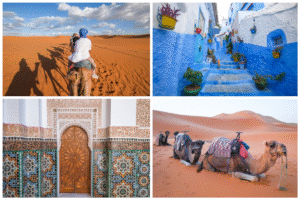
Food shows off real Moroccan cooking with fresh local ingredients (skip the bland tourist versions). Tagines come packed with seasonal vegetables, tender meat, spice mixes that change by region. Breakfast usually means fresh bread, jam, cheese, Moroccan pancakes with honey on top. Desert camp dinner stands out though—sharing tagine under stars while musicians play creates those moments, you’re still talking about years later. Vegetarian or special diet needs? Tell your tour operator when booking.
Packing Essentials for Desert and Mountain Climates
Elevation changes a lot, so layered clothing isn’t optional—you need it. Warm days need light cotton and serious sun protection, cold nights need warm jackets and long pants. Must-haves: sunscreen (you’ll burn faster than you think), sunglasses, scarf for dust desert, comfortable walking shoes, small backpack for camel trek stuff. Flashlight helps get around camp at night. Camera people bring extra batteries—charging basically doesn’t exist out there.
Extending Your Tour with Additional Destinations
Tons of travelers mix this with other Moroccan spots. Longer trips from Marrakech can include desert before ending in Fes, making full loops. Some add Casablanca coastal routes for Atlantic views. Others check out Zagora desert or Chegaga dunes for different desert scenery. Custom trips match your interests and schedule.
Safety Considerations for Desert Travel
Professional operators focus on safety—experienced drivers, maintained vehicles, and solid procedures for desert conditions. Tours follow proven routes with reliable cell service (mostly works). Camps meet safety standards for food and cleanliness. Travel insurance covering medical evacuation makes sense though it rarely gets used. Following guide advice on sun, water, and clothing keeps you comfortable. Morocco’s politically stable with good tourism setup—consistently ranks among Africa’s safest places for international visitors.
How to Book Your Fes to Merzouga Desert Experience
Book through established operators for reliable service and guaranteed departures. Research companies with solid track records, real reviews (ignore obviously fake ones), clear pricing. Most have online booked with clear cancellation policies. Private tours give flexibility with dates and changes, group tours cost way less. Peak season (October-November, March-April) fills fast—book two weeks ahead, though last-minute spots open during slower times.
Comparing 2-Day, 3-Day, and Longer Desert Tours
Two-day options from Fes cover basics but you’re mostly driving for one desert night. The 3-day tour to Merzouga desert ending in Fes hits the sweet spot—enough time enjoying without rushing, both Sahara sunset and sunrise, visiting key spots along the way. Four-day or longer tours let you go deeper into the region, do more desert activities, reach more remote areas. Pick based on time available and how deep you want to go.
Cultural Etiquette and Respectful Tourism
Traveling through Moroccan villages needs cultural awareness. Dress modestly (cover shoulders and knees), especially in rural spots where expectations differ from cities. Always ask before taking photos of people—not everyone wants to be tourist content. Tea invitation? Take it—shows appreciation for Berber hospitality. Small gifts for kids work better than candy—pens or school supplies. Learn some basic Arabic or French phrases, interactions get way better. Supporting local shops and craftspeople helps sustainable tourism that benefits communities while keeping traditions alive.
Environmental Responsibility in the Sahara Desert
Desert ecosystems look empty but support specialized plants and animals that don’t handle disturbance well. Responsible tours minimize impact—stick to established routes, dispose of trash properly, teach visitors about desert ecology. Don’t take rocks or plants as souvenirs (everyone wants to, don’t do it). Camps increasingly run on solar power, conserve water. Some join tree-planting programs and endangered species protection. Pick operators actually committed to environmental stuff—keeps the Sahara in good shape for future generations.
Frequently Asked Questions
What is the best season for a 3-day tour to Merzouga desert ending in Fes?
Spring (March-May) and fall (September-November) give best conditions—daytime temps between 20-28°C, nights cool but okay. Winter (December-February) brings mild days, but desert nights get freezing. Summer (June-August) hits extreme heat making desert activities genuinely miserable.
How physically demanding is the camel trek?
Camel rides last about 1-1.5 hours each way at slow walking pace. Most fitness levels handle it fine. Older travelers or anyone with back issues should mention it when booking—4×4 transport to camp can replace camel trekking completely.
Can dietary restrictions be accommodated during the tour?
Yeah, most operators do vegetarian, vegan, or gluten-free meals with advance notice. Tell your tour provider when booking so proper arrangements happen. Moroccan food naturally has plenty of plant-based dishes anyway.
Is the desert tour suitable for families with children?
Kids usually love camel riding and camping. Long driving days might challenge young children though. Most operators’ welcome families and adjust activities for kids’ needs and energy without problems.
What happens if weather conditions are poor?
Sahara weather stays predictable but occasional sandstorms or unusually cold nights happen. Experienced guides watch conditions and make safety calls. Tours usually go ahead unless conditions get genuinely dangerous, with backup activities arranged if needed. Standard travel insurance covers unexpected cancellations.
How much should I budget for tips and extras?
Figure about 5-10 EUR per person daily for driver tips if service was good. Extra costs might include personal drinks, souvenirs, optional stuff like quad biking, or upgraded rooms. Most meals are included so you won’t spend much on food.
Start Planning Your Desert Adventure Today
The 3-day tour to Merzouga desert ending in Fes builds memories that stick through its mix of natural beauty, cultural meetings, and experiences you can’t fake. From leaving Fes’s historic streets to your last Sahara sunset, discovery happens constantly. Morocco Live Trips handles logistics smoothly while leaving room for spontaneous moments that make travel genuinely worthwhile. Whether you’re after adventure, photography, cultural connections, or just breaking routine, this tour captures Morocco’s essence and gives you stories you’ll keep sharing years from now.