Morocco has the Sahara Desert, the world’s oldest university, the only ski resort in Africa, and a city painted entirely blue. It was also the first country to recognize American independence – in 1777. Most people don’t know half of what makes this country so special. Here are 15 things that make Morocco unlike anywhere else on earth – and exactly how to experience every single one of them with Morocco Live Trips.
What Is Morocco Known For? (Quick Answer)
Morocco is known for the Sahara Desert, ancient imperial cities, the blue city of Chefchaouen, world famous tagine and mint tea, stunning Islamic architecture, Amazigh Berber culture, argan oil, Atlantic surf beaches, and the warmest hospitality in Africa.
| Famous For | Where to Experience It | Best Time |
| Sahara Desert & Camel Treks | Merzouga, Zagora, M’Hamid | Oct to Apr |
| Imperial Cities & Medinas | Marrakech, Fes, Meknes, Rabat | Mar to May, Sep to Nov |
| Blue City Chefchaouen | Chefchaouen, Rif Mountains | Apr to Jun, Sep to Oct |
| Moroccan Cuisine & Mint Tea | Everywhere – especially Marrakech, Fes | Year Round |
| Islamic Architecture & Riads | Marrakech, Fes, Casablanca | Mar to May, Sep to Nov |
| Atlas Mountains & Trekking | Imlil, Toubkal, Dades Valley | Apr to Jun, Sep to Nov |
| Amazigh Berber Culture | Atlas Villages, Sahara, Merzouga | Oct to Apr |
| Argan Oil — Liquid Gold | Souss Valley, Essaouira, Agadir | Year Round |
| Atlantic Coast & Surfing | Taghazout, Essaouira, Agadir | Oct to Apr |
| Moroccan Hammams & Wellness | Marrakech, Fes, Every City | Year Round |
| Hollywood Kasbahs & Film Sites | Ouarzazate, Aït Ben Haddou | Mar to May, Sep to Nov |
| Festivals & Music | Essaouira, Dades Valley, Fes | May to Jun |
| World Records & Global Firsts | Fes, Casablanca, Oukaimeden | Year Round |
| Moroccan Souks & Handicrafts | Fes, Marrakech, Chefchaouen | Year Round |
| Morocco Hospitality & Culture | Everywhere – Every Single Day | Year Round |
1. The Sahara Desert & Camel Treks
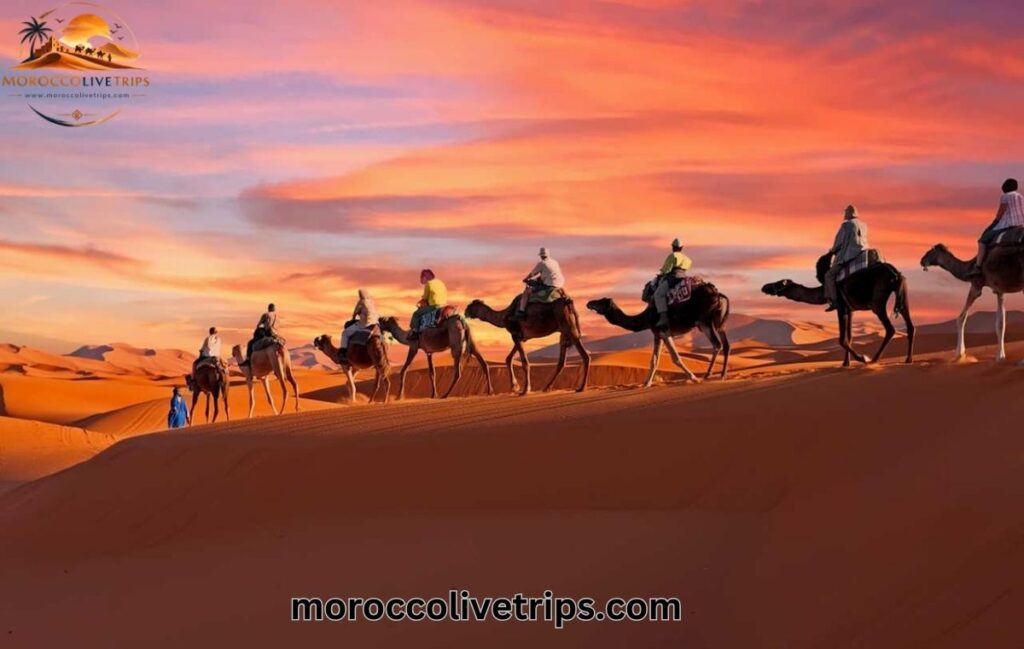
The dunes rise 150 meters high. At night the Sahara goes completely silent. The Milky Way fills the sky from edge to edge. Most people who see it for the first time go very quiet. Some cry. We are not joking.The Sahara Desert is the number one reason most people visit Morocco – and it never disappoints. Not once.
Erg Chebbi Dunes – Merzouga
Erg Chebbi near Merzouga is Morocco’s most famous dune system – 50 square kilometers of pure golden sand rising to 150 meters at its highest point. The sunrise here turns the dunes from deep orange to pale gold in about four minutes. Our guides have watched it hundreds of times. They still stop and stare.
Erg Chigaga – The Untouched Alternative
Erg Chigaga near M’Hamid is only reachable by 4×4. There are no crowds. No noise. Just sand, wind, and sky in every direction. If you want the real Sahara – raw, remote, and completely untouched – this is it. Our guides grew up near these dunes. They know every ridge.
Overnight Desert Camps & Stargazing
Sleep in a traditional Berber camp, eat a home cooked desert dinner, listen to live Gnawa music around the fire, then lie on your back and count shooting stars until you fall asleep. Zero light pollution. Full Milky Way. Every single night. Book our Sahara Desert overnight tour.
2. Morocco’s Imperial Cities & Ancient Medinas
Four cities. Four completely different personalities. Marrakech hits you like a wave. Fes pulls you back eight centuries. Meknes surprises everyone. Rabat makes you rethink everything you thought you knew about Morocco.
Marrakech – The Red City
Marrakech is loud, colorful, chaotic, and completely addictive. The Djemaa el-Fna square at night is one of the greatest spectacles on earth – snake charmers, food stalls, storytellers, musicians, and thousands of people all happening at once. The medina souks will disorient you. A good guide will fix that. Our Marrakech tours include a full medina walking tour with a licensed local guide .
Fes – The Spiritual & Cultural Capital
Fes el-Bali is the world’s largest car free urban area. It has been continuously inhabited since 789 AD. There are streets so narrow two people can barely pass each other. Donkeys still deliver goods. Craftsmen still work exactly as their great-grandfathers did. Travelers on our Fes tour consistently say it stops them completely in their tracks – they walk in expecting a tourist attraction and find a living medieval city.
Meknes & Rabat – The Underrated Imperials
Meknes has the most impressive city gate in Morocco – Bab Mansour – and almost none of the crowds. Rabat is Morocco’s capital and one of its most underrated cities – clean, calm, and full of excellent museums and UNESCO listed historic sites that most tourists completely miss. Both cities reward travelers who take the time to slow down and look properly.
3. The Blue City of Chefchaouen
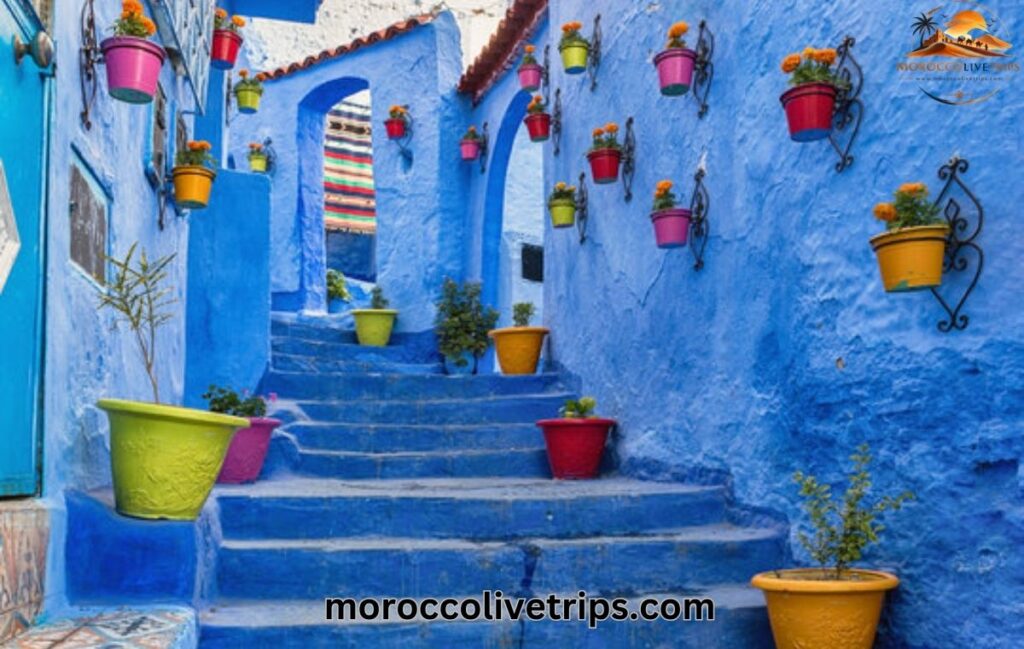
You have seen the photos. Blue walls. Blue stairs. Blue doors. Blue everything.
The photos do not do it justice. Chefchaouen in real life is even better – a small mountain city in the Rif Mountains that feels like it exists slightly outside normal time. Calm. Friendly. Genuinely beautiful in every direction you look.
Why Is Chefchaouen Painted Blue?
The most widely accepted explanation is that Chefchaouen’s Jewish community began painting buildings blue in the 1930s – symbolizing the sky and heaven. The tradition spread and never stopped. Today the entire medina is painted in dozens of shades of blue and white. Every corner is a photograph.
Best Things to Do in Chefchaouen
- Walk the blue medina freely – get lost on purpose
- Hike to the Spanish Mosque for panoramic views over the city
- Visit Ras el-Maa waterfall at the edge of the medina
- Shop for handwoven Rif Mountain blankets and textiles
- Eat on a rooftop and watch the city change color at sunset
- Day trip to Akchour Waterfalls – one hour away and stunning
How to Get There & Best Time to Visit
Chefchaouen is 3 hours by CTM bus from Fes and 3 hours from Tangier. Best visited April to June and September to November when mountain temperatures are perfect and the light is at its most beautiful. Add Chefchaouen to your Morocco itinerary – view our Imperial Cities Tour
4. Moroccan Cuisine & Traditional Food Culture
Moroccan food is not just good. It is genuinely one of the greatest cuisines in the world. It has been developing for over a thousand years – mixing Amazigh Berber, Arab, Andalusian, Mediterranean, and sub-Saharan African influences into something that tastes like nowhere else on earth.
Tagine – Morocco’s Most Famous Dish
Tagine is slow cooked meat and vegetables in a conical clay pot – but that description does not come close to capturing it. The chicken with preserved lemon and olives tagine that we serve on our desert camps has made grown adults genuinely emotional. The spice combinations – cumin, saffron, ras el hanout, cinnamon – are unlike anything in Western cooking. One meal and you understand why Moroccan food has taken over restaurant menus worldwide.
Couscous – The Friday Tradition
Every Friday after prayers, Moroccan families gather and share couscous together. It has been happening for centuries. Steamed semolina, slow cooked vegetables, chickpeas, and tender meat – served in one large dish that everyone eats from together. If a Moroccan family invites you to Friday couscous, say yes immediately. It is one of the best experiences in the country.
Moroccan Mint Tea Ceremony
Moroccan mint tea is poured from a height of about 30 centimeters. This creates the foam on top and also – according to our guides – shows the respect the host has for the guest. The higher the pour, the greater the welcome. It is always sweet. It is always served three times. Refusing is considered impolite. Accepting is the beginning of every good conversation in Morocco.
Street Food & Djemaa el-Fna at Night
Djemaa el-Fna at night is pure theatre. Hundreds of food stalls, open fires, smoke rising into the sky, vendors calling out, the smell of grilled meat and fresh orange juice mixing in the air. Eat harira soup. Try the snails. Get a fresh squeezed orange juice for 4 dirhams. Stay until midnight. You will come back the next night.
5. Islamic Architecture, Riads & Kasbahs
Morocco’s traditional architecture will stop you mid-sentence. You will be talking to someone and then walk through a door and completely forget what you were saying. This happens to everyone. Our guides enjoy watching it happen.
Hassan II Mosque – A World Record Landmark
The Hassan II Mosque in Casablanca has the tallest minaret in the world at 210 meters. It sits directly over the Atlantic Ocean with a retractable roof and heated marble floors. At night laser beams point from the minaret toward Mecca – visible from ships at sea. It holds 105,000 worshippers inside and outside combined. Non-Muslims can visit on guided tours. Do not miss it.
Riads – Morocco’s Hidden Palaces
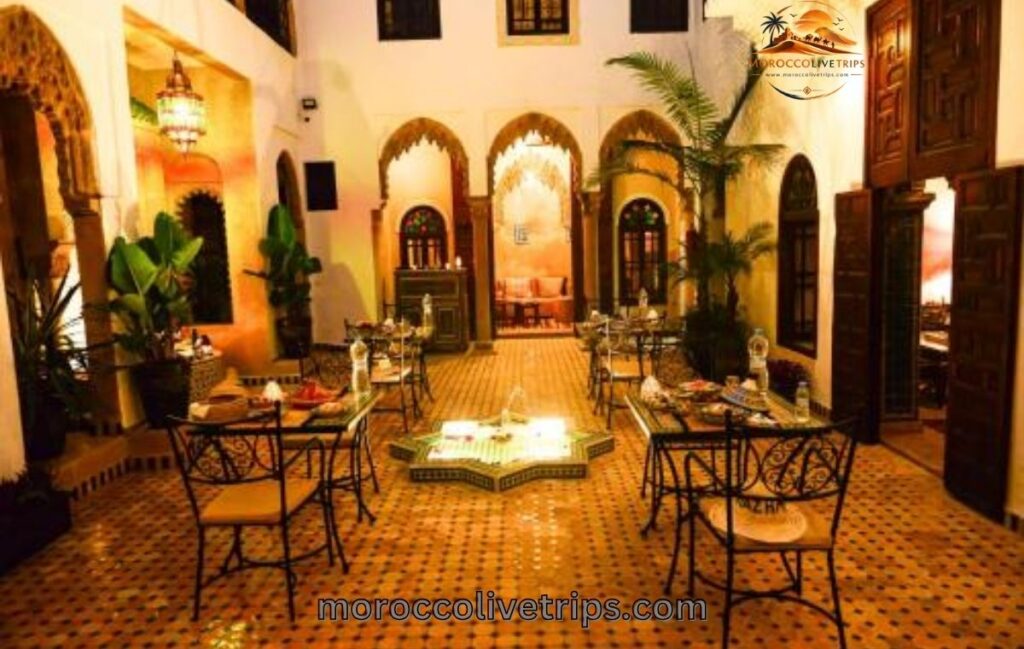
A riad looks like a plain wall from the street. You push open a wooden door and find yourself in a courtyard with a fountain, orange trees, carved plasterwork, zellige tilework, and complete silence – ten meters from one of the loudest streets in Morocco. This contrast is one of the most memorable things about staying in a Moroccan riad. All Morocco Live Trips tours include handpicked riad accommodation .
Ait Ben Haddou – Hollywood’s Favourite Kasbah
Aït Ben Haddou is a UNESCO World Heritage kasbah built from earthen clay near Ouarzazate. Gladiator was filmed here. Game of Thrones. Lawrence of Arabia. The BBC. National Geographic. It looks exactly like what it is – an ancient fortified city that has stood in the desert for over a thousand years. Two hours from Marrakech. Absolutely worth the drive.
Zellige Tilework, Tadelakt & Carved Plaster
Zellige is hand cut geometric ceramic tile – each piece cut individually by hand and assembled into patterns of mathematical precision. Tadelakt is polished lime plaster so smooth it feels like stone. Hand carved plaster (stucco) covers the walls of every mosque and madrasa in Morocco – thousands of hours of work per wall. These are not decorations. They are the work of master craftsmen whose skills take decades to develop.
6. The Atlas Mountains & Berber Villages
Most people come to Morocco for the Sahara. Many leave saying the Atlas Mountains were the best part. Our guides grew up in these mountains. They will show you things no travel guide has ever written about.
Mount Toubkal – Highest Peak in North Africa
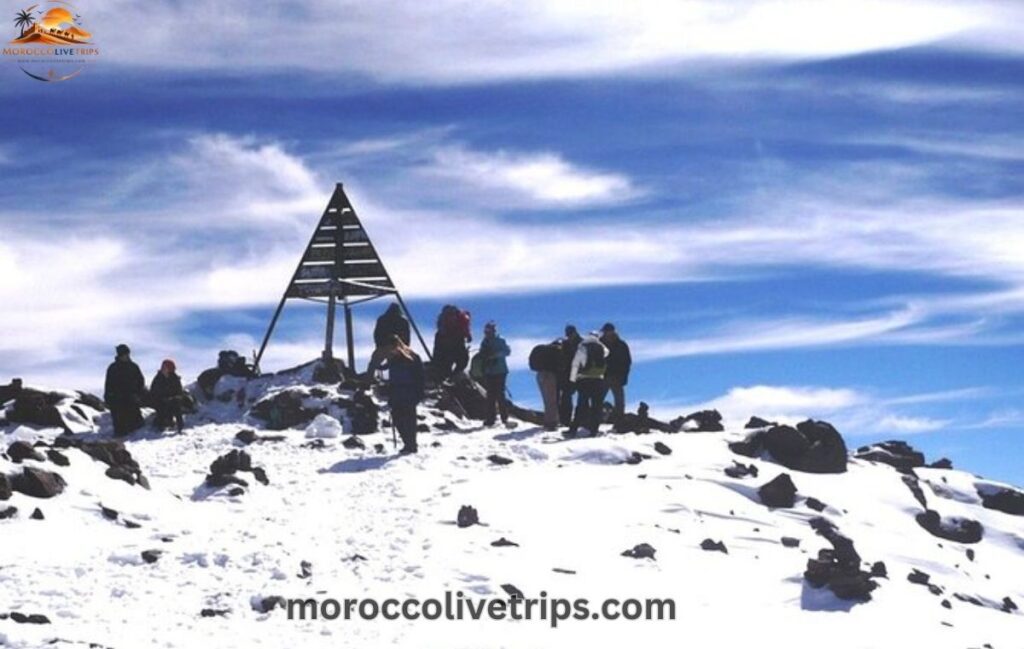
Jebel Toubkal at 4,167 meters is the highest mountain in North Africa. The standard two day trek from Imlil is achievable by fit walkers with no technical climbing experience. The summit view on a clear day stretches to the Sahara in one direction and the Atlantic coast in the other. It is one of the best feelings in Morocco.
Berber Village Treks & Valley Walks
Walking between Amazigh Berber villages in the High Atlas means passing through terraced barley fields, walnut orchards, rose gardens, and ancient irrigation channels. The villages have no hotels. Families invite trekkers in for tea. Children run alongside. Our guides translate and explain. This is the Morocco that travel articles rarely describe – and the Morocco that travelers remember longest.
Todgha Gorge & Dades Valley
Todgha Gorge has vertical rock walls rising 300 meters on both sides of a narrow river. You walk along the river at the bottom and look straight up. It is genuinely jaw dropping. The Dades Valley – called the Valley of a Thousand Kasbahs – stretches through the Atlas foothills lined with earthen kasbahs, rose gardens, and almond trees. One of Morocco’s most beautiful drives.
Agafay Desert – Marrakech’s Secret Escape
40 kilometers from Marrakech. No long drive required. The Agafay is a rocky moonscape with Atlas Mountain views, luxury camps, camel rides, and complete desert silence. Perfect for travelers who want the desert experience without the two day journey to Merzouga.
7. Amazigh (Berber) Culture & Traditions
The Amazigh people are the original inhabitants of North Africa – and the living soul of Morocco. Without Amazigh culture there is no Moroccan cuisine, no Berber carpet, no mountain trek, and no desert camp. Everything authentic in Morocco has Amazigh roots.
Who Are the Amazigh People?
The Amazigh have lived in North Africa for at least 5,000 years – predating the Arab arrival by millennia. Today approximately 60% of Moroccans have Amazigh heritage. In 2011 Morocco officially recognized Tamazight as a co-official national language alongside Arabic – a historic acknowledgment that was a long time coming.
Amazigh Language, Music & Clothing
Amazigh music uses the bendir frame drum and sintir bass lute in hypnotic rhythmic patterns that form the root of Gnawa music and much of what the world calls Moroccan music. Traditional Amazigh women’s clothing – heavy silver jewelry, handwoven cloaks, and intricate patterns – is among the most visually striking traditional dress in the world. Our desert camp evenings include live Amazigh and Gnawa music around the fire.
Berber Festivals & Village Celebrations
The Imilchil Marriage Festival brings together young Amazigh men and women from different tribes to meet and choose life partners – a tradition that has continued for centuries. Yennayer – the Amazigh New Year in January – is celebrated across Morocco with traditional food, music, and community gatherings. These are not tourist performances. They are real celebrations of a living culture.
8. Moroccan Souks, Carpets & Handicrafts
Walking into a Moroccan souk for the first time is overwhelming. Narrow alleyways, shouting vendors, incredible smells, things hanging from every surface. Give it twenty minutes. Then it becomes one of the best experiences of your life.
The Fes Tanneries – Leather Since Medieval Times
The Chouara Tannery in Fes has been operating since the 10th century. Same location. Same stone vats. Same natural dyes – saffron yellow, poppy red, indigo blue. You view it from the terrace of a leather shop above – with a sprig of mint to hold to your nose. Travelers on our Fes tours consistently say it is the single most visually striking thing they see in Morocco. We agree.
Berber Carpets & Handwoven Rugs
Every Berber carpet is completely unique. Woven by hand by Amazigh women using patterns passed down through generations – each one carries specific symbols and meanings that tell the story of the weaver and her community. Buy one from a cooperative rather than a tourist shop. The quality difference is immediately obvious.
Spices, Ceramics & Handmade Souvenirs
Moroccan spice markets display ras el hanout, saffron, cumin, dried rose petals, and argan oil in vast fragrant pyramids that have been traded here since the great Saharan caravans. Fes blue and white pottery and the multicolored geometric ceramics of Safi are among Morocco’s most beautiful and most practical souvenirs – used daily in Moroccan homes for centuries.
How to Shop in a Moroccan Souk
Start at one third of the asking price. Stay friendly. Take your time. Be genuinely willing to walk away – it almost always brings the price down. Never bargain for something you will not buy. And if a shopkeeper invites you for tea with no purchase pressure – accept it. That is Moroccan hospitality in its purest form.
9. Argan Oil – Morocco’s Liquid Gold
Argan oil comes from one tree – the Argania spinosa – that grows only in one place on earth. A UNESCO protected biosphere reserve in southwestern Morocco between Agadir and Essaouira. Nowhere else. Not even close.
What Makes Moroccan Argan Oil Unique?
One liter of pure argan oil requires approximately 20 hours of skilled hand labor. The tree produces fruit once per year and lives up to 200 years. The oil is extraordinarily rich in vitamin E, essential fatty acids, and antioxidants – which is why the global beauty and food industries pay premium prices for genuine Moroccan argan oil and why cheap imitations are everywhere.
Culinary vs Cosmetic Argan Oil
Culinary argan oil is made from roasted kernels – rich, nutty, and extraordinary drizzled over couscous or mixed into amlou (Moroccan almond and honey paste). Cosmetic argan oil is cold pressed from unroasted kernels – lighter, more neutral, and one of the most effective natural hair and skin treatments available anywhere in the world.
Where to Buy Authentic Argan Oil in Morocco
Buy directly from women’s cooperatives in the Souss Valley. Watch the extraction process. See the certification. The difference between cooperative argan oil and tourist shop argan oil is immediately obvious in color, smell, and texture. Avoid anything sold in a plastic bottle at a market stall.
10. Morocco’s Atlantic Coast & Surf Culture
Morocco has over 3,500 kilometers of Atlantic and Mediterranean coastline. World class surf breaks. Beautiful beach towns. Fresh seafood. And sunshine for most of the year. The coast is the side of Morocco that most first time visitors completely underestimate.
Taghazout – Africa’s Surf Capital
Taghazout is a small fishing village 20 kilometers north of Agadir that became one of the world’s best surf destinations – almost by accident. Anchor Point, Hash Point, and Mysteries deliver powerful Atlantic swells from October to April that attract surfers from across Europe and beyond. Affordable surf camps. Excellent food. Incredible sunsets. One of the best value surf destinations in the world.
Essaouira – Wind, Waves & Andalusian Charm
Essaouira is the most effortlessly cool city in Morocco. UNESCO listed. Fortified Atlantic walls. Blue fishing boats in the harbor. Constant ocean wind. Artists everywhere. The Gnawa World Music Festival here every June draws 500,000 people from across the world. Come for a day. Stay for a week. Most people do.
Agadir – Best Beach Resort in Morocco
10 kilometers of golden sand beach. Year round sunshine. Modern hotels. Agadir is Morocco’s most developed beach resort – completely rebuilt after the 1960 earthquake with wide boulevards, excellent restaurants, and an accessible international airport. Perfect for families, couples, and anyone who wants Morocco’s culture with a beach holiday built in.
11. Moroccan Hospitality – The Warmest Welcome in Africa
No travel article can fully prepare you for Moroccan hospitality. You will be offered tea by a shopkeeper who asks nothing in return. A stranger will correct your wrong turn before you even realize you are lost. A family will invite you for dinner after a ten minute conversation. This is not performance. This is how Moroccan culture actually works.
The Culture of Welcome in Islam & Berber Tradition
In Moroccan culture, a guest is a gift from God. This is not a figure of speech – it is a genuine belief that shapes daily behavior. The Arabic concept of Diyafa (generous hosting) and the Amazigh tradition of Tiwizi (community solidarity) combine to create a culture of welcome that has been Morocco’s defining characteristic for travelers for over a thousand years.
What to Expect as a Guest in Morocco
You will be offered mint tea the moment you enter almost any shop, home, or riad. Accept it. You will be asked about your country, your family, and your impressions of Morocco – Moroccans are genuinely curious about the world. You will be fed more than you expected. At a Moroccan table, an empty plate means you need more food. Pace yourself accordingly.
12. Festivals, Music & Cultural Celebrations
Morocco’s cultural calendar runs all year. There is always something happening – a music festival, a harvest celebration, a religious moussem, a local market. Here are the three worth planning your trip around.
Gnawa World Music Festival – Essaouira
500,000 people. Four days. One of Africa’s greatest music events. The Gnawa festival in Essaouira every June combines ancient Gnawa spiritual music with international jazz, blues, and world artists in free outdoor concerts across the entire city. It is loud, beautiful, and completely unforgettable. Book accommodation in Essaouira months in advance if you plan to attend.
The Rose Festival – Kelaat M’Gouna
Every May the Dades Valley turns pink. Millions of Damask roses bloom across the valley – producing the rose water and rose oil used in Moroccan cooking, cosmetics, and traditional medicine. The Rose Festival in Kelaat M’Gouna celebrates the harvest with three days of parades, music, dancing, and the election of a Rose Queen. One of Morocco’s most joyful and most photogenic events.
Moussem Festivals & Local Traditions
Moussem festivals are annual community pilgrimages honoring local saints – combining traditional music, horse fantasia (tbourida), craft markets, and communal feasting in celebrations that have continued in the same form for hundreds of years. These are not tourist events. They are real community gatherings that visitors are warmly welcomed to attend and observe.
13. Morocco in Hollywood & Pop Culture
More major films have been shot in Morocco than in any other African country. The landscapes are extraordinary. The light is exceptional. The infrastructure for large productions has been building since the 1960s. And the cost is significantly lower than equivalent European locations.
Ouarzazate – The Hollywood of Africa
Ouarzazate is home to Atlas Corporation Studios and CLA Studios – two of the largest film studios in Africa. Gladiator, Lawrence of Arabia, Kingdom of Heaven, The Mummy, Game of Thrones, Babel, Homeland, and Prince of Persia were all filmed here or in the surrounding desert landscapes. The town has a small Cinema Museum worth visiting. The drive from Marrakech over the Tizi n’Tichka mountain pass is one of Morocco’s best road journeys.
Famous Films & TV Shows Shot in Morocco
Morocco doubles for ancient Rome, medieval Arabia, biblical Jerusalem, and post-apocalyptic desert landscapes with equal ease. Sex and the City 2, Hidalgo, The Jewel of the Nile, and countless BBC and Netflix productions have all used Morocco’s visual diversity to bring their stories to life. Next time you watch a desert epic – there is a reasonable chance you are looking at Morocco.
Marrakech & the Art World – Matisse to YSL
Henri Matisse visited Marrakech in 1912. The colors and light changed his painting permanently – some of his most celebrated works came from that visit. Yves Saint Laurent loved Marrakech so deeply he made it his second home – restoring the Majorelle Garden with his partner Pierre Bergé and drawing constant creative inspiration from the city until his death. The YSL Museum in Marrakech opened in 2017 and is one of the best designed museums in Africa.
14. Moroccan Hammams & Wellness Rituals
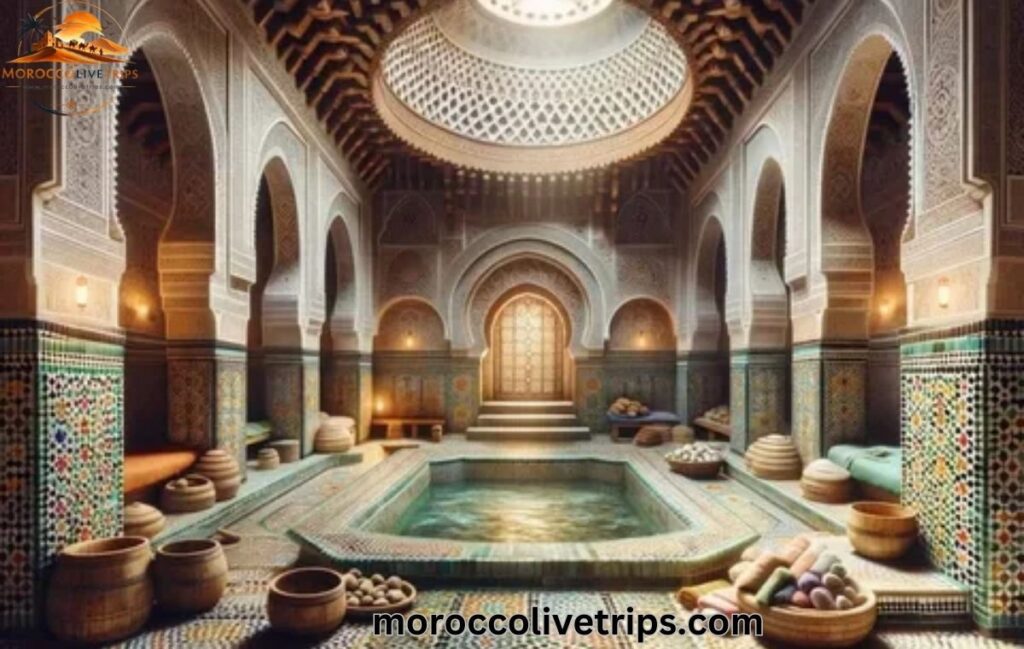
A traditional Moroccan hammam will leave your skin the cleanest it has ever been in your life. This is not marketing language. Every traveler who tries one says the same thing. It is also one of the most authentic local experiences in Morocco – Moroccans use hammams weekly as a normal part of life, not as a tourist attraction.
What Is a Traditional Hammam?
A hammam is a public bathhouse with three rooms of increasing heat. You move from cool to warm to hot – steaming, sweating, and preparing the skin for what comes next. Men and women use separate sections or separate hours. The whole process takes about 90 minutes and costs between 50 and 200 dirhams depending on whether you go local or tourist.
Black Soap, Kessa Scrub & Argan Massage
Savon beldi (black soap) is applied first – a soft olive oil based soap that softens the skin. The kessa glove then scrubs off dead skin in visible rolls. What comes off will surprise you. Then comes the argan oil massage – leaving the skin soft, smooth, and genuinely glowing. The whole sequence is one of the most satisfying physical experiences in Morocco. Our Marrakech tours include a traditional hammam experience –view tour details
Best Hammam Experiences in Morocco
- Les Bains de Marrakech – best luxury hammam in Marrakech
- Hammam Sidi Bouloukat – most authentic local hammam in the Marrakech medina
- La Maison Bleue Hammam – best hammam experience in Fes
- Hammam Ziani – excellent value in central Marrakech
- Your riad’s private hammam – most convenient luxury option
15. Morocco’s World Records & Global Firsts
Morocco holds more world records and historical firsts than most people realize. Here are the ones worth knowing before you go – because understanding them makes every site you visit significantly more meaningful.
Oldest University in the World – Al-Qarawiyyin (859 AD)
The University of Al-Qarawiyyin in Fes was founded in 859 AD by Fatima al-Fihri – a Muslim woman. It is officially recognized by UNESCO and Guinness World Records as the oldest continuously operating university on earth. It predates Oxford University by approximately 250 years. It is still operating today. You can walk past its entrance in the Fes medina. Our Fes tour guides will show you exactly where it is and tell you its full story.
First Country to Recognize US Independence (1777)
Morocco was the first country in the world to officially recognize American independence – when Sultan Mohammed III opened Moroccan ports to American ships in 1777. The Moroccan-American Treaty of Friendship signed in 1786 is the longest unbroken treaty relationship in American diplomatic history. Most Americans visiting Morocco have no idea. Our guides love telling them.
Tallest Minaret, Only African Ski Resort & More
- World’s tallest minaret – Hassan II Mosque, Casablanca, 210 meters
- Africa’s only operational ski resort – Oukaimeden, High Atlas, 2,600 meters
- World’s largest solar power plant – Noor Ouarzazate complex
- One of the world’s oldest continuously inhabited cities – Fes el-Bali, founded 789 AD
- World’s oldest university – Al-Qarawiyyin, Fes, founded 859 AD
Morocco vs Expectations – What First-Timers Get Wrong
| What People Expect | What Actually Happens |
| Morocco is dangerous | U.S. State Department rates it Level 1 – same as France |
| Everyone speaks Arabic only | French, English, and Spanish all widely spoken |
| It is hot everywhere all year | Mountains get snow – four completely different climate zones |
| The food is risky | World class cuisine – one of the safest street food cultures |
| Medinas are impossible to navigate | Challenging without a guide – completely manageable with one |
| Morocco is expensive | Excellent value at every budget level |
| Bargaining is stressful | Fun and friendly once you understand the rhythm |
| Sahara is far and difficult | Easy 2 to 3 day tour from Marrakech or Fes |
How to Experience the Best of Morocco
Best Itineraries by Traveler Type
| Traveler Type | Recommended Itinerary | Duration |
| First Time Visitors | Marrakech, Sahara, Fes | 7 to 10 days |
| Adventure Travelers | Atlas trekking, Sahara, Erg Chigaga | 10 to 14 days |
| Culture & History | Fes, Meknes, Rabat, Marrakech | 7 to 10 days |
| Honeymooners | Marrakech, Sahara camp, Essaouira | 7 to 10 days |
| Photographers | Chefchaouen, Fes tanneries, Sahara sunrise | 10 to 14 days |
| Beach & Surf | Agadir, Taghazout, Essaouira | 7 to 10 days |
| Budget Travelers | Marrakech, Chefchaouen, Fes | 5 to 7 days |
Our Most Popular Morocco Tours
At Morocco Live Trips our most booked tours are the Classic Marrakech to Fes Desert Tour, the Imperial Cities Cultural Tour, the Complete Morocco Grand Tour, and the Private Sahara Desert Adventure. Every tour is led by a licensed local guide, includes handpicked riad accommodation, private transport, and zero hidden costs. Browse all tours
Frequently Asked Questions
What is Morocco most famous for?
Morocco is most famous for the Sahara Desert, Chefchaouen blue city, ancient imperial cities, tagine and mint tea, Islamic architecture, Amazigh Berber culture, argan oil, and Atlantic surf beaches. It also holds the world record for the oldest university, tallest minaret, and was the first country to recognize American independence.
Is Morocco worth visiting?
Yes -without hesitation. Morocco delivers on every promise it makes. Ancient history, natural beauty, world class food, genuine cultural richness, and human warmth that most travelers are not prepared for. Almost everyone who visits returns. Many come back multiple times.
What food is Morocco known for?
Tagine, couscous, Moroccan mint tea, harira soup, bastilla, msemen flatbread, and the street food of Djemaa el-Fna are what Morocco is most famous for culinarily. The cuisine is one of the world’s greatest – shaped by over a thousand years of Amazigh, Arab, Andalusian, and Mediterranean influences combining into something completely unique.
What language do they speak in Morocco?
Modern Standard Arabic and Amazigh are Morocco’s official languages. Most Moroccans speak Darija (Moroccan Arabic) daily and French in professional settings. English is increasingly spoken in tourist areas. Our Morocco Live Trips guides speak fluent English, French, and Darija – so communication is never a problem on any of our tours.
How many days do you need to see Morocco?
7 to 10 days covers the highlights. 14 days lets you go deeper. Morocco rewards every extra day you give it – there is always something new, something unexpected, and something that stops you completely in your tracks.
Is Morocco expensive?
Morocco is excellent value. Good riad accommodation, excellent restaurant meals, guided tours, and local transport are all significantly more affordable than comparable European destinations. Morocco works well on a modest budget and delivers extraordinary experiences on a premium one.
Final Thoughts – Why Morocco Belongs on Your Bucket List
Morocco is the Sahara Desert at sunrise. It is mint tea in a 12th century riad. It is a blue city in the mountains. It is the world’s oldest university. It is a family inviting you for couscous twenty minutes after meeting you.
There is nowhere quite like it. And the best way to experience it properly – safely, deeply, and authentically – is with people who grew up here and love showing it to the world.
Visit moroccolivetrips.com today, choose your perfect Morocco tour, and book your adventure. We will take care of everything else.
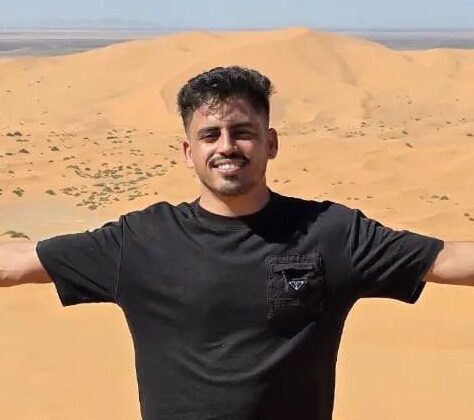
Moha BN is a Moroccan-born licensed tour guide with 10+ years of experience organizing cultural tours, Sahara Desert trips, and private itineraries across Morocco. He shares local travel insights, safety advice, and budget tips through Morocco Live Trips.