Book Private 3 Day Marrakech to Merzouga Desert Tour – Atlas Mountains, Ait Ben Haddou & Sahara Desert
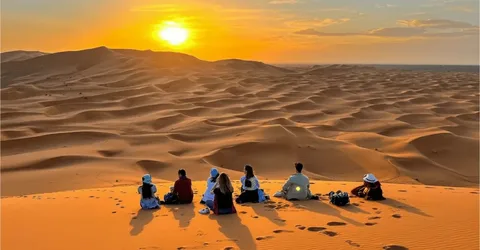
Three days. One private vehicle. One night under the stars in the Sahara. That is the idea behind our private 3 day Marrakech to Merzouga desert tour, and it is the most requested way to reach the Erg Chebbi dunes from Marrakech without spending a week on the road. You leave your riad or hotel in the Marrakech Medina in the morning, cross the High Atlas Mountains over the Tizi n’Tichka Pass, walk through the fortified village of Ait Ben Haddou, and sleep in the Dades Valley. On day two you explore Todra Gorge, drive through the Ziz Valley, reach Merzouga in the late afternoon and ride a camel into the dunes for sunset. You spend the night in a Sahara desert camp, wake up for the Sahara sunrise, and return to Marrakech on day three. Everything is private. There are no shared passengers, no fixed departure times set by a group, and no rushed photo stops. You travel with a local English speaking driver guide who knows every bend of the road, every good lunch stop and every quiet viewpoint that big convoys skip. If you want the shared group version, our team can arrange it, and you can compare it on our page for the 3 days tour from Marrakech to Merzouga desert. This page is for travelers who want the private version: your own vehicle, your own pace, your own itinerary. Experience the Sahara on a Private 3 Day Marrakech to Merzouga Tour A 3 day Merzouga desert tour from Marrakech is the classic short Sahara trip in Morocco. It gives you the three things most travelers dream about when they search for a Morocco desert tour from Marrakech: the mountain crossing, the kasbahs and gorges, and the dunes themselves. The private format changes how those three days feel. Instead of following a group schedule, you decide when to leave, where to stop and how long to stay. If you want to linger at a viewpoint in the High Atlas, you linger. If you want to leave Dades Valley early to have more time in Merzouga, you leave early. Your driver guide adjusts the day to fit you. Private Travel From Marrakech to the Sahara The distance from Marrakech to Merzouga is roughly 560 kilometers each way. On a direct drive with no stops that would already take most of a day. On a private tour, the journey is broken into two comfortable days out and one return day, so the road becomes part of the experience rather than something to endure. Your private air conditioned vehicle collects you from your Marrakech hotel, riad or the airport. Because the transfer is door to door, you do not need to find a meeting point in the Medina, drag luggage through narrow alleys or wait for other passengers to arrive. Many riads in the old city are only reachable on foot, and your driver guide will coordinate the pickup at the nearest vehicle access point so your day starts smoothly. Ait Ben Haddou, Dades Valley and Todra Gorge The route from Marrakech to Merzouga is one of the most scenic in Morocco. It passes through the High Atlas Mountains, stops at Ait Ben Haddou, continues through Ouarzazate, follows the famous Road of a Thousand Kasbahs, and enters Dades Valley and the Todra Valley before dropping into the wide Sahara plains near Erfoud and Merzouga. Each stop has a purpose. Ait Ben Haddou is the UNESCO World Heritage Site that gives you a picture of southern Moroccan architecture. Dades Gorge and Todra Gorge show you the canyon scenery that makes the Atlas Mountains so dramatic. The Ziz Valley and Erfoud introduce you to the palm oasis landscape that surrounds the desert. Sunset Camel Trek in Erg Chebbi Erg Chebbi is the largest sand sea in Morocco, with dunes that rise more than 150 meters and change color through the day. Your camel trek starts in the late afternoon so you reach a high dune for the Sahara sunset. The trek is a gentle walk with a local Amazigh guide leading the camels, and it suits couples, families and first time visitors. Overnight in a Sahara Desert Camp After sunset you arrive at your Merzouga camp, set among the dunes. Dinner is a traditional Moroccan meal, followed by Berber music around the campfire and one of the best displays of desert stargazing you will ever see. Away from any city lights, the sky in Erg Chebbi is exceptional on clear nights. Why Choose a Private Marrakech to Merzouga Desert Tour? Group tours are affordable, and they work for some travelers. But if you have limited time, you are traveling as a couple or family, or you simply prefer a relaxed pace, a private Marrakech to Merzouga desert tour is worth the difference. Here is why. Private Vehicle for Your Group Your vehicle is yours for the entire trip. Nobody else boards. Your luggage, cameras, jackets and snacks stay in the vehicle, and the seating is arranged around your group size. Depending on how many people are traveling, your vehicle can be a Toyota Land Cruiser 4×4 for small groups, a Mercedes Vito or Ford Tourneo for medium groups, or a private minibus for larger parties. No Shared Transportation On a shared tour the schedule is set by the slowest person in a minibus of many strangers. On a private tour there are no shared passengers, so the itinerary is built around your group only. That means fewer waiting periods, no disagreements about stops, and more time for the places you care about. Flexible Stops and Photo Breaks The road from Marrakech to Merzouga is full of moments you will want to photograph. A mountain village clinging to a slope, a sudden view of the Atlas peaks, a palm grove in the Draa Valley, a caravan of camels at sunset. With a private driver you can ask to pull over. Most photographers and honeymooners tell us this flexibility alone justifies the
Erg Chebbi Desert Camp: What to Expect in Morocco
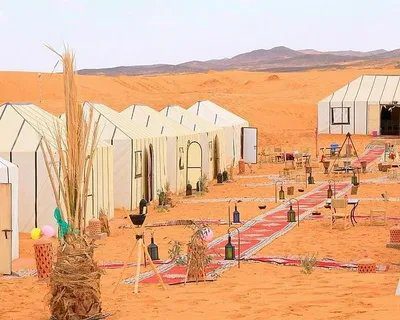
Private Sahara travel in Morocco Erg Chebbi Desert Camp: What to Expect on Your Erg Chebbi Desert Tour A desert camp is not just a place to sleep. It is one part of a longer Morocco journey shaped by the road, the dunes, the people you meet and the moments you leave room to discover. When I take people on a tour through Morocco, I don’t always want the experience to be exactly the same for every traveler. Of course, we have a planned itinerary and important places that we want our guests to see, but sometimes the best moments happen when we have the flexibility to do something a little different. Plan Your Erg Chebbi TourAsk on WhatsApp I have taken travelers to places that are not always included in the standard itinerary, including Gorges du Todgha and other interesting spots along the way. I like to listen to what people are interested in and, when the route and time allow, make room for those interests. For me, a Morocco tour is not just about driving from one famous attraction to another and checking places off a list. It is about enjoying the journey, discovering something unexpected and giving travelers a more personal experience of Morocco. Every group is different, so I believe the journey should have some flexibility too. Sometimes a small change to the plan can become one of the memories travelers talk about long after they return home. That is the spirit behind an Erg Chebbi desert tour with Morocco Live Trips. We plan the important details, then leave space for the road, the desert and your own interests. The camp experience begins before arrival: the light, the dunes and the feeling of leaving the road behind. Create My Flexible Desert PlanTalk on WhatsApp From Merzouga to the dunes What to Expect at an Erg Chebbi Desert Camp Most visitors reach an Erg Chebbi camp in the late afternoon. You usually leave your larger luggage at a Merzouga hotel or vehicle and carry a small bag for the night. The final approach may happen by camel or 4×4, depending on your package, camp location and personal preference. A change of pace The road, phone notifications and city noise begin to fade. The camp experience gives you time to notice the dunes, wind, light and silence. A furnished tent Camp standards vary. Some camps provide simple bedding and shared facilities, while upgraded camps may offer proper beds, private bathrooms, hot showers, electricity and heating. A shared evening Many camps serve Moroccan dinner and tea, followed by music, drums or conversation around a fire. The exact atmosphere depends on the camp and group size. Before booking: Ask whether your camp has a private bathroom, hot water, electricity, heating, Wi-Fi, luggage storage, dinner and breakfast. “Desert camp” can describe several comfort levels.Choose My Camp ComfortAsk on WhatsApp The journey into camp How the Erg Chebbi Camp Experience Usually Works Arrive in Merzouga Your driver brings you to Merzouga or the camp’s meeting point. This is the time to use the bathroom, refill water, organise your small overnight bag and ask where larger luggage will stay. Choose camel or 4×4 access A camel trek offers a slow, traditional approach through the dunes. A 4×4 transfer may suit travellers with mobility concerns, young children, back discomfort or limited time. Tell us your preference before the itinerary is confirmed. Reach camp near sunset The aim is usually to arrive with time to settle in and watch the changing light. Sunset timing varies by season, so your departure time may change. Settle into your tent Expect time to place your small bag, inspect the facilities and prepare for the evening. Desert nights can feel much colder than the afternoon, so keep a warm layer accessible. Camp facilities range from simple shared accommodation to private luxury tents. The classic desert arrival Camel Trekking into Erg Chebbi The camel trek is one of the most recognisable parts of an Erg Chebbi desert tour. It is not a fast ride. You move slowly across the dunes, with time to watch shadows change and the horizon open around you. Wear long trousers or comfortable clothing, use sun protection and keep your camera secure. Mounting and dismounting can feel unfamiliar, so follow the camel handler’s instructions. If you find the ride uncomfortable, tell the team rather than pushing through pain. The best camel experience is not necessarily the longest one. It is the one that fits your body, the weather, the group and the light. A 4×4 transfer can still give you the camp and sunset without requiring a long ride. What to keep with you Water bottle Sun protection Warm layer for after sunset Phone or camera in a secure bag Medication and essential personal items Ask before departure How long is the camel ride? Where will large luggage remain? Is a 4×4 alternative available? What time will the group reach camp? What happens if weather changes? Plan My Camel TrekAsk on WhatsApp Dinner, tea and music What Happens After You Reach Camp? After you arrive, the evening usually slows down. You may receive mint tea, settle into your tent, watch the sunset, eat dinner and sit around a fire. Menus vary, but Moroccan camp dinners often include salads, tagine, couscous, bread, fruit and tea. Tell us about vegetarian, vegan, halal, allergy-aware or other dietary requirements before booking. Many camps include traditional music or drumming. Some evenings feel intimate and simple; others involve a larger group and more organised entertainment. If you prefer privacy, ask about a smaller camp or private dining arrangement. Desert stargazing When the lights are low and the sky is clear, stargazing becomes one of the simplest pleasures of the camp. Bring a warm layer and give your eyes time to adjust. A guide cannot control clouds or moonlight, but can help you choose a good place to look. Request My Camp ExperienceAsk on WhatsApp Sunrise changes everything The Morning After: Sunrise
Taghazout Morocco Tour: Surf, Beaches & Coastal Adventures
Private Morocco coastal experiences Taghazout Morocco Tour: Surf, Beaches & Coastal Adventures Ask Moha how he plans a tour, and he’ll tell you the same thing every time: “The itinerary is a starting point, not a script. If the group wants to chase something else, we chase it.” That’s how he’s worked for years on the desert routes – swapping in a salt mine detour here, a hidden gorge there, based on what the people in the car actually want to see rather than what a brochure says they should see. It’s the same mindset he brings to the coast, just applied to a completely different kind of trip. Because Taghazout isn’t the desert. It’s not dunes, camels, or Berber camps under the stars. It’s the Atlantic – cold water, long waves, small whitewashed streets, and a pace of life that runs on tide charts instead of tour schedules. If you’re adding it to a Morocco itinerary, it’s worth understanding what you’re actually walking into, because it’s a genuinely different experience from the rest of the country. Plan My Taghazout TourAsk on WhatsApp More than a surf stop What Taghazout Actually Is? Thirty or forty years ago, Taghazout was a quiet fishing village on Morocco’s southern Atlantic coast, the kind of place that shows up as a dot on the map and nothing more. That changed slowly through the 1960s and 70s, when traveling surfers chasing Atlantic swells worked their way down the coast and found long, peeling right-hand point breaks that barely anyone else knew about. Word got around, the way it always does among surfers – quietly, among people who knew exactly what they were looking for. Today Taghazout is one of the best-known surf destinations in Morocco, arguably in Africa. Surf camps line the hillsides, small cafés serve banana pancakes and mint tea in the same breath, and the lineup at Anchor Point on a good day pulls in surfers from a dozen different countries. But underneath the growth, the town hasn’t completely lost what made it worth finding in the first place. Fishing boats still get pulled up on the sand every morning. Daily life still runs on the tide and the forecast, not on tourist timetables. It’s busier and louder than it was twenty years ago, but the Atlantic doesn’t care about any of that – it keeps sending swell, and the town keeps showing up for it. Geographically, Taghazout sits about half an hour north of Agadir along the coast road, and roughly three hours by road from Marrakech. That distance matters when you’re planning a trip – Taghazout works well either as a standalone few days focused entirely on the coast, or as a deliberate contrast tacked onto a longer Morocco itinerary that also covers Marrakech, the Atlas Mountains, or the desert. For a broader introduction to Morocco’s coastal and inland routes, explore our Morocco destinations. Taghazout combines surf culture, fishing-village character and long Atlantic views. Build My Coastal ItineraryAsk on WhatsApp Choose the right Morocco experience Who Taghazout Is Actually For? This is worth being honest about upfront, because a lot of general Morocco content lumps every destination together as if they’re interchangeable stops on the same kind of trip. They’re not. If your mental image of Morocco is camel treks and dunes at sunset, that’s a real and worthwhile trip – but it’s the Sahara, not the coast, and it’s a different part of the country with a different feel entirely. Taghazout is for people who want: Time in or near the ocean, whether that means actually surfing or just watching people surf from a beachfront café A slower pace than Marrakech’s souks and squares, without giving up good food and lively evenings A genuine surf culture, not a staged “surf lesson for tourists” experience – real surf schools, real locals in the lineup, real swell forecasts driving the day A coastal counterpoint to a desert or mountain leg of a longer trip Taghazout is less suited to travelers who specifically want: The classic imperial cities experience, including Fes, Meknes and historic medinas The dramatic landscape of the Sahara with giant dunes and camel treks A traditional Moroccan medina with souks, tanneries and historic monuments Those are worth visiting, just not what Taghazout offers. If giant dunes are your priority, compare a coastal stay with a Marrakech to Merzouga desert tour. If you want mountain scenery, see our Atlas Mountains trip from Marrakech. Understand the lineup first The Surf, In Plain Terms You don’t need any surfing experience to enjoy a few days in Taghazout, but it genuinely helps to understand the lineup before you get there, because the spots vary a lot in difficulty, and picking the wrong one on your first day can turn an exciting first surf into a frustrating one. For Complete Beginners The gentler, sandy-bottomed beach breaks are where you want to start. Spots like Panoramas and Crocodile Beach produce soft, forgiving waves that are far more comfortable to fall on than the area’s rockier reef breaks, and they’re wide enough that a first-timer isn’t constantly getting in the way of more experienced surfers. Devil’s Rock is another friendly option – a sandy-bottomed break with an easy paddle-out, well suited to someone catching their first whitewater wave. For Intermediate Surfers Hash Point, a right-hand reef break essentially in the middle of town, and Banana Point offer playful, manageable waves without the intimidation factor of the area’s heavier breaks. This is usually the stage where surfers start working on flow and positioning rather than just staying upright. For Experienced Surfers Taghazout’s reputation rests on Anchor Point – long, peeling right-handers often described as the “Holy Grail” of Morocco’s point breaks, the wave that put this stretch of coast on the international surf map in the first place. Killers is the spot for surfers chasing something heavier still: a longer paddle out to a fast, barreling wave that isn’t for anyone still finding their feet. The Lesser-Known
Desert Animals in the Sahara: Wildlife You May See in Morocco
Wildlife and desert experiences near Merzouga Desert Animals in the Sahara: What You Might Actually See in Morocco Let me tell you about a morning that didn’t go according to plan. I had a group staying at our desert camp near Merzouga. Standard itinerary said breakfast, then a 4×4 tour back to the main road. But the morning was cool, the light was perfect, and one of them asked if we could just… wander. So we wandered. Plan My Desert Wildlife TourAsk on WhatsApp We ended up at a cobalt mine I know about-off the main road, nowhere near any tourist route. Then a 4×4 museum that’s basically a guy’s private collection of desert vehicles, not even on Google Maps. Then we passed a nomad family we know, stopped for tea, and somehow ended up in a spontaneous Berber music session that lasted two hours. None of that was in the itinerary. None of it was planned. And that’s exactly the point. The desert rewards people who leave room for the unexpected. And one of the most unexpected things about the Sahara? The wildlife. Most people think the desert is empty. Dead. Nothing but sand and silence. But the Sahara is alive. You just have to know where to look-and more importantly, when. The best desert moments often happen when there is room for curiosity. Create a Flexible Sahara ExperienceTalk on WhatsApp Set realistic expectations What Desert Animals in the Sahara Can You Actually See? Let’s be realistic. You’re not going on a safari. The Sahara isn’t the Serengeti. Wildlife here is elusive, nocturnal, and very, very good at hiding. That’s how they survive. But if you know what you’re looking for, and if you have a guide who knows where to look, you can see some remarkable creatures. Wildlife promise: No responsible guide can guarantee a fennec fox, sand cat or gazelle sighting. The goal is respectful observation, not chasing animals or forcing an encounter. Desert-adapted mammals Camels, Foxes, Cats and Tiny Night Travellers Camels: The Obvious One Yes, you’ll see camels. Lots of them. But here’s something most tourists don’t realize: these aren’t just ride animals. The dromedary camel is a masterpiece of evolution. It can go days without water, regulate its body temperature to avoid sweating, and travel distances that would kill a horse. The nomads I know treat their camels like family. There’s a special bond there-centuries of partnership between humans and these animals. When you ride a camel into the dunes at sunset, you’re participating in a tradition that’s thousands of years old. Fennec Fox: The Desert’s Most Photogenic Resident The fennec fox is the smallest fox in the world, with ears that look ridiculous and serve a very practical purpose-dissipating heat in the scorching desert sun. They’re nocturnal, so you won’t see them during the day. But if you’re out at dawn or dusk, and if you’re quiet, there’s a chance you’ll spot one near the dunes. They’re shy but curious. The fennec can survive without drinking water indefinitely-it gets all the moisture it needs from its food. That’s how adapted these creatures are. Sand Cat: The Phantom This one is special. The sand cat is almost never seen-it’s nocturnal, incredibly shy, and perfectly camouflaged against the desert floor. I’ve been guiding in the desert for over a decade. I’ve seen a sand cat maybe three times. Each time, it was a moment I’ll never forget-a flash of pale fur, those distinctive triangular ears, and then it was gone. Most of my clients never see one. But knowing they’re out there, hunting in the dunes, adds something magical to the desert experience. The sand cat can go weeks without drinking. It gets moisture from its prey-gerboas, lizards, insects. It can survive temperatures that would kill most mammals. Jerboas: Tiny Kangaroos These little rodents look like miniature kangaroos. They hop across the sand using their powerful hind legs, balancing with a long tail. They’re nocturnal, spending the day in underground burrows to escape the heat. They’re fast. Really fast. If you see one, it’ll probably be a flash of movement at the edge of your vision. But they’re common around the dunes, and if you sit still long enough, you might get a good look. The jerboa can travel up to 10 kilometers in a single night searching for food, despite being only 5 to 15 centimeters long. Arrange a Wildlife-Focused RouteAsk on WhatsApp Look carefully Reptiles, Scorpions and Desert Birds Reptiles: Lizards and Vipers The Sahara has more reptiles than you’d think. Various lizards are active during the cooler hours, sunning themselves on rocks or darting between shrubs. The sand viper is present too-venomous, but reclusive. It buries itself in the sand with only its eyes showing, waiting for unsuspecting prey. Here’s the thing about snakes and scorpions in the Sahara: they don’t want anything to do with you. The deathstalker scorpion is one of the most venomous creatures on earth, but it’s nocturnal and actively avoids humans. The horned viper is similar. If you’re worried, wear closed shoes, use a light after dark, shake out shoes and clothing in the morning, and never reach beneath rocks or into crevices. Birds: More Than You’d Expect The Sahara has over 300 bird species-resident and migratory. Around Merzouga, seasonal lakes attract flamingos, egrets and other waterbirds during wetter periods. Birdwatchers may spot sandgrouse, desert sparrows, raptors, Egyptian nightjars and desert warblers. The lakes aren’t always full and the birds aren’t always there, but a good local guide knows the conditions. Wildlife spotting depends on season, water, weather, patience and luck. Rare sightings Dorcas Gazelle, Hedgehogs and Other Nocturnal Mammals Dorcas Gazelle: A Rare Sight The Dorcas gazelle is one of the few antelope species that still survives in the Sahara. It’s slender, tan-colored, with curved horns on both males and females. It can withstand high temperatures and extract most of the water it needs from the plants it eats. Sadly, hunting and habitat loss have
Agafay Desert Tour from Marrakech: Your Complete Desert Experience
Private Agafay Desert Experience from Marrakech The Agafay Desert Tour That’s Nothing Like What You’ve Read Online Some tours have a script. Driver follows this route. Guide recites this history. You stop at these exact viewpoints for exactly this many minutes. That’s not how we work, and honestly? It’s not how Morocco works either. Plan My Agafay Tour Ask on WhatsApp A Private Agafay Desert Tour Built Around You Last spring, I had a couple from Boston on a private Agafay Desert tour. We’d already done the camel ride. We’d watched the sunset from the best spot I know – a rocky rise where the Atlas Mountains catch the last light and the whole stone desert turns the color of amber. They were happy. I could have taken them back to Marrakech and called it a day. Then the husband mentioned, almost as an afterthought, that he’d read something about salt mines in the region. Just a casual comment over mint tea. Most tour guides would have nodded, said “interesting,” and driven back to the city. I pulled the Land Cruiser off the main road and headed into the mountains. We drove off-road for about forty minutes, bouncing along tracks that don’t appear on any tourist map. Found the mine – an active operation where workers were still extracting salt the same way they had for generations. The couple spent an hour exploring, talking to the miners, taking photos of the white-veined rock walls. They told me later it was the best part of their entire trip to Morocco. You can’t put that on a standard itinerary. That’s not how fixed schedules work. On a private Agafay Desert tour with Morocco Live Trips, you don’t follow a script. You follow what interests you. The Agafay Desert offers rocky plateaus, dry riverbeds and Atlas Mountain views near Marrakech. Create My Flexible Agafay Tour Ask on WhatsApp A Desert Near Marrakech What Actually Is the Agafay Desert? Let’s clear this up right now because half the blogs get it wrong. The Agafay Desert is not the Sahara. It’s a stone desert – a rocky, moonlike landscape about 35 kilometers southwest of Marrakech. No giant sand dunes. No endless seas of orange. Instead, you get pale stone hills, dry riverbeds, scattered rocks, and the jagged outline of the High Atlas Mountains always sitting on the horizon. In a weird way, that’s what makes it special. The Sahara is magnificent, sure – but it’s a nine-hour drive from Marrakech. Agafay is forty-five minutes away. You can leave the chaos of the medina in the afternoon and be standing in complete silence, watching the sun drop behind the mountains, before most people have finished their lunch. The landscape here is ancient. In the Middle Ages, caravan routes carrying gold, salt, and ivory from sub-Saharan Africa crossed this region on their way to Marrakech. The original inhabitants – the Amazigh, or Berbers as they’re historically known – mastered this harsh terrain long before the word “tourist” existed. They knew where to find water, how to cross the mountain passes, how to survive in a place that looks like it couldn’t support life. And here’s something most visitors don’t realize: the Atlas Mountains feed this desert. Winter snowmelt creates seasonal streams that bring patches of green to the landscape. After rare rainfall, small wildflowers pop up among the stones. It’s subtle, but if you know what to look for, the place is more alive than it first appears. Plan My Agafay Experience Ask a Local Expert Choose the Right Desert Experience Why an Agafay Desert Tour Is Different from the Sahara People ask me this all the time. Should they do Agafay, or should they push all the way to Merzouga for the “real” desert? Here’s the honest answer – and I mean this: The Sahara is an expedition. The Agafay is an experience. Both are worth doing. But they serve completely different purposes. Comparison Agafay Desert Sahara Desert in Merzouga Distance from Marrakech 35–40 km, around 45 minutes About 560 km, 9+ hours Landscape Stone desert, rocky hills and dry riverbeds Massive sand dunes and ergs Time commitment Half-day, full-day or overnight Minimum 2–3 days Best for Quick escapes, comfort and flexible timing Epic journeys, giant dunes and deeper desert immersion If you have one day and want a genuine desert atmosphere without spending your entire vacation in a car, Agafay is the smarter choice. If you dream of riding a camel across giant sand seas and sleeping in a traditional Berber camp under a million stars, save it for a dedicated Morocco itinerary that gives you enough time. Both are beautiful. Both are authentic. They’re just different flavors of the same incredible country. If you have more time, compare an Agafay experience with our Marrakech to Merzouga desert tour or explore our Morocco desert tours from Marrakech . Choose Your Experience What You Actually Do on an Agafay Desert Tour The real question isn’t “what’s included” – it’s “what do you want to do?” Most companies sell you a package with fixed activities, fixed times, and zero flexibility. A standard Agafay desert tour from Marrakech usually looks something like this: Pickup at a set time. Drive to the desert. A 15-minute camel ride around a loop. A rushed quad bike session. A buffet dinner with loud music. Return to Marrakech. That’s fine if you want a checkbox experience. But if you want something more, the possibilities are wider. Camel Trekking A camel ride in Agafay is different from the Sahara. You’re not crossing seas of sand – you’re moving across rocky plateaus with the mountains as a constant backdrop. It’s slower. More meditative. The sunset rides are the sweet spot. The desert cools down, the light turns golden, and the Atlas peaks glow pink in the distance. It’s not dramatic in the Sahara way – it’s more subtle, more intimate. Quad Biking and Buggy Tours If you’ve ever wanted to blast across a desert
Volubilis tour Morocco
Private history and culture tours in Morocco Volubilis Morocco: Explore the Ancient Roman Ruins Walk through one of North Africa’s most important Roman archaeological sites, see preserved mosaics and monumental ruins, and discover how Volubilis fits into Morocco’s long and layered history. A visit to Volubilis is best enjoyed as part of a private day trip from Fes or a cultural route combining Meknes and Moulay Idriss Zerhoun. Morocco Live Trips can help you plan a flexible tour around your interests, available time and travel route. Plan Your Volubilis Tour Ask on WhatsApp Tell us your dates, starting city, group size and interests for a personalised Volubilis itinerary. An ancient city in northern Morocco What Is Volubilis? Volubilis is an ancient archaeological site in northern Morocco, close to Meknes and the hillside town of Moulay Idriss Zerhoun. It is famous for its Roman ruins, wide stone streets, monumental arch, basilica, temple, olive presses and detailed mosaic floors. For many visitors, Volubilis is surprising because they do not expect to find a large Roman city in Morocco. Yet the site offers a clear view of how Roman, Amazigh, Mauretanian and later Islamic histories overlap in this part of North Africa. You can walk through the remains of public buildings, wealthy houses, workshops and civic spaces while looking across a fertile plain. Unlike a museum, Volubilis lets you see how an ancient city was arranged. The roads, foundations, columns and mosaics reveal the scale of daily life more directly than a display case ever could. Volubilis developed from an earlier settlement and later became an important Roman city in the province of Mauretania Tingitana. The site is also connected to the early Islamic history of Morocco through the nearby town of Moulay Idriss Zerhoun. This combination makes Volubilis a strong destination for history lovers, families, students, photographers and first-time visitors looking beyond Morocco’s better-known medinas and desert landscapes. For a concise overview of the site’s background, you can read about the history of Volubilis . The Arch of Caracalla is one of the best-known landmarks at Volubilis. Why Volubilis matters: It is not simply a stop to take photographs of old stones. It is a place where Roman urban life, Amazigh history, agricultural production, trade, architecture and Morocco’s later cultural development become visible in one landscape. More than a Roman ruin Why Visit Volubilis? Volubilis is worth visiting because it offers an experience that is very different from Marrakech, Chefchaouen, Fes or the Sahara Desert. You are not walking through a busy medina or following a modern city street. You are moving through the remains of an ancient Roman settlement surrounded by open countryside. Explore Morocco’s best-known Roman ruins Volubilis contains some of the most extensive Roman remains in Morocco. You can see a monumental arch, basilica, temples, public spaces, homes, workshops and stone roads. Discover ancient Roman mosaics The site is especially known for its mosaics. Many remain in their original locations, allowing you to see how decorative floors were used inside Roman houses. Walk through an ancient city The Decumanus Maximus, public buildings and residential areas help visitors understand how a Roman city functioned. A guide can bring the layout to life. Combine history with northern Morocco Volubilis works naturally with Meknes, Moulay Idriss Zerhoun, Fes or a longer cultural itinerary through northern Morocco. Enjoy open landscapes and views The ruins sit within a broad agricultural plain. The setting adds a quieter, more spacious atmosphere than Morocco’s crowded historic cities. Support deeper travel A Volubilis guided tour helps visitors see Morocco as a meeting point of African, Mediterranean, Amazigh, Roman and Islamic histories. Request a Private Volubilis Day Trip Ask on WhatsApp The monuments to look for The Most Important Places to See in Volubilis Volubilis is easier to appreciate when you know what you are looking at. The site includes public monuments, religious buildings, streets, houses, agricultural equipment and decorative details. You can explore independently, but a local guide helps connect each feature to the larger story of Roman Morocco. The Triumphal Arch The Arch of Caracalla is one of the first monuments many visitors recognise at Volubilis. It marks the importance of the city within the Roman world and creates one of the site’s most memorable viewpoints. Look beyond the arch itself. Notice its relationship to the main street, surrounding ruins and open countryside. A guide can explain why monuments like this were placed where they were and how public architecture communicated power. The Basilica The Basilica was an important civic structure. In Roman cities, basilicas often supported legal, administrative and commercial life. Standing near its columns and foundations helps visitors picture public meetings and formal activity within the city. The Basilica is close to other major monuments, making it a natural point in a guided Volubilis walking route. The Capitoline Temple The Capitoline Temple reflects the religious life of the Roman city. Its surviving elements help show the relationship between civic identity, public space and Roman belief. A guide can explain how religious buildings differed from homes, baths, commercial spaces and government buildings. This makes a visit much more meaningful for travellers interested in archaeology and Roman architecture. Ancient Roman Mosaics Volubilis is famous for its mosaic floors. The designs show animals, mythological scenes, geometric patterns and decorative borders. They offer a rare glimpse into the domestic spaces of wealthy Roman residents. Mosaics are fragile heritage. Stay on permitted paths, avoid stepping onto protected areas and follow site instructions. Good preservation allows future visitors to experience the same details. The Decumanus Maximus The Decumanus Maximus was the main east-west street of the city. Walking it gives you the strongest sense of Volubilis as an organised urban place rather than a collection of separate ruins. Notice how the road connects the arch, public buildings, houses and commercial areas. It offers a simple way to understand movement, trade and civic life in the Roman city. Roman Houses and Olive Presses Residential buildings and olive presses reveal ordinary economic
6 Day Morocco Itinerary: Atlas Mountains & Merzouga Desert
Private Marrakech to Merzouga Desert Tour Morocco Atlas Mountains & Merzouga: 6 Day Desert Itinerary Discover the Perfect 6 Day Morocco Tour from Marrakech to the Sahara Desert Cross the High Atlas Mountains, visit ancient kasbahs, explore Todra Gorge and Dades Valley, then experience camel trekking and desert camping in the Erg Chebbi dunes of Merzouga. Plan My 6 Day Morocco Tour Ask on WhatsApp Tell us your travel dates, group size and preferred accommodation level for a personalised itinerary. Southern Morocco Private Adventure Discover Morocco in 6 Unforgettable Days Morocco is a land of breathtaking contrasts. Within a single journey, you can traverse snow-capped mountain passes, wander through ancient kasbahs, and watch the sun set over golden desert dunes. A 6 day Morocco itinerary from Marrakech offers the perfect balance—enough time to experience the country’s most iconic landscapes without feeling rushed. This carefully crafted Morocco Atlas Mountains and Merzouga tour takes you from the vibrant streets of Marrakech, across the High Atlas Mountains, through the Dades Valley and Todra Gorge, all the way to the towering Erg Chebbi dunes in the Sahara Desert. Whether you’re seeking adventure, culture, or simply a breathtaking escape, this 6 day Morocco desert tour delivers an authentic experience you will never forget. Travelers often worry about the driving distances, but with a private Morocco tour, every kilometer becomes part of the adventure—filled with scenic stops, local encounters, and unforgettable moments. This Marrakech to Merzouga 6 day tour is designed to immerse you in the real Morocco, from Berber villages to nomadic culture and everything in between. You can also explore our wider Marrakech desert tours or compare Morocco desert tours from Marrakech . Camel trekking and desert camping create one of the most memorable moments of a Marrakech to Merzouga tour. Request a Custom Tour Quote Ask on WhatsApp Route Overview Your 6 Day Morocco Itinerary at a Glance Day Route Highlights Overnight Day 1 Marrakech → High Atlas → Ait Ben Haddou → Ouarzazate Tizi n’Tichka Pass, UNESCO Kasbah, Hollywood of Morocco Ouarzazate Day 2 Ouarzazate → Skoura → Valley of Roses → Dades Valley Palm groves, Kasbahs, dramatic rock formations Dades Valley Day 3 Dades Valley → Todra Gorge → Merzouga Canyon walk, desert arrival, sunset camel trek Desert Camp Day 4 Merzouga & Erg Chebbi Exploration 4×4 adventure, Khamlia village, nomadic encounters Merzouga Day 5 Merzouga → Rissani → Southern Morocco route Traditional markets, fossil fields, scenic landscapes Route stop Day 6 Return journey to Marrakech Atlas crossing, final photo opportunities Marrakech Duration 6 days and 5 nights Start and end Marrakech hotel, riad or agreed location Tour style Private and customizable Transport Private air-conditioned vehicle with driver Desert experience Camel trek and desert camp stay Best for Couples, families, friends and small groups Day 1 Cross the High Atlas Mountains and Visit Ait Ben Haddou Your 6 day Morocco tour from Marrakech begins with an early departure from the Red City. As you leave the bustling medina behind, the landscape transforms dramatically as you ascend into the High Atlas Mountains. Drive Through Tizi n’Tichka Pass The winding road climbs to the Tizi n’Tichka Pass, standing at 2,260 meters—the highest paved mountain pass in North Africa. Here, panoramic views stretch across rugged peaks and traditional Berber villages clinging to mountainsides. The scenic mountain drive offers countless photo opportunities, with dramatic cliffs and winding roads that make this journey unforgettable. Explore the Historic Ait Ben Haddou Ksar Descending from the mountains, you arrive at Ait Ben Haddou, a UNESCO World Heritage Site and one of Morocco’s most spectacular ksars (fortified villages). This ancient village, built entirely from earthen materials, has served as a backdrop for countless films, including Gladiator, Game of Thrones, and Lawrence of Arabia. Walking through its narrow alleys and climbing to the top rewards you with sweeping views of the Ounila Valley below. Discover Ouarzazate – The Hollywood of Morocco Continue to Ouarzazate, often called the “Hollywood of Morocco” or the “Gateway to the Desert”. This city serves as a major filming location and home to the famous Atlas Film Studios. You can explore the Taourirt Kasbah, once the residence of the powerful Glaoui family, and learn about the region’s cinematic heritage before settling in for the night. Learn more about the route with our Marrakech to Ait Ben Haddou day trip page. Oasis Landscapes and Kasbahs Day 2 – Explore the Dades Valley and Morocco’s Oasis Landscapes Today’s journey takes you through some of southern Morocco’s most lush and picturesque landscapes. Skoura and the Road of a Thousand Kasbahs Travel through the Skoura Oasis, a verdant palm grove dotted with historic kasbahs. The Amridil Kasbah stands as one of Morocco’s most beautiful fortified homes, surrounded by palm trees and traditional gardens. This stretch of the journey is often called the “Road of a Thousand Kasbahs” for good reason—ancient earthen fortresses appear around every bend. Valley of the Roses Continue through the Valley of the Roses, named for the fragrant Damask roses grown here. If you visit in May, the valley bursts into bloom with pink petals covering the landscape. Local cooperatives produce rose water, oils, and other products, making this a fragrant and colorful stop on your Morocco Atlas Mountains desert tour. Overnight in the Dades Valley Arrive in the Dades Valley, famous for its dramatic rock formations, including the aptly named “Monkey Fingers”—towering limestone structures carved by wind and water over millennia. The Dades Gorge offers a peaceful overnight stay in a traditional hotel or riad, with the sounds of the river and the stillness of the valley providing a perfect end to the day. Customize My Desert Route Ask on WhatsApp Day 3 Todra Gorge to the Merzouga Desert This is the day the desert becomes real. Walk Through Todra Gorge Start your morning with a visit to the spectacular Todra Gorge (also spelled Todgha Gorge). Towering limestone cliffs rise up to 300 meters on either side, creating one of Morocco’s most stunning natural sites.
Is Tangier Safe to visit ?
Tangier Travel Safety & Guided Exploration Guide Is Tangier Safe? What Tourists Should Know Before Visiting (2026 Strategy Guide) Tangier is generally manageable for international travelers who exercise standard travel precautions, remain alert in crowded marketplaces, and select secure transportation options. This ultimate 2026 safety guide breaks down real travel risks—from pickpocketing, taxi pricing, and street harassment to navigating the Medina, solo female safety, and family travel—while demonstrating how a private guided tour turns complex travel dynamics into a smooth, effortless journey. Book a Private Tangier Tour Chat with a Local Expert on WhatsApp Last reviewed: 25 August 2026. Aligned with current U.S. Department of State and UK FCDO travel advisories. The Direct Answer & Overview Is Tangier Safe for Tourists? The Short Answer Yes, Tangier is generally safe for international tourists, including couples, solo travelers, families, seniors, and cruise ship passengers. Thousands of visitors navigate the city every week without incident. Violent crime targeting foreign travelers is extremely rare across Morocco. However, like many major European and Mediterranean port cities, Tangier presents persistent non-violent risks: opportunistic pickpocketing, bag snatching, taxi meter manipulation, pushy hawkers, and aggressive fake guides. Most potential issues are easily avoided when visitors maintain basic situational awareness, keep personal items secure in zip-locked bags, agree on transportation pricing prior to boarding, avoid unlit alleyways late at night, and rely on licensed local professionals for city tours. Understanding the Real Risks Distinguishing between real physical danger and local nuisances is key to enjoying your trip. The primary friction points in Tangier center around inconvenience rather than harm. Foreign advisories—such as the U.S. Department of State (Level 2: Exercise Increased Caution) and the UK Foreign, Commonwealth & Development Office (FCDO)—highlight risks surrounding petty crime, street scams, sudden public demonstrations, and broader regional security considerations. Taking standard precautions ensures you stay safe while absorbing the incredible cultural richness of northern Morocco. Travelers exploring Tangier Medina safely with proper preparation and local awareness. Check Before Departure Current Travel Safety Information & Government Advisories Official travel advisories offer useful macro-level safety parameters for international visitors planning trips to northern Morocco. UK FCDO Travel Guidance The UK Foreign, Commonwealth & Development Office emphasizes remaining alert to petty crime, pickpocketing, scam artists, and bogus (unlicensed) tour guides—especially in historic quarters like the Medina, beaches, and ferry ports. Avoid dark, deserted streets after dark. U.S. Department of State Advisory The U.S. Department of State maintains a Level 2 Advisory (Exercise Increased Caution) for Morocco due to terrorism and potential civil unrest concerns. Travelers are advised to stay informed through local news, enroll in the Smart Traveler Enrollment Program (STEP), and keep a low profile in dense gatherings. Contextualizing Advisories for Tangier Government advisories apply country-wide parameters. Tangier has seen massive infrastructure modernizations, expanded tourist police presence, and increased waterfront security over recent years. Standard travel sense enables smooth navigation throughout the city. Travel Tip: Register your travel itinerary with your national embassy service and purchase comprehensive travel insurance covering medical coverage, baggage loss, and trip interruptions before departing for Tangier. Detailed Risk Breakdown What Are the Main Safety Concerns in Tangier? Understanding potential friction points allows you to prevent them effortlessly. Here are the top safety challenges tourists encounter in Tangier: Pickpocketing and Petty Theft Dense tourist gathering spots are primary operational areas for pickpockets. Stay watchful inside the Tangier Medina, Grand Socco, Petit Socco, public transit stations, coastal promenades, and outdoor dining terraces. Cross-Body Bags: Wear zipped cross-body bags pulled toward your front side. Avoid carrying valuables in back pockets. Scooter Snatchers: Keep bags on the wall side of sidewalks away from roadway traffic to stop swift grabs by passing motorbikes. Digital Security: Back up essential travel documents to cloud storage and never carry all your payment cards simultaneously. Tourist Scams and Bogus Tour Guides Self-appointed “helpful locals” often target travelers near port gates, train terminals, and Medina entry points. Unlicensed guides may insist a street or monument is “closed” to redirect you into specific shops for high-pressure sales pitches or demand excessive fees for unwanted directions. Taxi and Transportation Issues Overcharging is common with unmetered small blue taxis (petit taxis). Drivers may claim the electronic meter (compteur) is broken to quote inflated tourist fares. Ensure meters are switched on before moving or establish a fixed price in advance. ATM Fraud and Payment Safety Use bank-operated ATMs positioned inside well-lit branches rather than isolated outdoor standalone machines. Guard your PIN code closely and refuse any unsolicited offers of assistance at card machines. Nighttime Navigation While central plazas and the Tangier Marina stay vibrant deep into the night, dark labyrinthine alleys within the Kasbah and Medina become secluded and difficult to navigate after midnight. Want Hassle-Free Sightseeing? Book a Private Tangier Tour After-Dark Safety Protocols Is Tangier Safe at Night? Tangier transforms after dark into a vibrant social city. Modern districts, waterfront dining spots along the Tangier Marina, and central thoroughfares like Avenue Mohammed V feature active street life, bright lighting, and police surveillance. Staying Safe After Dark The main risk at night is spatial disorientation in residential parts of the Medina where narrow lanes turn dark and empty quickly. Stick to main commercial avenues and vibrant plaza zones. Tips for Nighttime Walks Pre-arrange your transport back to your accommodation before setting out. Avoid holding smartphones loosely in your hands while navigating streets late at night. Travel in groups or pairs whenever possible after midnight. Politely decline invitations from strangers to visit unfamiliar rooftop lounges, speakeasies, or shops. Rely on registered petit taxis rather than long, isolated night walks between districts. When to Use Private Transport If returning late to a secluded Riad in the Medina, consider asking your accommodation staff to meet you at a recognizable landmark like Grand Socco or hire a private driver with Morocco Live Trips for seamless door-to-door escorting. Empowered Independent Travel Is Tangier Safe for Solo Female Travelers? Solo female travel in Tangier is increasingly common and rewarding. However, female travelers should prepare for higher levels of
Todra Gorge Tour from Marrakech
Todra Gorge Tour from Marrakech | Private Morocco Adventure Private southern Morocco adventure Todra Gorge Tour from Marrakech | Private Morocco Adventure Travel from Marrakech across the High Atlas Mountains, through Ait Ben Haddou and Dades Valley, to the towering limestone walls of Todra Gorge near Tinghir. A Todra Gorge tour from Marrakech is not a sensible day trip. It is a rewarding 2 to 4-day private circuit with your own vehicle, local driver, handpicked stays and the option to continue to the Sahara Desert at Merzouga. Plan My Todra Gorge Tour Ask on WhatsApp Tell us your travel dates, group size and preferred number of days for a personalised route. A road trip, not just a transfer Discover Todra Gorge from Marrakech Most travellers planning a Morocco itinerary ask two questions: how do you get to Todra Gorge from Marrakech, and is the journey worth it? The answer is yes, when you give the route enough time. From Marrakech, the road crosses the Tizi n’Tichka Pass, passes Ait Ben Haddou and Ouarzazate, follows the Dades Valley and Route of a Thousand Kasbahs, then reaches Tinghir and Todra Gorge. Each part adds something different: mountain scenery, earthen architecture, film history, palm oases, Amazigh communities, dramatic rock formations and the quiet power of a canyon. Morocco Live Trips can organise the route privately so the journey feels like an experience rather than a rushed transfer. Todra Gorge is best experienced as part of a multi-day southern Morocco circuit. Request Your Custom Quote More than a canyon Why Visit Todra Gorge? Towering canyon walls Todra Gorge, also written as Todgha Gorge, is known for vertical limestone walls, a narrow canyon passage and the Todra River. The scale becomes most powerful when you stand on the canyon floor and look upward. Tinghir Oasis Tinghir sits beside an extensive palm oasis. The contrast between rocky desert scenery and sudden green abundance shows how water, farming and settlement shape southern Morocco. Amazigh culture The route passes through communities with deep Amazigh heritage. Architecture, language, food, carpets and hospitality bring the cultural story into everyday travel. Photography and geology Layered rock, changing light, river vegetation, mud-brick villages and mountain horizons create strong opportunities for landscape photography and observation. Adventure without extreme hiking The main gorge walk is accessible for many visitors, while climbers and experienced hikers can choose more demanding activities with suitable local support. A gateway to the Sahara Todra Gorge connects naturally with Merzouga and Erg Chebbi, allowing you to combine canyon walls with golden dunes and desert camping. What the journey feels like What to Expect on Your Todra Gorge Tour Cross the High Atlas Mountains The route climbs from Marrakech toward the Tizi n’Tichka Pass, where high mountain scenery replaces the city. Viewpoints, villages and changing light make the drive rewarding, although road conditions and weather can affect stops. Visit Ait Ben Haddou Ait Ben Haddou is a historic earthen ksar and an essential stop on the Marrakech to Todra Gorge route. Walk through its narrow lanes, observe the pisé walls and climb toward the upper viewpoint if your group is comfortable with uneven ground. The site has appeared in major productions, but its value goes beyond film history. It offers a chance to discuss caravan routes, architecture, water, settlement and conservation. Explore Ouarzazate Ouarzazate offers a calm southern contrast to Marrakech. Depending on your itinerary, stop near Taourirt Kasbah or explore the city’s film-related heritage. Discover Dades Valley The Dades Valley combines red rock, palm groves, rose-growing areas, mud-brick kasbahs and Amazigh villages. The road toward the Dades Gorge includes striking bends and viewpoints. Discuss the Route Inside the canyon Walk Through Todra Gorge The main Todra Gorge walk follows the river through the narrowest and most dramatic section of the canyon. It is usually a gentle walk rather than a technical hike, although the ground can be uneven or wet near the water. Allow around 30 to 45 minutes for the main section at a comfortable pace, and more time if you want photographs, quiet observation or a longer walk upstream. The canyon walls rise dramatically on both sides, and shafts of light change throughout the day. Rock climbers use the limestone walls throughout the year. You do not need to climb to enjoy the gorge, but watching climbers from below adds another dimension to the landscape. Walking advice: Wear shoes with grip, carry water and tell us if anyone in your group has mobility concerns. The walking plan can be adapted. Choose your pace Best Todra Gorge Tour Itineraries from Marrakech Two days is the minimum for a meaningful visit. Three days adds the Sahara Desert, while four days gives you more time for southern Morocco’s valleys, oases and villages. 2-Day Todra Gorge Tour from Marrakech Day 1: Marrakech → Tizi n’Tichka → Ait Ben Haddou → Ouarzazate → Dades Valley. Depart early, cross the High Atlas, visit Ait Ben Haddou, stop in Ouarzazate and continue through Skoura and the Valley of the Roses toward Dades. Day 2: Dades Valley → Todra Gorge → Marrakech. Walk in the Dades Gorge, drive to Tinghir and explore Todra Gorge before beginning the return journey. This is the minimum route and includes a long return day. 3-Day Todra Gorge and Sahara Tour Day 1: Marrakech, Ait Ben Haddou, Ouarzazate and Dades Valley. Day 2: Dades Gorge, Todra Gorge, Merzouga and a sunset camel trek into Erg Chebbi. Day 3: Sahara sunrise, return through Erfoud, Ziz Valley and the Middle Atlas toward Marrakech. Exact route and arrival time depend on conditions. 4-Day Southern Morocco Adventure Take the 3-day route and add time for Skoura Oasis, the Valley of the Roses, a slower Merzouga experience, sandboarding, a village visit or an additional night in Dades or the desert. This is the strongest option for travellers who want to explore rather than simply collect stops. Choose My Tour Duration Canyon walls and golden dunes Combine Todra Gorge with the Sahara Desert If you are
Ouzoud Waterfalls Day Trip from Marrakech
Private nature escape from Marrakech Ouzoud Waterfalls Day Trip from Marrakech | Private Tour Leave the busy streets of Marrakech behind and spend a full day among cascading water, olive groves, mountain scenery and the natural pools of Ouzoud Waterfalls. Enjoy comfortable private transportation, hotel pickup, scenic countryside, waterfall viewpoints, optional walking, a traditional boat ride and time for a local Moroccan lunch. Your itinerary can be adjusted for couples, families, seniors and small groups. Plan Your Ouzoud Day TripAsk on WhatsApp Send your travel date, group size, hotel and preferred activities for a personalised proposal. A refreshing change of pace Escape Marrakech and Discover Ouzoud Waterfalls An Ouzoud Waterfalls day trip from Marrakech takes you into the Moroccan countryside and the Atlas region. The journey leads away from the Red City toward a greener landscape of valleys, olive groves, villages and dramatic cascades. Ouzoud is a strong choice when you want nature without committing to a multi-day Morocco itinerary. You can enjoy panoramic views from above, walk toward the base, take an optional boat ride, look for Barbary macaques and have lunch near the falls before returning to Marrakech. A private Ouzoud Waterfalls tour also solves the main planning problems. You do not need to compare transport connections, arrange a taxi from Azilal or worry about finding the best viewpoints alone. Your driver and guide can help shape a comfortable full-day route. Ouzoud offers a memorable nature escape from Marrakech. Book a Private Ouzoud Tour Is Ouzoud worth visiting? Why Visit Ouzoud Waterfalls? One of Morocco’s most beautiful natural escapes Ouzoud Waterfalls are known for their impressive cascades, green surroundings, river gorge and viewpoints. The changing light, mist and sound of falling water create a completely different experience from Marrakech’s medina, palaces and souks. A perfect day trip from Marrakech The falls are far enough away to feel like a real countryside escape but close enough for a long day trip. The drive is part of the experience, with views of rural Morocco, villages and the Atlas region along the route. Nature, activity and relaxation together You can choose how active you want to be. Walk along the viewpoints, descend toward the base, take photographs, enjoy a boat ride or sit at a riverside restaurant. A private schedule gives you more control over the balance. A different side of Morocco Ouzoud helps you see Morocco beyond its imperial cities and desert. The landscape, olive groves, local communities and river environment add depth to your Morocco travel experience. Our honest advice: Ouzoud is a full-day excursion with several hours of driving. It is worth visiting when you want nature and waterfalls, but travellers who prefer a shorter drive may prefer the Ourika Valley or Agafay Desert. Your day in the Atlas region What to Expect on Your Ouzoud Waterfalls Day Trip Scenic drive through Morocco Travel from Marrakech through changing countryside, rural villages and Atlas-region scenery in a comfortable private vehicle. Waterfall viewpoints See the cascades from different angles and take time for photographs, mist and panoramic landscape views. Walking paths Explore the trails and viewpoints at a pace that suits your group. Some paths include steps, slopes and uneven ground. Optional boat ride Small traditional boats may take visitors across the lower pool toward the falling water. Availability and payment are usually handled locally. Local wildlife Barbary macaques live around the area. Observe them responsibly and avoid feeding or touching wildlife. Lunch with a view Enjoy Moroccan food such as tagine or another suitable meal at a local restaurant, subject to your confirmed plan. Customize My Day Trip A practical full-day route Your Ouzoud Waterfalls Day Trip Itinerary This suggested Marrakech to Ouzoud day trip itinerary can be adjusted around your hotel, season, group and preferred activities. Exact timings depend on traffic, weather, walking pace and time spent at the falls. Morning Pickup from Marrakech Your private driver collects you from your hotel or riad. An early start is usually helpful because the route is long and gives you more time at the waterfalls. Bring water and comfortable clothing for the journey. Journey Scenic drive to Ouzoud Travel northeast through the Moroccan countryside toward Ouzoud village and the Azilal region. Add a comfort or photo stop where practical rather than rushing continuously. Arrival Explore the waterfalls Begin at a viewpoint above the cascades, then follow the walking paths toward the lower area if your group is comfortable with slopes and steps. Your guide can help you understand the route and choose suitable pauses. Midday Lunch and free time Enjoy a Moroccan lunch near the falls or at a riverside restaurant. Ask about vegetarian, vegan, halal, allergy-aware or other dietary requirements before the trip. Afternoon Boat ride, photographs or relaxation Take an optional boat ride if operating and suitable, continue photography, observe the landscape or relax with a view. Swimming may be possible in selected areas, but conditions, water safety and access should be assessed locally. Evening Return to Marrakech Leave Ouzoud with enough time for the return journey. Your driver drops you at your hotel or another agreed Marrakech location. Check Availability for My Date Choose your own experience Things to Do at Ouzoud Waterfalls Walk around the waterfalls Follow the paths above and below the falls to see how the views change. The descent and return can be tiring, so ask your guide to plan breaks and choose the right route for your group. Take a traditional boat ride Small boats may operate on the lower pool and approach the spray at the base of the cascades. It can be fun and refreshing, but you may get wet. Boat rides are usually optional and paid locally unless your package says otherwise. Enjoy nature and photography Capture water, rock, olive trees, river scenery and changing light. A private tour allows more time for photographs than a tightly scheduled group excursion. Discover local wildlife Barbary macaques are associated with the area. Watch them from a respectful distance, do not