Public holidays and holidays in Morocco 2026 include 13 celebrations – a mix of Islamic religious observances, Amazigh cultural festivals, and national commemorations that shape the rhythm of life across the entire country. Some holidays make Morocco more magical for visitors. Others require careful planning. All of them affect accommodation prices, attraction opening hours, and the overall atmosphere of every city from Marrakech to Chefchaouen to the Sahara Desert. At Morocco Live Trips, we plan tours around the Moroccan holiday calendar every single week. This complete guide tells you exactly what to expect – and exactly when to book. Let’s go!
Morocco Public Holidays 2026
Morocco observes both fixed national holidays and moveable Islamic holidays -the Islamic holidays shift approximately 11 days earlier each year following the Hijri lunar calendar. This means Ramadan, Eid al-Fitr, and Eid al-Adha fall on different Gregorian dates every year. In 2026 –Ramadan began in late February, Eid al-Fitr falls in late March, and Eid al-Adha falls in late May. Plan your Morocco trip around these dates carefully -they affect everything from restaurant hours to accommodation prices to tour availability.
Complete Holiday Calendar Table 2026
| Date | Holiday | Type | Traveler Impact |
| January 1 | New Year’s Day | National | Low -most things open |
| January 13 | Amazigh New Year (Yennayer) | National/Cultural | Low -authentic cultural celebrations |
| February 17 | Ramadan begins | Islamic | High -restaurant hours change |
| March 20 | Eid al-Fitr (approx) | Islamic | Very High -3 day closure |
| May 1 | Labour Day | National | Medium -some closures |
| May 27 | Eid al-Adha (approx) | Islamic | Very High -3 day closure |
| June 16 | Islamic New Year (Muharram) | Islamic | Low -quiet celebrations |
| July 30 | Throne Day | National | High -major national celebration |
| August 14 | Oued Ed-Dahab Day | National | Low -government holiday |
| August 20 | Revolution Day | National | Medium -national commemoration |
| August 21 | Youth Day | National | Low -minor celebrations |
| August 25 | Mawlid -Prophet’s Birthday | Islamic | Medium -religious celebrations |
| November 6 | Green March Day | National | Medium -national commemoration |
| November 18 | Independence Day | National | Medium -national celebrations |
Islamic holiday dates are approximate -confirmed by moon sighting
Religious Holidays vs National Holidays -Key Difference
Religious holidays -Ramadan, Eid al-Fitr, Eid al-Adha, Islamic New Year, and Mawlid -are determined by the Hijri lunar calendar and moon sighting. Dates shift every year. During these periods local restaurants, shops, and businesses significantly change their operating hours -some closing entirely during daylight hours in Ramadan. National holidays -New Year, Labour Day, Throne Day, Independence Day -fall on fixed Gregorian dates every year. Their impact on tourism is generally lower than religious holidays but still affects government offices, banks, and some attractions.
How Public Holidays Affect Travel in Morocco?
Understanding how public holidays in Morocco impact daily life is essential when planning your trip. While Morocco remains welcoming to tourists year-round, certain holidays-especially major Islamic holidays like Eid al-Fitr and Eid al-Adha-can temporarily change how cities operate.
Here’s what you need to know:
Transportation
During major holidays, especially before Eid celebrations, trains, buses, and domestic flights become extremely busy as locals travel to visit family. Tickets for routes like Marrakech to Fes, Casablanca to Tangier, and desert connections often sell out several days in advance.
Travel Tip: Book your ONCF train tickets, CTM buses, or private transfers at least 1–2 weeks before major holidays.
Shops & Local Businesses
On national holidays such as Throne Day or Independence Day, most shops remain open. However, during major religious holidays in Morocco, many family-owned businesses, neighborhood stores, and small boutiques close for 1–3 days.
Large supermarkets in major cities usually reopen quickly, but traditional businesses may stay closed longer.
Restaurants & Cafés
Tourist restaurants in cities like Marrakech, Fes, and Chefchaouen typically remain open. However, smaller local eateries and traditional cafés often close during Eid holidays.
During Ramadan in Morocco, many restaurants close during daytime but reopen after sunset (Iftar), when cities come alive with food and social gatherings.
Souks & Medinas
The biggest impact is felt in the souks and medinas. During Eid al-Adha, many market stalls close completely as families celebrate together. If shopping is a priority, avoid planning it on the first day of major religious holidays.
National holidays usually have minimal effect on traditional markets.
Museums & Attractions
Most museums, historical monuments, and palaces remain open during national holidays. However, opening hours may change during religious celebrations. Some cultural sites close on the first day of Eid.
Always check locally one day before visiting.
Desert Tours & Guided Trips
Organized Sahara desert tours, private excursions, and guided trips generally continue operating during holidays. Established tour operators plan in advance and adjust logistics accordingly.
In fact, traveling with a tour during major holidays can make things easier, as transportation and accommodations are pre-arranged.
Prices & Availability
Holiday periods-especially Eid al-Adha and peak festival dates-can lead to:
- Higher hotel rates
- Limited riad availability
- Increased transport demand
- Early booking requirements
Booking early ensures better prices and smoother logistics.
Crowds & Atmosphere
Before major holidays, bus stations, train terminals, and shopping areas become crowded. During the actual holiday days, cities may feel quieter as families gather privately.
However, holidays also offer a deeper look into authentic Moroccan culture, community traditions, and festive atmospheres you won’t see at other times of year.
Final Insight
Public holidays do not stop tourism in Morocco-but they do change the rhythm of daily life. With proper planning, flexibility, and advance bookings, you can enjoy a smoother and more culturally rich travel experience.
Complete List of Morocco Public Holidays 2026
January -New Year’s Day & Amazigh New Year
January 1 -New Year’s Day passed without significant disruption to tourism. Major hotels, tourist restaurants, and most attractions in Marrakech, Fes, and Chefchaouen remained open. Local businesses took the day off but tourist infrastructure operated normally. New Year’s Eve in Djemaa el-Fna square attracted large crowds -a genuinely spectacular way to welcome 2026 in Morocco.
January 13 -Amazigh New Year (Yennayer) was celebrated across Morocco with traditional food, music, and community gatherings -particularly in Amazigh Berber communities of the High Atlas Mountains and Souss Valley. This holiday was officially recognized as a national holiday in 2024 -a historic acknowledgment of Morocco’s indigenous Amazigh heritage. Travelers who were in Morocco on January 13 experienced one of the country’s most authentic and least touristy cultural celebrations.
February to March -Ramadan & Eid al-Fitr
Ramadan 2026 began on approximately February 17 -Morocco’s most significant Islamic observance, lasting 29 to 30 days. During Ramadan, Muslim Moroccans fast from dawn to sunset -no food, no water, no smoking during daylight hours. For travelers, this means significant changes to restaurant hours, souk activity, and the overall daily rhythm of every Moroccan city. Full details in the dedicated Ramadan section below.
Eid al-Fitr -the celebration marking the end of Ramadan -falls on approximately March 20, 2026. It is a 3 day public holiday and one of the most joyful and family-oriented celebrations in the Islamic calendar. Full details in the dedicated Eid al-Fitr section below.
May -Labour Day & Eid al-Adha
May 1 -Labour Day is a national public holiday in Morocco -observed with demonstrations, parades, and workers’ gatherings in major cities. Most tourist attractions remain open. Government offices, banks, and post offices close. The Djemaa el-Fna square in Marrakech typically hosts organized events. Generally a low-impact day for travelers.
Eid al-Adha -the Festival of Sacrifice -falls on approximately May 27, 2026. This is Morocco’s most significant Islamic holiday -a 3 day celebration involving the ritual slaughter of sheep that has profound cultural, religious, and practical implications for travelers. Full details in the dedicated Eid al-Adha section below.
June -Islamic New Year
June 16, 2026 -Islamic New Year (Ras as-Sanah al-Hijriyah) marks the beginning of the Islamic year 1448. It is a quieter and more reflective holiday than Eid celebrations -observed primarily through mosque attendance and family gatherings. Most tourist infrastructure remains operational. The Gnaoua World Music Festival in Essaouira typically falls in June -creating one of Morocco’s most exciting travel periods regardless of the Islamic New Year.
July -Throne Day
July 30 -Throne Day is Morocco’s most significant national holiday -commemorating King Mohammed VI’s accession to the throne in 1999. Cities across Morocco host military parades, public concerts, fireworks displays, and large-scale national celebrations. Marrakech, Casablanca, and Rabat see the most spectacular Throne Day events. This is one of the best national holidays for travelers to experience -the atmosphere is genuinely festive, welcoming, and deeply Moroccan in character.
August -Four Holidays in One Month
August is Morocco’s most holiday-dense month -with four national holidays in eight days:
August 14 -Oued Ed-Dahab Day commemorates the return of the southern province of Oued Ed-Dahab to Morocco in 1979. Observed primarily through government commemorations -low impact on tourism.
August 20 -Revolution Day (Revolution of the King and the People) commemorates the 1953 French exile of King Mohammed V -a pivotal moment in Morocco’s independence movement. National flags fly everywhere. Government buildings hold ceremonies. Tourist infrastructure remains open.
August 21 -Youth Day celebrates the birthday of King Mohammed VI. Light celebrations across major cities -minimal disruption to tourist activities. Combined with Revolution Day the day before, August 20 to 21 creates a practical long weekend for Moroccan families.
August 25 -Mawlid al-Nabi (the Prophet Muhammad’s birthday) is one of Morocco’s most colorfully celebrated Islamic holidays -particularly in Fes, Marrakech, Meknes, and Salé where processions, Sufi music performances, and community gatherings create a deeply atmospheric experience for travelers fortunate enough to be present. The Salé Wax Festival traditionally coincides with Mawlid -a spectacular procession of illuminated lanterns that is one of Morocco’s most visually extraordinary annual events.
November -Green March Day & Independence Day
November 6 -Green March Day commemorates the 1975 Green March in which 350,000 Moroccan civilians crossed into the Western Sahara to assert Moroccan sovereignty -a defining moment in modern Moroccan history. National flags, patriotic speeches, and commemorative events mark the day across the country. Most tourist attractions remain open.
November 18 -Independence Day marks Morocco’s independence from French and Spanish protectorate rule in 1956. One of Morocco’s most important national commemorations -observed with ceremonies, parades, and public celebrations in every major city. Autumn weather in November makes this one of Morocco’s best travel months -the Independence Day atmosphere adds a genuine cultural layer to any Morocco visit.
Ramadan 2026 in Morocco -The Complete Traveler Guide
Ramadan 2026 Exact Dates in Morocco
Ramadan 2026 ran from approximately February 17 to March 19 -29 to 30 days depending on the moon sighting. This placed Ramadan 2026 partially in winter and partially in early spring -comfortable temperatures for travelers navigating the changed daily rhythms of Moroccan cities during the holy month.
What Changes for Tourists During Ramadan
Restaurant hours change significantly -most local restaurants close during daylight hours. Tourist restaurants and hotel dining rooms remain open for non-fasting guests. Souk activity slows during the day -craftsmen observe Ramadan seriously and workshops have reduced afternoon hours. Alcohol availability decreases further -already limited in Morocco, alcohol becomes harder to find during Ramadan even in licensed establishments. Government offices and banks operate reduced hours -typically 9 AM to 3 PM during Ramadan.
What Gets Better During Ramadan
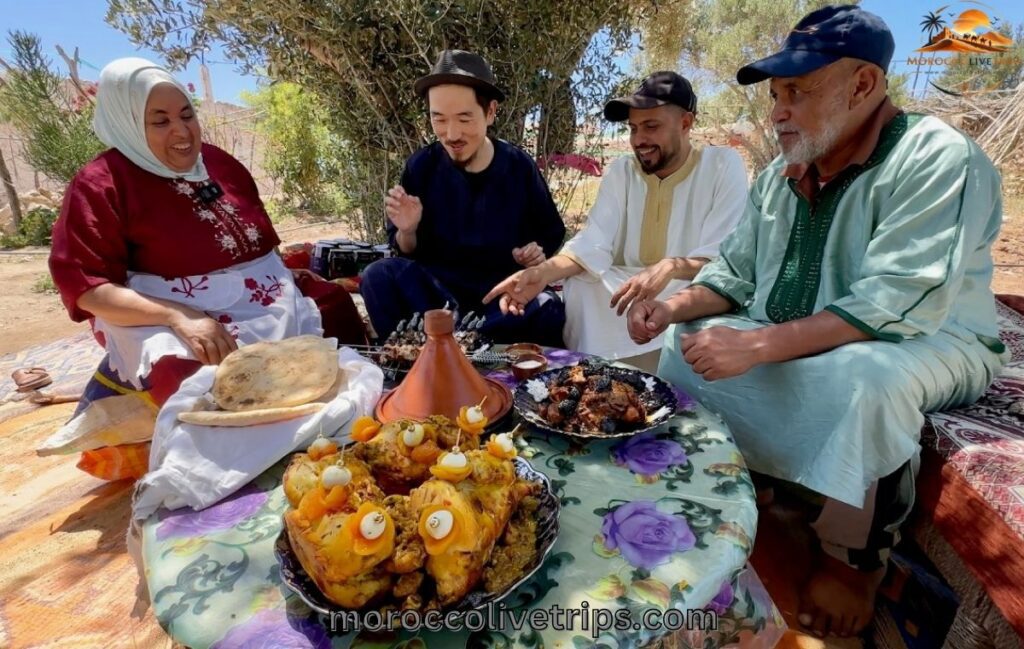
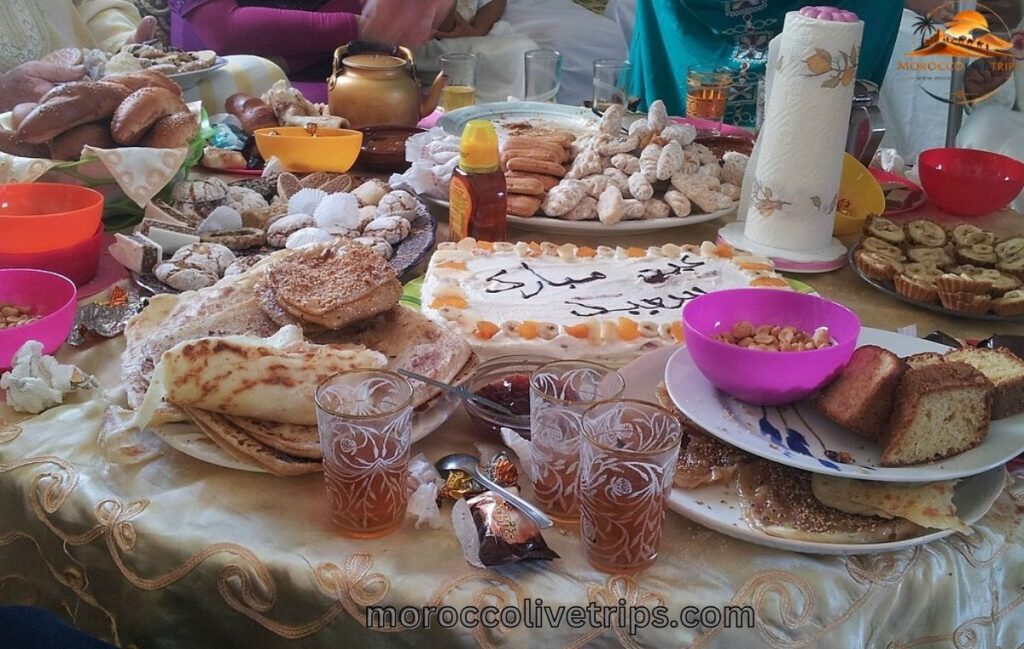
Ramadan evenings in Morocco are extraordinary -and this is the part travel articles rarely mention. At sunset -the moment of Iftar (breaking the fast) -Morocco transforms completely. Every family gathers. Harira soup, dates, chebakia pastries, and fresh juice appear on every table. The streets fill with people. Djemaa el-Fna in Marrakech and the medinas of Fes and Chefchaouen take on a warm, communal atmosphere unlike any other time of year. Street food appears everywhere. Prices drop. The genuine warmth of Moroccan hospitality is most visible during Ramadan evenings -when travelers are often invited to share Iftar with local families in moments of genuine human connection that no guidebook can manufacture.
City by City Ramadan Experience
Marrakech during Ramadan: Djemaa el-Fna becomes the greatest outdoor Iftar table on earth every evening -hundreds of food stalls, thousands of people breaking fast together, the atmosphere electric with relief and joy. Daytime medina is quieter than usual -good for photography and calm exploration.
Fes during Ramadan: The Fes el-Bali medina takes on a deeply spiritual atmosphere -mosque attendance increases dramatically, the call to prayer echoes with extra resonance, and the narrow medina streets fill with extraordinary Iftar food smells as sunset approaches. The Fes Festival of Sacred Music sometimes coincides with Ramadan -creating an extraordinary combination of spiritual music and holy month atmosphere.
Chefchaouen during Ramadan: The blue city slows significantly during the day -a genuinely peaceful and contemplative atmosphere in the mountain medina. Evenings bring the blue streets to life with local families sharing Iftar at outdoor tables.
Essaouira during Ramadan: The Atlantic breeze and relaxed bohemian atmosphere of Essaouira makes it one of Morocco’s most comfortable Ramadan destinations -daytime exploration is pleasant in the cool ocean air, evenings are warm and communal.
Our Honest Verdict -Should You Visit Morocco During Ramadan?
Yes -if you approach it with genuine respect and curiosity. Ramadan Morocco is a completely different country from regular Morocco -slower, more contemplative by day, extraordinarily warm and alive by night. Travelers who embrace the rhythm -slow mornings, atmospheric afternoons, extraordinary evenings -consistently rate Ramadan as their most memorable Morocco experience. Travelers who resist the changed schedule find it frustrating. The difference is entirely mindset. Our guides specifically adapt Ramadan itineraries to maximize the extraordinary evening atmosphere while managing daytime practicalities smoothly.
Eid al-Fitr 2026 Morocco -What Travelers Need to Know
Exact Dates & Duration
Eid al-Fitr 2026 falls on approximately March 20 to 22 -a 3 day public holiday marking the end of Ramadan. The exact start date depends on moon sighting and is confirmed 24 to 48 hours in advance. Eid al-Fitr is one of the most joyful celebrations in the Islamic calendar -families reunite, new clothes are worn, children receive gifts, and the entire country exhales with joy after 30 days of fasting.
What Closes and What Opens
Closed during Eid al-Fitr:
- Most local restaurants -families eat at home for 2 to 3 days
- Souk workshops and craft businesses -2 to 3 day closure
- Government offices and banks -full 3 day closure
- Some museums and historic sites -reduced hours or closure
Remains open:
- Major tourist restaurants and hotel dining rooms
- Convenience stores and some supermarkets
- Most riads and hotels -normal service
- Djemaa el-Fna square -festive atmosphere
Price Impact -Hotels and Tours During Eid
Accommodation prices increase 20 to 50% during Eid al-Fitr -particularly in Marrakech, Fes, and Chefchaouen where domestic Moroccan tourism surges as families travel during the holiday. Book accommodation at least 6 to 8 weeks in advance for any travel dates overlapping with Eid al-Fitr. Morocco Live Trips tour prices during Eid reflect increased accommodation costs -always contact us early for Eid period availability.
Eid al-Adha 2026 Morocco -The Festival of Sacrifice
Exact Dates & What to Expect
Eid al-Adha 2026 falls on approximately May 27 to 29 -70 days after Eid al-Fitr. This is the most significant Islamic holiday in the calendar -commemorating Ibrahim’s willingness to sacrifice his son. Every Moroccan family that can afford to does so sacrifices a sheep. This is not symbolic -it is a genuine and widespread practice throughout the country. Cities and towns smell of grilling meat for three days. Butchers work around the clock in the days before. Sheep are visible everywhere in the week leading up to Eid al-Adha.
How Eid al-Adha Affects Tourism in Morocco
Eid al-Adha creates the most significant tourism disruption of any Moroccan holiday. For 2 to 3 days -most local restaurants close as families eat at home, souks and workshops shut completely, public transport runs reduced schedules, and the normal rhythm of tourist Morocco essentially pauses. Tourist infrastructure -hotels, riads, and tourist restaurants -remains operational but with reduced staff and limited services. The streets in the days after the sacrifice can be confronting for travelers unprepared for the sights and smells of a country-wide religious slaughter celebration.
Is It a Good Time to Visit?
Honest answer -for most Western tourists, no. Eid al-Adha is the most challenging Moroccan holiday for international visitors -not because of any safety concern but because the country essentially closes for family celebration for 2 to 3 days and the experience of widespread animal sacrifice is genuinely confronting for many travelers. Exception: travelers specifically interested in experiencing Morocco’s most authentic and deeply rooted religious celebration -Eid al-Adha is raw, real, and unlike anything available elsewhere in the world. If that appeals -go with full awareness and genuine respect.
Amazigh New Year 2026 -Morocco’s Newest National Holiday
What Is Yennayer and Why It Matters
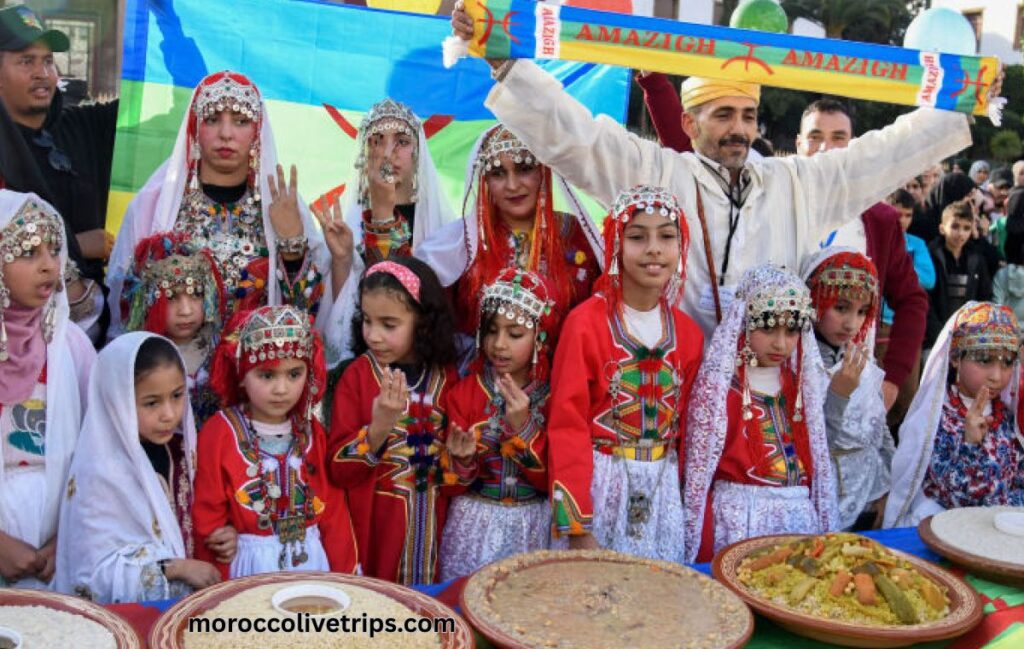
Yennayer -January 13 -is the Amazigh New Year marking the beginning of the Amazigh agricultural calendar year 2976. It was officially recognized as a paid national holiday in Morocco in 2024 -a historic acknowledgment of the Amazigh Berber people’s fundamental contribution to Moroccan culture, language, and identity. The Tifinagh script, Tamazight language, and Amazigh traditions that form the authentic foundation of Moroccan culture are celebrated openly and proudly on Yennayer.
How It Is Celebrated Across Morocco
Yennayer celebrations vary significantly by region -reflecting the diversity of Morocco’s Amazigh communities:
- High Atlas Mountains -traditional Amazigh music, community feasts of couscous and dried fruit, and village celebrations that have continued in the same form for centuries
- Souss Valley and Agadir region -Tashelhit speaking Amazigh communities celebrate with distinctive southern Moroccan music and traditional dress
- Rif Mountains -Tarifit speaking communities mark Yennayer with family gatherings and traditional northern Amazigh food
- Marrakech and major cities -cultural events, exhibitions, and concerts celebrating Amazigh heritage across Morocco’s urban centers
Why This Holiday Is Special for Travelers
Yennayer gives travelers in Morocco on January 13 access to one of the most authentic and least commercially mediated cultural celebrations in the country. Unlike the heavily touristed aspects of Moroccan culture -the snake charmers, the carpet shops, the guided medina tours -Yennayer celebrations are entirely genuine community events that welcome curious and respectful visitors warmly. Our guides in the Atlas Mountains specifically love taking travelers to Yennayer celebrations in Berber villages -the experience is unlike anything else available in Morocco at any other time of year.
Morocco National Holidays -History & Traveler Experience
Throne Day July 30 -Morocco’s Biggest National Celebration
Throne Day is Morocco’s most spectacular national holiday -celebrating King Mohammed VI’s accession to the throne on July 30, 1999. Every major Moroccan city hosts military parades, public concerts, and fireworks displays on the evening of July 30. Casablanca, Rabat, and Marrakech host the largest celebrations. The national pride and communal joy of Throne Day create one of Morocco’s most genuinely festive atmospheres -travelers present on July 30 consistently describe it as an unexpected highlight of their Morocco trip. Djemaa el-Fna on Throne Day evening is particularly extraordinary -the square fills with Moroccan families celebrating together, creating an atmosphere completely unlike the typical tourist experience.
Independence Day November 18
November 18 marks Morocco’s independence from French and Spanish protectorate rule -achieved on November 18, 1956 after decades of nationalist struggle led by figures including Mohammed V and the Istiqlal Party. National flags fly from every building. Schools, government offices, and banks close. The Mohammed V Mausoleum in Rabat -where Morocco’s independence king is buried -sees large commemorative gatherings. For travelers, Independence Day in November coincides with Morocco’s best travel weather -cool, clear, and perfectly comfortable for full-day medina exploration and Sahara Desert tours.
Green March Day November 6
November 6 commemorates the 1975 Green March -when King Hassan II led 350,000 unarmed Moroccan civilians into the Spanish Sahara to assert Moroccan territorial sovereignty over the Western Sahara. It is one of the most significant events in modern Moroccan history -representing the peaceful reclamation of territory that Moroccans consider an integral part of their nation. National commemorations across the country mark the day. Tourist attractions generally remain open. The week between Green March Day (November 6) and Independence Day (November 18) is one of Morocco’s most patriotically charged -and atmospherically rich -periods for travelers.
Revolution Day August 20
August 20 commemorates the 1953 French exile of King Mohammed V -the moment that galvanized Moroccan nationalist resistance and accelerated the independence movement. Mohammed V’s refusal to collaborate with French colonial authorities made him a national hero. His exile united Moroccans across class, region, and ethnicity in a way no previous event had achieved. The holiday is observed solemnly -less festive than Throne Day but equally significant in Moroccan national consciousness.
Morocco Festival Calendar 2026 -Beyond Public Holidays
Gnaoua World Music Festival -Essaouira (June)
The Gnaoua World Music Festival is one of Africa’s greatest music events -held annually in Essaouira every June, drawing over 500,000 visitors for four days of free outdoor concerts combining ancient Gnawa spiritual music with international jazz, blues, and world music artists. The festival transforms Essaouira’s UNESCO Atlantic ramparts and medina squares into extraordinary outdoor concert venues. Book Essaouira accommodation at least 3 to 4 months in advance for festival dates -the town fills completely. Morocco Live Trips specifically builds Essaouira festival itineraries for travelers who want to combine the Gnaoua Festival with Marrakech and a Sahara Desert tour in one seamless journey.
Rose Festival -Kelaat M’Gouna (May)
The Rose Festival in Kelaat M’Gouna in the Dades Valley celebrates the annual Damask rose harvest every May -transforming this small Berber town into one of Morocco’s most joyful and visually spectacular celebrations. Three days of parades, music, dancing, and the election of a Rose Queen coincide with the valley’s rose fields in full bloom -producing the rose water and rose oil essential to Moroccan cuisine and traditional medicine. The Rose Festival falls in May 2026 -just days before Eid al-Adha -making careful itinerary planning essential for travelers wanting to experience both.
Moussem Festivals -Authentic Local Celebrations
Moussem festivals are Morocco’s most deeply rooted local celebrations -annual pilgrimages and community gatherings honoring local saints and religious figures that combine spiritual devotion, traditional music, horse fantasia (tbourida), craft markets, and communal feasting. The most significant moussems include:
- Moussem of Moulay Idriss Zerhoun -near Meknes, September
- Moussem of Sidi Ahmed ou Moussa -Souss Valley, August
- Imilchil Marriage Festival -High Atlas, September
- Moussem of Tan Tan -southern Morocco, variable dates
These are not tourist events. They are genuine community celebrations that welcome respectful visitors -and represent the most authentic Moroccan cultural experience available at any time of year.
Date Festival -Erfoud (October)
The Erfoud Date Festival celebrates the Medjool and Deglet Nour date harvest in Morocco’s southeastern Tafilalt region every October -filling the town with date traders, Amazigh music, camel races, and the extraordinary aroma of fresh dates being processed for sale and export. The festival coincides with perfect Sahara Desert weather in October -making it an ideal addition to any autumn Morocco itinerary combining Erg Chebbi dunes, Merzouga, and the Draa Valley palm groves.
Best and Worst Morocco Holidays for Travelers
Best Holidays to Visit Morocco During
| Holiday | Date | Why It’s Great |
| Throne Day | July 30 | Spectacular national celebrations everywhere |
| Ramadan evenings | Feb 17 -Mar 19 | Most authentic Morocco experience |
| Mawlid | August 25 | Extraordinary Sufi music and processions |
| Yennayer | January 13 | Genuine Amazigh cultural celebrations |
| Independence Day | November 18 | Best travel weather plus patriotic atmosphere |
Holidays to Plan Carefully Around
| Holiday | Date | Why Careful Planning Needed |
| Eid al-Adha | May 27 | Widespread closures, confronting for some |
| Eid al-Fitr | March 20 | Price spikes, accommodation shortage |
| Ramadan daytime | Feb 17 -Mar 19 | Restaurant closures, slower pace |
Our Local Verdict -Month by Month
| Month | Reason |
| January | Good weather, Yennayer celebrations |
| February | Ramadan begins -plan carefully |
| March | Ramadan ends, Eid al-Fitr -book early |
| April | Perfect weather, post-Eid calm |
| May | Rose Festival, Labour Day, Eid al-Adha |
| June | Gnaoua Festival, Islamic New Year |
| July | Hot inland, Throne Day celebrations |
| August | Very hot, Four holidays |
| October | Best overall month, Date Festival |
| November | Perfect weather, two national holidays |
| December | Cool, quiet, excellent value |
City by City Holiday Impact Guide
Marrakech During Public Holidays
Marrakech is Morocco’s most holiday-resilient city for tourists -its large tourist infrastructure means hotels, restaurants, and major attractions continue operating even during significant Islamic holidays. Djemaa el-Fna never truly closes -it transforms during holidays into something more festive and more Moroccan than its everyday self. Throne Day July 30 is spectacular in Marrakech -the square hosts concerts and celebrations visible from every rooftop terrace. Ramadan evenings at Djemaa el-Fna are the greatest outdoor Iftar experience in Morocco.
Fes During Public Holidays
Fes is Morocco’s most authentically affected city during Islamic holidays -its deeply religious character means Ramadan, Eid al-Fitr, and Eid al-Adha are observed with particular sincerity throughout the Fes el-Bali medina. The tanneries and craft workshops close for Eid celebrations -plan medina visits for the days before or after Eid rather than during. Mawlid in Fes is extraordinary -the city’s Sufi brotherhoods hold processions and music gatherings throughout the medina that represent one of Morocco’s most profound and least touristed religious experiences.
Chefchaouen During Public Holidays
Chefchaouen is Morocco’s most relaxed holiday destination -its small size and calm mountain atmosphere mean public holidays create atmosphere rather than disruption. Ramadan in Chefchaouen is particularly peaceful -the blue medina slows to a contemplative quiet by day and fills with warm family Iftar gatherings by evening. Throne Day brings Moroccan families to Chefchaouen for holiday breaks -the town fills with domestic tourists and the atmosphere is joyfully communal.
Essaouira During Gnaoua Festival
Essaouira during the Gnaoua World Music Festival (June) is one of Morocco’s greatest travel experiences -and one of Africa’s most exciting music events. The UNESCO Atlantic ramparts become outdoor concert stages. The medina fills with musicians from across the world. 500,000 visitors attend over four days -making advance accommodation booking absolutely essential. Morocco Live Trips builds specific Gnaoua Festival tour packages combining Essaouira festival attendance with Marrakech, the Atlas Mountains, and Sahara Desert in one complete Morocco journey.
Book Your Morocco Tour Around the 2026 Holiday Calendar
Why Book in Advance for Holiday Periods
Three specific reasons early booking saves money and guarantees the best experience:
1 -Accommodation availability. The best riads in Marrakech medina, Fes el-Bali, and Chefchaouen book out completely during Eid periods, Throne Day, and the Gnaoua Festival -sometimes 3 to 4 months in advance. Last minute bookings during these periods either find nothing available or pay 50 to 100% premium prices.
2 -Guide and driver availability. Our best licensed guides are reserved weeks in advance during peak holiday travel periods. Travelers who book late get less experienced guides or no guide at all during the busiest Morocco travel periods.
3 -Tour price protection. Morocco Live Trips locks in your tour price at booking -protecting you completely from the accommodation and transport price spikes that occur during major holiday periods.
Our Most Popular Morocco Holiday Tours
| Tour | Duration | Best For | Price Per Person |
| Classic Morocco Grand Tour | 10 days | First time visitors | From $900 |
| Ramadan Special Morocco Tour | 7 days | Cultural immersion seekers | From $700 |
| Gnaoua Festival + Morocco Tour | 10 days | Music and culture lovers | From $950 |
| Autumn Morocco Tour (Oct-Nov) | 10 days | Best weather travelers | From $900 |
| Custom Holiday Period Tour | Flexible | Any traveler type | Contact us |
Frequently Asked Questions
What are the public holidays in Morocco 2026?
Morocco has 13 public holidays in 2026 -including New Year’s Day (January 1), Amazigh New Year (January 13), Eid al-Fitr (approximately March 20), Labour Day (May 1), Eid al-Adha (approximately May 27), Islamic New Year (June 16), Throne Day (July 30), Revolution Day (August 20), Mawlid (approximately August 25), Green March Day (November 6), and Independence Day (November 18).
When is Ramadan 2026 in Morocco?
Ramadan 2026 in Morocco ran from approximately February 17 to March 19 -29 to 30 days depending on moon sighting. Eid al-Fitr marking the end of Ramadan fell on approximately March 20, 2026. During Ramadan, local restaurants close during daylight hours but tourist restaurants and hotel dining rooms remain open for non-fasting guests.
When is Eid al-Fitr 2026 in Morocco?
Eid al-Fitr 2026 in Morocco falls on approximately March 20 -a 3 day public holiday marking the end of Ramadan. The exact date depends on moon sighting confirmed 24 to 48 hours in advance. Accommodation prices increase 20 to 50% during Eid al-Fitr -always book well in advance for travel dates overlapping with this holiday.
When is Eid al-Adha 2026 in Morocco?
Eid al-Adha 2026 in Morocco falls on approximately May 27 -Morocco’s most significant Islamic holiday involving the ritual sacrifice of sheep. Most local restaurants and souk workshops close for 2 to 3 days. Tourist hotels and restaurants remain open. Book accommodation and tours well in advance for travel around this date.
Is it good to visit Morocco during Ramadan?
Yes -if approached with respect and curiosity. Ramadan daytime Morocco is quieter with changed restaurant hours. Ramadan evenings are extraordinary -Iftar at Djemaa el-Fna in Marrakech is one of the greatest outdoor dining experiences in the world. Travelers who embrace Ramadan’s rhythm consistently rate it as their most memorable Morocco experience.
What is Throne Day in Morocco?
Throne Day on July 30 commemorates King Mohammed VI’s accession to the throne in 1999. It is Morocco’s biggest national holiday -celebrated with military parades, public concerts, and fireworks in every major city. Marrakech, Casablanca, and Rabat host the most spectacular Throne Day events. One of the best national holidays for travelers to experience in Morocco.
What is Yennayer in Morocco?
Yennayer is the Amazigh New Year -celebrated on January 13 and officially recognized as a Moroccan national holiday since 2024. It marks the beginning of the Amazigh agricultural calendar year and celebrates Morocco’s indigenous Amazigh Berber heritage through traditional food, music, and community gatherings -particularly in Atlas Mountain villages and Souss Valley communities.
What is the best month to visit Morocco in 2026?
October and November are the best months to visit Morocco in 2026 -combining perfect temperatures (18°C to 26°C), excellent photography light, smaller crowds than spring, and the rich atmosphere of Independence Day (November 18) and the Erfoud Date Festival (October). April and May are equally excellent for spring travelers -avoiding the post-Eid al-Adha period in late May.
Final Verdict -The Best Time to Visit Morocco in 2026
The best time to visit Morocco in 2026 depends entirely on what you want -April and October for perfect weather, Ramadan evenings and Throne Day for the most authentic cultural immersion, January and December for best value, May for the Rose Festival, June for Gnaoua. But here is what every single month shares -the Sahara Desert still rises 150 meters above the desert floor at Erg Chebbi, Fes el-Bali still has 9,000 streets unchanged since the medieval period, the blue streets of Chefchaouen still photograph beautifully in every season, and Morocco Live Trips guides are still on the ground ready to show you the Morocco that most travelers never find.
Visit moroccolivetrips.com today -tell us your travel dates and we build your perfect Morocco itinerary around the 2026 holiday calendar.
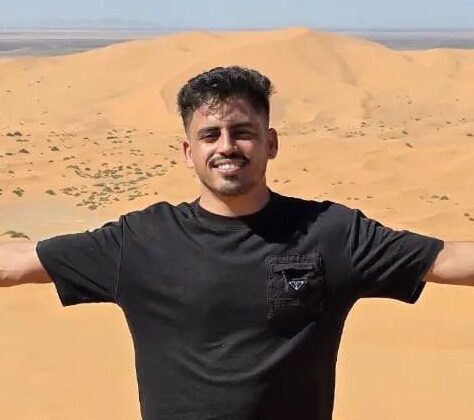
Moha BN is a Moroccan-born licensed tour guide with 10+ years of experience organizing cultural tours, Sahara Desert trips, and private itineraries across Morocco. He shares local travel insights, safety advice, and budget tips through Morocco Live Trips.