Moroccan Hammam: The Ultimate Guide to Morocco’s Traditional Bath Experience
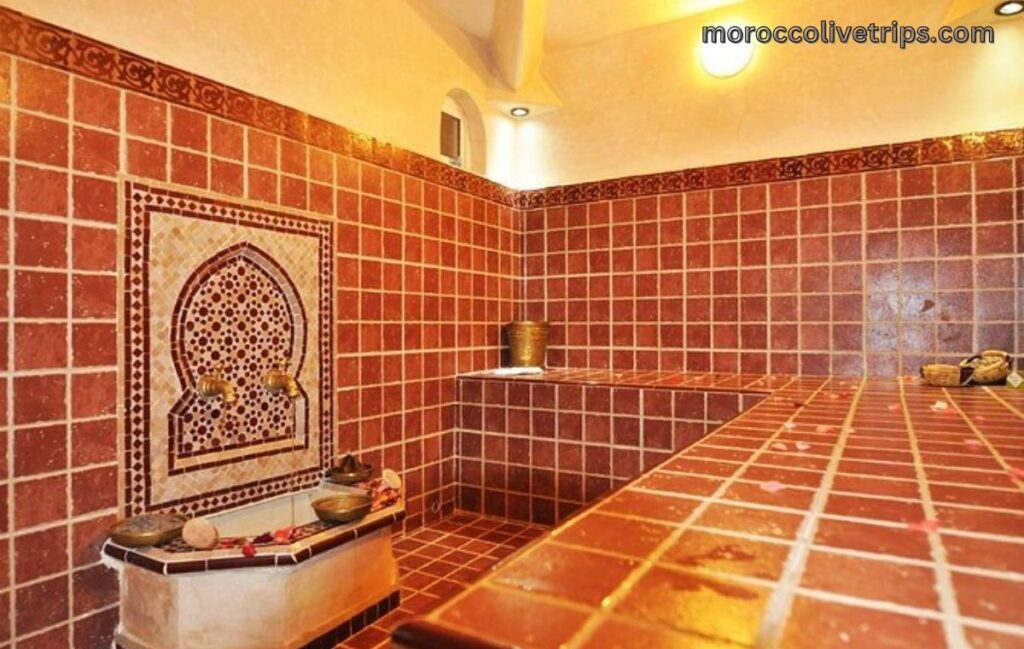
You walk through a carved cedar door into a world of warmth, steam, and silence. A few minutes later, someone is scrubbing years of dead skin off your body with a rough black glove, and you are wondering why you have never done this before. That is the Moroccan hammam – and it is unlike anything you have experienced at a Western spa. The hammam is not just a bath. It is one of Morocco’s oldest living traditions – a weekly ritual of cleansing, community, and self-care practiced by Moroccans of every background for over a thousand years. For travelers visiting Morocco, experiencing an authentic Moroccan hammam is consistently rated as one of the most memorable and culturally meaningful moments of any trip. Morocco Live Trips has guided hundreds of international visitors through their first hammam experience. In this complete 2026 guide, we walk you through everything: the history, the ritual step by step, what to wear, how much to pay, the best cities to visit, and exactly how to book the right experience for your trip. What Is a Moroccan Hammam? A Moroccan hammam is a traditional steam bathhouse where a full-body cleansing ritual takes place using heat, natural black soap, and physical exfoliation. Unlike a Western sauna or day spa, the hammam is not simply about relaxation – it is a structured ritual with cultural, social, and spiritual significance deeply rooted in Moroccan and Islamic tradition. The word hammam comes from the Arabic root meaning “to heat.” Every town and neighborhood in Morocco has at least one public hammam. In major cities like Marrakech and Fes, there are hundreds – some centuries old, hidden behind unmarked doors in the medina’s narrow alleys. The History of Moroccan Hammams The hammam tradition arrived in Morocco with the Arab conquests of the 7th century, drawing on Roman and Byzantine bathhouse culture and blending it with Islamic cleanliness rituals. Under Islamic law, ritual purity – known as taharah – is required before prayer. The hammam became the community’s answer to that spiritual need, long before running water reached private homes. Morocco’s oldest surviving hammams date back to the Marinid dynasty of the 13th and 14th centuries. The hammams of Fes Medina, the world’s oldest continuously inhabited medieval city, include structures built during this era – some still operating today with their original clay-fired heating systems running beneath the marble floors. For centuries, the hammam was where Moroccan society came together across class lines. Brides were prepared for their wedding nights in hammams. Business deals were made there. Friendships were formed. News was shared. The hammam was, in many ways, the social heart of Moroccan life. Why Hammams Are Central to Moroccan Culture? The hammam sits at the intersection of faith, beauty, and community in Morocco. Visiting the hammam at least once a week is considered a social norm and a mark of self-respect across all generations. Moroccan mothers bring their young children to the hammam. Elderly women maintain lifelong friendships forged in hammam steam rooms. Berber beauty rituals passed down through generations center on hammam ingredients: beldi soap made from olives, rhassoul clay from the Atlas Mountains, and argan oil from Morocco’s southwestern forests. These are not marketing terms – they are the actual products Moroccan women have used for personal care since long before the concept of the spa industry existed. For travelers, entering a traditional hammam means entering a living piece of Moroccan heritage. It is one of the few tourism experiences that connects you directly to how Moroccan families actually live, rather than a version staged for visitors. Traditional vs Luxury Moroccan Hammams There are two distinctly different hammam experiences available to tourists in Morocco – and choosing the right one depends on what you are looking for. Public Local Hammams Public hammams – known as hammam beldi or hammam sha’bi – are the neighborhood bathhouses used by local Moroccan families. They charge a fraction of tourist prices, typically between 15 and 30 Moroccan dirhams for entry, with black soap and kessa scrub services available for a few dirhams more. These hammams are gender-segregated, with separate sections or operating hours for men and women. The environment is basic – tiled rooms, marble slabs, communal washing areas, and a consistent heat that opens every pore in your body within minutes. Staff communicate in Arabic or Darija, and very little English is spoken. The experience is raw, authentic, and transformative. You are not a tourist here – you are a participant in something Moroccans do every week of their lives. Many seasoned travelers describe a public hammam as one of the most human, humbling, and memorable experiences of their time in Morocco. Private Tourist Hammam Experiences Private and luxury hammams are specifically designed for tourists and are often located in riads, boutique hotels, and dedicated spa facilities in Morocco’s major cities. They offer a fully guided experience in English, private rooms or semi-private booths, premium products, and add-on treatments like argan oil massage, facial rhassoul clay masks, and full-body Moroccan spa packages. Prices range from 200 to 800 dirhams for a full treatment, depending on the city and the facility. These hammams are a genuinely excellent experience – clean, comfortable, unhurried, and professionally run. The therapists are trained and accustomed to working with first-time visitors from the UK, US, and Europe. Which Option Is Best for First-Time Visitors? If you are comfortable with minimal facilities and basic communication barriers, a public local hammam delivers an irreplaceable cultural experience that no amount of money can replicate in a luxury spa setting. Go with someone who knows the ropes – a local guide or a friend who has been before. If you want a guided, comfortable, fully explained introduction to the hammam ritual – especially if you are traveling as a couple, with a family, or as a solo female traveler who prefers a private environment – a private tourist hammam is the right call. Many Morocco Live Trips tour packages include