You walk through a carved cedar door into a world of warmth, steam, and silence. A few minutes later, someone is scrubbing years of dead skin off your body with a rough black glove, and you are wondering why you have never done this before. That is the Moroccan hammam – and it is unlike anything you have experienced at a Western spa.
The hammam is not just a bath. It is one of Morocco’s oldest living traditions – a weekly ritual of cleansing, community, and self-care practiced by Moroccans of every background for over a thousand years. For travelers visiting Morocco, experiencing an authentic Moroccan hammam is consistently rated as one of the most memorable and culturally meaningful moments of any trip.
Morocco Live Trips has guided hundreds of international visitors through their first hammam experience. In this complete 2026 guide, we walk you through everything: the history, the ritual step by step, what to wear, how much to pay, the best cities to visit, and exactly how to book the right experience for your trip.
What Is a Moroccan Hammam?
A Moroccan hammam is a traditional steam bathhouse where a full-body cleansing ritual takes place using heat, natural black soap, and physical exfoliation. Unlike a Western sauna or day spa, the hammam is not simply about relaxation – it is a structured ritual with cultural, social, and spiritual significance deeply rooted in Moroccan and Islamic tradition.
The word hammam comes from the Arabic root meaning “to heat.” Every town and neighborhood in Morocco has at least one public hammam. In major cities like Marrakech and Fes, there are hundreds – some centuries old, hidden behind unmarked doors in the medina’s narrow alleys.
The History of Moroccan Hammams
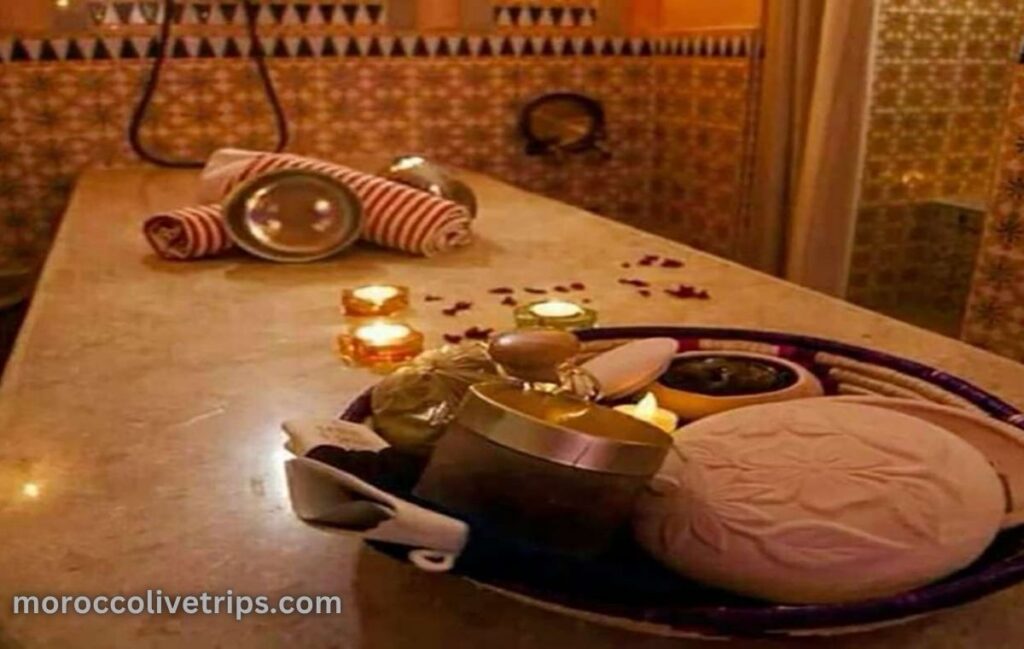
The hammam tradition arrived in Morocco with the Arab conquests of the 7th century, drawing on Roman and Byzantine bathhouse culture and blending it with Islamic cleanliness rituals. Under Islamic law, ritual purity – known as taharah – is required before prayer. The hammam became the community’s answer to that spiritual need, long before running water reached private homes.
Morocco’s oldest surviving hammams date back to the Marinid dynasty of the 13th and 14th centuries. The hammams of Fes Medina, the world’s oldest continuously inhabited medieval city, include structures built during this era – some still operating today with their original clay-fired heating systems running beneath the marble floors.
For centuries, the hammam was where Moroccan society came together across class lines. Brides were prepared for their wedding nights in hammams. Business deals were made there. Friendships were formed. News was shared. The hammam was, in many ways, the social heart of Moroccan life.
Why Hammams Are Central to Moroccan Culture?
The hammam sits at the intersection of faith, beauty, and community in Morocco. Visiting the hammam at least once a week is considered a social norm and a mark of self-respect across all generations. Moroccan mothers bring their young children to the hammam. Elderly women maintain lifelong friendships forged in hammam steam rooms.
Berber beauty rituals passed down through generations center on hammam ingredients: beldi soap made from olives, rhassoul clay from the Atlas Mountains, and argan oil from Morocco’s southwestern forests. These are not marketing terms – they are the actual products Moroccan women have used for personal care since long before the concept of the spa industry existed.
For travelers, entering a traditional hammam means entering a living piece of Moroccan heritage. It is one of the few tourism experiences that connects you directly to how Moroccan families actually live, rather than a version staged for visitors.
Traditional vs Luxury Moroccan Hammams
There are two distinctly different hammam experiences available to tourists in Morocco – and choosing the right one depends on what you are looking for.
Public Local Hammams
Public hammams – known as hammam beldi or hammam sha’bi – are the neighborhood bathhouses used by local Moroccan families. They charge a fraction of tourist prices, typically between 15 and 30 Moroccan dirhams for entry, with black soap and kessa scrub services available for a few dirhams more.
These hammams are gender-segregated, with separate sections or operating hours for men and women. The environment is basic – tiled rooms, marble slabs, communal washing areas, and a consistent heat that opens every pore in your body within minutes. Staff communicate in Arabic or Darija, and very little English is spoken.
The experience is raw, authentic, and transformative. You are not a tourist here – you are a participant in something Moroccans do every week of their lives. Many seasoned travelers describe a public hammam as one of the most human, humbling, and memorable experiences of their time in Morocco.
Private Tourist Hammam Experiences
Private and luxury hammams are specifically designed for tourists and are often located in riads, boutique hotels, and dedicated spa facilities in Morocco’s major cities. They offer a fully guided experience in English, private rooms or semi-private booths, premium products, and add-on treatments like argan oil massage, facial rhassoul clay masks, and full-body Moroccan spa packages.
Prices range from 200 to 800 dirhams for a full treatment, depending on the city and the facility. These hammams are a genuinely excellent experience – clean, comfortable, unhurried, and professionally run. The therapists are trained and accustomed to working with first-time visitors from the UK, US, and Europe.
Which Option Is Best for First-Time Visitors?
If you are comfortable with minimal facilities and basic communication barriers, a public local hammam delivers an irreplaceable cultural experience that no amount of money can replicate in a luxury spa setting. Go with someone who knows the ropes – a local guide or a friend who has been before.
If you want a guided, comfortable, fully explained introduction to the hammam ritual – especially if you are traveling as a couple, with a family, or as a solo female traveler who prefers a private environment – a private tourist hammam is the right call. Many Morocco Live Trips tour packages include a private hammam session as a dedicated cultural experience, exactly for this reason.
What Happens During a Moroccan Hammam Session?
A traditional Moroccan hammam session follows a specific sequence that has remained largely unchanged for centuries. Here is exactly what to expect, step by step.
Step 1: The Steam Room
You enter the steam room – a warm, tiled chamber heated from below by a wood-fired furnace called a qbou. The heat is moist and enveloping, typically between 40 and 55 degrees Celsius. You sit or lie on the warm marble slab and allow the steam to penetrate your skin, opening your pores and relaxing your muscles.
In a traditional hammam, there are usually two or three rooms at progressively higher temperatures – a cool room, a warm room, and the hottest inner room. You spend time in each, working your way deeper into the heat. This stage typically lasts 10 to 20 minutes.
Step 2: Beldi Soap Cleansing Ritual
Beldi soap – also called savon beldi or Moroccan black soap – is applied generously across your entire body. Despite being called black soap, it ranges in color from dark olive green to deep brown. It is made from fermented olives and olive oil, and has a gel-like texture quite different from conventional bar soap.
The soap is left on your skin for 5 to 10 minutes while you remain in the heat. During this time it softens and lifts the dead skin cells that will be removed in the next stage. Beldi soap is naturally rich in vitamin E and oleic acid – the same qualities that have made it a cornerstone of Moroccan skincare traditions for generations.
Step 3: Exfoliation With a Kessa Glove
The kessa glove is a coarse exfoliating mitt made from a textured synthetic or natural fiber – and it is the signature tool of the Moroccan hammam experience. A hammam attendant works across every part of your body with firm, rhythmic strokes, removing the beldi soap along with the accumulated dead skin underneath.
What you see in this moment – rolls of grey and brown dead skin coming away from your body – will both fascinate and slightly horrify you. Most first-time visitors cannot believe how much accumulated skin is removed in a single session. Your skin beneath feels entirely new: smooth, soft, and noticeably brighter in color.
This traditional body exfoliation is not a gentle scrub. It is a thorough, efficient, professional removal of dead skin that leaves you feeling lighter and cleaner than any shower has made you feel. First-time visitors consistently describe it as one of the most physically satisfying experiences of their entire trip.
Step 4: Rhassoul Clay and Argan Oil Treatments
In more complete hammam experiences – and in most tourist and luxury hammams – additional treatments follow the kessa scrub. Rhassoul clay is a mineral-rich volcanic clay extracted from deposits in Morocco’s Atlas Mountains. Applied as a thick paste across the body and face, it draws out impurities, tightens pores, and leaves skin with a distinctive softness.
The session often concludes with an argan oil massage – a deeply relaxing treatment using Morocco’s famous “liquid gold,” cold-pressed from the fruit of the argan tree grown in the Souss-Massa region. Argan oil is intensely moisturizing and quickly absorbed, making it the perfect final step after the deep cleansing of the hammam ritual.
In a full luxury hammam package, the entire sequence from steam room to argan oil massage takes 60 to 90 minutes. Public hammam visits are typically shorter – 30 to 45 minutes – and focus primarily on the steam, soap, and kessa stages.
Moroccan Hammam Etiquette for First-Time Visitors
Walking into a hammam without knowing the basic customs can feel intimidating. Here is what you actually need to know before your first visit.
What to Wear
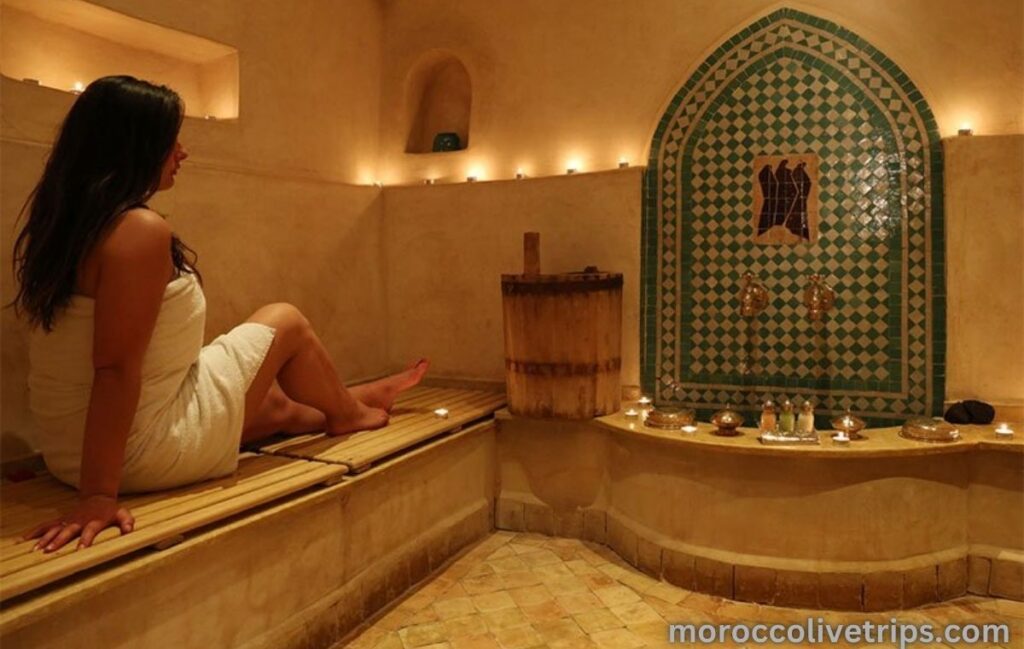
In a public hammam, Moroccan men typically wear underwear or swimming trunks. Moroccan women wear underwear only – full swimwear is unusual in traditional local hammams. For tourists, wearing a swimsuit or swimming trunks is completely acceptable and widely understood in both public and tourist hammams.
In a private tourist hammam, disposable underwear is often provided. Always check what your specific hammam offers when you book. Bring flip-flops – hammam floors are wet and shared, and wearing something on your feet is strongly recommended.
>> Learn More About Wearing in Morocco
What to Bring
For a public hammam, bring your own towel, flip-flops, a change of clothes, and optionally your own beldi soap and kessa glove (sold cheaply in any Moroccan souk). For a private tourist hammam, virtually everything is provided – confirm when booking.
Tipping Etiquette
Tipping hammam attendants is standard and expected. In a public hammam, tipping 10 to 20 dirhams per attendant is appropriate. In a luxury or tourist hammam, tipping 10 to 15 percent of the treatment cost is the norm. Tips are always given in cash and handed directly to the attendant.
Rules for Men and Women
All Moroccan hammams are strictly gender-segregated. Public hammams either have entirely separate male and female sections, or operate on different hours – for example, women during the day and men in the evening. Tourist and luxury hammams typically offer private rooms or clearly defined booking slots for different genders. There are no mixed-gender hammams in traditional Moroccan culture.
Important Cultural Guidelines
Speak quietly inside the hammam – it is not a place for loud conversation. Respect the personal space of other bathers. Photography inside a hammam is never appropriate. If you visit a public local hammam, observe what other guests are doing and follow their lead. The hammam is a space of intimacy and respect – approach it accordingly.
Best Cities to Experience an Authentic Moroccan Hammam
Moroccan Hammam in Marrakech
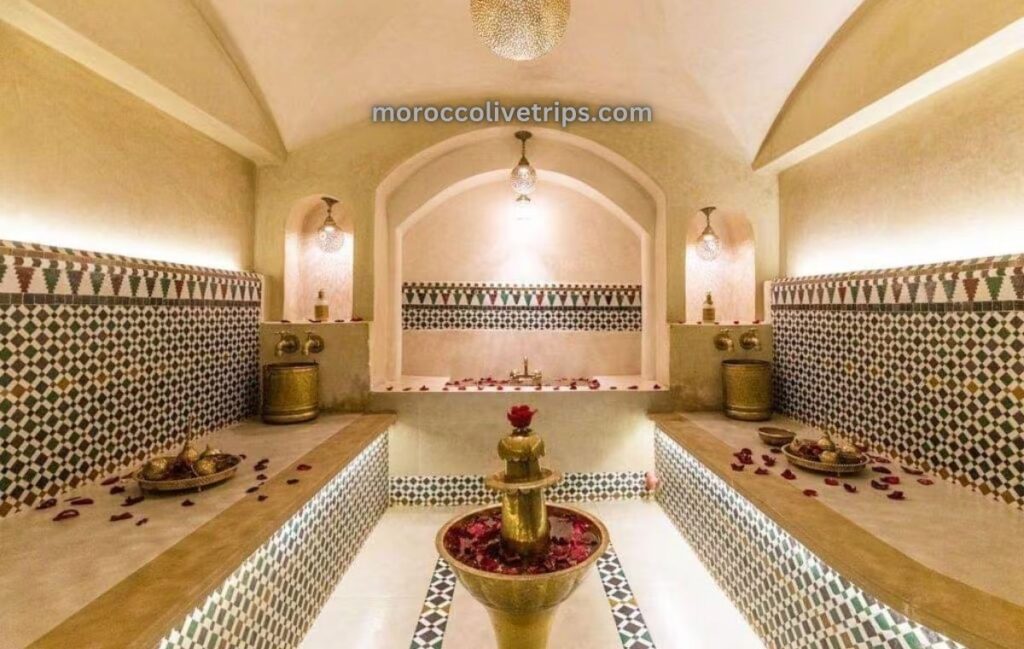
Marrakech is the hammam capital of tourist Morocco. The city offers the full spectrum – from genuine neighborhood hammams tucked inside Marrakech Medina to world-class luxury spa hammams in stunning riad settings with mosaic-tiled interiors and private treatment rooms.
Some of Marrakech’s most highly regarded hammams for tourists include Hammam de la Rose, Les Bains de Marrakech, and the hammam facilities within the city’s top riads. Morocco Live Trips can arrange a private hammam session in Marrakech as part of any of our city tours or multi-day Morocco itineraries.
Traditional Hammam in Fes
Fes offers what many consider the most authentic traditional hammam experience in Morocco. The Fes el-Bali medina contains some of the oldest functioning hammams in the world, operating in buildings that date back to the Marinid era. The environment is deeply, uncompromisingly traditional.
The hammams of the Fes Medina are primarily local neighborhood bathhouses – used by Fassi families every week, exactly as they have been for centuries. For travelers who want to step as far outside the tourist bubble as possible, a guided visit to a traditional Fes hammam is one of the most remarkable cultural experiences in Morocco.
Luxury Spa Hammams in Casablanca
Casablanca offers a different flavour of hammam experience – modern, metropolitan, and often exceptionally well-appointed. The city’s luxury hotels and independent spa facilities provide hammam experiences that blend traditional Moroccan ritual with contemporary spa design and international service standards.
Casablanca is the right choice for travelers who want a premium, fully English-guided hammam and spa experience in a polished, modern setting while visiting Morocco’s commercial capital.
Relaxing Hammam Experiences in Chefchaouen and Agadir
The Blue City of Chefchaouen has several small, charming hammams that suit its laid-back artistic atmosphere perfectly. The experience here is intimate and unhurried – ideal for solo travelers and couples who want a genuinely local encounter without the bustle of a major city hammam.
Agadir‘s beach resort setting means its hammam scene skews toward luxury hotel spa facilities – a great fit for travelers combining a Moroccan hammam experience with a beach holiday on Morocco’s Atlantic coast
How Much Does a Moroccan Hammam Cost?
Public Hammam Prices
A traditional public hammam visit costs between 15 and 30 Moroccan dirhams for entry – roughly £1.20 to £2.50. Beldi soap costs around 5 to 10 dirhams extra. A kessa scrub from an attendant typically costs between 20 and 40 dirhams. A complete public hammam experience including all services costs most tourists under 100 dirhams – less than £9.
Luxury Spa Hammam Costs
Luxury and private tourist hammam packages in Marrakech, Casablanca, and Agadir range from around 200 to 800 dirhams (£16 to £65) for a full treatment – steam, beldi soap application, kessa scrub, rhassoul clay mask, and argan oil massage. Some premium riad hammam packages exceed 1,000 dirhams when private rooms and extended treatments are included.
Private Hammam Packages for Tourists
Morocco Live Trips offers Moroccan hammam experiences included within Morocco tour packages, removing the need to negotiate, navigate, or find a reputable facility independently. Ask us about which of our Morocco tours and city experiences include a hammam session as part of the itinerary.
>>Complete Morocco Budget guide is here…
Is a Moroccan Hammam Worth It?
Benefits for Your Skin and Health
The physical benefits of a proper Moroccan hammam are real and well-documented. Deep exfoliation with the kessa glove removes accumulated dead skin cells that conventional bathing leaves behind, visibly improving skin texture and tone in a single session. The beldi soap’s olive oil base nourishes and hydrates skin during the cleansing process. Rhassoul clay draws out impurities and mineral deposits from pores. Argan oil locks in moisture and supports skin barrier health.
Steam bath therapy improves blood circulation, relaxes muscle tension, and promotes the kind of deep relaxation that reduces cortisol levels measurably. Regular hammam visits are associated in Moroccan culture – and increasingly in wellness research – with sustained skin health and stress reduction.
Cultural Experiences You Should Not Miss
Beyond the physical, a hammam visit connects you to a living tradition that has been part of Moroccan life for over a thousand years. You participate in something that a Moroccan grandmother, a university student, a street vendor, and a government minister all do with equal regularity. That kind of cultural commonality is rare in travel.
The hammam is also one of the few spaces in Morocco where the usual social dynamics of tourist and local dissolve almost completely. In the steam and the heat, with the same soap on everyone’s skin, the distinctions that usually define a traveler’s experience of a foreign country simply disappear.
Why Every Tourist Should Try a Moroccan Hammam
The most common feedback Morocco Live Trips receives from guests after their first hammam? “Why did I wait until the last day?” Book your hammam early in your Morocco trip. Your skin will be better for the entire visit. Your understanding of Moroccan culture will be deeper. And you will spend the rest of your trip wondering how to replicate the feeling at home – which, honestly, you cannot.
Experience an Authentic Moroccan Hammam With Morocco Live Trips
At Morocco Live Trips, we are a licensed local tour company based in Morocco – not a foreign travel agent with secondhand knowledge. Our team visits Morocco’s hammams every week. We know which public hammams in Marrakech welcome first-time visitors warmly. We know which luxury riad hammam packages genuinely deliver on their promise. We know exactly how to prepare you for your first hammam so that the only surprise is how extraordinary it feels.
Whether you want an immersive authentic hammam inside Fes Medina, a premium spa hammam in a luxury Marrakech riad, or a traditional Moroccan wellness experience included in a full Morocco tour package – we handle every detail, in your language, from a team with real local expertise.
Contact Morocco Live Trips today via our website or WhatsApp at +212 601 339154 to include a traditional Moroccan hammam experience in your Morocco trip. We are here seven days a week and respond to every inquiry personally.
Frequently Asked Questions About Moroccan Hammams
What is a Moroccan hammam?
A Moroccan hammam is a traditional steam bathhouse where a full-body cleansing ritual takes place using steam heat, black olive soap (beldi soap), and physical exfoliation with a coarse kessa glove. It is a thousand-year-old tradition at the heart of Moroccan culture, practiced weekly by Moroccans of all backgrounds.
How does a Moroccan hammam work?
You enter a steam room to open your pores, then beldi soap is applied and left to soften your skin, followed by full-body scrubbing with a kessa glove to remove dead skin. Optional additional stages include rhassoul clay treatment and an argan oil massage. The full ritual takes 45 to 90 minutes depending on the experience level chosen.
What should I wear in a Moroccan hammam?
In a public hammam, men wear underwear or swimming trunks; women wear underwear only or a swimsuit. In tourist and luxury hammams, a swimsuit is standard and disposable underwear is often provided. Always bring flip-flops for the wet floors.
Can tourists visit Moroccan hammams?
Yes. Both public local hammams and private tourist hammams welcome international visitors. Public hammams require basic preparation and ideally some local guidance for a first visit. Private tourist hammams are specifically designed for first-time visitors and provide a fully guided, English-language experience.
Are Moroccan hammams mixed gender?
No. All traditional Moroccan hammams are strictly gender-segregated, either with entirely separate sections or separate operating hours for men and women. This is a cultural and religious norm in Morocco, maintained across all types of hammams.
How much does a Moroccan hammam cost?
A public traditional hammam costs under 100 dirhams (under £9) for a complete visit including entry, soap, and kessa scrub. Private tourist hammam packages range from 200 to 800 dirhams (£16 to £65). Luxury riad hammam experiences can exceed 1,000 dirhams with premium treatments included.
What is black soap used for in a Moroccan hammam?
Beldi soap (Moroccan black soap) is applied to the body after the steam room stage. Made from fermented olives and olive oil, it softens and lifts dead skin cells, preparing the skin for removal with the kessa glove. It also nourishes and hydrates the skin deeply during the cleansing process.
How long does a Moroccan hammam session last?
A public local hammam visit typically takes 30 to 45 minutes. A full private or luxury hammam experience including rhassoul clay and argan oil massage takes 60 to 90 minutes. Some extended luxury packages run up to two hours.
Is a Moroccan hammam worth it?
Without question – yes. A Moroccan hammam is simultaneously one of the best things you can do for your skin and one of the most authentic cultural experiences available during any Morocco trip. Experienced Morocco travelers consistently rate it among their most memorable travel experiences worldwide.
Do I need to book a Moroccan hammam in advance?
Public local hammams do not require booking – you simply visit during operating hours. Private tourist and luxury hammams should be booked in advance, particularly during busy travel seasons. Morocco Live Trips handles all hammam bookings for guests as part of our tour packages and individual experience arrangements.
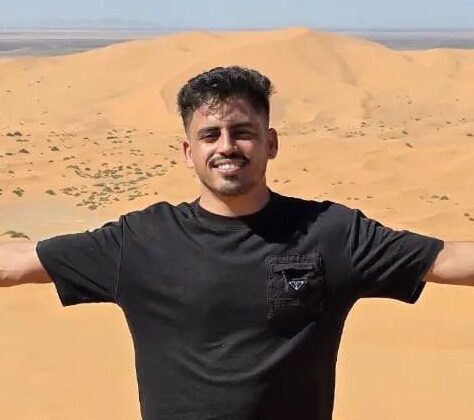
Moha BN is a Moroccan-born licensed tour guide with 10+ years of experience organizing cultural tours, Sahara Desert trips, and private itineraries across Morocco. He shares local travel insights, safety advice, and budget tips through Morocco Live Trips.