Quick answer: A Morocco desert tour from Marrakech costs roughly €90 to €420 per person for 3 days with us, depending on whether you travel private or shared, how many people are in your group, and whether you sleep in a standard or luxury camp. On large booking platforms, comparable 3 day tours are listed from about US$280 to US$350 per person. Longer trips that include the desert, such as our 7 day tour from €480 and 10 day tour from €680 per person, spread the driving over more days and usually give better value per day.
Ask for an exact price on WhatsApp, or send us your dates and we reply within 24 hours.
If you are planning a trip to the Sahara, price is usually the first question and the hardest one to answer from a booking website. One listing says €90, another says $350, and a third says “contact us”. The difference is rarely about the dunes themselves. It comes down to five things: how many days you travel, who else is in the vehicle, where you sleep, what is included, and who you book with.
This guide is written by a local team based in Marrakech that runs desert tours every week. It explains what you actually pay for, what a fair price looks like in each category, where costs hide, and how to compare offers so you book the trip that suits you rather than the cheapest headline price.

What a Morocco desert tour usually includes
Before comparing prices, it helps to know what a standard multi day desert tour from Marrakech covers. Most tours to the Merzouga dunes (Erg Chebbi) follow a similar shape, and the price you are quoted should include most of the following:
- Transport in an air conditioned vehicle with a driver, normally a 4×4 or a minivan, from your riad or hotel and back.
- Hotel or kasbah nights on the way, usually in the Dades Valley or Todra Gorge area on a 3 day tour.
- One night in a desert camp among the dunes, with dinner and breakfast.
- A camel ride into the dunes at sunset, and back at sunrise or by vehicle.
- Breakfast and dinner on most days. Lunch is usually not included.
- Stops along the route such as the Tizi n’Tichka pass in the High Atlas, Kasbah Ait Ben Haddou, Ouarzazate, the Dades Valley and Todra Gorge.
What is usually not included: lunches, drinks, tips, entrance tickets to some kasbahs, local guides in Ait Ben Haddou or Todra if you want one, travel insurance and optional extras such as quad bikes or sandboarding equipment. Always check this list on any quote. A tour that looks €40 cheaper can end up costing more once you add four lunches and two paid entries.
Desert tour prices at a glance
The table below shows typical price ranges per person for the most common desert tours from Marrakech. Our own prices come from our published tour pages. Market prices come from public listings on large booking platforms in October 2026 and are shown so you can compare like with like.
| Tour | Our price per person | Typical market listing | Best for |
|---|---|---|---|
| 3 days Marrakech to Merzouga and back | €90 to €420 depending on group size, private or shared, and camp | About US$280 to US$350 on major platforms | Travellers with a short trip who want the big dunes |
| 3 days Marrakech to Fes via Merzouga (one way) | Ask us for your dates | About US$290 to US$345 on major platforms | People continuing north to Fes and Chefchaouen |
| 4 days from Marrakech with 2 nights in the desert | From €400 per person (private) | Varies widely | A slower pace and more time in the dunes |
| 7 day Morocco tour including the Sahara | From €480 per person | Varies by hotel level | First time visitors who want cities and desert |
| 10 day Morocco tour including the Sahara | From €680 per person | Varies by hotel level | A complete loop at a comfortable pace |
Prices for a private tour depend heavily on group size because the vehicle and driver cost the same whether there are two of you or six. That is why the per person price for a private tour drops as your group grows. For an exact figure, send us your dates and group size on WhatsApp.
The five things that decide the price
1. Private or shared
This is the biggest single factor. On a shared tour you travel in a minivan with other travellers, often up to 14 to 17 people, on a fixed schedule. You split the cost of the vehicle and driver with everyone else, so it is cheaper. On a private tour the vehicle, driver and schedule are yours alone. You choose when to stop, how long to stay at Ait Ben Haddou, and whether to add a night.
We run both. Here is how they compare in practice:
| Private tour | Shared tour | |
|---|---|---|
| Vehicle | 4×4 or minivan for your group only | Minivan shared with other travellers |
| Schedule | Flexible. Stop where you want | Fixed timings and stops |
| Pick up | From your riad or hotel | Usually a central meeting point in the medina |
| Driver | Focused on your group | Shared attention |
| Price per person | Higher, falls with group size | Lower |
| Best for | Couples, families, older travellers, photographers | Solo travellers and tight budgets |
A simple rule we give every traveller: if there are two or more of you, ask for both prices. The gap is often smaller than people expect, and the difference in comfort over three long driving days is large.
2. Number of days
Merzouga is about 560 km from Marrakech. On a 3 day tour you drive roughly 6 to 7 hours on day one, a shorter day two into the desert, and around 9 hours back on day three with stops. A 4 day tour spreads that out and gives you a full extra day near the dunes. Each extra day adds a hotel or camp night, meals and driver time, so the price rises, but the cost per day often falls.
A 2 day trip from Marrakech to Merzouga is technically possible but means more than 1,100 km of driving in two days. We do not recommend it. If you only have two days, the 2 day Zagora desert tour is a far better use of your time, with smaller dunes but much less time in the car.
3. Where you sleep
The desert camp is where prices vary most. There are broadly two levels:
- Standard camp: a private tent with beds and warm blankets, shared bathroom facilities, dinner and breakfast. Comfortable and authentic.
- Luxury camp: a larger tent with a real bed, private bathroom, hot shower and flush toilet, better linen and more lighting. Dinner and breakfast are included.
Upgrading to a luxury camp usually adds a noticeable amount to a 3 day tour. For many couples and older travellers, it is the single upgrade most worth paying for, because a private bathroom makes a cold desert night far more comfortable. For backpackers, a standard camp is perfectly fine for one night.
The hotel on the way matters too. A simple guesthouse in the Dades Valley costs less than a restored kasbah with a pool. Ask which hotel is used and look it up before booking.
4. What is included
Compare quotes line by line. A lower price sometimes means:
- Pick up from a meeting point rather than your riad.
- No dinner on the first night.
- A camel ride of 30 minutes rather than an hour.
- A camp on the edge of town rather than among the dunes.
- A larger group in the vehicle than advertised.
None of these are necessarily bad. They just need to be clear before you pay.
5. Who you book with
Booking platforms add a commission to the operator’s price, which is one reason the same tour can appear at different prices on different sites. Booking directly with a local operator usually removes that layer and lets you talk to the people who will actually drive you. The trade off is that platforms offer a familiar checkout and their own reviews. Whichever route you choose, check who operates the tour on the ground.
Our desert tours from Marrakech, compared
These are the desert tours we run most often. Each link takes you to the full day by day itinerary, inclusions and booking options.
3 days Marrakech to Merzouga desert
Our most booked trip. High Atlas, Ait Ben Haddou, Dades Valley, Todra Gorge, a sunset camel ride into Erg Chebbi and a night in the dunes. Returns to Marrakech.
Price: €90 to €420 per person depending on group, private or shared, and camp.
4 days from Marrakech with 2 nights in the desert
The same route with an extra day around Merzouga. Time for a nomad family visit, Khamlia village and a slower return.
Price: from €400 per person (private).
3 day tour to Merzouga ending in Fes
A one way route for travellers heading north. Desert night in Erg Chebbi, then on through the Middle Atlas cedar forests to Fes.
4 days to the Chegaga desert
Wilder, quieter dunes reached by 4×4 across the Erg Chigaga track. Fewer camps and very few crowds.
Shared vs private: a worked example
Numbers make this easier. Imagine a couple choosing a 3 day tour from Marrakech to Merzouga.
- Shared tour, standard camp: they sit with up to a dozen other travellers, meet at a central point at 7:30 am, follow the group schedule and sleep in a standard tent. This is the lowest price you will find.
- Private tour, standard camp: they are picked up at their riad, choose their own stops and pace, and still sleep in a standard tent. The price per person is higher because two people carry the full cost of the vehicle.
- Private tour, luxury camp: the same private trip with a tent that has its own bathroom and hot shower.
Now imagine a family of five. The private tour price per person drops sharply because five people share the vehicle cost. For many families, a private tour ends up close to the shared price per head, with far more flexibility for children. That is why we always quote both options when you ask.
Is the 4 day desert tour better value than 3 days?
For many travellers, yes. The 4 day tour costs more in total because it adds a night, meals and a day of the driver’s time. What you get for that extra day is the difference between a trip that feels rushed and one that feels like a holiday.
On the 3 day tour, you reach the dunes in the late afternoon of day two and leave after breakfast on day three. You see one sunset and one sunrise, and then face about nine hours on the road. On the 4 day tour, the extra day is spent around Merzouga. A typical plan looks like this:
- Morning: a slow breakfast at camp, then a drive around Erg Chebbi to see the dunes from different sides.
- Midday: lunch in Merzouga or Rissani, with time to visit the old market in Rissani if it is market day.
- Afternoon: a visit to Khamlia village for Gnawa music, or tea with a nomad family living near the dunes.
- Evening: a second sunset in the dunes and a second night at camp or in a desert hotel.
The return to Marrakech is then split over two days with a night in the Ouarzazate or Dades area, so no single driving day is very long. Families with young children, older travellers and photographers almost always prefer this pace.
If your budget is fixed, compare these two options for the same money: a 3 day tour with a luxury camp, or a 4 day tour with a standard camp. In our experience, most people who choose the extra day are happier with their trip. See the full 4 day itinerary.
Quick recommendations by traveller type
- First time in Morocco, one week: the 7 day tour from Marrakech, which includes the desert.
- Flying into Casablanca from North America: the 10 day tour from Casablanca.
- Short break from Europe: the 3 day Merzouga tour, private if there are two or more of you.
- Want quiet and remoteness: the 4 day Chegaga tour.
- Heading north after the desert: the Merzouga to Fes route.
- Only two days: the 2 day Zagora tour.
Hidden costs to budget for
Even with a good quote, a few costs are almost always extra. Plan for them so there are no surprises:
| Item | Typical cost | Notes |
|---|---|---|
| Lunch each day | About 70 to 150 MAD per person | Roadside restaurants on the route. You choose where to eat. |
| Drinks | About 10 to 30 MAD each | Water, soft drinks and mint tea. Bottled water is cheap; buy it in Marrakech. |
| Local guide at Ait Ben Haddou or Todra | Optional | Agree the price before you start the walk. |
| Tips | Your choice | For the driver, camel handlers and camp staff if you are happy with the service. |
| Quad bike or buggy in the dunes | Optional extra | Book through your driver or camp so the operator is known. |
| Travel insurance | Varies | Strongly recommended for any multi day trip. |
Most travellers find that around 300 to 500 MAD per person covers lunches, drinks and small tips over a 3 day tour. Carry cash in dirhams, because card machines are rare outside the cities. Our guide on using US dollars in Morocco explains how to handle money on the road.
When is the desert cheapest, and when is it best?
Desert tour prices do not swing as much by season as hotel prices in Marrakech, but demand does. The busiest periods are spring (March to May), autumn (late September to November), Christmas and New Year, and Easter. Camps fill up, and private vehicles book out early. In those months, book at least a few weeks ahead.
Summer (June to August) is quieter in the desert because daytime heat in Merzouga can pass 40°C. Tours still run, with early starts and the camel ride timed for sunset. Winter (December to February) brings clear skies and cold nights, often close to freezing in the dunes, so a luxury camp with better bedding is worth considering.
For a month by month view, read our guide to the best time to visit Morocco.
How to tell if a desert tour price is too cheap
Very low prices are not always a scam, but they usually mean something has been cut. Watch for these signs:
- The listing does not say how many people share the vehicle.
- The camp name or location is not given.
- Meals are described vaguely, for example “meals as per program”.
- The company has no address, phone number or reviews you can check outside the listing itself.
- The price is far below the market range above for the same number of days.
- You are asked to pay the full amount in cash on the street.
A reasonable deposit to hold your booking, with the balance paid before or at the start of the tour, is normal. Our own terms are a 25% deposit to confirm, with the balance before the tour starts. You can read the full payment and cancellation policy.
How to get the best value
- Travel with others. A private tour for four is often close in price per person to a shared tour, with far more comfort.
- Add a day rather than an upgrade. A 4 day tour often improves the experience more than a fancier hotel on a rushed 3 day trip.
- Choose the luxury camp only where it matters. In winter and for older travellers, a private bathroom is worth it. In spring with a younger group, a standard camp is fine.
- Go one way. If you are heading to Fes anyway, a Marrakech to Fes desert tour saves you a long day of driving back.
- Book directly. You speak with the team that runs the trip and avoid platform commission.
- Ask for everything in writing. Inclusions, camp, hotel and pick up point.
Desert tours from other starting points
Marrakech is the most common starting point, but not the only one.
- From Fes: Fes is closer to Merzouga than Marrakech, so a 3 day loop or a one way trip ending in Marrakech works well. See our Fes to Marrakech desert tour.
- From Casablanca: most visitors flying into Casablanca combine the desert with Rabat, Chefchaouen and Fes. Our 10 day tour from Casablanca and 7 day tour from Casablanca both include a night in the dunes.
- From Marrakech, short on time: the 2 day Zagora tour or a day trip to the Agafay desert give you a desert experience without the long drive, though the landscapes are rocky rather than high dunes.
Prices for longer Morocco tours that include the desert
Many travellers see the desert as part of a wider trip. If you have a week or more, a full tour usually gives better value than booking each piece separately, because transfers, hotels and the desert are planned as one route.
| Tour | Starting city | Our price per person | Desert nights |
|---|---|---|---|
| 7 days from Marrakech | Marrakech | From €480 | Merzouga |
| 7 days from Casablanca | Casablanca | Ask for your dates | Merzouga |
| 8 days from Casablanca via Chefchaouen and Fes | Casablanca | Ask for your dates | Merzouga |
| 10 days from Marrakech | Marrakech | From €680 | Merzouga |
| 10 days from Casablanca | Casablanca | From €680 | Merzouga |
For a complete trip budget including flights, food and spending money, see our guide to costs in Morocco.
What travellers from different countries should know
From the United States and Canada
Most North American travellers fly into Casablanca or Marrakech, often via Europe. Because the flight is long, many prefer a 7 to 10 day private tour that starts in Casablanca and finishes in Marrakech, with the desert in the middle. Prices on this page are in euros; your bank will convert at its own rate. Bring some US dollars or euros in cash to exchange on arrival, as dirhams cannot be bought in advance in most countries.
From the United Kingdom and Ireland
Direct flights to Marrakech make a short break with a 3 day desert tour very popular. If you have a long weekend plus a few days, a 4 day trip with two nights near the dunes is a relaxed alternative to the rushed 3 day loop.
From Australia
With long connections, Australian travellers usually combine Morocco with Spain or Portugal. A one way desert route from Marrakech to Fes, then north to Chefchaouen and Tangier for the ferry, fits that plan well.
Which desert should you choose? Merzouga, Zagora, Chegaga or Agafay
“The Sahara” in a tour title can mean four quite different places, and the choice changes both the price and the experience. Here is how they compare.
| Desert | Distance from Marrakech | Landscape | Minimum sensible trip | Price level |
|---|---|---|---|---|
| Merzouga (Erg Chebbi) | About 560 km | Tall orange dunes, some over 150 m high. The classic Sahara image. | 3 days | Mid |
| Chegaga (Erg Chigaga) | About 500 km, last stretch off road | Large, remote dune field reached by 4×4. Very few camps. | 3 to 4 days | Higher, because of the 4×4 track |
| Zagora | About 360 km | Smaller dunes near palm groves along the Draa Valley | 2 days | Lower |
| Agafay | About 40 km | Stony desert with views of the Atlas, no sand dunes | Half day or one night | Lowest |
Choose Merzouga if you want the tall golden dunes you have seen in photographs and you have at least three days. Choose Chegaga if you want silence and remoteness and are happy to spend a little more for the 4×4 crossing. Choose Zagora if you have only two days. Choose Agafay if you want a desert dinner and sunset without leaving the Marrakech area, and you understand there are no sand dunes there.
Many disappointed reviews online come from travellers who booked a cheap “Sahara” trip and discovered it went to Zagora or Agafay instead of the high dunes. Always check the destination name, not just the word Sahara.
The 3 day route, hour by hour
Knowing what each day involves helps you judge whether a price is fair, because you can see where the driver’s time, fuel and nights go. This is the route of our 3 day Marrakech to Merzouga tour.
Day 1: Marrakech to the Dades Valley
Pick up at your riad or hotel around 7:30 am. The road climbs into the High Atlas to the Tizi n’Tichka pass, at 2,260 m the highest paved road in Morocco. After roughly three hours with photo stops you reach Kasbah Ait Ben Haddou, a UNESCO World Heritage site and a filming location for several well known films and series. You can walk through the old village with or without a local guide.
The afternoon continues through Ouarzazate and along the Road of a Thousand Kasbahs, past the Valley of Roses at Kelaat M’Gouna, to the Dades Valley. Expect around 6 to 7 hours on the road including stops. Dinner and the night are in a riad or kasbah hotel in the valley.
Day 2: Dades Gorge, Todra Gorge and into the dunes
After breakfast, a short drive takes you into the Dades Gorge with its winding road and red rock walls. Next comes Todra Gorge near Tinghir, where the canyon walls rise around 300 m above a shallow river. Most people walk the narrowest section, which is flat and easy.
The road then crosses the plains through Erfoud, known for fossils, and Rissani to Merzouga. You arrive in the late afternoon, meet your camel handler and ride into Erg Chebbi for sunset, usually about an hour each way depending on the camp. Dinner is served at camp, often tagine with soup and bread, followed by music around the fire on most nights. The sky is very dark, which makes stargazing excellent.
Day 3: Sunrise and the long road back
Wake before dawn to climb a dune for sunrise. After breakfast at camp you return to Merzouga by camel or vehicle, then begin the drive back to Marrakech, usually through Rissani, Alnif and Ouarzazate, then over the Atlas again. This is the longest day, around 9 hours with stops, arriving in Marrakech in the early evening.
Our honest note: day 3 is long. We stop every two hours or so. If winding mountain roads make you feel unwell, bring travel sickness tablets. If you have more time, the 4 day version splits this drive, and the one way route to Fes avoids it entirely.

What you get at the desert camp
The camp night is what most people remember, and it is also where operators save or spend the most. Knowing what a good evening looks like helps you judge a price.
On arrival, usually after the sunset camel ride, you are shown to your tent and offered mint tea. There is time to climb a nearby dune before dinner. Dinner is served in a dining tent or outside on carpets, typically a vegetable soup or harira, bread, salad and a tagine, with fruit to finish. After dinner many camps light a fire and staff play drums and sing. Then the generator or lights go down and the stars come out. In the morning, breakfast includes bread, jam, cheese, eggs and tea or coffee before you leave.
What separates a good camp from a poor one:
- Location: among the dunes, out of sight of town lights, rather than at the edge of the village.
- Cleanliness: clean bedding and bathrooms, whether shared or private.
- Warmth: enough blankets in winter, and shade in summer.
- Size: smaller camps are quieter. Very large camps can feel crowded on busy nights.
When you ask us for a quote, we tell you which camp we use and its level, so you can check photos before you decide.
The camel ride: what to expect
The camel ride is short, slow and suitable for most people. Each camel is led on foot by a handler, so you do not need riding experience. The ride from the edge of the dunes to camp usually takes around an hour, sometimes less, depending on which camp is used. Getting on and off is the hardest part, because the camel rises back legs first. Lean back as it stands, hold the handle and you will be fine.
If you have back, hip or knee problems, or are pregnant, tell us when you book. Many camps can be reached by 4×4 instead, and you can still enjoy the dunes on foot at sunset. There is no extra charge to swap the camel for the vehicle.
Optional extras in the desert
These are the extras travellers most often ask about. Prices change by season and supplier, so we confirm them when you book.
| Extra | What it is | Worth it for |
|---|---|---|
| Sandboarding | Sliding down a dune on a board. Often free at camp. | Children and younger travellers |
| Quad bike or buggy | Riding across the dunes with a guide | Adventure seekers; noisy, so not for everyone |
| Nomad family visit | Tea with a family living near the dunes | Travellers interested in daily life in the desert |
| Khamlia village music | Gnawa music in a village near Merzouga | Music and culture lovers; easiest on a 4 day tour |
| Luxury camp upgrade | Private bathroom and hot shower | Winter travel, couples and older travellers |
| Extra night in the desert | Two nights near the dunes | Anyone who wants the trip to feel less rushed |
Desert tour conditions by month
Price is only part of value. The same tour feels very different in January and in July. This table shows what to expect in Merzouga across the year.
| Months | Daytime | Night in the dunes | Demand | Our advice |
|---|---|---|---|---|
| December to February | Mild and sunny | Cold, often near freezing | High around Christmas and New Year | Book early; consider a luxury camp |
| March to May | Warm | Cool to mild | High | The most popular season. Book a few weeks ahead |
| June to August | Very hot, often over 40°C | Warm | Lower | Early starts and sunset rides. Bring plenty of water |
| September to November | Warm, easing | Pleasant | High | An excellent time to go |
Why the same tour has different prices on different websites
It is common to find what looks like the same 3 day tour at three different prices. There are a few reasons:
- Commission: large platforms take a share of each booking, which is built into the price you see.
- Currency: a price shown in US dollars, euros or pounds may be converted at different rates.
- Room basis: some listings show the price per person when two share a room. Solo travellers may pay a single supplement.
- Different products under the same name: one listing might be shared with a standard camp, another private with a luxury camp.
- Season: some operators change prices for peak dates.
The fairest way to compare is to ask each operator the ten questions in the checklist further down this page and compare the answers, not the headline price.
Who runs our tours
Morocco Live Trips is run from Marrakech by Moha BN, a Moroccan guide with more than ten years of experience leading travellers across the country. We plan each route ourselves and work with the same drivers, hotels and camps season after season, which is how we can tell you in advance exactly where you will stay. You speak with us directly from your first message to the end of your trip, on WhatsApp or by email.
You can read what other travellers say about us on Tripadvisor.
Sample budgets for different travellers
To make the numbers concrete, here are four realistic total budgets for a 3 day desert trip from Marrakech, per person. They combine the tour price range with typical extra spending. Exact figures depend on your dates and group.
Solo backpacker
- Shared 3 day tour with standard camp: at the low end of our price range
- Lunches and drinks: about 250 to 350 MAD
- Tips: modest, at your discretion
- Best tip: travel in shoulder season and book a shared tour with riad pick up if available.
Couple wanting comfort
- Private 3 day tour with luxury camp: towards the upper end of our price range
- Lunches and drinks: about 300 to 450 MAD each
- Optional: local guide in Ait Ben Haddou, sandboarding
- Best tip: ask for both standard and luxury camp prices, then decide by season.
Family of four or five
- Private tour: per person price drops because the vehicle cost is shared
- Children’s meals and drinks: lower than adults
- Best tip: choose 4 days so children are not in the car for 9 hours on the last day. See our family tours guide.
Retired couple
- Private 4 day tour with luxury camp and comfortable hotels
- Shorter daily drives and more stops
- Best tip: ask for ground floor rooms and help mounting the camel. See our seniors guide.
What to pack for a desert tour
Packing well saves money on the road, because buying forgotten items in small towns is slow and often more expensive.
- A small overnight bag for the camp. Large suitcases usually stay in the vehicle.
- Layers: days can be hot and nights cold, especially from November to March.
- A warm jacket or fleece, a hat and a scarf, which also protects from wind blown sand.
- Sunglasses and high factor sunscreen.
- Comfortable closed shoes for gorges and sandals for the dunes.
- A head torch for the camp at night.
- A power bank. Some camps have limited charging.
- Cash in small notes for lunches, drinks and tips.
- Any personal medication and travel sickness tablets for the mountain roads.
For clothing advice in cities and villages along the route, read what to wear in Morocco as a tourist.
Is a desert tour safe?
Organised desert tours in Morocco are a well established and widely used way to visit the Sahara. The main practical risks are road fatigue on long driving days, heat in summer and cold at night in winter. Choosing an experienced driver, a sensible pace and the right season deals with most of these. Camps used by reputable operators are set up for visitors and staffed through the night.
For wider advice, including scams to avoid in cities, see our guide Is Morocco safe to visit right now?
How to compare two quotes properly
When you have two or three offers, put them side by side and check the same points in each. You can copy this checklist into a message to any operator:
- Is the tour private or shared? If shared, what is the maximum group size?
- Where exactly is pick up and drop off?
- What type of vehicle is used, and does it have air conditioning?
- Which hotel is used on the first night?
- Which camp is used, and is it among the dunes? Standard or luxury? Private bathroom?
- Which meals are included each day?
- How long is the camel ride?
- What is not included?
- What deposit is required, and what is the cancellation policy?
- Can the itinerary be changed, for example adding a night?
An operator who answers all ten clearly and in writing is usually one you can trust. We are happy to answer each of these for any of our tours.
How booking with us works
- Send your request. Message us on WhatsApp or use the enquiry form with your dates, group size, starting city and whether you prefer private or shared.
- Receive a quote. We reply, usually within 24 hours, with the itinerary, camp and hotel level, inclusions, exclusions and price.
- Adjust if needed. Add a night, change the camp level or end in Fes instead of Marrakech.
- Confirm with a deposit. A 25% deposit confirms your booking. The balance is paid before the tour starts.
- Travel. Your driver meets you at your riad or hotel on day one.
Frequently asked questions
How much does a 3 day desert tour from Marrakech cost?
With us, between about €90 and €420 per person depending on group size, private or shared travel, and camp level. Comparable tours on large booking platforms are listed from roughly US$280 to US$350 per person.
Is a private desert tour worth the extra cost?
For couples, families and older travellers, usually yes. You leave from your riad, stop when you want and avoid long waits for a group. For solo travellers on a budget, a shared tour is good value.
What is not included in the price?
Typically lunch, drinks, tips, optional local guides and optional activities such as quad bikes. Check every quote for these.
Can I pay by card?
You can pay the deposit using the methods we list when you book. On the road, carry cash in dirhams for lunches and tips, as cards are rarely accepted outside the cities.
Is the desert camp cold at night?
From November to March, yes. Nights can be close to freezing. Camps provide heavy blankets, and luxury camps usually offer better bedding and hot showers.
Do children pay full price?
Ask us with the children’s ages. On private tours the vehicle cost is shared by the group, so families often find the per person price lower than expected. See our family tours guide.
Is a desert tour suitable for older travellers?
Yes, with the right pace. A 4 day route with shorter driving days and a luxury camp makes a big difference. Read our guide to Morocco tours for seniors.
How far in advance should I book?
In spring, autumn and holiday periods, a few weeks ahead. Private vehicles and luxury camps are the first to fill.
How long is the drive from Marrakech to Merzouga?
About 560 km. Without stops it takes around 8 to 9 hours, which is why tours split it over two days on the way out, with a night in the Dades Valley.
Can I do the desert tour as a solo traveller?
Yes. A shared tour is the most economical choice for solo travellers. A private tour for one person is possible but costs more, because one person carries the full vehicle cost.
Is there Wi-Fi or electricity at the desert camp?
Most camps have electricity for lights and some charging, often limited at night. Wi-Fi and mobile signal vary. Bring a power bank and expect to be partly offline, which many travellers enjoy.
Are vegetarian or special diets possible?
Yes. Tell us when you book. Vegetarian tagines and couscous are easy to arrange. For allergies, give details in advance so the hotel and camp can prepare.
Can we start the tour in Marrakech and finish in Fes?
Yes. Our 3 day tour to Merzouga ending in Fes does exactly this and saves the long drive back to Marrakech.
What happens if it rains or there is a sandstorm?
Rain is rare in the desert. Strong winds sometimes blow sand in spring. If conditions make the camel ride unsafe, the camp is reached by 4×4. We always put safety first and will adjust the plan with you.
Do I need to tip?
Tips are not compulsory. If you are happy with the service, a tip for your driver at the end of the tour and small tips for camel handlers and camp staff are common and appreciated.
Can you add Marrakech or Fes city tours?
Yes. Many travellers add a guided medina walk before or after the desert. See our Marrakech tours for options.
Get your exact desert tour price
Tell us your dates, group size and whether you prefer private or shared. We will send a clear quote with every inclusion listed, usually within 24 hours.
Message us on WhatsApp | Call +212 601 339154 | Use the enquiry form
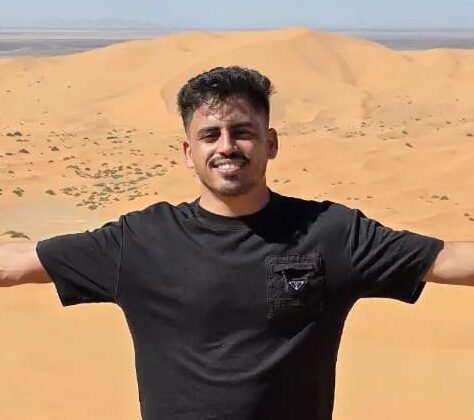
Moha BN is a Moroccan-born licensed tour guide with 10+ years of experience organizing cultural tours, Sahara Desert trips, and private itineraries across Morocco. He shares local travel insights, safety advice, and budget tips through Morocco Live Trips.