
Desert Animals in the Sahara: What You Might Actually See in Morocco
Let me tell you about a morning that didn't go according to plan.
I had a group staying at our desert camp near Merzouga. Standard itinerary said breakfast, then a 4x4 tour back to the main road. But the morning was cool, the light was perfect, and one of them asked if we could just... wander.
So we wandered.
We ended up at a cobalt mine I know about-off the main road, nowhere near any tourist route. Then a 4x4 museum that's basically a guy's private collection of desert vehicles, not even on Google Maps. Then we passed a nomad family we know, stopped for tea, and somehow ended up in a spontaneous Berber music session that lasted two hours.
None of that was in the itinerary. None of it was planned. And that's exactly the point.
The desert rewards people who leave room for the unexpected. And one of the most unexpected things about the Sahara? The wildlife.
Most people think the desert is empty. Dead. Nothing but sand and silence. But the Sahara is alive. You just have to know where to look-and more importantly, when.
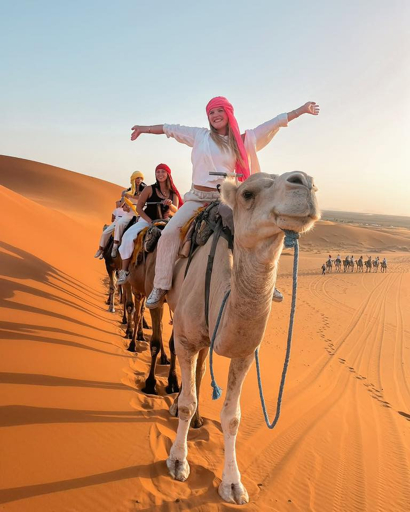
The best desert moments often happen when there is room for curiosity.
What Desert Animals in the Sahara Can You Actually See?
Let's be realistic. You're not going on a safari. The Sahara isn't the Serengeti. Wildlife here is elusive, nocturnal, and very, very good at hiding. That's how they survive.
But if you know what you're looking for, and if you have a guide who knows where to look, you can see some remarkable creatures.
Camels, Foxes, Cats and Tiny Night Travellers
Camels: The Obvious One
Yes, you'll see camels. Lots of them. But here's something most tourists don't realize: these aren't just ride animals. The dromedary camel is a masterpiece of evolution. It can go days without water, regulate its body temperature to avoid sweating, and travel distances that would kill a horse.
The nomads I know treat their camels like family. There's a special bond there-centuries of partnership between humans and these animals. When you ride a camel into the dunes at sunset, you're participating in a tradition that's thousands of years old.
Fennec Fox: The Desert's Most Photogenic Resident
The fennec fox is the smallest fox in the world, with ears that look ridiculous and serve a very practical purpose-dissipating heat in the scorching desert sun.
They're nocturnal, so you won't see them during the day. But if you're out at dawn or dusk, and if you're quiet, there's a chance you'll spot one near the dunes. They're shy but curious.
The fennec can survive without drinking water indefinitely-it gets all the moisture it needs from its food. That's how adapted these creatures are.
Sand Cat: The Phantom
This one is special. The sand cat is almost never seen-it's nocturnal, incredibly shy, and perfectly camouflaged against the desert floor.
I've been guiding in the desert for over a decade. I've seen a sand cat maybe three times. Each time, it was a moment I'll never forget-a flash of pale fur, those distinctive triangular ears, and then it was gone.
Most of my clients never see one. But knowing they're out there, hunting in the dunes, adds something magical to the desert experience.
The sand cat can go weeks without drinking. It gets moisture from its prey-gerboas, lizards, insects. It can survive temperatures that would kill most mammals.
Jerboas: Tiny Kangaroos
These little rodents look like miniature kangaroos. They hop across the sand using their powerful hind legs, balancing with a long tail. They're nocturnal, spending the day in underground burrows to escape the heat.
They're fast. Really fast. If you see one, it'll probably be a flash of movement at the edge of your vision. But they're common around the dunes, and if you sit still long enough, you might get a good look.
The jerboa can travel up to 10 kilometers in a single night searching for food, despite being only 5 to 15 centimeters long.
Reptiles, Scorpions and Desert Birds
Reptiles: Lizards and Vipers
The Sahara has more reptiles than you'd think. Various lizards are active during the cooler hours, sunning themselves on rocks or darting between shrubs. The sand viper is present too-venomous, but reclusive. It buries itself in the sand with only its eyes showing, waiting for unsuspecting prey.
Here's the thing about snakes and scorpions in the Sahara: they don't want anything to do with you. The deathstalker scorpion is one of the most venomous creatures on earth, but it's nocturnal and actively avoids humans. The horned viper is similar.
If you're worried, wear closed shoes, use a light after dark, shake out shoes and clothing in the morning, and never reach beneath rocks or into crevices.
Birds: More Than You'd Expect
The Sahara has over 300 bird species-resident and migratory. Around Merzouga, seasonal lakes attract flamingos, egrets and other waterbirds during wetter periods.
Birdwatchers may spot sandgrouse, desert sparrows, raptors, Egyptian nightjars and desert warblers. The lakes aren't always full and the birds aren't always there, but a good local guide knows the conditions.
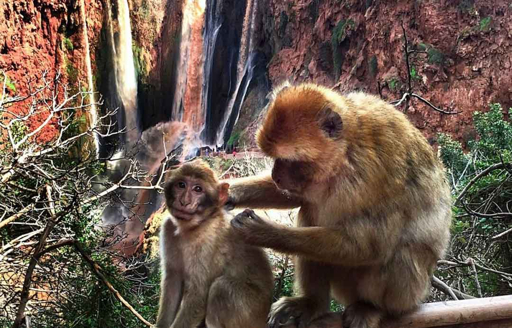
Wildlife spotting depends on season, water, weather, patience and luck.
Dorcas Gazelle, Hedgehogs and Other Nocturnal Mammals
Dorcas Gazelle: A Rare Sight
The Dorcas gazelle is one of the few antelope species that still survives in the Sahara. It's slender, tan-colored, with curved horns on both males and females. It can withstand high temperatures and extract most of the water it needs from the plants it eats.
Sadly, hunting and habitat loss have made them vulnerable. Sightings are rare, but they still exist in more remote areas.
Hedgehogs and Other Nocturnal Mammals
The desert hedgehog is another nocturnal creature. It's small, spiky, and surprisingly fast. The Libyan striped polecat, or Saharan striped weasel, is also present, though I've only seen one a handful of times.
These creatures are active at night, which is why night drives can be productive. But even then, they're cautious. You need patience, good eyes, and a bit of luck.
Observe, do not disturb
- Keep a respectful distance.
- Never chase, corner or handle wildlife.
- Do not feed animals or use food to attract them.
- Keep noise and bright light low.
- Follow your guide’s instructions near camps and dunes.
- Leave the desert exactly as you found it.
Moha's Personal Take: The Best Wildlife Moments Aren't Planned
Here's the thing about desert wildlife: you can't schedule it.
If a tour operator promises you'll see a fennec fox, they're lying. You might. You might not. The animals don't care about your itinerary.
The best wildlife moments I've had with clients were accidents. We weren't looking for anything specific. We were just... there. In the right place at the right time.
That 4x4 museum morning? On the drive back, we spotted a flock of sandgrouse near a dry riverbed. They took off in a burst of wings, the light catching their feathers. My clients were speechless.
You don't get that on a rigid schedule. You get that when you have flexibility. When you can stop, turn off the engine, and just watch.
Where and When to Look
Best Locations
- Erg Chebbi, Merzouga: dunes, desert floor and seasonal lakes such as Dayet Srji.
- Erg Chigaga: more remote landscapes and fewer tourists.
- Dades and Todra Gorges: rocky terrain, lizards, birds of prey and different habitats.
Best Times of Day
- Dawn and dusk: nocturnal creatures are ending or beginning their rounds.
- Night drives: may reveal fennec foxes, hedgehogs and other nocturnal animals.
- Midday: most animals shelter from the heat.
Best Seasons
- Winter and early spring: comfortable temperatures and more active wildlife.
- October through April: often a strong window for desert observation.
- Summer: extreme heat reduces daytime activity; follow professional advice.
Seasonal water levels, rain, temperature and local access affect what you may see. A quiet, patient approach is more useful than a promise of guaranteed animals.
What to Pack for Wildlife Spotting
Binoculars
Essential because most animals will not let you get close.
Headlamp with red light
Red light is less disruptive to wildlife and can be more comfortable around camp.
Camera with telephoto lens
Useful for distant birds, mammals and respectful wildlife photography.
Quiet clothing
Comfortable, quiet layers help you stay still without startling animals.
Closed shoes
Useful around sand, rocks, camp paths and nocturnal desert activity.
Patience
The most important item. Wildlife appears on its own schedule.
FAQ: What People Actually Ask Me
Can I see wild animals in the Sahara Desert?
Yes. You may see reptiles, birds, insects and small mammals such as jerboas and fennec foxes. Larger mammals like gazelles are rarer and sightings depend on location, season and luck.
Are there snakes and scorpions in the desert?
Yes. Snakes and scorpions live in desert areas, but they are generally elusive and avoid people. Wear closed shoes, use a light after dark, shake out shoes and clothes, and never reach into cracks or under rocks.
Will I see a fennec fox?
Maybe. Fennec foxes are nocturnal and shy. Dawn, dusk and responsible night drives may offer better opportunities, but no responsible guide can guarantee a sighting.
Are desert animals dangerous?
Most animals are harmless when left alone. Camels are powerful animals and should be treated respectfully. Snakes and scorpions should not be touched or disturbed. Follow your guide’s instructions.
What birds might I see near Merzouga?
Depending on conditions, you may see flamingos near seasonal water, sandgrouse, desert sparrows, raptors and migratory waterbirds. Dayet Srji can attract birds when it has water.
Can I do a wildlife-focused tour?
Yes. Morocco Live Trips can discuss birdwatching, dawn observation, night drives, 4x4 desert routes and flexible wildlife-focused experiences. Sightings remain dependent on nature.
Are camels used only for tourists?
No. Dromedary camels have long been important to desert communities for transport and survival. Treat them as working animals, follow handlers’ instructions and choose operators that treat animals responsibly.
Is the sand cat easy to see?
No. Sand cats are nocturnal, shy and well camouflaged. Even experienced desert guides may see them only rarely.
When is the best time for Sahara wildlife?
Winter, early spring and the wider October-to-April period can offer more comfortable conditions. Dawn, dusk and night are generally better than midday.
Can children join a desert wildlife tour?
Families can discuss a suitable route, but children should stay close to adults, avoid handling animals and follow guidance around dunes, vehicles, camps and nocturnal wildlife.
How do I book a Merzouga wildlife experience?
Contact Morocco Live Trips through the contact page or WhatsApp. Share your dates, group size, accommodation, preferred activity and whether you want birds, mammals, night observation or a general desert tour.
Ready to Discover the Sahara’s Hidden Wildlife?
The desert animals in the Sahara are waiting-but they're not going to come to you. You need to go to them, at the right time, with the right guide.
If you want the standard itinerary, I can give you that. It'll be efficient. It'll be comfortable. It'll hit all the main spots.
But if you want the unexpected-the cobalt mine, the 4x4 museum, the nomad tea session, the elusive fennec fox at dawn-then let's leave some room for surprises.
Contact Morocco Live Trips and tell me what you actually want to see. I'll build your desert experience around that-not around a script.

Moha BN is a Moroccan-born licensed tour guide with 10+ years of experience organizing cultural tours, Sahara Desert trips, and private itineraries across Morocco. He shares local travel insights, safety advice, and budget tips through Morocco Live Trips.