Morocco Tour Cost From UK: Complete 2026 Price Guide
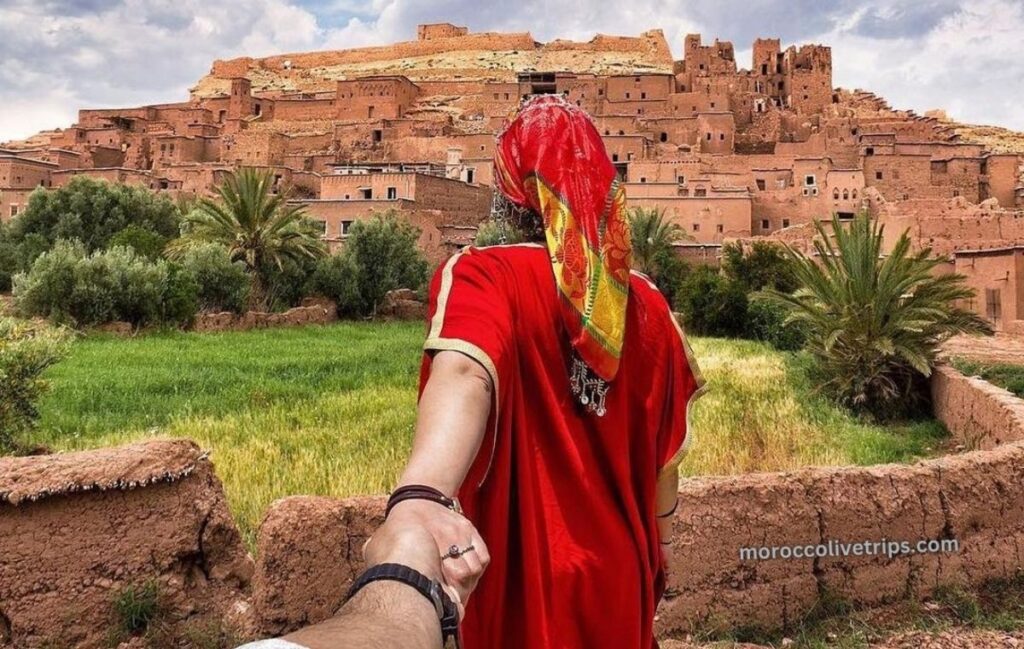
One of the first questions every British traveller asks is: how much does a Morocco tour cost from the UK? At Morocco Live Trips, we get this question every single day – and we believe in answering it honestly, with real numbers, not vague ranges designed to get you on a call. This guide breaks down every cost involved in a Morocco holiday from the UK in 2026: flights, accommodation, transport, food, desert camps, activities, and full package prices by duration and budget level. By the end, you will know exactly what Morocco costs and exactly what you get for your money. How Much Does a Morocco Tour Cost From the UK? The short answer: a 7-day Morocco tour package from the UK costs between £550 and £1,400 per person excluding flights, depending on whether you choose a budget, mid-range, or luxury experience. Flights from the UK add £80 to £300 per person return. So an all-in 7-day Morocco trip from the UK typically lands between £700 and £1,700 per person. That is exceptional value. A comparable quality holiday in Italy, Spain, or Greece almost always costs more – often significantly more – for a less distinctive experience. Want a complete Moroccan adventure departing from Britain? Check out our Morocco Tours From UK and find the perfect itinerary for your travel style. Average Morocco Tour Prices for British Travellers Here is a straightforward overview of what each budget level delivers in Morocco in 2026. Budget Morocco tours cost around £30 to £50 per person per day on the ground. You stay in simple but clean riads, eat at local restaurants, use shared transport, and join group Sahara tours. A 7-day budget trip costs roughly £250 to £380 per person excluding flights. Mid-range Morocco tours – the most popular category for UK travellers – cost £80 to £130 per person per day. You get comfortable, well-located luxury riads, private transport, an English-speaking guide, selected meals, and a quality desert camp experience. A 7-day mid-range private tour costs around £550 to £850 per person excluding flights. Luxury Morocco tours run £150 to £300+ per person per day. Five-star riads, exclusive desert camp suites, gourmet dining, private guides throughout, and VIP airport transfers – Morocco’s luxury market delivers world-class quality at 30 to 50% less than equivalent European destinations. A 7-day luxury Morocco tour from the UK starts from £1,100 per person excluding flights. Complete Morocco Tour Cost Breakdown UK to Morocco Flight Costs Morocco flight prices from the UK are competitive year-round. Here is what to expect in 2026: Flight time from London to Marrakech is approximately 3 hours 40 minutes. From Manchester it is around 3 hours 45 minutes. From Birmingham, approximately 3 hours 50 minutes. Accommodation Costs in Morocco Morocco accommodation costs vary enormously – from budget guesthouses to palatial five-star riads. Here is a realistic breakdown: Morocco Live Trips hand-selects luxury riads and boutique hotels at every price tier for our packages – every property is personally vetted, not just checked against a star rating. Transportation and Private Driver Costs Morocco transportation costs depend entirely on how you choose to travel between destinations. For most UK travellers on a multi-day Morocco tour package, a private driver for the full journey is both the most comfortable and the most cost-efficient option – the per-day cost divided across a group of two to four people is very reasonable. Food and Dining Expenses Morocco travel expenses on food are one of the biggest pleasant surprises for British travellers. Moroccan cuisine is extraordinary – and extraordinarily affordable. Morocco Live Trips packages include daily breakfast and several traditional dinners – covering the most important meals and leaving lunches flexible so you can eat where your guide recommends on the day. Desert Camp and Activity Costs Sahara Desert tour prices and activity costs are the section of the Morocco budget most UK travellers underestimate – but they are well worth the investment. All Morocco excursion prices above are included within Morocco Live Trips tour packages – there are no hidden additions at the time of booking. Morocco Tour Costs by Duration 5-Day Morocco Tour Cost A 5-day Morocco tour gives you Marrakech and one night in the Sahara Desert, with the journey south through the Atlas Mountains and Ait Ben Haddou. 7-Day Morocco Tour Cost A 7-day Morocco tour from the UK is the most popular length for British travellers and covers the full southern route including two nights in the Sahara. Add £80 to £300 per person for return flights from the UK. Total all-in cost for a 7-day Morocco tour including flights from the UK: £700 to £1,900 per person. 10-Day Morocco Tour Cost A 10-day Morocco tour adds Fes, Chefchaouen, or the Atlantic coast to the classic desert route – the sweet spot for UK travellers who want both cultural depth and the Sahara. 14-Day Morocco Tour Cost A 14-day Morocco tour covers the entire country – all four imperial cities, the Sahara, the Rif Mountains, and the Atlantic coast – properly and without rushing. Morocco Tour Costs From Different UK Cities Morocco Tours From London Direct flights from Gatwick, Heathrow, and Stansted to Marrakech and Casablanca. Return flights: £80 to £280 per person. Flight time approximately 3 hours 40 minutes. The best-connected UK city for Morocco – multiple daily departures with budget and full-service carriers. Morocco Tours From Manchester Direct flights from Manchester Airport to Marrakech, Casablanca, Agadir, and Tangier with Ryanair, easyJet, and Royal Air Maroc. Return flights: £60 to £250 per person. Flight time approximately 3 hours 45 minutes. Morocco Tours From Birmingham Direct and connecting flights from Birmingham Airport to Marrakech and Casablanca. Return flights: £90 to £280 per person. Flight time approximately 3 hours 50 minutes direct. Seasonal charter services also operate to Agadir. Morocco Tours From Glasgow Connecting flights via London or direct seasonal charters from Glasgow to Marrakech. Return flights: £100 to £300 per person. Connecting itineraries typically add two to three hours to
Morocco Tours From Manchester | Private Sahara Desert & Cultural Holidays
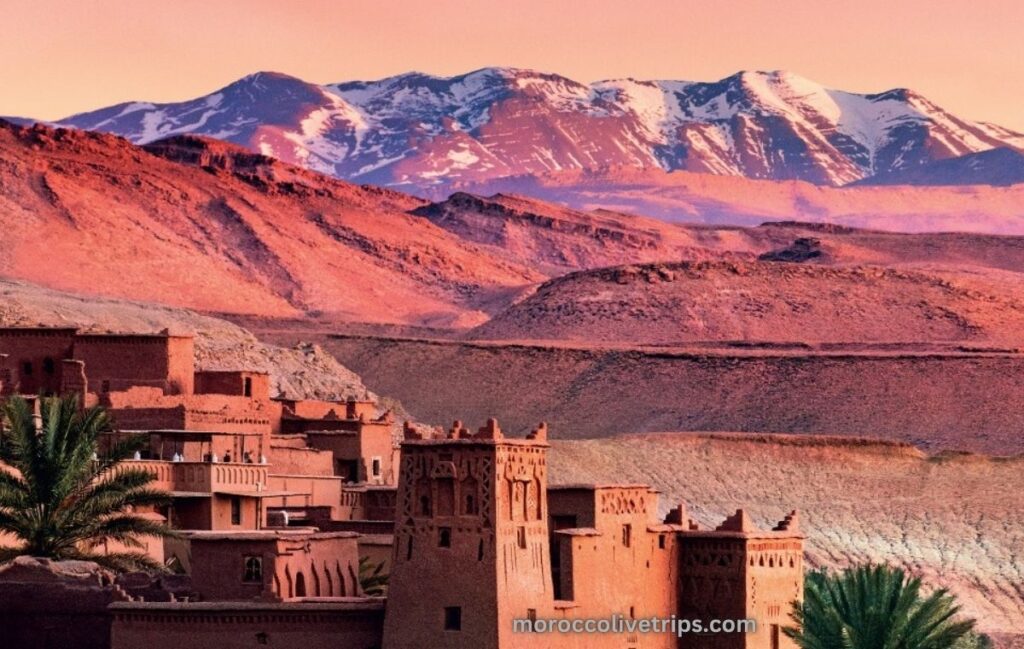
Morocco Live Trips has helped travellers across the North of England turn a short flight from Manchester Airport into one of the most rewarding holidays of their lives. Morocco tours from Manchester combine genuine convenience – direct flights, no connections, no long-haul fatigue – with an experience as rich and varied as anywhere on earth: the Sahara Desert, the Atlas Mountains, ancient imperial cities, and Berber villages that feel a thousand years removed from the M60. This guide covers every package option, every key destination, and everything you need to plan your Morocco trip from Manchester with complete confidence. Why Book a Morocco Tour From Manchester? Manchester Airport offers some of the best Morocco connectivity outside London. Direct flights operate to Marrakech, Casablanca, Agadir, and Tangier, with several airlines including Ryanair, easyJet, and Royal Air Maroc competing on the route – which keeps prices genuinely competitive. Flight time to Marrakech is around 3 hours 40 minutes, making Morocco one of the most accessible long-haul-feeling destinations available from the North of England. What makes Morocco holidays from Manchester so compelling is the contrast packed into such a short flight. In under four hours, you go from Manchester’s grey skies to golden desert dunes, snow-capped mountain peaks, and medieval medinas that have barely changed in centuries. Few destinations deliver that scale of transformation for such a manageable journey. Booking a guided Morocco tour from Manchester with Morocco Live Trips removes every planning complication. Your private driver Morocco-based team, your accommodation, your airport transfers, and your full Morocco itinerary are arranged before you land – no negotiating taxi fares, no researching which riad is genuinely safe, no getting lost trying to navigate the Fes Medina alone on your first morning. Best Morocco Tour Packages From Manchester Morocco tour packages from Manchester at Morocco Live Trips are built around how you actually want to travel. Here is how they break down. Private Morocco Tours From Manchester The most popular option for couples, families, and small groups flying from Manchester. A private Morocco tour package from Manchester means your own vehicle, your own English-speaking guide, and a fully tailor-made Morocco itinerary – no shared minibuses, no fixed group timings, no compromises on where you stop or how long you stay. Morocco Desert Tours From Manchester Built specifically around the Sahara Desert experience. From Marrakech, the route runs through the Atlas Mountains, Ait Ben Haddou, and the Erg Chebbi dunes at Merzouga – complete with camel trekking at sunset and an overnight desert camp stay under one of the clearest night skies in the world. View Morocco Desert Tours → Luxury Morocco Tours From Manchester Luxury Morocco tours from Manchester combine hand-selected five-star luxury riads, premium desert camp upgrades, exceptional Moroccan cuisine, and private guided excursions into a seamless high-end experience. Five-star comfort at a price point that consistently surprises UK travellers used to European luxury pricing. View Luxury Morocco Tours → Family Morocco Holidays From Manchester Family Morocco holidays from Manchester are built around children’s energy and attention spans – shorter driving days, family-friendly riads with courtyard pools, and a pace that keeps everyone comfortable. Morocco is an outstanding family destination once the trip is genuinely designed with kids in mind. Morocco Honeymoon Packages From Manchester A Morocco honeymoon package from Manchester typically includes private riad courtyard dinners, an exclusive desert camp experience, sunrise camel trekking, and a guide who knows exactly when to be present and when to step back. Top Destinations Included in Our Morocco Tours A Morocco trip from Manchester through Morocco Live Trips covers the country’s most rewarding destinations on a route that flows logically and never feels rushed. Marrakech is the starting point for almost every Manchester departure. With direct flights landing right in the city, you can be exploring the souks within the hour. The Djemaa el-Fna square, the Bahia Palace, the Majorelle Garden, and the maze of the medina all reward proper time – most itineraries spend two nights here before heading further afield. Fes Medina is one of Morocco’s most extraordinary cultural experiences – a UNESCO-listed medieval city that has functioned continuously since the 9th century, with its tanneries, madrasas, and markets still operating as they have for a thousand years. A specialist local guide is essential here; the medina is genuinely the largest car-free urban area in the world. Chefchaouen, the famous blue-washed city in the Rif Mountains, adds a completely different texture to longer itineraries – calmer, cooler, and one of the most photographed towns in North Africa. Casablanca anchors northern routes, home to the architecturally stunning Hassan II Mosque, one of the largest mosques in the world, built partly over the Atlantic Ocean. The Atlas Mountains form the dramatic backdrop between Marrakech and the desert. The Tizi n’Tichka mountain pass is one of the most scenic drives in North Africa, winding through Berber villages and terraced valleys. Ait Ben Haddou, the ancient fortified ksar and UNESCO World Heritage Site, sits on the desert approach route and has featured as a filming location for major international productions. Merzouga and the Erg Chebbi Dunes are where most Morocco desert tours from Manchester ultimately lead – towering golden dunes rising directly from the desert floor at the edge of the village. Sahara Desert Experiences You Will Never Forget The Sahara Desert experience is the highlight most Manchester travellers name first when describing their Morocco trip – and it rarely disappoints. Camel trekking at sunset across the Erg Chebbi dunes to your desert camp is the iconic image most people associate with Morocco before they have even visited. The trek takes around an hour, with luggage carried separately so you arrive at the camp completely present, watching the colours shift across the sand. Your desert camp – standard or luxury – is where the evening becomes genuinely unforgettable. Lantern-lit dinner, a fire under the stars, traditional Berber music, and a silence so complete it feels almost physical. Most guests stay outside long after the official “lights out.”
Morocco Tours From London: Private Desert & Cultural Tours for UK Travellers
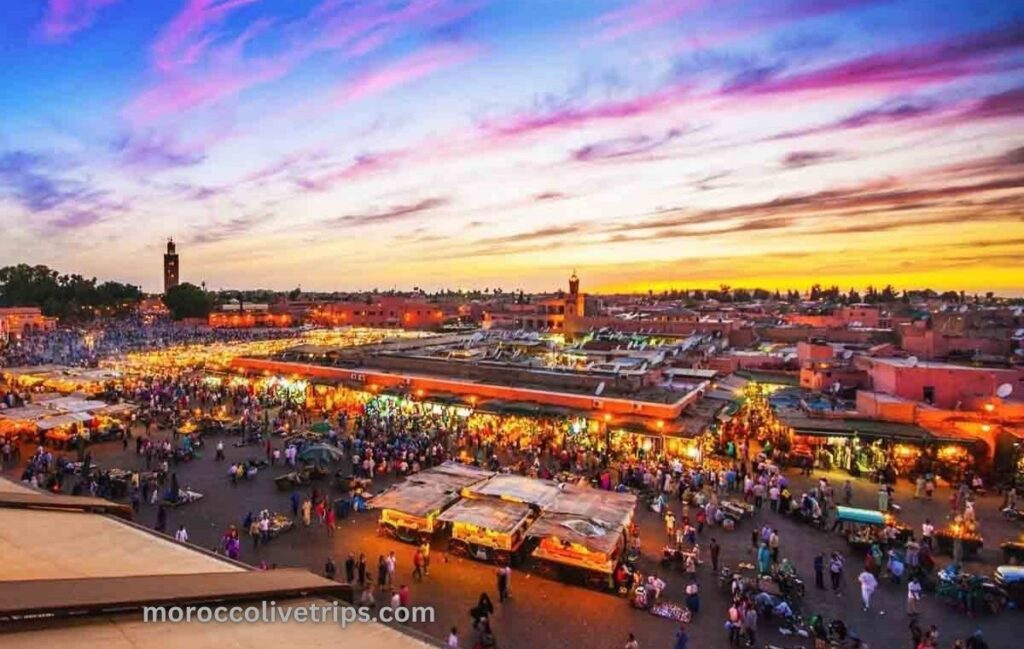
Morocco Live Trips has helped hundreds of London-based travellers reach the Sahara Desert, walk the medinas of Marrakech and Fes, and experience Berber culture in ways that no group tour can replicate. A Morocco tour from London is one of the easiest, most rewarding international journeys you can make – direct flights land you in Marrakech in under four hours, and from there, our private drivers, English-speaking guides, and tailor-made Morocco itineraries handle everything else. This guide covers every package option, every key destination, and every detail you need to book your Morocco trip from London with complete confidence. Why Book a Morocco Tour From London? London is one of the best-connected cities in Europe for Morocco travel. Multiple airlines fly direct from Gatwick, Heathrow, and Stansted to Marrakech, Casablanca, Fes, and Agadir – with flights starting from as little as £80 return if you book ahead. But the real reason Morocco tours from London work so well is the combination of proximity and contrast. In under four hours, you travel from one of the world’s great modern cities into a medieval world of ancient medinas, mountain passes, and golden desert. That contrast – and the ease with which you reach it – is what makes Morocco the most compelling international destination for London travellers in 2026. Booking a guided Morocco tour from the UK removes every planning headache. No research into which riad is safe to book, no navigating the Fes medina alone, no negotiating with drivers at the airport. Your private driver, your guide, your accommodation, and your Morocco travel itinerary are all confirmed before you land. Best Morocco Tour Packages From London Morocco vacation packages from London come in several formats at Morocco Live Trips. Here is how they break down. Private Morocco Tours From London The most popular choice for couples, families, and small groups. A private Morocco tour from London means your own vehicle, your own guide, and a customized itinerary built entirely around your preferences. No shared minibuses, no fixed group schedules, no compromises. You travel at your pace, linger where you love, and move on when you are ready. Luxury Morocco Tours From London Luxury Morocco tours from London combine hand-selected five-star luxury riads, exclusive desert camp upgrades, gourmet Moroccan cuisine, and VIP airport transfers into a seamless premium experience. These packages are designed for travellers who want Morocco’s full richness without any rougher edges. View Luxury Morocco Tours → Morocco Desert Tour Packages From London Built specifically around the Sahara Desert experience. Marrakech to Merzouga and back, covering the Atlas Mountains, Ait Ben Haddou, Todra Gorge, and the Erg Chebbi dunes – with camel trekking at sunset and an overnight desert camp at the centre of it all. View Morocco Desert Tours → Family Morocco Tours From London Morocco family tours from London are structured around children’s needs – shorter driving days, family-friendly riads with courtyard pools, camel rides, and itineraries that balance excitement with comfort. Morocco is an extraordinary family destination when the trip is built around your family specifically. Morocco Honeymoon Packages From London Morocco honeymoon packages from London include private riad courtyard dinners, exclusive desert camp experiences, sunrise camel treks, and a guide who gives you space when you want it. Morocco handles romance better than most destinations twice its price. Top Destinations Included in Our Morocco Tours Morocco trips from the UK through Morocco Live Trips cover the country’s most rewarding destinations – all connected by private transport on a route that makes geographical and experiential sense. Marrakech is where almost every tour from London begins. The city rewards time – the Djemaa el-Fna square at dusk, the Bahia Palace, the Saadian Tombs, the Majorelle Garden, and the labyrinthine souks all deserve more than a rushed morning. Two nights in a good luxury riad in the heart of the medina sets the tone for everything that follows. Fes is the most complex and culturally rich city in Morocco. The UNESCO-listed medina of Fes el-Bali is a medieval city that has operated continuously since the 9th century – its tanneries, madrasas, mosques, and markets are extraordinary with the right guide beside you. Without a guide, the medina is genuinely disorienting. With one, it is one of the most immersive cultural experiences available to any traveller from the UK. Chefchaouen brings a completely different atmosphere to any Morocco itinerary from London – the famous blue-washed alleys of the Rif Mountain city are calmer, cooler, and extraordinarily photogenic. A half day here feels like stepping into a different country entirely. Casablanca anchors northern itineraries with the Hassan II Mosque – one of the world’s largest and most architecturally extraordinary mosques, built partly over the Atlantic Ocean. The city itself is Morocco’s commercial capital and offers some of the finest Moroccan cuisine restaurants in the country. The Atlas Mountains are the dramatic backdrop that separates Marrakech from the desert. The Tizi n’Tichka mountain pass is one of the most scenic drives in North Africa – your private driver handles the road while you take in the views across ridge after ridge of the High Atlas. Ait Ben Haddou is the ancient fortified ksar and UNESCO World Heritage Site on the desert approach route. A private guide through the village’s earth-built towers and narrow passages adds context that makes the landscape come alive. Merzouga and the Erg Chebbi Dunes are the destination most London travellers name first when asked why they chose Morocco. The dunes rise to 150 metres at the edge of the village – amber at midday, blood red at sunset, pale gold at dawn. This is the Sahara Desert in its most dramatic and accessible form. Sahara Desert Experiences The Sahara desert experience is the centrepiece of most Morocco tours from London – and it earns that status completely. Camel trekking at sunset across the Erg Chebbi dunes to your camp is the image most people carry with them for years. The trek takes around an hour. Your luggage
Morocco Desert Tours From UK: Private Sahara Adventures & Luxury Desert Experiences
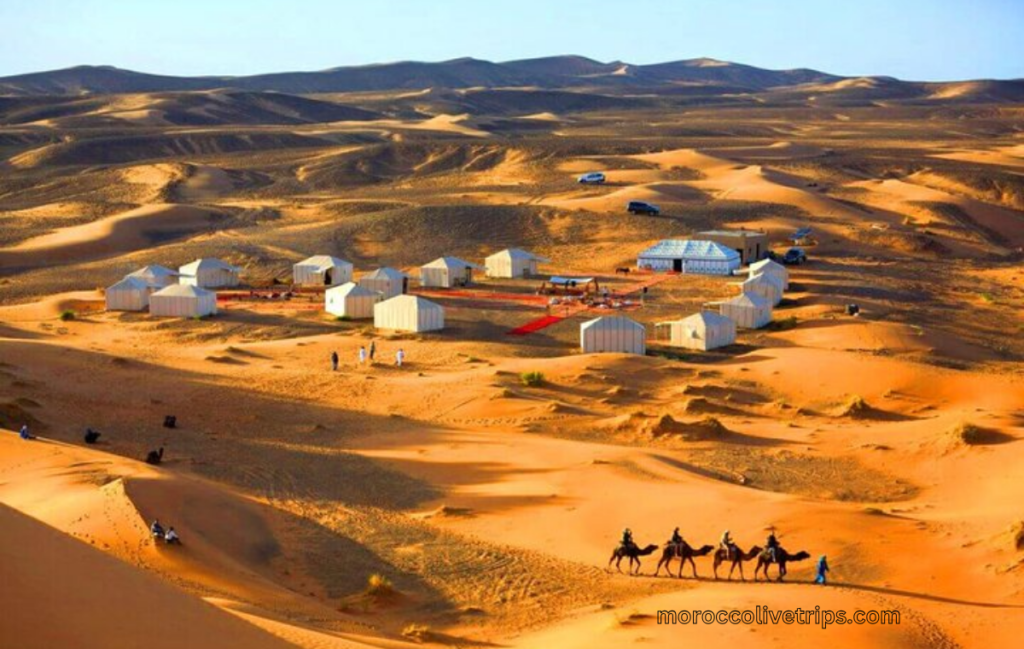
At Morocco Live Trips, we have guided British travellers into the Sahara Desert for years – and not one of them has returned disappointed. A Morocco desert tour from the UK is not just a holiday add-on. For most people, it becomes the single most memorable travel experience of their lives. This guide covers everything you need to know – which tour suits you, what the experience actually involves, how much it costs, and how to book directly with a local operator who knows every dune.Looking beyond the Sahara Desert? Explore our complete range of Morocco tours from UK to discover cultural, luxury, family, and private travel experiences across the country. Why Choose a Morocco Desert Tour From the UK? The Sahara Desert is three and a half hours from London. That is closer than Iceland, further than Spain, and incomparably more dramatic than either. Morocco desert holidays from the UK sit in a unique category – they are genuinely exotic without being logistically complicated. Direct flights from London, Manchester, and Birmingham land in Marrakech, and from there your private driver handles everything. No connections, no complex visas, no unfamiliar transit systems. Here is what makes a Sahara desert tour from the UK worth choosing over any other desert destination in the world: What Makes the Sahara Desert One of Morocco’s Top Experiences? People describe the Sahara in ways that sound like exaggeration until they get there. The silence. The scale. The colour of the dunes at golden hour. The sky at midnight with no light pollution for hundreds of kilometres. The Erg Chebbi dunes near Merzouga are the centrepiece of every Morocco desert tour. These are not small dunes. Erg Chebbi rises to around 150 metres – walls of deep amber sand that shift colour from burnt orange at noon to blood red at sunset to pale gold at dawn. What makes the experience genuinely special is the combination of elements that arrive together: This is not a theme park desert experience. It is the real Sahara, accessed with the comfort and confidence of a professional local guide beside you. Explore our Morocco Desert Tours → Our Most Popular Morocco Desert Tours Every Morocco desert tour from the UK we build at Morocco Live Trips is tailored to your group – but these popular structures give you a clear starting point. 3-Day Sahara Desert Tour From Marrakech The shortest route to the desert and back. Marrakech → Ait Ben Haddou → Dades Valley → Merzouga dunes → camel trek → overnight desert camp → return to Marrakech. Covers the most dramatic landscapes on the southern route and delivers the full overnight desert experience in three packed days. Perfect for travellers adding a desert extension to a longer Morocco trip. View 3-Day Desert Tour → 5-Day Morocco Desert Tour From UK Adds breathing room to the southern route – time to explore Todra Gorge properly, a slower camel trek arrival at the dunes, and a more relaxed return journey through the Draa Valley. Five days gives you the desert without sacrificing the extraordinary landscapes that surround it. 7-Day Sahara Desert Tour From UK Our most popular Morocco desert tour package from the UK. Marrakech → Atlas Mountains → Ait Ben Haddou → Ouarzazate → Dades Valley → Todra Gorge → Merzouga → 2 nights desert camp → return via a different southern route. Seven days covers every major desert landscape and gives you two full desert camp nights – enough time for a sunset camel trek, an evening around the fire, a midnight stargazing session, and a sunrise dune climb. View 7-Day Sahara Tour → 10-Day Sahara Desert Tour Morocco The complete southern Morocco journey. Adds Fes or Chefchaouen to the desert route, combining the imperial cities with the full Sahara experience. Ten days is the sweet spot for UK travellers who want cultural depth alongside the desert adventure. View 10-Day Desert Tour → Private Luxury Sahara Desert Tour A fully bespoke luxury Sahara desert tour from the UK built around your preferences. Luxury desert camp accommodation with private en-suite tented suites, gourmet dining under the stars, private camel trek, exclusive dune access at sunrise, and a personalized itinerary at every stage. Designed for couples, honeymooners, and travellers who want the Sahara without any compromise. View Luxury Desert Tour → Highlights of Our Sahara Desert Experience A Morocco Live Trips Sahara desert experience is built around the moments that matter most. The approach through the Atlas Mountains is the journey most travellers forget to anticipate and end up loving almost as much as the desert itself. The road from Marrakech south through the Tizi n’Tichka pass delivers panoramic views across mountain ridges before descending into the pre-Saharan landscapes of the south. Your private driver handles the roads – you handle the photography. Ait Ben Haddou sits on the route between Marrakech and the desert and earns its UNESCO World Heritage status at every angle. The ancient fortified ksar, built from earth and straw beside the Ouarzazate River, has served as a filming location for productions recognisable worldwide. Your private guide brings the history alive in a way no audio guide can replicate. Todra Gorge – a narrow canyon of 300-metre limestone walls through which a cold river runs – is one of Morocco’s most dramatic natural landscapes. Most tours stop here for an hour. We stop for long enough to walk through it properly and eat lunch beside the water. The camel trek to your desert camp at Erg Chebbi begins in the late afternoon, timed to arrive at the camp as the dunes turn red. The trek takes around an hour. Your luggage travels separately with your driver so you arrive at the camp hands-free and completely present. The desert camp itself – whether standard or luxury – is the emotional centrepiece of the entire tour. Dinner is served by lantern light. A fire is lit after dark. Music plays. The temperature drops. The sky fills with stars.
Luxury Morocco Tours From UK: Private & Tailor-Made Luxury Holidays
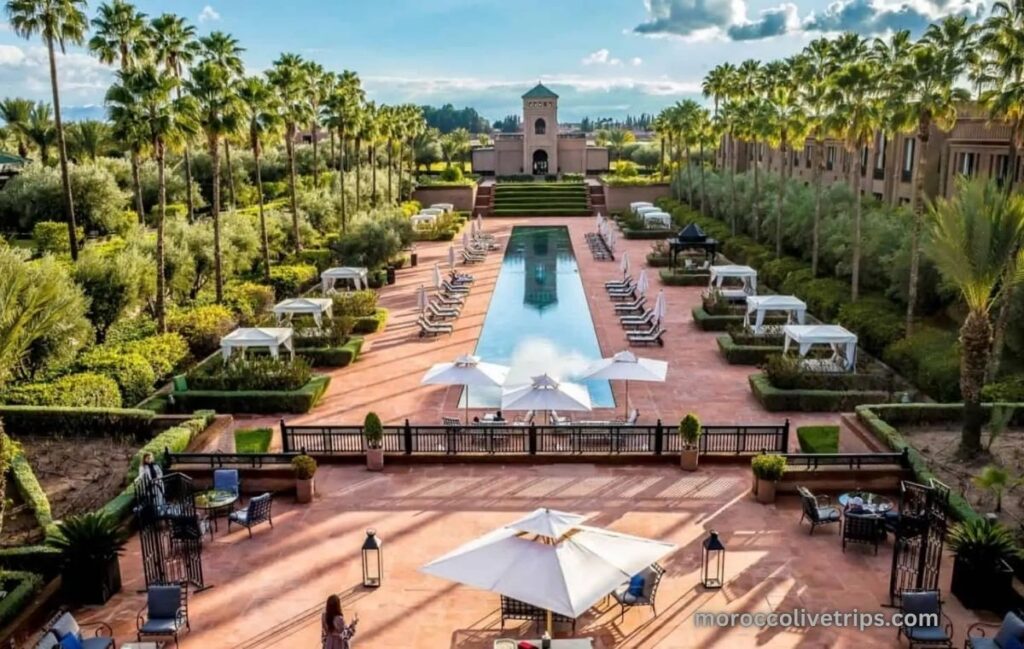
Morocco Live Trips designs luxury Morocco tours from the UK for travellers who want more than a standard holiday – those who value a private driver who knows every back road, a luxury riad chosen for its rooftop views, a Sahara desert camp where the silence is total, and a personalised itinerary that nobody else is following. This guide tells you exactly what a luxury Morocco tour from the UK looks like, what it costs, and how we build yours from scratch. Why Choose a Luxury Morocco Tour From the UK? Morocco is one of the few destinations in the world where premium travel genuinely elevates the experience rather than simply adding comfort to something you could do cheaply. The country rewards those who go deeper. A luxury guided tour of Morocco opens doors that standard packages never reach – a private dinner in a 16th-century riad courtyard, a sunrise camel ride with the dunes completely to yourselves, a master craftsman’s workshop that no group tour visits. Luxury Morocco holidays from the UK are not just about better hotels. They are about a fundamentally different quality of experience. For UK travellers, the practical case is equally strong. Morocco is just 3.5 hours from London by direct flight. The time zone difference is minimal. And compared to equivalent luxury travel experiences in Europe or the Maldives, Morocco delivers extraordinary value – five-star service, boutique hotels, gourmet dining, and exclusive access at a price point that surprises even experienced travellers. What Makes Our Luxury Morocco Tours Different? Most luxury Morocco tour packages sold through UK-based operators are assembled from third-party suppliers they have never personally vetted. Morocco Live Trips works differently. We are based in Morocco. Every luxury riad, every desert camp, every private driver we use is someone we have stayed with, driven with, and worked alongside. When we recommend a property, it is because we know it – not because it appeared in a brochure. Here is what sets our luxury private Morocco tours apart: Our Most Popular Luxury Morocco Tour Itineraries Every luxury Morocco itinerary we build is custom. These popular structures give you a strong starting point. 7-Day Luxury Sahara Desert Tour The most requested luxury Morocco trip from the UK. Begins in Marrakech with two nights in a five-star riad, moves through the Atlas Mountains and Ait Ben Haddou, and arrives at the Sahara dunes of Merzouga for two nights in an exclusive luxury desert camp. Private vehicle throughout, English-speaking driver-guide, gourmet dinners, and a sunrise camel ride with the dunes entirely to your group. View 7-Day Luxury Itinerary → 10-Day Luxury Imperial Cities and Desert Tour Our most popular format for UK couples and luxury family travellers. Ten days covers Marrakech, Fes, the Sahara Desert, and Chefchaouen – Morocco’s four most rewarding destinations – staying exclusively in hand-selected luxury riads and boutique hotels. A luxury Morocco itinerary of 10 days at this level is the benchmark against which every other Morocco holiday is measured. View 10-Day Luxury Itinerary → 14-Day Grand Luxury Morocco Journey The complete bespoke Morocco holiday. Fourteen days moves through Casablanca, Rabat, Chefchaouen, Fes, the Atlas Mountains, Ait Ben Haddou, the Sahara Desert, Essaouira, and Marrakech – with every night in a carefully chosen luxury accommodation, every meal considered, and every transition made in complete comfort. This is Morocco as it deserves to be experienced. View 14-Day Luxury Itinerary → Luxury Morocco Honeymoon Package Designed specifically for couples. Private transfers, the most romantic riads in Marrakech and Fes, a private luxury desert camp experience, a candlelit dinner in a medina courtyard, and a Hammam & Spa session for two. Every detail is arranged to feel effortless. View Luxury Honeymoon Package → Destinations Included in Our Luxury Morocco Tours Luxury Morocco travel packages from Morocco Live Trips take you through the country’s most rewarding destinations – with the time, access, and expertise to experience each one properly. Marrakech is where most luxury Morocco tours begin. Your private guide takes you through the Bahia Palace, the Saadian Tombs, and the Djemaa el-Fna at the hour when the light is right – not when the group bus arrives. Evenings in Marrakech at a five-star riad, with a rooftop dinner and the call to prayer drifting across the medina, are among the most memorable experiences in travel. Explore Marrakech Tours → Fes is the intellectual soul of Morocco. The medina of Fes el-Bali – a UNESCO World Heritage Site – rewards those who move through it slowly, with a knowledgeable guide and no time pressure. Your private guide takes you to the Chouara Tannery from a private terrace above it, into the woodcarvers’ souks, and through the city’s great madrasas with genuine historical context. The Sahara Desert (Merzouga) is the centrepiece of every luxury Sahara desert tour from the UK. A private camel trek to your exclusive desert camp at sunset, a traditional Berber dinner under billions of stars, and a dawn walk to the top of a dune before anyone else is awake – this is what luxury desert tours in Morocco actually deliver at their best. View Morocco Desert Tours → Chefchaouen sits in the Rif Mountains and offers a completely different energy from the imperial cities – quieter, cooler, and extraordinarily photogenic. A private guide here unlocks the city’s history and takes you to viewpoints and cafes that group tours never reach. The Atlas Mountains form one of Morocco’s most dramatic landscapes. Luxury Morocco tour packages that include the Atlas Mountains offer private hikes with Amazigh guides, traditional Berber lunches in mountain villages, and the extraordinary Todra Gorge – a canyon with walls over 300 metres high. Ait Ben Haddou, the ancient fortified ksar and UNESCO World Heritage Site between Marrakech and the desert, deserves more than a standard 30-minute stop. On a private tour, you can spend two hours exploring it with a guide who explains its history properly. Casablanca and Essaouira complete longer itineraries – the Hassan II Mosque and the
Private Morocco Tours From UK: Tailor-Made Holidays Designed Around You
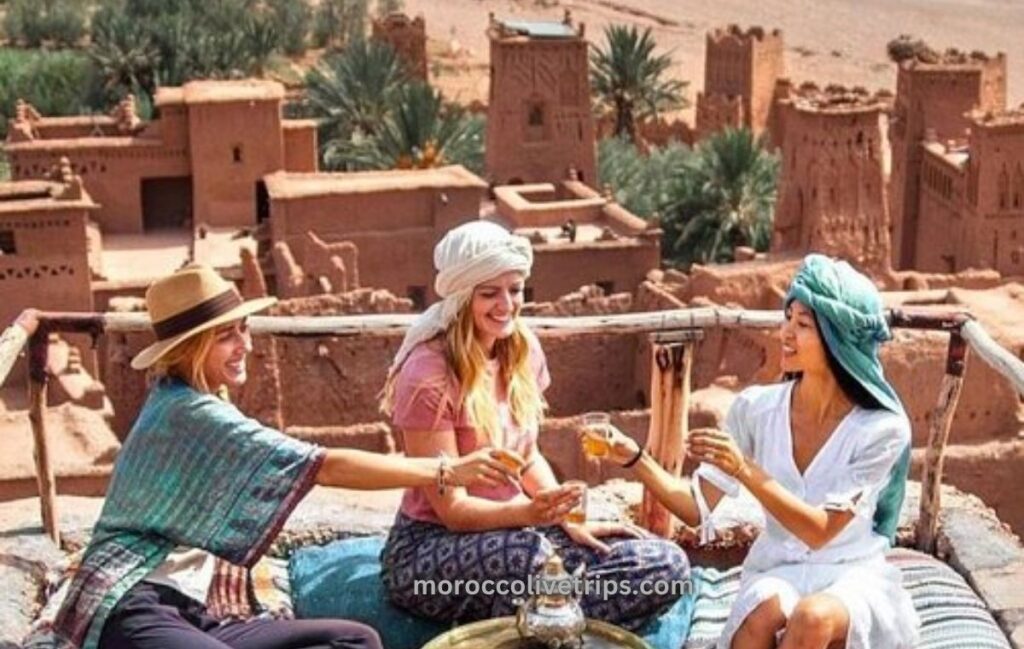
At Morocco Live Trips, we design every private Morocco tour from the UK around one thing – you. Not a fixed group. Not a standard itinerary. Not someone else’s idea of what your holiday should look like. UK travellers choose private tours because Morocco rewards those who move through it at their own pace, with a guide who answers to them alone. This guide explains exactly what a private Morocco tour involves, who it suits, what it costs, and how we build yours from scratch. What Is a Private Morocco Tour? A private Morocco tour is not just a regular tour with fewer people. It is a completely different travel experience from the ground up. When you book a private tour with Morocco Live Trips, you get: No shared minibuses. No waiting for other travellers. No compromises on timing or destination. A private Morocco tour from the UK puts the entire experience in your hands. Why UK Travellers Choose Private Morocco Tours British travellers who have done group tours before often describe the same frustrations – rushed mornings, destinations that don’t interest them, and no time to explore properly. Private Morocco tours solve every one of those problems. Here is why more UK travellers are choosing private over group: Who Are Private Morocco Tours Best For? Private Morocco tours from the UK suit a wide range of travellers. If you fall into any of the following categories, a private tour is almost certainly the right choice for you. Couples and Honeymooners – Morocco is deeply romantic. Private candlelit riad dinners, a desert camp to yourselves, and a guide who disappears when you want space – this is what a honeymoon in Morocco should look like. View our Private Morocco Tour for Couples → Families – Children need flexibility. Nap times, meal preferences, pace adjustments, and the freedom to spend an extra hour at the camel farm – private tours handle all of it without inconveniencing anyone else. Morocco is a wonderful family destination when the trip is built around your family specifically. Small Groups of Friends – Four to eight friends travelling together can split the cost of a private vehicle, get a custom itinerary that fits everyone’s interests, and travel with the feel of a group adventure and the comfort of private service. Luxury Travellers – If you want five-star riads, exclusive desert camp upgrades, private cooking classes, and a guide who knows every high-end restaurant worth visiting, a luxury private Morocco tour delivers that without compromise. First-Time Visitors – Morocco’s medinas are genuinely disorienting for first-time visitors. Having a dedicated guide navigating, translating, and contextualising everything you see makes the difference between feeling lost and feeling completely immersed. Seniors – Private tours set their own pace. No rushed walks through souks, no early departures, no standing for long periods. The itinerary bends to what is comfortable for you.Explore our Morocco tour for Seniors→ Popular Private Morocco Tour Itineraries Every itinerary we build at Morocco Live Trips is customised – but these popular structures give you a strong starting point. 5-Day Private Morocco Tour A focused introduction to Morocco. Typically covers Marrakech, the Atlas Mountains, and one night in a desert camp at Merzouga. Ideal for travellers with limited time who still want the iconic Sahara experience. 7-Day Private Sahara Desert Tour The most popular private tour length for UK travellers. Moves from Marrakech through Ait Ben Haddou, the Draa Valley, Todra Gorge, and into the Sahara for two nights at the desert camp, before returning through a different route. Every day brings a completely different landscape. View 7-Day Itinerary → 10-Day Imperial Cities and Desert Tour Combines the Sahara Desert experience with Morocco’s great imperial cities – Marrakech, Fes, and Meknes. Ten days is the sweet spot for UK travellers who want depth alongside the highlights. Add Chefchaouen for an unforgettable blue-city afternoon. View 10-Day Itinerary → 14-Day Grand Morocco Journey The full country. Casablanca, Rabat, Chefchaouen, Fes, Meknes, the Atlas Mountains, Ait Ben Haddou, the Sahara Desert, Essaouira, and Marrakech – two weeks in Morocco covers every major landscape and culture the country offers. This is for travellers who want to come back knowing they saw it properly. View 14-Day Itinerary → Looking for more travel styles and itineraries? Explore our Morocco tours from UK to compare private, luxury, family, and desert experiences. Destinations Included in Our Private Morocco Tours A private tour from Morocco Live Trips moves through the country’s most rewarding destinations – and the ones that rarely appear on a standard group tour itinerary. Marrakech opens almost every tour. The Djemaa el-Fna square, the Bahia Palace, the souks, and the Koutoubia Mosque are all here. Your private guide takes you through the medina with context and confidence, not confusion. Fes is Morocco’s most complex and rewarding city. The 9th-century medina of Fes el-Bali is a UNESCO World Heritage Site – a medieval maze of tanneries, mosques, and madrasas that genuinely cannot be navigated without a knowledgeable local guide. Chefchaouen, the famous blue city in the Rif Mountains, brings a completely different energy to any itinerary – slower, cooler, and extraordinarily photogenic at every turn. The Sahara Desert (Merzouga) is the centrepiece of most private Morocco tours. Arriving at the Erg Chebbi dunes at golden hour, riding a camel to your desert camp, and waking to sunrise over the dunes – this is the moment UK travellers talk about for years. View Morocco Desert Tour → The Atlas Mountains provide some of the most dramatic driving scenery in North Africa and are home to the Amazigh (Berber) villages that most group tours drive straight past. Ait Ben Haddou – the ancient fortified ksar and UNESCO World Heritage Site – sits between Marrakech and the desert and deserves more than a five-minute photo stop. Casablanca and Essaouira round out longer itineraries – the Hassan II Mosque and the wind-swept Atlantic coast town respectively, both unmissable in their own right. What Is Included in a Private
Morocco Tour Packages From UK: Private, Luxury & Sahara Desert Tours
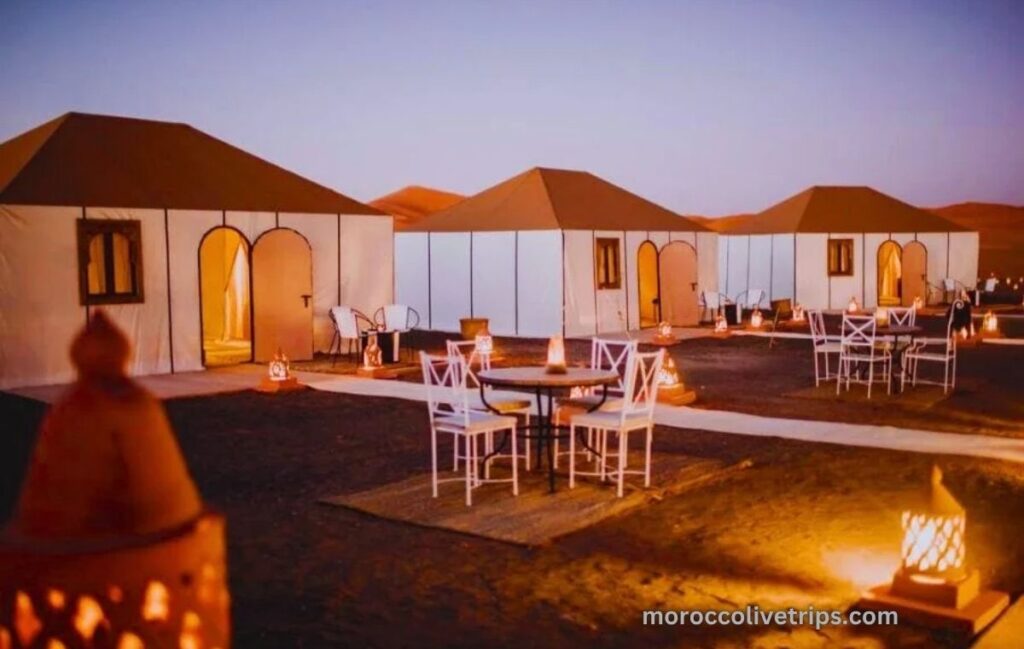
At Morocco Live Trips, we have been helping British travellers plan unforgettable Morocco tour packages from the UK for years – from first-timers exploring Marrakech to families sleeping under the stars in the Sahara Desert. This guide covers everything you need to know: what packages are available, how much they cost, which one suits your travel style, and how to book with confidence. Why Choose a Morocco Tour Package From the UK? Planning a trip to Morocco independently sounds exciting – until you realise how much goes into it. Morocco holidays from the UK are best enjoyed when the logistics are already sorted. A well-organised guided Morocco tour from the UK puts a professional local guide, a private driver, and a carefully mapped Morocco itinerary in your hands from day one. You are not spending hours comparing riads on booking sites or haggling with taxi drivers outside the airport. Every transfer, every hotel, every desert camp night – it is all handled. The value difference is real too. When accommodation, private transportation, meals, and cultural experiences are bundled together, you almost always pay less than booking each piece separately. More importantly, you get more – local knowledge, hidden spots, and the kind of access that independent travellers simply cannot arrange on their own. Our Most Popular Morocco Tour Packages There is a Morocco travel package from the UK for every schedule and travel style. Here is how our packages are structured at Morocco Live Trips. Short Morocco Tours – 5 to 7 Days Perfect for travellers with limited annual leave who still want a proper Morocco experience. A 5 to 7-day package typically covers Marrakech, a journey through the Atlas Mountains, and one or two nights at a desert camp in Merzouga. It is fast-paced but deeply rewarding – and it fits neatly into a standard UK work week with a long weekend on either side. Classic Morocco Tours – 8 to 10 Days This is our most booked range. Eight to ten days is enough time to move through Marrakech, Fes, the Sahara Desert, and the dramatic landscapes of Ait Ben Haddou without ever feeling rushed. A classic Morocco tour from the UK at this length gives you the full picture – ancient medinas, mountain passes, and golden dunes all in one trip. Explore our Classic Morocco Tour for 10 Days → Extended Morocco Tours – 12 to 14 Days Two weeks in Morocco is a journey, not just a holiday. Extended packages bring in destinations like Chefchaouen, Casablanca, Essaouira, and the Draa Valley alongside the classic route. If you want Morocco properly – its full diversity of landscapes, cultures, and characters – this is the length to choose. Private and Customised Morocco Tours Not every traveller fits a group itinerary. Private Morocco tours from the UK are designed entirely around your preferences – your travel dates, your pace, your must-see destinations. Couples, families, and small friend groups particularly love this option. You get the full service of a guided tour without sharing a minibus with strangers. Build Your Private Morocco Tour → Not sure which package is right for you? Browse our complete Morocco tour guide for a full overview of available tours. Destinations Included in Morocco Tour Packages A quality Morocco tour package does not just send you to one city. Here is what most itineraries from Morocco Live Trips cover and why each destination earns its place. Marrakech is where almost every Morocco tour begins. The Djemaa el-Fna square, the spice-filled souks, the Bahia Palace, and the Koutoubia Mosque are all here. It is chaotic, colourful, and completely unlike anywhere else on earth. Fes is Morocco’s intellectual and spiritual capital. The medieval medina of Fes el-Bali is a UNESCO World Heritage Site – a 9th-century city that has barely changed in a thousand years. Walking through it with a knowledgeable local guide is one of the most genuinely immersive experiences available to any traveller from the UK. Discover our Fes Tour → The Sahara Desert (Merzouga) is the highlight of most British travellers’ Morocco experience. Arriving at the dunes of Erg Chebbi at golden hour, boarding a camel for a camel trekking ride to your camp, and waking up to a sunrise over the dunes – this is the moment people talk about for years. View our Morocco Desert Tour → Chefchaouen, the famous blue city in the Rif Mountains, has become one of Morocco’s most photographed destinations. Every alleyway is painted in shades of blue and white, and the atmosphere is noticeably more relaxed than the imperial cities. Casablanca is Morocco’s modern commercial capital. The Hassan II Mosque – one of the largest mosques in the world, built partly over the Atlantic Ocean – is genuinely breathtaking and should not be missed. The Atlas Mountains separate Marrakech from the Sahara and provide some of the most dramatic driving scenery in North Africa. Many tours stop in Ait Ben Haddou, the ancient fortified village used as a filming location for major international productions and another UNESCO-listed site. What Is Included in a Morocco Tour Package? When you book with Morocco Live Trips, here is exactly what comes with your package. ✅ Included ❌ Not Included How Much Do Morocco Tour Packages From the UK Cost? Morocco tour cost from the UK is one of the most common questions we receive – and the honest answer is that it depends on several factors. Duration is the biggest variable. A 5-day package starts from around £400 to £500 per person (excluding flights). A classic 10-day tour typically runs between £800 and £1,400 per person depending on accommodation level and group size. Extended 14-day itineraries range from £1,200 to £2,200 per person. Accommodation level moves the price significantly. Budget tours use comfortable but simple hotels and standard desert camps. Luxury Morocco tours from the UK feature five-star riads, exclusive camp experiences, and private fine-dining arrangements – these typically start from £1,500 per person for 10 days, excluding flights.
Morocco Tours From UK: Complete Guide for British Travellers (2026)
Morocco is closer than most British travellers think – and Morocco Live Trips has helped hundreds of UK visitors discover why this North African gem is now one of the most searched travel destinations from Britain. With short flights, rich culture, golden deserts, and incredible value for money, a Morocco tour from the UK is one of the smartest holiday decisions you can make in 2026. Why Choose a Morocco Tour From the UK? Morocco sits just 2–3 hours from most UK airports, making it one of the easiest international destinations to reach. You don’t need a long-haul flight or a complicated connection to land somewhere completely different from home. Morocco holidays from the UK offer something rare – genuine cultural depth combined with comfort and affordability. From the Sahara Desert to the ancient medinas of Fes and Marrakech, every corner of Morocco tells a different story. Morocco travel packages from the UK give you the structure to experience all of it without the stress of planning everything yourself. You get local guides, private transport, handpicked riads, and itineraries built around what British travellers actually want to see. Best Morocco Tour Packages From the UK There is a Morocco tour package from the UK for every type of traveller. Whether you want a quick cultural escape or a slow, immersive journey, here are the main options worth knowing. Classic Morocco Tour A classic tour usually covers Marrakech, the Atlas Mountains, and the Sahara Desert in 7 to 10 days. It is the most popular choice for first-time visitors from the UK who want to see the highlights without rushing. You stay in authentic riads, visit souks, and experience a desert camp under the stars – all handled by your guide from start to finish. The Sahara Desert is one of Morocco’s most iconic attractions. Discover our Morocco desert tours from UK designed for travellers seeking adventure, culture, and breathtaking landscapes. Sahara Desert Tour The Sahara is the single biggest draw for British travellers. A dedicated Sahara Desert tour takes you from Marrakech through the dramatic Draa Valley and Todra Gorge to the dunes of Merzouga. You ride camels at sunset, sleep in a luxury or standard desert camp, and wake up to one of the most beautiful sunrises on earth. Explore our Morocco Desert Tour → Imperial Cities Tour This tour focuses on Morocco’s four imperial cities – Marrakech, Fes, Meknes, and Rabat. It is perfect for travellers who love history, architecture, and local culture more than beaches or desert. The medina of Fes is a UNESCO World Heritage Site and one of the most fascinating places in the world to walk through. Discover our Fes Tours → Luxury Morocco Tour Luxury Morocco tours from the UK are growing fast in demand. These packages feature five-star riads, private vehicles, expert English-speaking guides, fine dining, and exclusive experiences like private cooking classes or sunrise desert camel rides. Morocco’s luxury scene punches well above its price point compared to European destinations. Private Morocco Tour A private Morocco tour from the UK means the entire experience is designed around you. Your dates, your pace, your interests. Morocco Live Trips specialises in fully customised private itineraries for couples, families, and small groups who want the flexibility of independent travel with the security of a professional local team behind them. Prefer a personalized itinerary with a dedicated driver and flexible schedule? Our private Morocco tours from UK are designed around your travel style. Popular Morocco Itineraries for UK Visitors The right length depends on how much you want to see. Here is an honest breakdown of what each timeframe gives you. 7-Day Morocco Tour A 7-day Morocco itinerary is tight but doable if you focus. Most travellers spend two nights in Marrakech, then head south through the Atlas Mountains to the Sahara for two nights, before returning via a different route. You see the desert, the mountains, and the medina – the three pillars of a Morocco experience. View 7-Day Itinerary → 10-Day Morocco Tour Ten days is the sweet spot. A 10-day Morocco itinerary lets you add Fes or the Atlantic coast without feeling rushed. You can slow down in the desert, spend a full day lost in the Fes medina, and still have time for a relaxed final evening in Marrakech. Most repeat visitors say they wish they had done 10 days on their first trip. 14-Day Morocco Tour Two weeks unlocks the full country. A 14-day itinerary can include all four imperial cities, the Sahara, the Rif Mountains, the blue city of Chefchaouen, and coastal towns like Essaouira or Asilah. This is the choice for travellers who want to go deep rather than just tick the highlights. How Much Does a Morocco Tour From the UK Cost? Morocco tour cost from the UK varies widely depending on your travel style, but here is a realistic overview to help you budget properly. Flights from London to Marrakech or Casablanca typically cost between £80 and £300 return, depending on how far in advance you book and whether you fly from London, Manchester, or Birmingham. Accommodation ranges from £30 per night in a good mid-range riad to £150+ per night in a luxury property. Tour packages from Morocco Live Trips start from around £500 per person for a 7-day guided tour, covering transport, accommodation, and most meals. Morocco holiday prices are among the best value in the Mediterranean region. Food is inexpensive – you can eat very well for under £10 per day in local restaurants. Transport between cities is included in your tour package, so you never need to worry about negotiating prices or navigating unfamiliar roads. When you add it all up, a quality 10-day Morocco tour from the UK typically costs between £1,200 and £2,500 per person all-in, including flights. Wondering how much a trip to Morocco will cost? Read our complete Morocco tour cost guide for a detailed price breakdown. Flights From the UK to Morocco Getting to Morocco from
Understanding Moroccan People Before You Visit Morocco
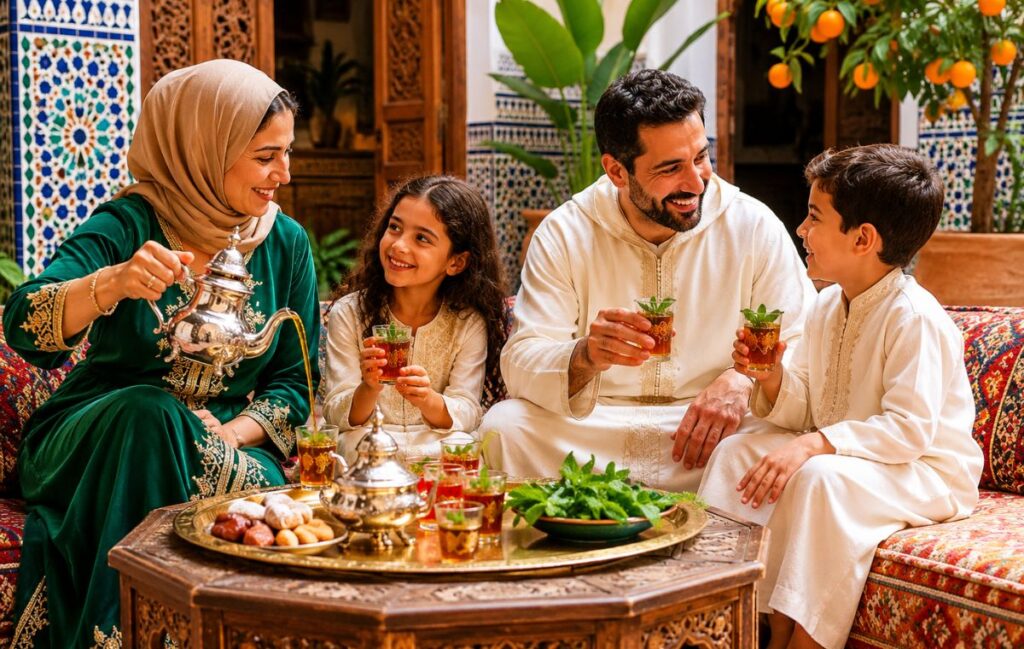
If you’re planning a trip to Morocco, understanding the people is just as important as knowing which cities to visit or what food to eat. The landscape is spectacular – but it’s the people who make Morocco unforgettable. Morocco is a country of extraordinary depth, shaped by Amazigh roots, Arab heritage, Andalusian influence, sub-Saharan trade, and a Mediterranean coastal openness that has drawn travelers for centuries. The people carry all of that history in how they greet you, feed you, and welcome you into their world. This is not a list of stereotypes or a surface-level cultural checklist. It’s an honest, thoughtful look at Moroccan values, social customs, daily life, and character by Morocco Live Trips – written to help you connect more meaningfully with the people you’ll meet along the way. Who Are Moroccan People? A Brief Cultural Background Morocco sits at the crossroads of Africa, the Arab world, and Mediterranean Europe – and that geography has shaped everything about its people. The majority of Moroccans are of Amazigh (Berber) descent, even among those who identify primarily as Arab today. The Amazigh are the indigenous population of North Africa, with a documented history stretching back more than five thousand years. Arabic and Amazigh (Tamazight) are both official languages. French is widely spoken in business, education, and signage. Spanish remains common in the northern regions near Tetouan and Nador. Many Moroccans – especially in cities and tourist areas – move between three or four languages comfortably. That’s not a coincidence; it reflects a culture built on trade, movement, and openness to outsiders. Islam is central to daily Moroccan life. It’s not simply a religious identity – it shapes time, greetings, meals, architecture, family structure, and social values. You cannot understand Moroccan people without understanding that. Core Values That Shape Moroccan Society Hospitality Is Genuine, Not Performative Moroccan hospitality – known in Arabic as diyafa – is one of the defining pillars of the culture. When a Moroccan invites you into their home for tea or a meal, that invitation is sincere. Declining without a good reason can feel dismissive, even rude. The tradition of offering mint tea to guests is almost sacred. You’ll encounter it everywhere – in homes, carpet workshops, rural guesthouses, and family riads. Accepting tea is a gesture of openness and respect. Refusing politely is always understood, but accepting it is always the warmer choice. It’s fair to note that in heavily touristed areas, some commercial interactions borrow the language of hospitality. A little discernment helps. But the genuine warmth you’ll find in smaller towns, private homes, and off-the-beaten-path communities is entirely real – and it will stay with you long after you leave. Family Is the Center of Everything Moroccan society is family-first in a way that many Western visitors find striking. Multi-generational households are common. Major life decisions – where to live, who to marry, what career to pursue – regularly involve extended family input, and this isn’t resented; it’s expected. Elders are treated with visible, active respect. You’ll see it in how people speak to older relatives, how they’re seated first at meals, and how their opinions shape family decisions. This reflects a genuine social value around continuity, duty, and gratitude – not just inherited convention. If you’re invited to meet someone’s family during your time in Morocco, treat it as the honor it almost certainly is. Community Over Individual Expression Moroccan culture is collective rather than individualistic. The neighborhood (hay), the quarter, the family unit – these are the primary social anchors. People look out for each other in ways that can feel both warmly enveloping and a little overwhelming to solo travelers accustomed to privacy. Don’t be surprised if strangers ask where you’re from, whether you’re married, or how old you are within minutes of meeting you. In Moroccan social culture, these aren’t intrusive questions. They’re connection-building – a way of establishing who you are and where you fit in the shared world. What Moroccan People Are Like in Daily Life One of the most useful things to know before visiting Morocco is what ordinary daily life actually looks like – not the version curated for tourists, but the rhythm that runs beneath it. Mornings in most Moroccan cities begin early. The fajr call to prayer sounds before sunrise, and many neighborhoods wake up with it. Small bread bakeries (ferran) open early, and it’s common to see people collecting fresh khobz on their way somewhere before 7am. Corner cafes fill with men sharing coffee and msemen (flaky Moroccan flatbread) while watching the street come alive. Afternoons slow down. Lunch is often the main meal of the day – a proper, cooked meal eaten at home when possible, usually shared. The siesta culture isn’t universal, but a quieter pace after midday is real, especially in summer. Evenings are social. Families gather. In summer and during Ramadan, medina alleyways come alive at night with food vendors, conversation, and music. The souk economy runs on its own clock – afternoons and evenings are when business is most active. This rhythm matters for travelers. Morocco doesn’t operate on the same schedule as Europe. Things move differently here – sometimes slower, sometimes in ways that feel chaotic, but always with their own internal logic. Religion and Daily Life Morocco is a predominantly Sunni Muslim country, and Islam is woven into the rhythm of everyday life in ways that can’t be separated from the culture itself. The call to prayer (adhan) sounds five times a day from mosques across the country. During Ramadan – the holy month of fasting – daily life shifts significantly. Restaurants may be closed during daylight hours. Business pace changes. And at iftar (the sunset breaking of the fast), the streets transform into something communal and warm – families and neighbors eating together, vendors setting out dates and harira soup, and a collective exhale of relief and gratitude that is genuinely moving to witness. A few things worth knowing as a visitor: Dress
Book Local Guide in Marrakech – Your Complete Insider Guide 2026
Finding the right guide transforms your Marrakech experience from overwhelming to unforgettable. The Marrakech Medina is a maze of over 9,000 narrow alleyways without a single street sign. Fake guides approach tourists every few minutes around Jemaa el-Fna square. Knowing who to trust matters more here than almost anywhere else in Morocco. This guide comes from someone who lives here and works as a local guide in Marrakech through Morocco Live Trips – an honest breakdown of guide types, real pricing, where to book safely, and how to avoid the mistakes that waste time and money. Why Booking a Local Guide in Marrakech Changes Everything Marrakech rewards visitors who explore with someone who knows the city deeply. The difference between wandering lost and experiencing the real Marrakech comes down entirely to having the right local guide beside you. The Marrakech Medina earned UNESCO World Heritage status for good reason – one of the largest functioning medieval cities in the world. But that authenticity creates real challenges for visitors. The labyrinth of alleyways follows no logical pattern. Street names exist on maps but not on actual walls. GPS fails inside the dense Medina walls with remarkable consistency. A licensed local guide knows every shortcut, every hidden passage, every safe route – navigating the maze instinctively because they grew up in these streets. Beyond navigation, cultural translation separates decent guides from excellent ones. Understanding why something happens matters as much as seeing it happen. Scam Prevention Alone Justifies the Cost Unlicensed fake guides operate throughout Marrakech – particularly around Jemaa el-Fna. They offer cheap tours then take you to shops where they earn commission on your purchases. Restaurant touts claim to show you authentic local spots that turn out to be overpriced tourist traps. A licensed Marrakech guide provides genuine protection. Vendors and touts do not hassle tourists walking with official guides. You access authentic experiences through your guide’s personal relationships with artisans, families, and restaurant owners – connections built over years that open doors you would never find alone. Types of Local Guides Available in Marrakech Official Licensed City Guides Official licensed guides carry government-issued badges proving they completed professional training regulated by the Morocco Ministry of Tourism. They demonstrate deep knowledge of Marrakech history, monuments, and culture – excelling at explaining the significance of Bahia Palace, Saadian Tombs, and Ben Youssef Madrasa. You find official guides at the tourism office near Jemaa el-Fna or through your riad. Half-day tours of four hours cost 250 to 400 MAD ($25 to $40). Full eight-hour days run 500 to 700 MAD ($50 to $70). These rates cover only the guide’s time – transportation, entry fees, and meals are paid separately. Specialized Experience Guides Specialized guides focus on specific aspects of Marrakech culture and charge 300 to 600 MAD ($30 to $60) for focused experiences of three to five hours. Food tour guides know every street food vendor, traditional restaurant, and hidden café – explaining Moroccan cuisine, ingredients, and eating customs while taking you to places locals actually eat. Photography guides understand light, timing, and access to the best viewpoints – knowing when specific locations have ideal lighting and fewer crowds. Artisan and craft guides specialize in traditional workshops – leather tanneries, carpet cooperatives, metalwork studios, and pottery workshops where their expertise helps you identify genuine quality craftsmanship. Private Tour Companies – Morocco Live Trips Private tour companies offer the most comprehensive and seamless option. At Morocco Live Trips, we assign English-speaking guides who build completely customized itineraries around your specific interests – including private transportation, professional drivers, guide services, and entry fees. The advantage is flexibility and full support. Your itinerary adapts to your pace. You have direct WhatsApp communication before, during, and after your tour. If issues arise, you work with a company with real reputation and infrastructure. Private company pricing runs $80 to $150 per person per day for all-inclusive service – more than hiring a guide directly but inclusive of everything. What to Avoid Entirely Never accept guide services from anyone who approaches you on the street. Unlicensed touts operate throughout Jemaa el-Fna offering cheap tours – no credentials, no training, no accountability. Many lead tourists directly to commission shops or overpriced restaurants. Real professional guides never tout for business this way. How Much Does It Cost to Book a Local Guide in Marrakech Official Licensed Guide Rates Tour Type MAD USD Half-day (4 hours) 250 – 400 MAD $25 – $40 Full day (8 hours) 500 – 700 MAD $50 – $70 Food tour (3 to 4 hrs) 500 – 900 MAD $50 – $90 Photography tour 800 – 1,200 MAD $80 – $120 Cooking class + market 700 – 1,100 MAD $70 – $110 Private company (per day) 800 – 1,500 MAD $80 – $150 What Affects Pricing Most Language fluency significantly affects cost. Guides who speak fluent conversational English charge more than those with basic tourist English – and the difference in experience quality is significant. Specialization and expertise command premium pricing. A guide with ten years of experience and photography expertise delivers something a newly licensed general guide simply cannot. Transportation inclusion changes total cost substantially. Walking-only tours cost less but limit coverage and exhaust you quickly in Marrakech heat. Tours including private vehicles cost more but allow comfortable, efficient exploration of the entire city. Red Flags in Pricing Any full-day guide offer under $20 signals serious problems. Extreme pressure to pay full amounts upfront in cash without receipts indicates unlicensed operators. No clear breakdown of inclusions suggests hidden fees will appear later. If pricing seems too good to be true in Marrakech – it always is. Where to Book a Reliable Local Guide in Marrakech Direct Booking Through Tour Companies Direct booking through tour companies is the most reliable option for most travelers. Companies like Morocco Live Trips vet guides thoroughly, maintain quality standards, and provide support infrastructure. You communicate via WhatsApp or email, receive detailed proposals, and have clear cancellation terms. Most inquiries