Morocco stops you in your tracks. One moment you are standing in a sun-drenched square surrounded by snake charmers and street musicians. The next you are gazing at a sea of golden sand dunes stretching to the horizon. Then you are sipping sweet mint tea inside a candlelit riad, wondering how a single country can hold this much.
That is exactly what Morocco does to people. It is a place of wild contrasts – ancient and modern, desert and ocean, chaotic and deeply peaceful. If you are planning your first trip and wondering what to see and do in Morocco, this guide covers everything from the imperial cities to the Sahara Desert, the mountains, the coast, the food, and the culture. Morocco Live Trips has been running handcrafted tours across Morocco for years, and we have packed everything we know into this guide.
Why Morocco Should Be on Every Traveller’s Bucket List?
Morocco sits at the crossroads of Africa, Europe, and the Arab world. That position has shaped a culture unlike anywhere else on earth – a blend of Berber, Arab, Andalusian, and French influences that shows up in the food, the Moroccan architecture, the music, and the people. You get landscapes that shift from Atlantic beaches to alpine valleys to Saharan dunes, sometimes all in a single day’s drive.
The 2030 FIFA World Cup is also coming to Morocco, and the country is buzzing with anticipation. Infrastructure is improving fast, new hotels are opening, and the best tour experiences are already booking up months in advance. There has never been a better time to visit before the crowds arrive and prices rise.
Explore the Vibrant City of Marrakech
No list of places to visit in Morocco starts anywhere else. Marrakech is loud, colourful, chaotic, and completely magnetic – it pulls you in from the moment you step out of your accommodation and does not let go until you leave. The city works on all your senses at once, and most visitors say they need at least two full days here to feel like they have scratched the surface.
Visit Jemaa el-Fnaa Square
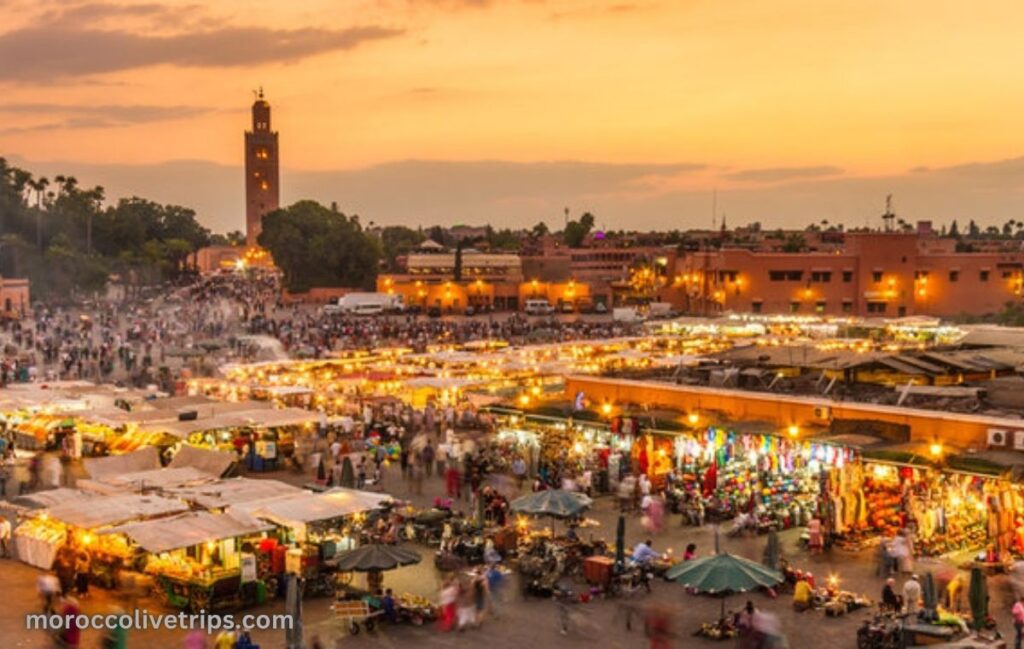
Jemaa el-Fnaa is the heartbeat of Marrakech and one of the most famous public spaces in the world. By day it is a busy open-air market with orange juice stalls, henna artists, and snake charmers working the crowds. By evening it transforms into something between a carnival and a theatre – storytellers performing in Arabic, acrobats flipping through the air, and food stalls sending plumes of smoke into the warm night sky.
Sitting at a rooftop café overlooking the square with a glass of mint tea is one of those simple travel moments that stays with you for years. UNESCO recognises Jemaa el-Fnaa as an Intangible Cultural Heritage of Humanity, and once you experience it at dusk, you will understand exactly why.
Discover Majorelle Garden
Majorelle Garden is one of the most peaceful spots in all of Marrakech, a striking contrast to the medina’s intensity just outside its walls. The garden was designed by French painter Jacques Majorelle and is famous for its vivid cobalt blue buildings set against lush tropical plants, fountains, and winding shaded paths. It was later purchased and restored by fashion designer Yves Saint Laurent, who fell in love with Morocco and is buried here.
Allow at least an hour to walk through the garden slowly. It is genuinely beautiful at any time of day, though early morning gives you the best light and the smallest crowds.
Shop in the Historic Medina
The Marrakech Medina is a UNESCO World Heritage Site and one of the best-preserved medieval city centres in the Arab world. Its narrow lanes twist and turn past hidden workshops, neighborhood mosques, and Moroccan souks stacked floor to ceiling with hand-woven carpets, copper lanterns, leather bags, and aromatic spices. Do not be in a hurry when you explore it – the best discoveries always come when you wander without a fixed destination and get a little lost.
Experience the Magic of the Sahara Desert
If there is one experience that defines what to do in Morocco, it is a night in the Sahara. The desert is not just a landscape – it is a feeling, a silence so complete you can hear your own breathing. Most visitors say it is the single most powerful moment of their entire trip, and many describe it as one of the best experiences of their lives.
Camel Trekking in Merzouga
The village of Merzouga sits at the edge of Erg Chebbi, one of Morocco’s most dramatic dune systems, where the sand rises to over 150 metres in places. From here you mount a camel and ride into the desert as the late afternoon light turns the dunes deep orange and the shadows stretch long and clean across the sand. The pace is slow, the scenery is surreal, and the whole experience feels like stepping into a world that exists outside of normal time.
Spend a Night in a Luxury Desert Camp
Luxury desert camps in Morocco offer proper beds inside beautifully decorated Berber tents, warm showers, candlelit Moroccan dinners, and live traditional music performed around an open fire. The camps sit in the dunes away from any light pollution, which means the night sky above you is something most people in cities have never seen – thousands of visible stars laid out across the darkness in every direction. Morocco Live Trips can arrange private luxury camp stays as part of any custom tour package.
Watch the Sunrise Over Erg Chebbi
Waking up before dawn and climbing a dune to watch the sunrise over Erg Chebbi is non-negotiable if you are spending a night in the Sahara. The colours shift from deep purple to orange to pale gold in a matter of minutes, and the silence during that transformation is absolute. Photographs will not do it justice, but you will take hundreds anyway and they will still be your favourite photos from the entire trip.
Discover the Blue City of Chefchaouen
Chefchaouen is unlike anywhere else on earth. Every wall, staircase, alley, and doorway in this mountain town is painted in shades of blue – from pale sky blue to deep cobalt – and the effect when you walk through its medina for the first time is genuinely disorienting in the best possible way. The city sits in the Rif Mountains of northern Morocco and has a calm, unhurried atmosphere that feels completely different from Marrakech or Fes.
Best Places for Photography
The Blue City of Chefchaouen rewards photographers at every turn and every hour of the day. The medina’s steep blue alleys catch the light differently in the morning, the afternoon, and at golden hour – each version is worth photographing. The most famous spots are the staircase lanes of the upper medina, the old mosque square, and the narrow passages near the kasbah where blue walls meet hanging flower pots and coloured doors.
>>For Details Explore Morocco Photography tour
Exploring Local Markets and Cafés
Chefchaouen has a noticeably relaxed pace compared to Morocco’s bigger cities, and spending time in the central plaza with a coffee watching local life go by is one of the simple pleasures of any Morocco trip. The local markets sell hand-woven blankets, mountain herbs, locally made pottery, and the region’s famous goat cheese, which you will not find in quite the same form anywhere else in Morocco. The small cafés around the medina serve excellent coffee and traditional Moroccan pastries at prices that feel almost too low.
Hiking the Rif Mountains
The Rif Mountains surrounding Chefchaouen offer excellent hiking trails with wide valley views that make the climb entirely worthwhile. The trails are accessible for most fitness levels, well-marked, and rarely crowded even during peak tourist season. For the more adventurous, longer routes lead deep into the mountains past traditional farming villages and terraced hillsides that feel completely removed from the tourist trail.
Visit Morocco’s Imperial Cities
Morocco has four imperial cities – Marrakech, Fes, Meknes, and Rabat – each one a former capital and each with its own distinct character and history. Visiting all four gives you a full picture of Morocco’s long and layered past, though even spending a full day in each one barely scratches the surface.
Fes and Its Ancient Medina
Fes is arguably the most intense and rewarding cultural experience Morocco offers. The Fes Medina – a UNESCO World Heritage Site – is the oldest functioning medieval city in the world, completely car-free and home to over 9,000 narrow streets and lanes. Inside its walls you will find medieval tanneries still using the same dyeing methods as a thousand years ago, ancient mosques and madrasas, and souks packed with every craft Morocco produces.
The leather tanneries of Fes are the city’s most iconic sight, and the smell hits you before you see them. Climb to one of the leather shop terraces overlooking the circular dyeing pits for the classic aerial view – the colours of the vats change by season and by batch, and on a sunny morning the scene is genuinely unlike anything else in the world.
Rabat’s Historical Attractions
Morocco’s capital city is often skipped by visitors in favour of the more famous medina cities, which means you can explore its historic sites without the crowds. Rabat is home to the Hassan Tower – a 12th-century minaret that was meant to be the tallest in the world before construction stopped – the Mausoleum of Mohammed V, and a beautiful old kasbah that overlooks the river and the Atlantic coast. It is a calm, walkable city that rewards travellers who take the time to slow down.
Meknes and Volubilis
Meknes was one of Morocco’s great imperial capitals under Sultan Moulay Ismail in the 17th century, and the scale of its gates and fortifications reflects the ambition of that era. Just outside Meknes lie the Roman ruins of Volubilis, another UNESCO World Heritage Site, where well-preserved mosaics, columns, and triumphal arches sit in open countryside. Walking through a complete Roman city in the middle of Morocco is one of those experiences that surprises almost every visitor who makes the effort to get here.
Explore the Atlas Mountains and Berber Villages
The Atlas Mountains are Morocco’s dramatic backbone – a chain of peaks running across the country that shapes its climate, landscape, and culture in equal measure. The range divides the fertile north from the pre-Saharan south, and crossing it by road through the mountain passes is one of the great drives in North Africa.
Day Trips from Marrakech
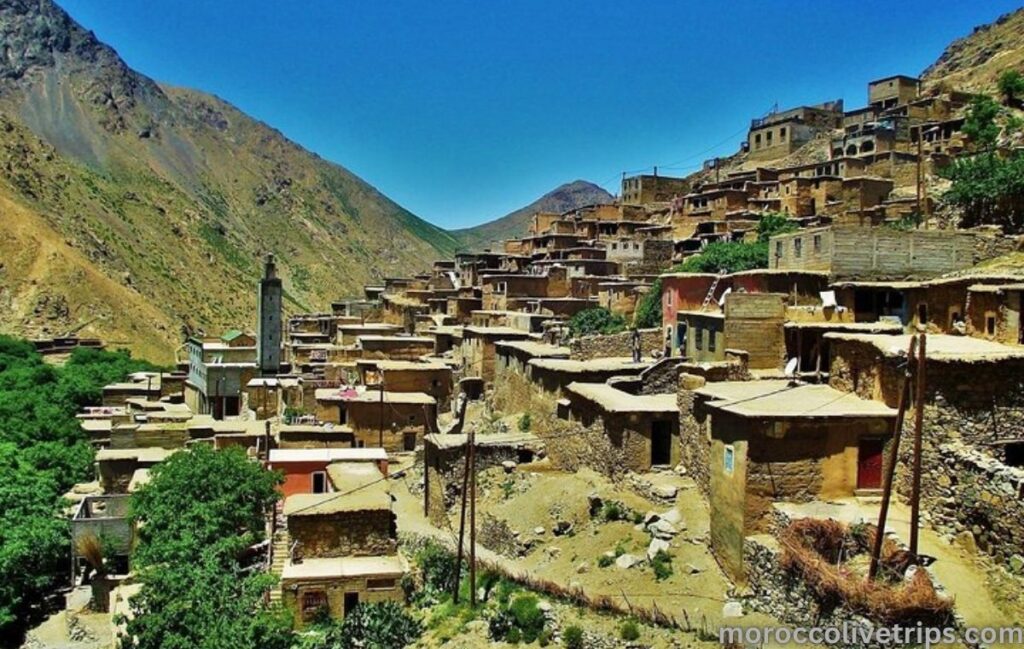
The High Atlas Mountains begin less than an hour’s drive from Marrakech, which makes them ideal for day trips from the city. The most popular route runs through the Ourika Valley, past traditional Berber villages set on hillsides above a fast-running river, and up toward a series of waterfalls surrounded by walnut and fig trees. Many Morocco tour packages include this route as a morning excursion that pairs well with an afternoon back in the Marrakech medina.
Traditional Berber Culture
The Amazigh people – known internationally as Berbers – are Morocco’s original inhabitants, and their culture remains deeply alive in the mountain villages of the Atlas and the desert communities of the south. Visiting a Berber home for traditional mint tea, seeing the handwoven rugs made by local women using techniques passed down through generations, and hearing the Tamazight language spoken in its natural environment are among the most authentic cultural experiences in Morocco available to travellers today.
Adventure Activities
For travellers who want to be active, the Atlas Mountains offer hiking routes that range from gentle valley walks to the serious multi-day ascent of Jebel Toubkal – at 4,167 metres, the highest peak in North Africa. Rock climbing, mountain biking, and guided road trips in Morocco through the Tizi n’Tichka and Tizi n’Test passes are all popular options that Morocco Live Trips can include in any custom itinerary.
Relax Along Morocco’s Atlantic Coast
Morocco’s long Atlantic coastline is one of the country’s most underrated assets. It stretches from the northern city of Tangier all the way south to the edge of the Western Sahara, offering surf breaks, historic port towns, wide sandy beaches, and fishing villages that feel completely removed from the busy medina circuit inland.
Surfing in Taghazout
Taghazout has become one of Africa’s best-known surf destinations, and the reputation is fully deserved. The small village north of Agadir catches consistent Atlantic swells year-round, with a range of breaks that suit everyone from complete beginners to experienced surfers looking for a serious wave. The laid-back atmosphere of the village, with its surf shops, yoga studios, and beachside cafés, means many travellers who plan to spend two days here end up staying for a week.
Beaches in Agadir
Agadir offers one of Morocco’s longest and most accessible beaches – a wide curve of golden sand sheltered by a bay, with calm waters that are safe for swimming and well-suited for families. The city itself is Morocco’s most resort-friendly destination, with a wide range of hotels at every price point, an organised beachfront promenade, and good road connections to the Atlas Mountains and the south. If you are travelling with young children, Agadir makes an excellent base.
Essaouira’s Historic Port
Essaouira is a coastal gem that surprises almost every visitor who makes the journey here. The fortified port city has a distinctive blue and white aesthetic, a beautifully preserved UNESCO-listed medina, and a creative, relaxed atmosphere that has attracted artists and musicians for decades. It is famous for its fish market, its persistent Atlantic wind – which makes it a world-class destination for kitesurfing and windsurfing – and the quality of its fresh seafood, which you can eat grilled at simple tables right next to where the boats come in.
Enjoy Authentic Moroccan Food Experiences
Moroccan cuisine is one of the great food cultures of the world, and eating well here requires almost no effort. The flavours are complex, the ingredients are fresh, and even a simple street food meal in a medina lane can be one of the best things you eat all year.
Must-Try Moroccan Dishes
Moroccan tagine is the dish most people arrive knowing – slow-cooked meat or vegetables with layers of warm spices, preserved lemons, olives, and dried fruits, cooked in the distinctive conical clay pot and eaten with fresh bread. But Morocco’s food goes far beyond tagine. Try bastilla, a flaky pastry filled with chicken or pigeon and dusted with powdered sugar and cinnamon that sounds unusual and tastes incredible. Try harira soup, kefta meatballs, slow-roasted mechoui lamb, and always finish with Moroccan mint tea poured from a height into small glasses – sweet, fragrant, and offered everywhere as a gesture of welcome and hospitality.
Cooking Classes
Several cities – particularly Marrakech and Fes – offer excellent Moroccan cooking classes where the experience starts with a guided shopping trip through the souk to pick up fresh ingredients, followed by cooking traditional recipes in a family kitchen or riad. It is one of the most enjoyable and personal ways to understand a culture, and you leave with both a full stomach and recipes you can actually use at home. Morocco Live Trips can arrange cooking class experiences as an add-on to any tour package.
Food Tours in Marrakech and Fes
Guided Moroccan food tours take you through the medina lanes to street food stalls and market vendors that most independent travellers never find on their own. Fried msemen flatbreads straight off the griddle, fragrant snail soup, fresh-squeezed orange juice, slow-cooked chickpeas with cumin – the medinas of Marrakech and Fes are food lovers’ playgrounds once you know where to look.
Experience Traditional Moroccan Culture
The culture of Morocco runs deep, and the best travel experiences here go well beyond the famous sights. Making time for the quieter, more personal moments – a hammam visit, a night in a riad, an afternoon bargaining in the souk – is what separates a good Morocco trip from a great one.
Visiting a Moroccan Hammam
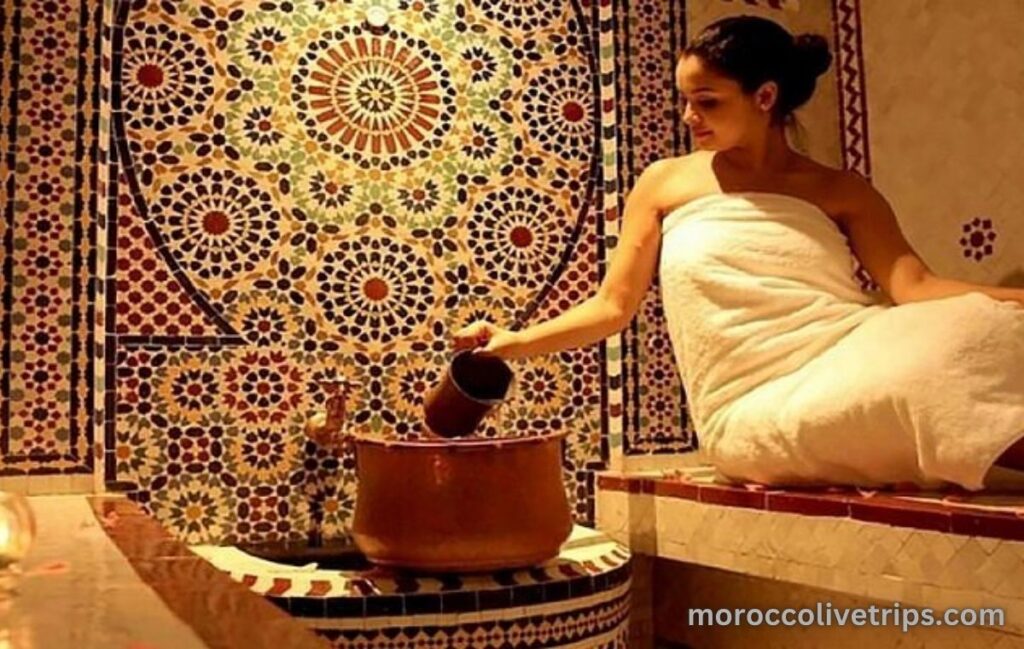
A Moroccan hammam is a traditional bathhouse, and visiting one is an essential part of any trip to Morocco. The experience involves a steam room, a scrub with black olive soap called savon beldi, and an exfoliation treatment called kessa that leaves your skin feeling entirely new. Public hammams in the medinas are cheap, authentic, and used by local families daily. Upscale riads offer private hammam experiences with rose water, argan oil, and flower petal treatments that are considerably more luxurious but still very good value by European standards.
Staying in a Traditional Riad
A riad is a traditional Moroccan house built around an interior courtyard garden, and staying in one is one of the best accommodation decisions you can make in Morocco. From the outside, riads are plain and unmarked – just another anonymous medina doorway that gives nothing away. Step inside and they open into beautiful, quiet spaces filled with hand-painted mosaic tiles, carved plaster walls, central fountains, and rooftop terraces where you can eat breakfast with a view across the medina rooftops.
Shopping in Local Souks
The souks of Morocco are organised by trade, which means spending time wandering through the leatherworkers’ quarter, the carpet souk, the spice market, and the ceramics lanes each gives you a completely different experience. Prices in the souks are rarely fixed, so bargaining is expected and entirely part of the process – approach it as a friendly conversation rather than a confrontation and you will enjoy it. The best things to buy are argan oil, Moroccan leather slippers called babouches, hand-painted pottery, handwoven Berber rugs, and loose spices that cost a fraction of what you pay at home.
>>Explore Morocco Culture guide for Details
A Perfect 7-Day Morocco Itinerary
Seven days is enough time to see Morocco’s highlights if the itinerary is well planned and you have private transport throughout. This is the structure Morocco Live Trips uses as the foundation for its most popular tour package, and it balances culture, landscape, and downtime without feeling rushed.
Day 1 – Marrakech: Arrive and settle into your riad in the medina. Spend the evening at Jemaa el-Fnaa Square, eating dinner from the food stalls and watching the city come alive after dark.
Day 2 – Marrakech: Morning visit to Majorelle Garden before the crowds arrive. Afternoon exploring the souks and Bahia Palace. Evening in a rooftop restaurant overlooking the medina, followed by a hammam session.
Day 3 – Atlas Mountains and Ait Ben Haddou: Drive south through the High Atlas Mountains via the Tizi n’Tichka pass. Stop at Ait Ben Haddou, the stunning UNESCO-listed kasbah used as a filming location for Game of Thrones and Gladiator. Overnight in the Draa Valley surrounded by palm groves and red rock cliffs.
Day 4 – Merzouga and the Sahara Desert: Drive east to Merzouga across the pre-Saharan plains. Arrive in time for afternoon camel trekking into the dunes. Watch the sunset over Erg Chebbi and spend the night in a luxury desert camp under the stars.
Day 5 – Desert to Fes: Wake before sunrise to watch the dunes change colour in the early morning light. Then drive north through Berber villages, cedar forests, and the Middle Atlas mountains to arrive in Fes by evening. Check into a riad in the medina.
Day 6 – Fes: A full day exploring the ancient Fes Medina – the tanneries, the Al-Qarawiyyin mosque complex, the souk quarters, the Bou Inania Madrasa, and the best food stalls the medina has to offer. This is the cultural heart of Morocco and it deserves a full day without rushing.
Day 7 – Chefchaouen: Drive two hours northwest to the Blue City of Chefchaouen for a morning of photography and wandering. Have lunch in the central plaza before the drive back to Casablanca or Marrakech for your departure flight.
Frequently Asked Questions About What to See and Do in Morocco
What are the best things to see and do in Morocco?
The top experiences are the Sahara Desert camel trek and overnight camp, exploring Marrakech’s Jemaa el-Fnaa, walking the ancient lanes of Fes Medina, visiting Chefchaouen’s blue streets, and spending a night in a traditional riad. These five experiences alone make for an unforgettable trip, and Morocco has dozens more waiting beyond them.
Is 7 days enough to see Morocco?
Seven days is enough to see Morocco’s main highlights if you plan the itinerary carefully and use private transport between destinations. A well-structured private tour from a company like Morocco Live Trips can cover Marrakech, the Atlas Mountains, the Sahara Desert, and either Fes or Chefchaouen comfortably in a week.
What is the number one attraction in Morocco?
Most visitors say the Sahara Desert at Merzouga is the single most memorable experience the country offers. The combination of camel trekking, sleeping in a luxury desert camp, and watching the sunrise over the Erg Chebbi dunes is unlike anything else available in North Africa or the wider world.
Which city is best to visit in Morocco?
Marrakech is the most accessible and varied city for first-time visitors. Fes is the most historically rich and culturally intense. Chefchaouen is the most visually striking and the most photographed. If your schedule allows, visiting all three in a single trip gives you a genuinely complete picture of Morocco.
What should tourists not miss in Morocco?
Do not miss a hammam visit, a night in a riad, the tanneries in Fes, the Sahara Desert sunrise, and the food – particularly tagine, bastilla, and a proper glass of fresh Moroccan mint tea poured tableside from a silver pot.
What is the best time to visit Morocco?
Spring (March to May) and autumn (September to November) offer the most comfortable temperatures across the country for sightseeing. The Sahara can be visited year-round, though summer temperatures in the desert regularly exceed 40°C during the day. Winter nights in the desert are cold, which makes the campfire and the warm tent all the more welcome.
Is Morocco worth visiting?
Every person who visits Morocco says the same thing when they return home: they did not expect it to be this good. The combination of culture, landscape, food, and genuine human warmth makes Morocco one of the most rewarding travel destinations in the world for the investment of time and money it requires.
Plan Your Morocco Adventure with Morocco Live Trips
Morocco is one of those places that genuinely changes people. The ancient medinas, the Sahara silence, the smell of spices in the souk, the warmth of a family-run riad – none of it leaves you when you go home. It stays with you, and most people who visit once start planning their return before they have even landed back.
But Morocco rewards the traveller who goes in well-prepared. Knowing which desert camp is worth the price, which riad is genuinely special, which guide actually knows the hidden corners of Fes Medina – that knowledge takes years to build. Morocco Live Trips has done that work so you do not have to.
We are a licensed Morocco tour operator and we handle everything from the moment you land to the moment you leave. Private transport, handpicked riads, luxury desert camp bookings, experienced local guides, and itineraries built entirely around your group, your pace, and your interests. No cookie-cutter packages. No corners cut.
With the 2030 FIFA World Cup coming to Morocco, demand for quality tours is rising fast. The best camps, riads, and private guides are booking up months in advance – and once those dates are gone, they are gone.
Do not leave your Morocco trip to chance. Browse our tour packages at moroccolivetrips.com, or contact us directly today to start planning. Tell us your dates, your group size, and what matters most to you – and we will build you a Morocco experience worth every penny.
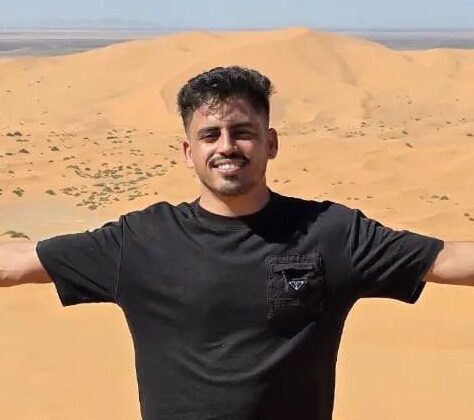
Moha BN is a Moroccan-born licensed tour guide with 10+ years of experience organizing cultural tours, Sahara Desert trips, and private itineraries across Morocco. He shares local travel insights, safety advice, and budget tips through Morocco Live Trips.